Sandown tide times
Sandown tide forecast — heights relative to MSL.
Today's tide times for Sandown
Tide times at Sandown on Tuesday, 4 August 2026: first low tide at 01:00, first high tide at 02:51, second low tide at 08:12, second high tide at 15:18, third low tide at 20:38. Sunrise 05:34, sunset 20:46.
Tide chart for Sandown
24-hour cosine-interpolated curve around the present moment. Heights relative to MSL. Predictions: Predictions: Open-Meteo Marine (MeteoFrance SMOC, 0.08° grid).
Sun, moon and conditions on Tue 04 Aug
Snapshot at build time — refreshes daily. Sea state from Open-Meteo Marine.
Highs and lows next 7 days
Every predicted high and low for the next week, with the daily tidal coefficient (0–120; higher = bigger swing, > 95 means stronger currents).
Other spots nearby
The three closest curated TideTurtle locations to Sandown, measured by great-circle distance.
Today's solunar windows
Solunar tradition: major periods are the ≈3h windows around moon transit and opposition; minor are ≈2h around moonrise and moonset. Pair with the local tide stage and wind for the best read.
Cycle dates near Sandown
Last spring tide on Tue 04 Aug (range 2.8m / 9.1ft). Next spring tide on Mon 10 Aug (range 2.1m / 7.0ft). Next neap on Sun 09 Aug.
Spring tides cluster around new and full moons (biggest swings). Neap tides land on quarter moons (smallest swings). See the spring tide and neap tide glossary entries for the why.
About tides at Sandown
A short guide to the coastline at Sandown — geography, sea state, and what the tide is actually doing under your feet.
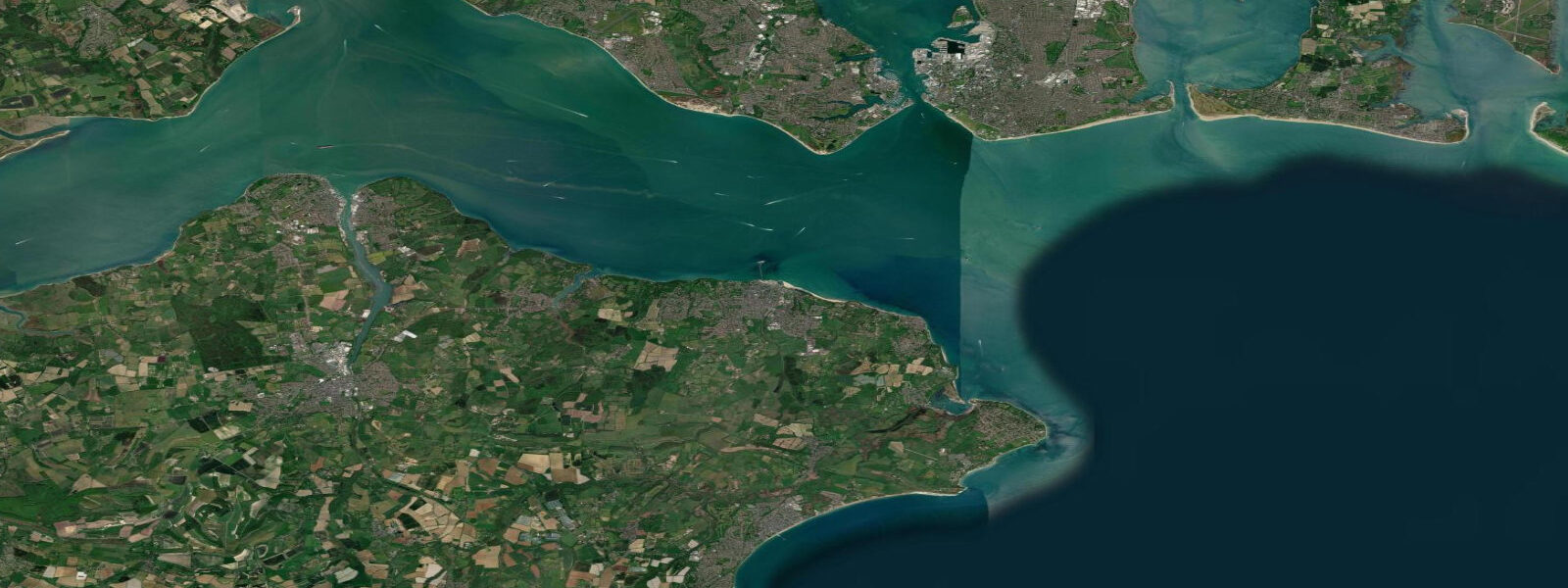
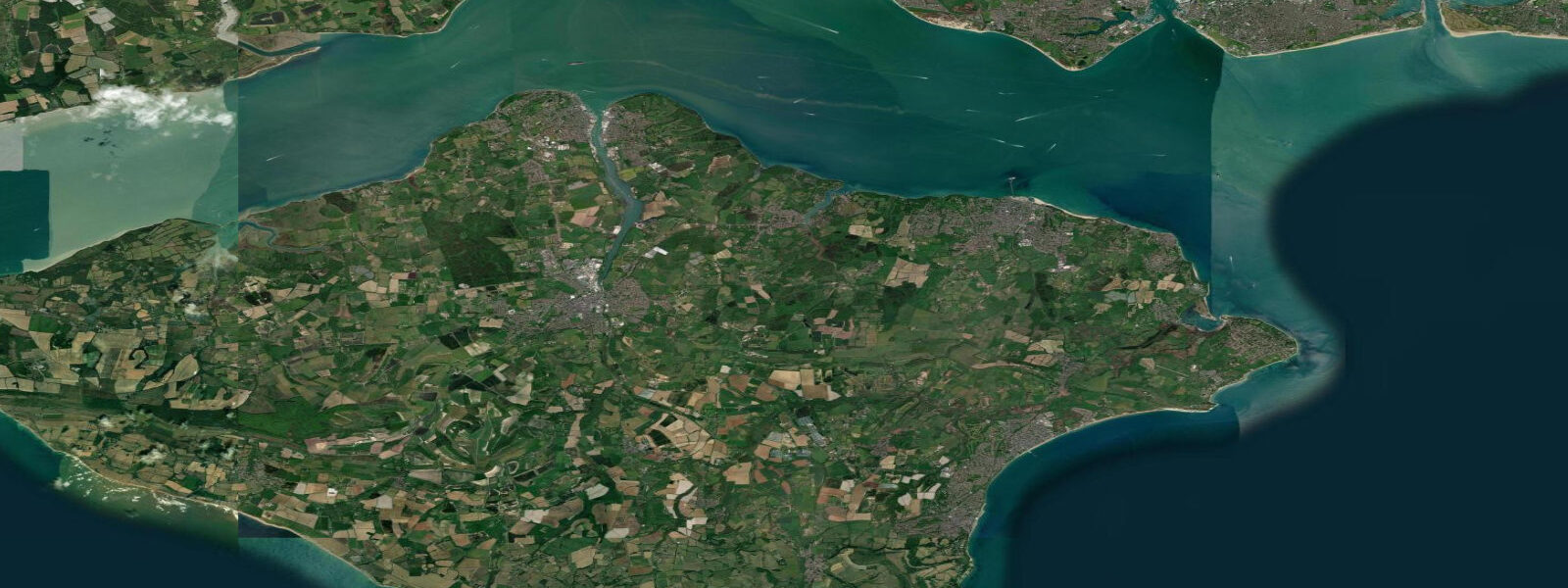
Sandown Bay faces east into the English Channel, insulated from The Solent's complex double high water by the island's bulk. The tidal curve here is orthodox by Isle of Wight standards: a near-sinusoidal rise and fall, semidiurnal, with spring range approximately 3.8 m. High water at Sandown runs roughly 15 minutes behind Cowes. The bay is open to the northeast and southeast, which means swell from those directions reaches the beach without obstruction — a different character from the sheltered Solent shore.
Sandown's broad sandy beach is the island's most popular for families, and the tidal range makes it genuinely dynamic. At mean low water springs, the waterline retreats over 200 m from the sea wall, exposing a wide, firm sand floor that is safe and walkable. The gradient is shallow enough that children can walk out 100 m and still be well below knee depth in the water at mid-tide. The beach empties almost entirely on spring low waters, and the sand that appears is clean and compact enough for games, building, and general foreshore exploration.
The two hours before low water and two hours after are the most comfortable swimming window for families. The undertow on the incoming tide at Sandown is moderate — nothing like the powerful wave action further west at Freshwater Bay — but the bay is exposed to a northeast fetch across the English Channel, so a northeast wind produces choppy conditions that can be uncomfortable for beginners. Check the wind direction, not just the tide, before swimming with children.
Sea kayaking along the Sandown Bay shoreline to Culver Cliff in the north is a rewarding 5 km coastal route. Launch from the beach below the sea wall at mid to high water; the lower beach is accessible for launching at any state of tide but the carry is longer at low water. Paddle north toward Culver Cliff, where the chalk headland rises to 70 m and the sea-level platform at its base holds pools of sea anemone and small wrasse accessible to snorkellers on calm days. The return south past Lake and Shanklin is straightforward on any state of tide, with no tidal gate to worry about in the bay itself.
Angling from Sandown Pier and the beach is productive for bass on the last two hours of the flood tide, when bait and small fish are pushed into the bay. The pier extends into water that covers the sand flat at mid-tide; fishing from the pier end at two hours before high water puts you over 4 to 5 m of depth. Flat fish — plaice and dab — work the lower beach on the ebb from April through September. Pier fishing for mackerel is excellent from June through September on the first of the flood when the shoals push into the bay.
For photographers, Culver Cliff provides the principal compositional anchor of Sandown Bay. The white chalk face is visible the length of the bay and reflects warm light in the afternoon. Low water in the late afternoon from March through September, when the sand reveals its full extent and the Culver headland glows in the low sun, produces the most compelling landscape frames from the sea wall promenade. A polarising filter eliminates the surface glare effectively.
Windsurfing conditions in Sandown Bay are best with a northeast or east wind — the bay provides a natural fetch across sheltered water without the complexity of the main Solent stream. The RYA-affiliated sailing and watersports clubs at Sandown and Shanklin both run tidal-aware coaching sessions from April through October.
Tidal predictions here use the Open-Meteo Marine gridded model (±45 minutes on timing, ±0.3 m on height). Not for navigation.
Tide questions about Sandown
Quick answers to the most common questions about tide times, range, and water access at Sandown.
How far does the tide go out at Sandown Beach?
At mean low water springs the waterline at Sandown retreats approximately 200 m from the sea wall, exposing a wide, compact sand floor. The gradient is very shallow, so the exposed beach extends well beyond the normal high-water limit. On neap tides the retreat is around 80 to 100 m. The sand revealed at low water is firm enough to walk and run on, making Sandown one of the best low-tide beaches on the island for families. The beach clears to sand at the 3.8 m spring low, giving roughly four hours of wide-beach access centred on low water.
What is the tidal range at Sandown?
Spring tidal range at Sandown is approximately 3.8 m, measured from chart datum to mean high water springs. Neap range is around 2.0 m. Sandown faces east into the English Channel and does not experience The Solent's double high water — the tidal curve here is a standard near-sinusoidal rise and fall, with a clearly defined single high water peak. High water at Sandown runs about 15 minutes behind Cowes. The semidiurnal pattern produces two high waters per day. At mean low water springs the beach exposes over 200 m of sand — one of the widest beach profiles on the island's eastern coast.
Is Sandown Bay safe for swimming?
Sandown Bay is one of the safer swimming beaches on the Isle of Wight due to its shallow gradient and moderate tidal stream in the bay. The two hours before and two hours after low water are the most comfortable window for family swimming — the beach is widest, the water depth over the sand flat is predictable, and the current in the bay is minimal. The bay is open to the northeast, so a northeast or east wind produces choppy, uncomfortable conditions. Check wind direction as well as tide before swimming, particularly with children. No permanent lifeguard service — assess conditions yourself.
When is the best time to fish from Sandown Pier?
Sandown Pier fishes best for bass on the last two hours of the flood tide when baitfish are pushed into the bay. Fish from the pier end at two hours before high water to have 4 to 5 m of water beneath you over the sand flat. Mackerel are taken on feathers in June through September on the first of the flood. Flat fish — plaice and dab — show on the lower beach on the ebb from April through September, using ragworm or lugworm on a running ledger. The pier itself extends far enough that tidal state is less critical than at beach fishing marks.
Can you kayak to Culver Cliff from Sandown?
Sandown to Culver Cliff is a straightforward 5 km sea kayak route with no tidal gate. Launch from the beach at any state of tide — the carry at low water is longer but manageable. Paddle north past Lake and Yaverland to reach Culver Cliff's chalk headland, where a sea-level rock platform holds anemone pools accessible on calm days. The return south is equally straightforward. No significant tidal stream in Sandown Bay itself; the main consideration is wind and swell from the northeast. Intermediate paddlers can complete the round trip comfortably in 2 to 3 hours.
8-day tide table — Sandown
Heights relative to MSL. Predictions: Open-Meteo Marine (MeteoFrance SMOC, 0.08° grid) — heights relative to MSL (not chart datum / LAT). Model-derived.
| Day | Type | Time | Height |
|---|---|---|---|
| Tue 04 Aug | Low | 01:00 | 0.4m / 1.3ft |
| High | 02:51 | 1.0m / 3.3ft | |
| Low | 08:12 | -1.7m / -5.7ft | |
| High | 15:18 | 1.0m / 3.4ft | |
| Low | 20:38 | -1.5m / -5.0ft | |
| Wed 05 Aug | High | 03:33 | 0.8m / 2.7ft |
| Low | 09:00 | -1.7m / -5.6ft | |
| High | 16:04 | 0.8m / 2.6ft | |
| Low | 21:24 | -1.6m / -5.2ft | |
| Thu 06 Aug | High | 04:23 | 0.7m / 2.2ft |
| Low | 09:52 | -1.6m / -5.2ft | |
| High | 17:00 | 0.7m / 2.4ft | |
| Low | 22:23 | -1.4m / -4.5ft | |
| Fri 07 Aug | High | 05:19 | 0.5m / 1.7ft |
| Low | 10:50 | -1.4m / -4.6ft | |
| High | 18:00 | 0.6m / 2.1ft | |
| Low | 23:28 | -1.3m / -4.2ft | |
| Sat 08 Aug | High | 06:33 | 0.4m / 1.4ft |
| Low | 12:02 | -1.3m / -4.1ft | |
| High | 19:16 | 0.6m / 1.9ft | |
| Sun 09 Aug | Low | 00:52 | -1.3m / -4.2ft |
| High | 08:18 | 0.5m / 1.6ft | |
| Low | 13:21 | -1.2m / -3.8ft | |
| High | 20:45 | 0.6m / 2.1ft | |
| Mon 10 Aug | Low | 02:08 | -1.3m / -4.4ft |
| High | 09:36 | 0.7m / 2.4ft | |
| Low | 14:38 | -1.3m / -4.1ft | |
| High | 21:55 | 0.8m / 2.6ft | |
| Tue 11 Aug | Low | 00:00 | -0.0m / -0.0ft |