Freshwater Bay tide times
Freshwater Bay tide forecast — heights relative to MSL.
Today's tide times for Freshwater Bay
Tide times at Freshwater Bay on Tuesday, 4 August 2026: first high tide at 01:43, first low tide at 07:34, second high tide at 14:42, second low tide at 19:57, third high tide at 23:40. Sunrise 05:35, sunset 20:47.
Tide chart for Freshwater Bay
24-hour cosine-interpolated curve around the present moment. Heights relative to MSL. Predictions: Predictions: Open-Meteo Marine (MeteoFrance SMOC, 0.08° grid).
Sun, moon and conditions on Tue 04 Aug
Snapshot at build time — refreshes daily. Sea state from Open-Meteo Marine.
Highs and lows next 7 days
Every predicted high and low for the next week, with the daily tidal coefficient (0–120; higher = bigger swing, > 95 means stronger currents).
Other spots nearby
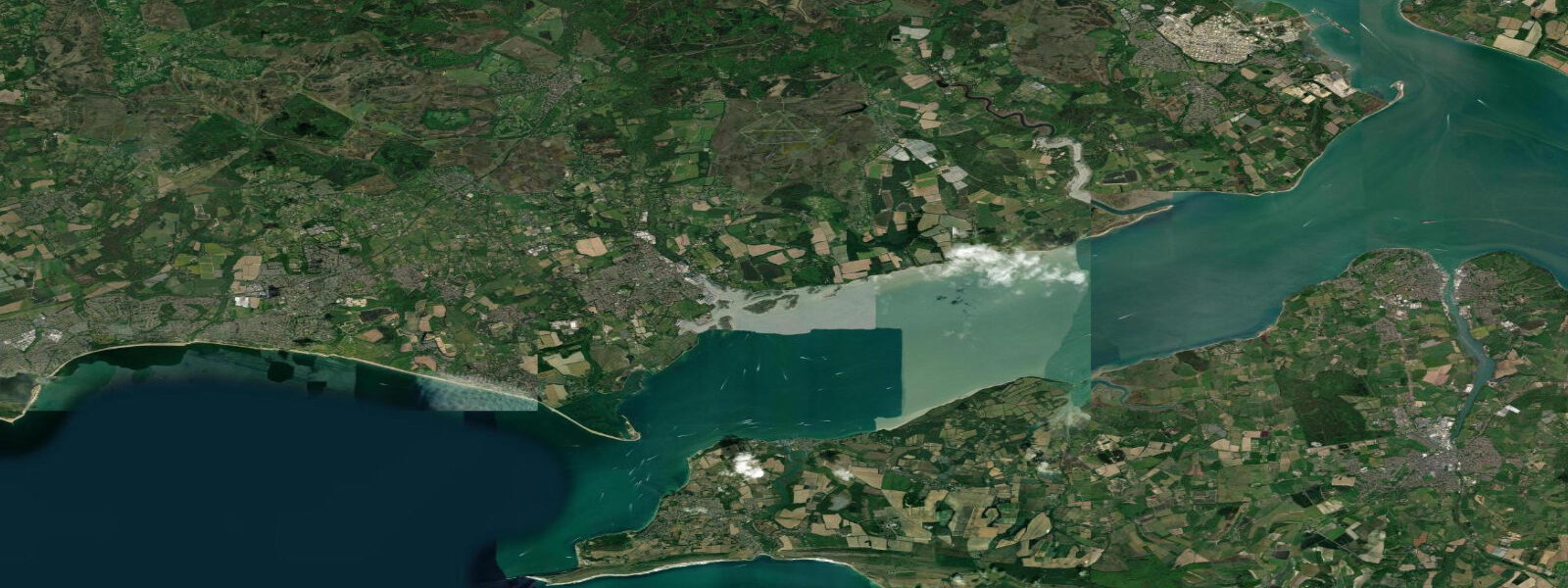
The three closest curated TideTurtle locations to Freshwater Bay, measured by great-circle distance.
Today's solunar windows
Solunar tradition: major periods are the ≈3h windows around moon transit and opposition; minor are ≈2h around moonrise and moonset. Pair with the local tide stage and wind for the best read.
Cycle dates near Freshwater Bay
Last spring tide on Tue 04 Aug (range 1.4m / 4.7ft). Next spring tide on Mon 10 Aug (range 1.3m / 4.3ft). Next neap on Fri 07 Aug.
Spring tides cluster around new and full moons (biggest swings). Neap tides land on quarter moons (smallest swings). See the spring tide and neap tide glossary entries for the why.
About tides at Freshwater Bay
A short guide to the coastline at Freshwater Bay — geography, sea state, and what the tide is actually doing under your feet.
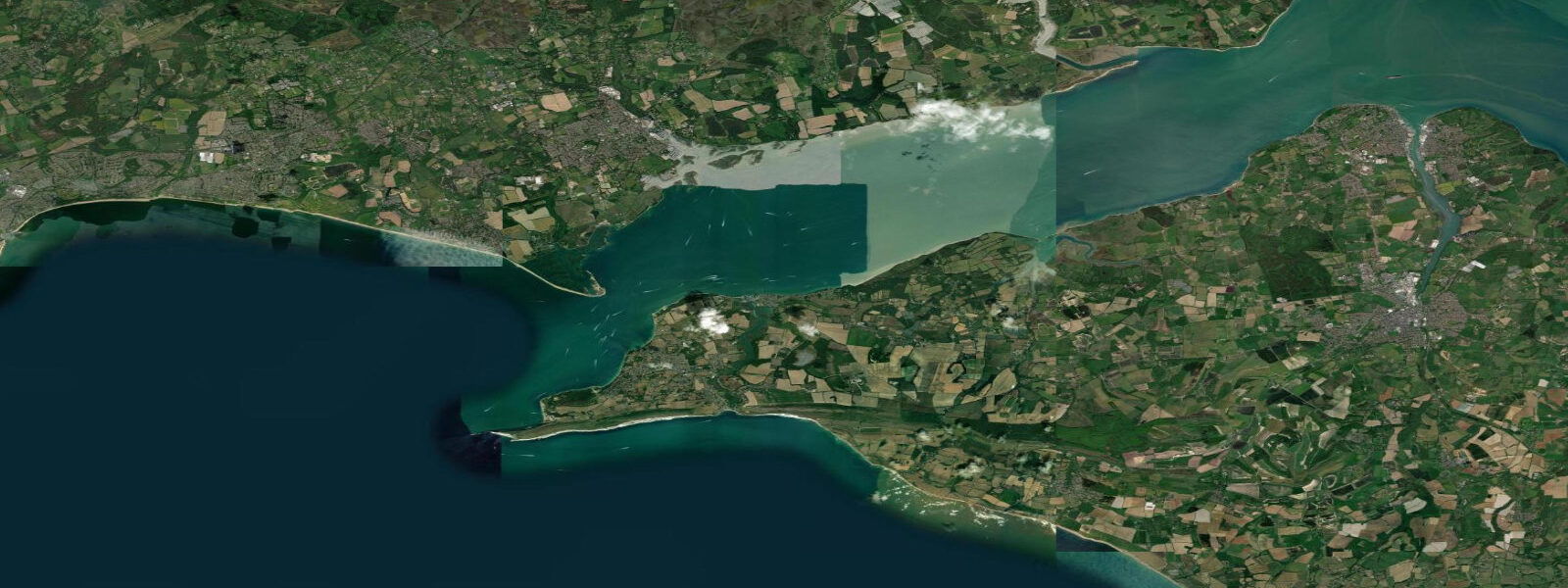
Freshwater Bay is on the island's Atlantic flank, facing southwest — the first significant body of land for any swell arriving from the Bay of Biscay or the North Atlantic. The tidal character here is a clean, simple sinusoidal curve: no double high water, no Solent complications. Spring range is approximately 3.2 m, somewhat less than the Solent's sheltered north shore, because the open English Channel approach allows the tidal wave to work freely without the amplification of the confined Solent channel. High water at Freshwater Bay runs about 20 minutes ahead of Cowes.
The bay is a narrow curved notch cut into the chalk headlands of Freshwater and Tennyson Down. At low water, the beach shrinks to a narrow band of pebble and coarse sand against the cliff base, and the chalk sea-level platform is exposed both east and west of the bay. This platform — a wave-cut notch in the Lower Chalk — extends 60 to 80 m from the cliff base at extreme low water springs and holds rock pools that are accessible for two hours either side of low water. Anemones, dog whelks, small blennies, and shore crabs occupy the pools.
Stag Rock, the chalk stack that stands just inside the bay entrance, dries completely at low water springs. At high water it is surrounded, its base submerged; at low water it stands clear on the platform with a narrow pool moat. The Needles headland is 4 km to the northwest along the chalk ridge; their distinctive stacks are visible from the beach and accessible by the coastal path along Tennyson Down.
Surf reaches Freshwater Bay when the Solent shore sees flat water. A southwest or west swell with 1 to 2 m of energy produces rideable waves against the bay's curved pebble beach. The bay's geometry — narrow entrance flanked by headlands — focuses the swell slightly, which means even small swell conditions are worth checking. The Isle of Wight Surf Lifesaving Club monitors conditions from the bay; there is no permanent lifeguard service. Swimming is safe on calm days in the low-water window, but the beach shelves steeply — the depth increases quickly from the water's edge, and inshore wave dumps when swell is running can unsettle non-swimmers.
Tennyson Down runs along the top of the chalk ridge above the bay and offers 360-degree views — south to the Channel, north to The Solent, west to The Needles. The path from the bay car park to the Tennyson Monument is 40 minutes each way and requires no tidal planning. Photography from Tennyson Down at low water catches the full extent of the chalk platform below and the Needles stacks in the same frame on a clear day.
Sea-level platform walking at low water requires care. The chalk is algae-covered and slippery where wet; reef-soled shoes or old trainers are essential. The platform dries from about 2 hours before low water and remains accessible for roughly 2 hours afterwards — a 4-hour window at springs. Outside this window the platform is submerged. Do not continue along the platform west toward The Needles headland without an intimate knowledge of the tide — the platform ends and the cliff rises sheer, and the rising tide reclaims it faster than you might expect.
Anglers fishing the rock platform at low water take wrasse on float tackle and bass on lures as the tide returns and bait moves into the surf zone. The spring low water at dawn from April through June is the most productive bass session, as fish move onto the newly flooding platform to ambush sand eels.
Tidal predictions here use the Open-Meteo Marine gridded model (±45 minutes on timing, ±0.3 m on height). Not for navigation.
Tide questions about Freshwater Bay
Quick answers to the most common questions about tide times, range, and water access at Freshwater Bay.
What is the tidal range at Freshwater Bay?
Spring tidal range at Freshwater Bay is approximately 3.2 m, less than the Solent's sheltered north shore because the bay faces the open English Channel and does not experience the same tidal amplification. Neap range is around 1.6 m. The tidal curve is a clean sinusoidal rise and fall with a single high-water peak — no double high water. High water at Freshwater Bay runs about 20 minutes before Cowes. Spring low water exposes the full chalk platform east and west of the bay for roughly 4 hours.
When can you walk on the chalk platform at Freshwater Bay?
The chalk sea-level platform at Freshwater Bay is accessible in the 2 hours before low water and 2 hours after — a 4-hour window on spring tides. The platform extends 60 to 80 m from the cliff base at extreme low water springs. It dries progressively; the outermost sections are only accessible in the last 30 to 40 minutes before low water. Wear reef-soled or rubber-soled shoes — the chalk surface is algae-covered and slippery. Do not proceed west toward The Needles headland on the platform without checking the precise low water time and your return window.
Does Freshwater Bay get surf?
Freshwater Bay receives surf from southwest and west swells — it faces the Atlantic and has no headland protection from those directions. A 1 to 2 m southwest swell produces rideable waves, and the bay's narrow entrance focuses the energy slightly. The wave character is beach-break over a steeply shelving pebble floor, producing dumping shore-break rather than peeling waves. The Isle of Wight Surf Lifesaving Club uses the bay. There is no permanent lifeguard service; assess conditions yourself before entering. Solent-facing beaches on the island's north coast see flat water when swell is running here.
Can you see The Needles from Freshwater Bay?
The Needles chalk stacks are clearly visible from Freshwater Bay and from the Tennyson Down ridge above it. The stacks are 4 km northwest along the chalk ridge. From the bay beach, the Needles appear at the end of the chalk headland. For the best photography angle, walk up to Tennyson Down — 40 minutes from the car park — where you get both the platform below and the Needles stacks in the same coastal frame. Low water on a clear afternoon in spring or early summer gives the widest exposed chalk platform as foreground.
Is Freshwater Bay safe for swimming?
Freshwater Bay is safe for swimming on calm days in the low-water window, when the surf is absent and the pebble platform is exposed. The bay shelves steeply, so depth increases quickly from the water's edge — it is not a gradual-entry beach. When southwest swell is running, inshore wave dumps against the pebble beach are powerful enough to knock adults off their feet. Check swell forecasts in addition to tide tables. No permanent lifeguard service. Families with young children should prefer the sandier, shallower beaches at Sandown or Shanklin on the island's sheltered east coast.
8-day tide table — Freshwater Bay
Heights relative to MSL. Predictions: Open-Meteo Marine (MeteoFrance SMOC, 0.08° grid) — heights relative to MSL (not chart datum / LAT). Model-derived.
| Day | Type | Time | Height |
|---|---|---|---|
| Tue 04 Aug | High | 01:43 | 0.2m / 0.6ft |
| Low | 07:34 | -1.2m / -4.1ft | |
| High | 14:42 | 0.2m / 0.6ft | |
| Low | 19:57 | -1.0m / -3.2ft | |
| High | 23:40 | 0.0m / 0.0ft | |
| Wed 05 Aug | High | 02:45 | 0.1m / 0.2ft |
| Low | 08:22 | -1.2m / -3.9ft | |
| High | 12:22 | -0.2m / -0.6ft | |
| Low | 12:45 | -0.2m / -0.7ft | |
| High | 15:25 | 0.0m / 0.0ft | |
| Low | 20:51 | -1.1m / -3.5ft | |
| Thu 06 Aug | High | 00:27 | -0.2m / -0.6ft |
| Low | 01:35 | -0.2m / -0.8ft | |
| High | 03:45 | -0.1m / -0.3ft | |
| Low | 09:15 | -1.1m / -3.6ft | |
| High | 16:21 | -0.0m / -0.1ft | |
| Low | 21:52 | -0.9m / -3.0ft | |
| Fri 07 Aug | High | 01:22 | -0.3m / -0.9ft |
| Low | 10:16 | -1.0m / -3.2ft | |
| High | 17:07 | 0.0m / 0.0ft | |
| Low | 23:04 | -0.9m / -2.9ft | |
| Sat 08 Aug | High | 05:17 | -0.1m / -0.4ft |
| Low | 11:34 | -0.9m / -3.0ft | |
| High | 17:50 | 0.0m / 0.1ft | |
| Sun 09 Aug | Low | 00:17 | -1.0m / -3.3ft |
| High | 06:18 | -0.1m / -0.2ft | |
| High | 08:48 | -0.1m / -0.4ft | |
| Low | 12:46 | -0.9m / -3.0ft | |
| High | 18:22 | 0.1m / 0.3ft | |
| Mon 10 Aug | Low | 01:20 | -1.1m / -3.8ft |
| High | 09:48 | 0.0m / 0.1ft | |
| Low | 13:47 | -1.1m / -3.5ft | |
| High | 19:10 | 0.2m / 0.6ft | |
| Low | 21:24 | 0.0m / 0.0ft | |
| High | 21:36 | 0.0m / 0.1ft | |
| Tue 11 Aug | Low | 00:00 | -0.5m / -1.6ft |