Kendwa tide times
Kendwa tide forecast — heights relative to MSL.
Today's tide times for Kendwa
Tide times at Kendwa on Tuesday, 4 August 2026: first low tide at 03:00am, first high tide at 06:51am, second low tide at 01:00pm, second high tide at 07:02pm. Sunrise 06:32am, sunset 06:25pm.
Tide chart for Kendwa
24-hour cosine-interpolated curve around the present moment. Heights relative to MSL. Predictions: Predictions: Open-Meteo Marine (MeteoFrance SMOC, 0.08° grid).
Sun, moon and conditions on Tue 04 Aug
Snapshot at build time — refreshes daily. Sea state from Open-Meteo Marine.
Highs and lows next 7 days
Every predicted high and low for the next week, with the daily tidal coefficient (0–120; higher = bigger swing, > 95 means stronger currents).
Other spots nearby
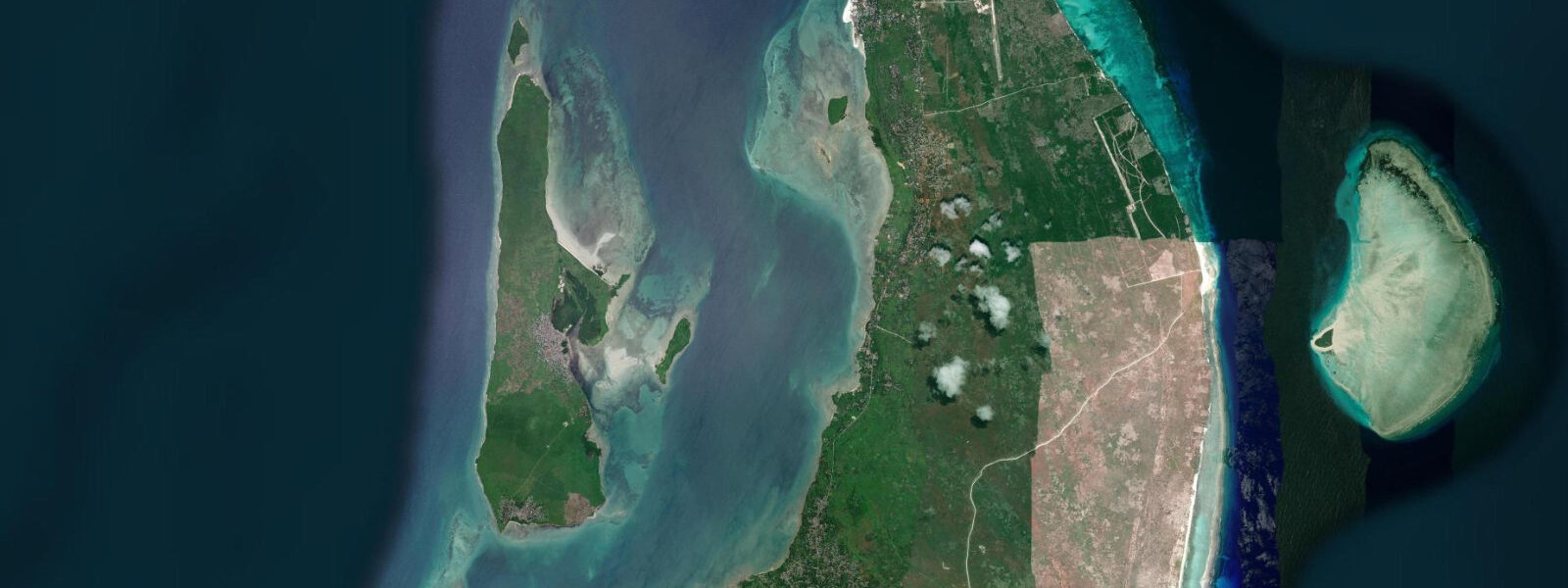
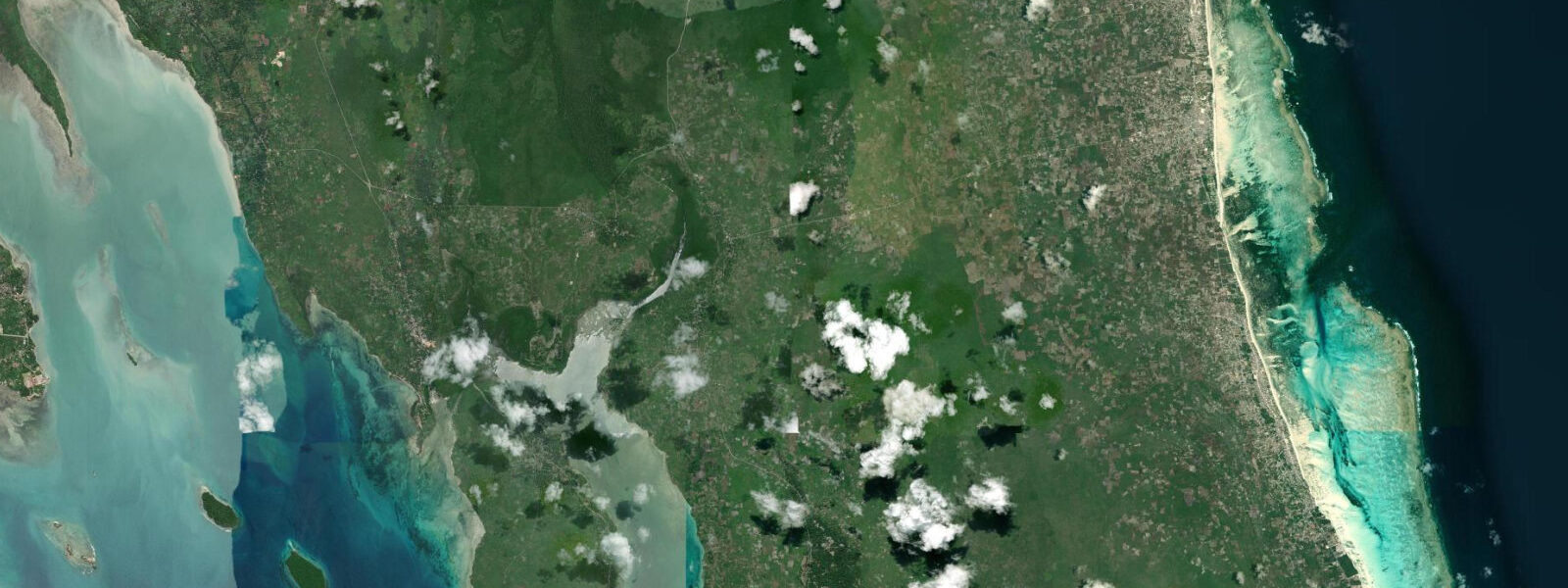
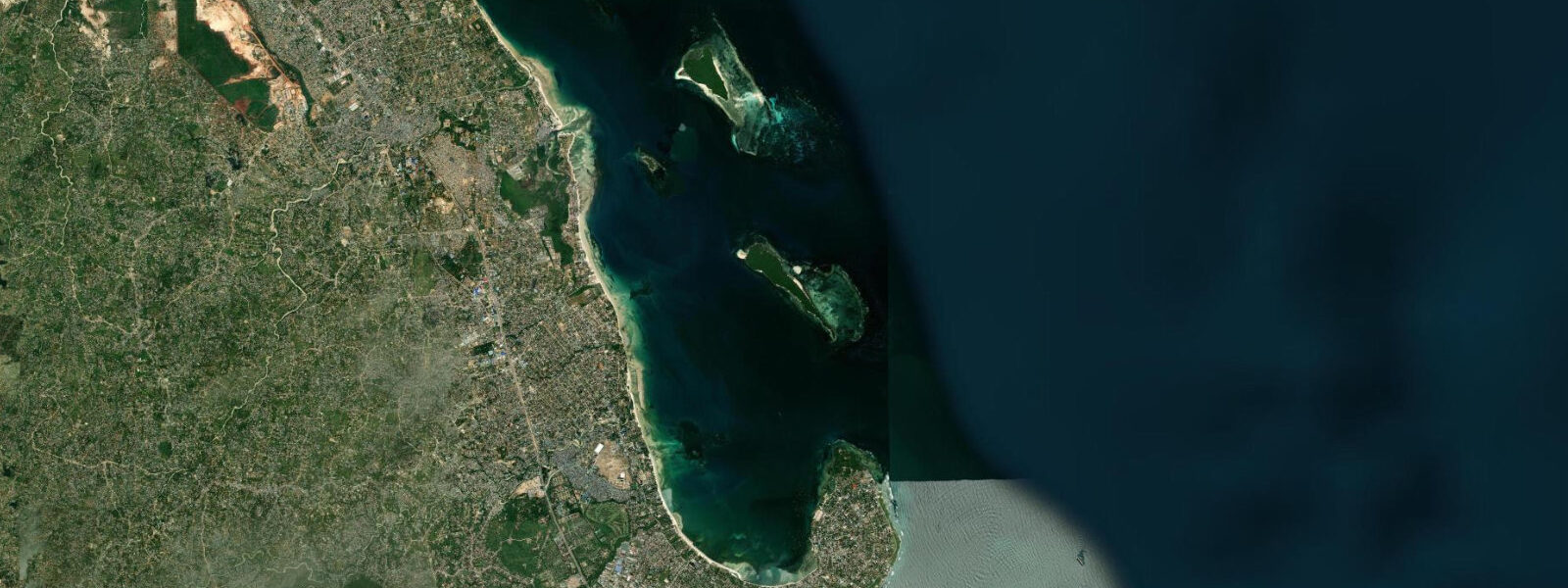
The three closest curated TideTurtle locations to Kendwa, measured by great-circle distance.
Today's solunar windows
Solunar tradition: major periods are the ≈3h windows around moon transit and opposition; minor are ≈2h around moonrise and moonset. Pair with the local tide stage and wind for the best read.
Cycle dates near Kendwa
Last spring tide on Tue 04 Aug (range 2.8m). Next spring tide on Mon 10 Aug (range 2.6m). Next neap on Sat 08 Aug.
Spring tides cluster around new and full moons (biggest swings). Neap tides land on quarter moons (smallest swings). See the spring tide and neap tide glossary entries for the why.
About tides at Kendwa
A short guide to the coastline at Kendwa — geography, sea state, and what the tide is actually doing under your feet.
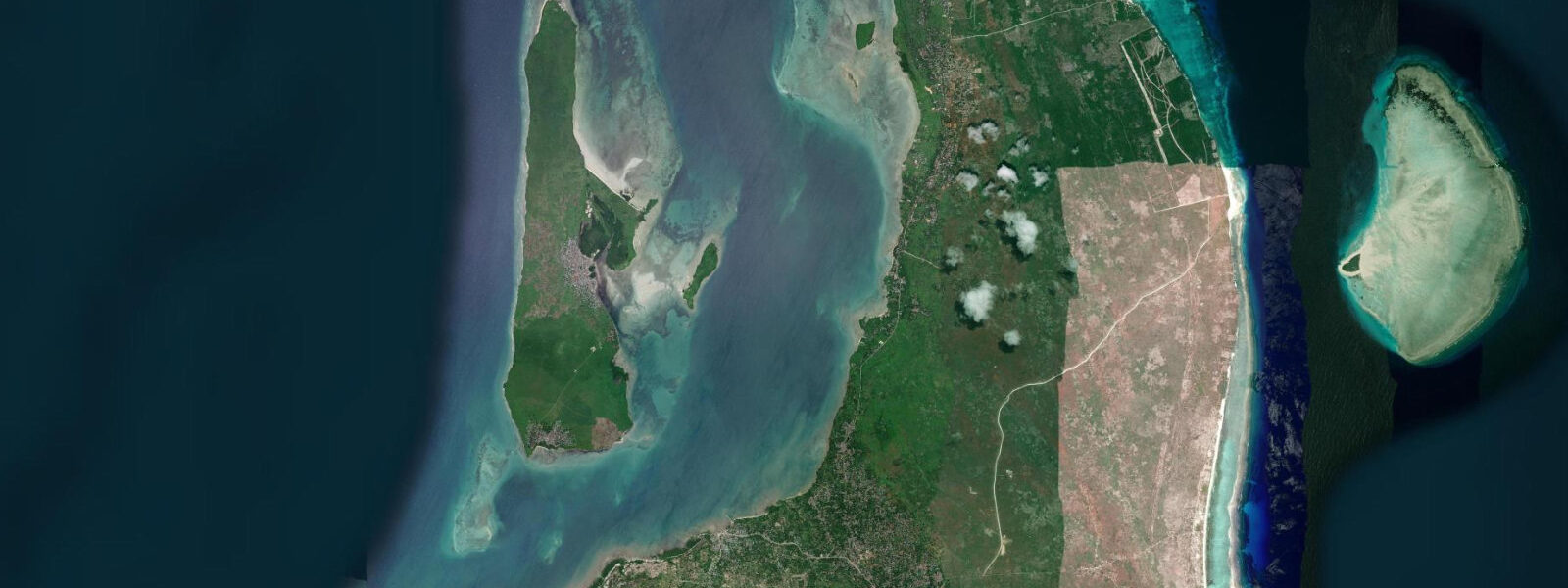
Kendwa is a small beach settlement 3 kilometres south of Nungwi along the northwestern coast of Zanzibar, separated from its more visited neighbour by a rocky headland that is impassable on foot at high water and walkable at low water only with care. The two settlements are connected by water taxi — a 10-minute boat run — or by the road that loops inland through the village of Matemwe wa Ngome before returning to the coast. The difference in feel between Nungwi and Kendwa is significant despite the short distance: Kendwa's beach runs north-south along a sheltered bay, faces west toward the Zanzibar Channel and the Tanzanian mainland, and is protected from the full Indian Ocean swell by the curve of the headland.
The tidal range at Kendwa mirrors Nungwi: spring range 3.0 to 3.5 metres, neap range around 1.5 metres, with the same semidiurnal regime and diurnal inequality. The beach expression of this range is different from Nungwi, however, because the reef at Kendwa sits further offshore. Rather than a hard reef flat exposing close to the beach, Kendwa's low water reveals a wide sandy beach gradient that widens steadily toward a distant reef edge — the beach grows in width rather than transforming into a rock-and-rubble flat. This makes Kendwa's low water a comfortable swimming and beach-walking condition rather than a reef-walking expedition.
Kendwa is known internationally as the site of the full-moon beach parties that coincide with spring tides each lunar month. The logic is direct: the full moon drives the month's strongest spring tides, producing the highest high waters and the lowest low waters of the lunar cycle. At full moon the spring high water at Kendwa reaches its peak — the beach narrows to its minimum width at high water — but by midnight, as the party is in full swing, the tide has typically turned and is ebbing. The widening beach through the night is part of the event's rhythm, though most participants are not tracking the tidal curve explicitly. The full moon also provides natural light, which is relevant on a beach without extensive artificial lighting beyond the bar areas.
Swimming conditions at Kendwa are among the most consistent on Zanzibar's western coast. The bay's sheltered orientation means swell from the open Indian Ocean is largely absorbed by the headland before reaching the beach; the Zanzibar Channel itself, while exposed to the northerly kaskazi winds in December to March, tends to have shorter, steeper chop rather than long groundswell. At low water the swimming depth from the beach is shallower — chest-to-shoulder depth at 50 metres from the waterline — while at high water the water is deeper closer in and the beach is narrower. Neither state is particularly dangerous for competent swimmers, but children and non-swimmers should note that the tidal current running along the bay can reach 0.5 to 1 knot at springs and can sweep a swimmer along the beach.
Kayaking and stand-up paddleboarding are available from the beach hotels. The most comfortable paddling conditions are at low to mid-water on a rising flood tide: the bay is flat, the wind is typically light in the morning, and the tidal current runs northward (toward Nungwi) rather than against the paddler. The 3-kilometre paddle from Kendwa to Nungwi is possible on the incoming tide; the return is assisted on the ebb. Sunset paddling from mid-afternoon is popular and the western orientation means the beach faces directly into the sun's path toward the horizon — the light on the water from 17:00 onward is sharp and warm regardless of tidal state.
Photographers working the beach note that the best light falls in the late afternoon from roughly 16:30 onward, when the sun is low over the Tanzanian coast across the channel. Low spring tides in the late afternoon produce the widest wet sand and the longest mirror-reflections of the sky — the flat damp sand between the receding waterline and the beach-grass fringe holds the colour of the sky for 20 to 30 minutes before the light drops. The full-moon spring low on an afternoon tide is the rarest and best combination.
Tide predictions for Kendwa come from Open-Meteo Marine, a gridded global ocean model. The typical accuracy envelope is plus or minus 45 minutes on timing and 0.2 to 0.3 metres on height. Authoritative Zanzibar tidal data is published by the Zanzibar Meteorological Agency (ZMA). These predictions are not for navigation.
Tide questions about Kendwa
Quick answers to the most common questions about tide times, range, and water access at Kendwa.
Why does the full moon party at Kendwa happen at spring tide?
Full moon and spring tides are directly linked: the gravitational alignment of the sun, Earth, and moon at full moon (and new moon) produces the month's strongest tidal range — the highest high waters and lowest low waters of the lunar cycle. At Kendwa, spring range runs 3.0 to 3.5 metres. The full moon spring high water produces the narrowest beach of the month, while the ebb through the night gradually widens the beach as the party progresses. The full moon also provides natural light on an otherwise dark beach. These parties typically coincide with the highest predicted high water of the month, which falls within 24 to 48 hours of the astronomical full moon — check the tide chart on this page for the month's peak spring high water time.
Can I walk from Kendwa to Nungwi along the beach?
At low water, yes — the rocky headland between the two beaches exposes enough to pick a careful route around the rocks, and the walk takes 30 to 45 minutes. At mid to high water, the headland is covered and the beach route is impassable; the water taxi (10 minutes by boat) or the inland road are the alternatives. The low-water window for the beach walk is roughly centred on the predicted low water time shown on this page, with a usable window of about 2 hours either side at springs (the window is narrower at neaps when the low-water level is higher). Time the walk to arrive at the headland within 1 hour of low water to be safe.
Is Kendwa beach suitable for children at any tidal state?
Kendwa is one of the calmer beaches on Zanzibar's western coast, sheltered from open-ocean swell by the Nungwi headland. At low water, the beach is wide and the water is shallower close to shore — chest depth at 50 metres for an adult — which suits young children who want to wade and play in the shallows. At high water, the beach narrows and the water is deeper closer in, which is less suitable for very young children without close supervision. The main caution at any tidal state is the tidal current running along the bay, which can reach 0.5 to 1 knot at spring tides and can carry an unsupervised child along the beach. Keep children well within the water-taxi buoy line and supervise in moving water.
What is the best time for sunset photography at Kendwa?
Kendwa faces west across the Zanzibar Channel toward the Tanzanian mainland, so the sunset falls directly over the water — a clean horizon view from 17:00 onward. The best light runs from roughly 30 minutes before sunset to 10 minutes after, when the low sun colour is strongest and the sky-to-water reflection is sharpest. Low spring tides in the late afternoon produce the widest flat wet sand — the damp beach gradient between the waterline and the dry sand reflects the sky like a mirror for 20 to 30 minutes around the turning of the tide. The combination of a spring low falling between 16:30 and 18:30 local time is the most productive condition; check the predicted low water time on this page and compare to sunset (roughly 18:20 to 18:35 year-round at this latitude).
Where do the tide predictions for Kendwa come from?
Open-Meteo Marine, a gridded global ocean model that estimates tidal height across a geographic grid rather than calculating from local tide gauge harmonics. Accuracy is typically plus or minus 45 minutes on timing and 0.2 to 0.3 metres on height. The 3.0 to 3.5 metre spring range at Kendwa means the height uncertainty is a manageable fraction of the total range, but the timing uncertainty matters for planning beach walks to the Nungwi headland or timing a water-taxi pickup. For authoritative tide times, the Zanzibar Meteorological Agency (ZMA) publishes tide tables for Zanzibar waters. These predictions are not for navigation or vessel operations.
8-day tide table — Kendwa
Heights relative to MSL. Predictions: Open-Meteo Marine (MeteoFrance SMOC, 0.08° grid) — heights relative to MSL (not chart datum / LAT). Model-derived.
| Day | Type | Time | Height |
|---|---|---|---|
| Tue 04 Aug | Low | 03:00 | -0.0m |
| High | 06:51 | 1.9m | |
| Low | 13:00 | -0.8m | |
| High | 19:02 | 1.7m | |
| Wed 05 Aug | Low | 01:09 | -0.9m |
| High | 19:42 | 1.4m | |
| Thu 06 Aug | Low | 01:45 | -0.6m |
| High | 08:16 | 1.7m | |
| Low | 14:40 | -0.4m | |
| High | 20:33 | 1.1m | |
| Fri 07 Aug | Low | 02:33 | -0.4m |
| High | 09:22 | 1.5m | |
| Low | 16:05 | -0.2m | |
| High | 21:57 | 0.8m | |
| Sat 08 Aug | Low | 04:00 | -0.2m |
| High | 11:01 | 1.4m | |
| Low | 18:00 | -0.2m | |
| Sun 09 Aug | High | 00:02 | 0.8m |
| Low | 05:51 | -0.2m | |
| High | 12:46 | 1.5m | |
| Low | 19:33 | -0.4m | |
| Mon 10 Aug | High | 01:36 | 1.0m |
| Low | 07:22 | -0.4m | |
| High | 13:56 | 1.9m | |
| Low | 20:32 | -0.7m | |
| Tue 11 Aug | High | 02:00 | 1.3m |