Nungwi tide times
Nungwi tide forecast — heights relative to MSL.
Today's tide times for Nungwi
Tide times at Nungwi on Tuesday, 4 August 2026: first low tide at 03:00am, first high tide at 06:50am, second low tide at 12:59pm, second high tide at 07:00pm. Sunrise 06:32am, sunset 06:25pm.
Tide chart for Nungwi
24-hour cosine-interpolated curve around the present moment. Heights relative to MSL. Predictions: Predictions: Open-Meteo Marine (MeteoFrance SMOC, 0.08° grid).
Sun, moon and conditions on Tue 04 Aug
Snapshot at build time — refreshes daily. Sea state from Open-Meteo Marine.
Highs and lows next 7 days
Every predicted high and low for the next week, with the daily tidal coefficient (0–120; higher = bigger swing, > 95 means stronger currents).
Other spots nearby
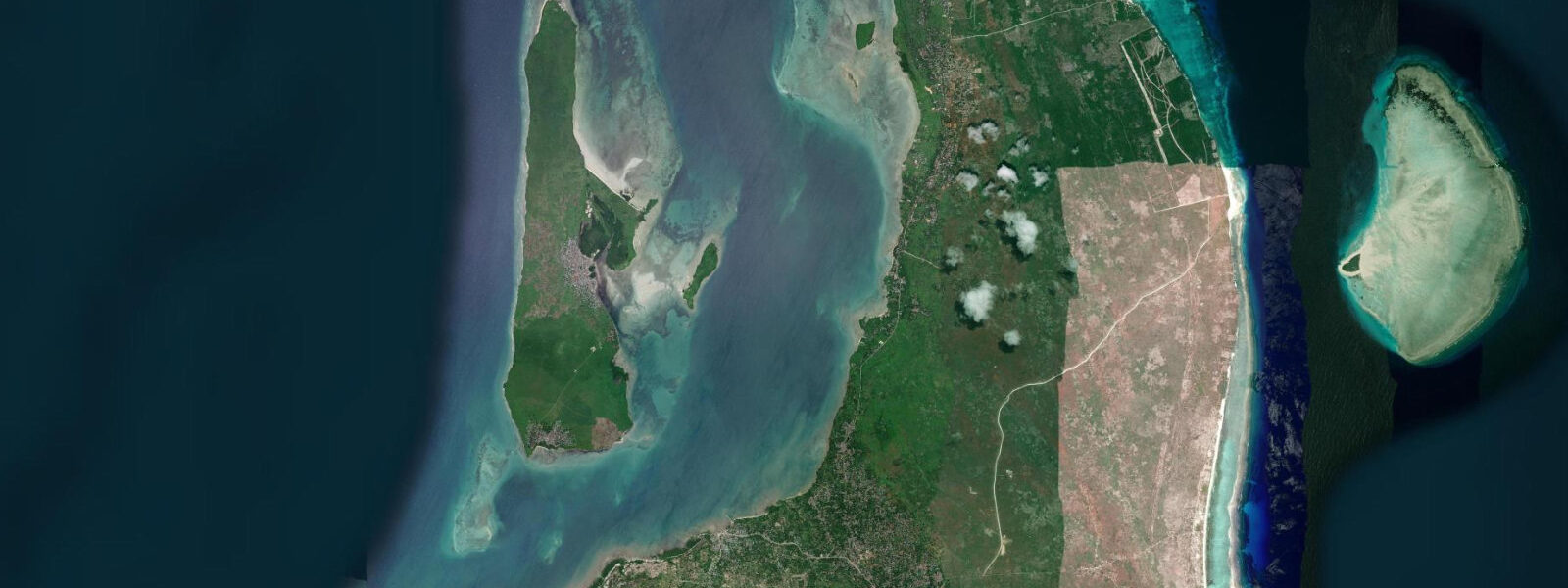
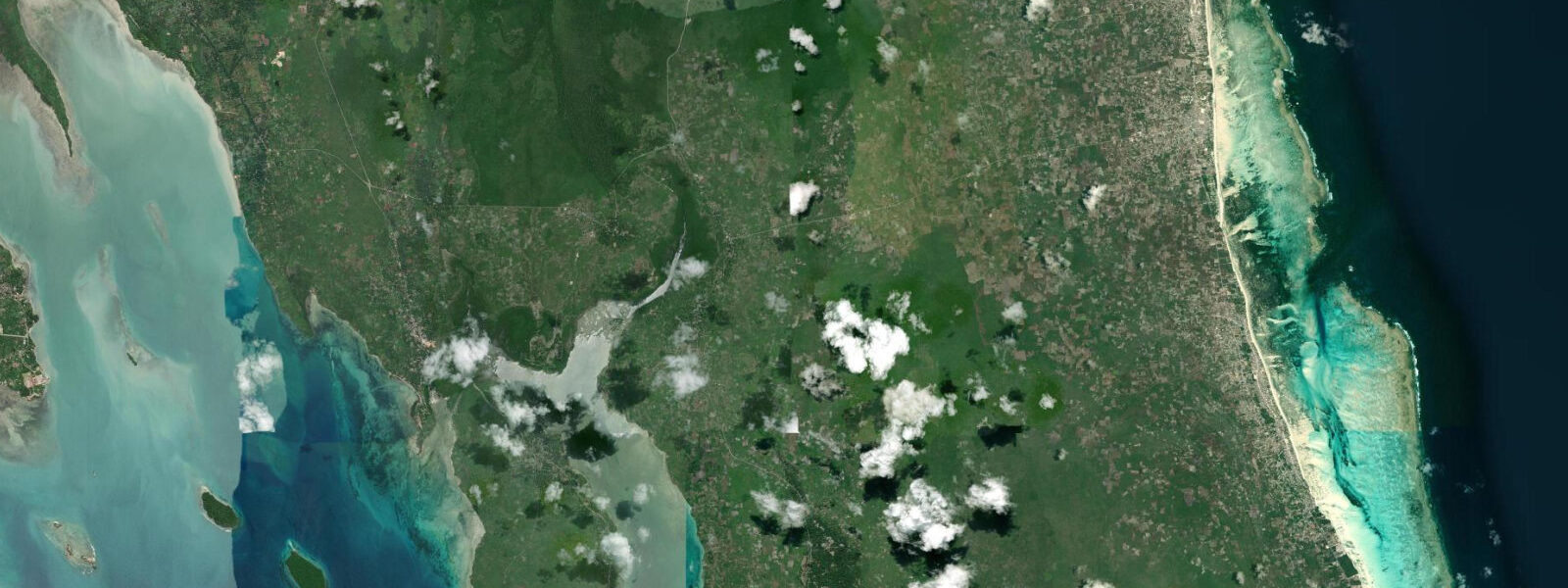
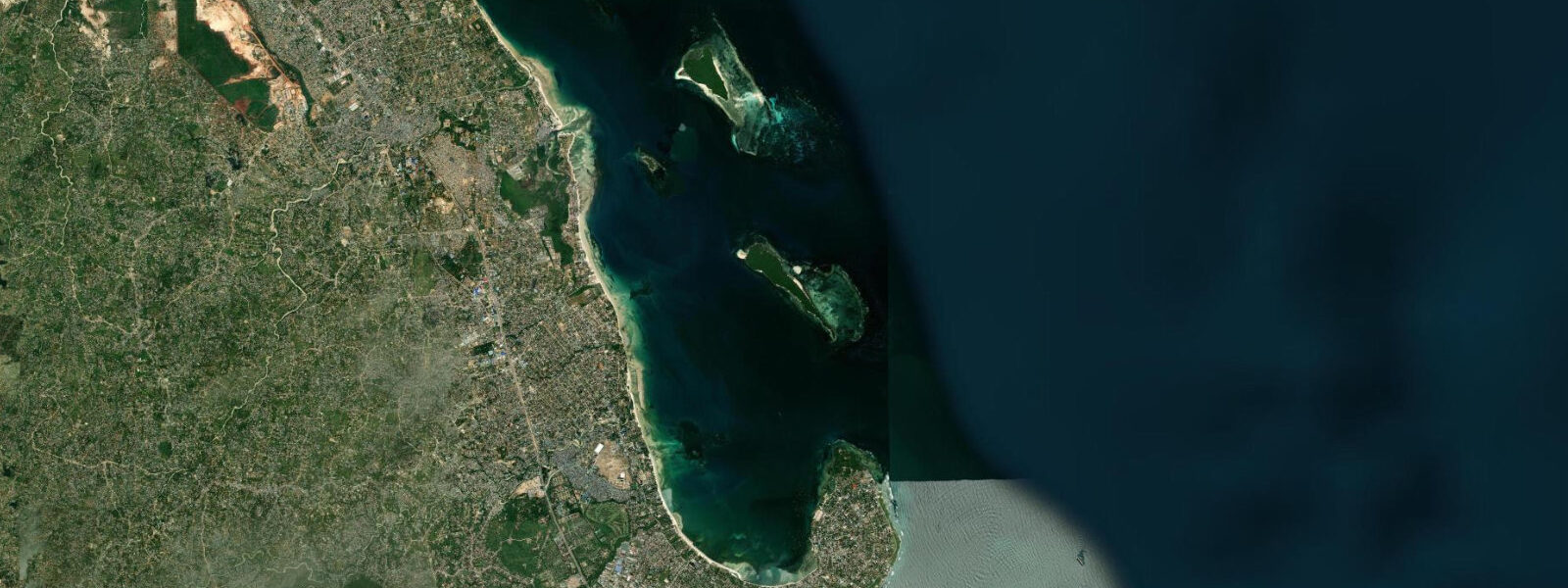
The three closest curated TideTurtle locations to Nungwi, measured by great-circle distance.
Today's solunar windows
Solunar tradition: major periods are the ≈3h windows around moon transit and opposition; minor are ≈2h around moonrise and moonset. Pair with the local tide stage and wind for the best read.
Cycle dates near Nungwi
Last spring tide on Tue 04 Aug (range 2.7m). Next spring tide on Mon 10 Aug (range 2.5m). Next neap on Sat 08 Aug.
Spring tides cluster around new and full moons (biggest swings). Neap tides land on quarter moons (smallest swings). See the spring tide and neap tide glossary entries for the why.
About tides at Nungwi
A short guide to the coastline at Nungwi — geography, sea state, and what the tide is actually doing under your feet.
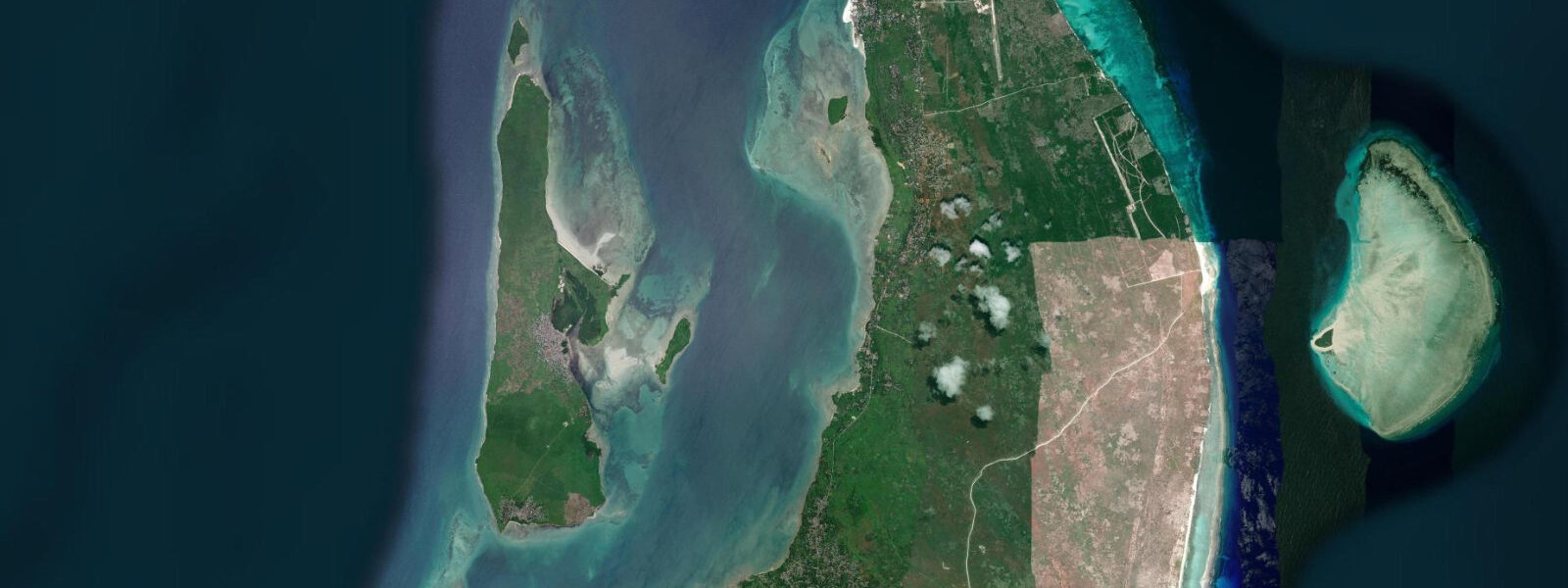
Nungwi occupies the northern tip of Zanzibar's Unguja Island, the point where the sheltered Zanzibar Channel on the west meets the open Indian Ocean on the east. The headland curves enough that the main beach faces north-northwest, which gives it a double character: calmer water in the morning when the onshore breeze is light, and afternoon colour as the sun drops toward the Tanzanian mainland across the channel. The reef flat extends north and east of the village.
The tidal range at Nungwi is among the most dramatic anywhere on the East African coast. Spring range typically runs 3.0 to 3.5 metres between high and low water; at neap tides the range compresses to around 1.5 metres but remains clearly visible. At low spring water, the reef flat north of the village exposes for 400 metres or more — wide enough that the distant edge is a hazy white line rather than a visible transition. By high water, 3.0 to 3.5 metres of additional water covers that same flat and the beach narrows to a steep strip of sand at the foot of the beach bars. The tidal cycle at Nungwi runs on a roughly 6-hour-and-12-minute rhythm between the two daily highs, with the diurnal inequality meaning one high is typically 0.2 to 0.4 metres taller than the other in the same day.
The most visible human expression of this tidal range is the morning low-water harvest. At spring low tides, local women — mostly from the fishing villages to the south of the beach — wade out across the exposed reef flat at first light to collect sea urchins, shellfish, and octopus from the rock pools and coral rubble. The harvest window is tide-dependent: it opens when the flat is exposed enough to walk safely and closes when the flood tide reaches knee depth, typically a window of 2 to 3 hours centred on low water. This is subsistence and small-scale commercial fishing of the oldest pattern on this coast, and it is governed entirely by the tide table rather than by market hours or weather.
At the eastern end of Nungwi beach, the traditional dhow-building yard is one of the last active wooden boat yards in East Africa. Ngalawa outriggers (the small double-outrigger fishing canoes used all along this coast) and jahazi ocean dhows (the larger lateen-rigged vessels that trade between Zanzibar, the Tanzanian mainland, and sometimes as far as Mozambique) are built and repaired here in a yard that operates on tidal logic. The heavy timber hulls are moved to and from the water only at specific tidal states — a full low spring leaves the boats stranded too far from the water to launch without a large team; a full high spring reduces the working space on the beach. The yard works in the tide window between these extremes, typically launching or hauling out in the last 2 hours of flood or the first 2 hours of ebb, when depth is sufficient and the slope of the beach is workable.
For snorkellers and reef walkers, the tidal state determines which part of the reef is accessible. At low water, the exposed flat is wide and some of the shallow pools hold interesting marine life — but the coral immediately below low-water mark is in the most active zone and snorkelling over it requires caution to avoid contact with the bottom in the swell. At mid-flood and high water, the flat is submerged to 1.5 to 3 metres and the snorkelling improves: the coral is covered, the fish are more active, and the visibility through the water column is typically clearer than in the surf-disturbed shallows of the very low-water period. The best snorkelling window at Nungwi is roughly 2 hours after low water through to 2 hours before the next low — the rising-to-high-to-early-ebb window when depth is adequate and water clarity is at its best.
Shore anglers work the rock outcrops at the eastern headland on the incoming tide, targeting snapper (lutjanidae species), grouper, and the occasional kingfish running the reef edge. The flood tide from 2 hours before low water through to mid-flood is locally considered the most productive window, as the incoming water pushes baitfish into the reef crevices and larger predators follow. The angler tradition that rates fishing by solunar periods (moon transits) adds a secondary layer for serious anglers; the TideTurtle tide page shows these periods alongside the tidal curve.
Tide predictions for Nungwi come from Open-Meteo Marine, a gridded global ocean model. Accuracy is typically plus or minus 45 minutes on timing and 0.2 to 0.3 metres on height. The Zanzibar Meteorological Agency (ZMA) is the authoritative local source for Zanzibar tidal data; for any activity where precise timing or height matters — boat launches, reef crossings, or the low-water harvest window — cross-check with ZMA's published tide tables.
Tide questions about Nungwi
Quick answers to the most common questions about tide times, range, and water access at Nungwi.
What is the tidal range at Nungwi?
Spring tidal range at Nungwi is typically 3.0 to 3.5 metres, measured between low and high water. Neap range is approximately 1.5 metres. The regime is semidiurnal with diurnal inequality — two highs and two lows each day, but one of each pair is slightly higher or lower than the other. At spring low water the reef flat north of the village exposes for roughly 400 metres from the beach edge. At spring high water, 3.0 to 3.5 metres of additional depth covers that same flat and the beach narrows considerably. Predictions on this page come from Open-Meteo Marine, a gridded global ocean model; accuracy is typically plus or minus 45 minutes on timing and 0.2 to 0.3 metres on height. The Zanzibar Meteorological Agency (ZMA) publishes authoritative local tide tables.
When is the best time to snorkel at Nungwi?
The best snorkelling window at Nungwi is from roughly 2 hours after low water through to 2 hours before the following low — the rising, high, and early-ebb period when the reef flat is submerged to at least 1.5 metres and water clarity is at its best. At low water, the flat is too shallow and the swell-disturbed bottom reduces visibility. At high water, depths over the inner reef reach 2 to 3 metres and the coral is fully active. The outer reef drop-off accessible by boat is diveable at any tidal state, though the incoming flood tide generally produces clearer water than the tail end of the ebb. Check the predicted low water time on this page and add 2 hours to find the snorkelling window.
Is Nungwi beach affected by the tides?
Yes, significantly. The 3.0 to 3.5 metre spring range at Nungwi produces one of the most visible tidal transformations on the Zanzibar coast. At spring low water, the reef flat north of the beach exposes for 400 metres; the waterline recedes far from the beach bars and the beach widens into a firm, walkable flat. At high water, the same flat is 3 metres deep and the beach narrows to a steep strip of sand. The daily timing of this transformation shifts by approximately 50 minutes per day across the lunar cycle; the narrow beach window at spring high tide arrives at a different clock time each day. For beach planning, check the predicted high water time and aim for the 2-hour window before low water when the beach is widest and the flat is at its most accessible.
Where do the tide predictions on this page come from?
Open-Meteo Marine, a free gridded global ocean model that estimates tidal height from a geographic grid rather than from harmonic analysis of a local tide gauge. The typical accuracy envelope is plus or minus 45 minutes on timing and 0.2 to 0.3 metres on height. Given the 3.0 to 3.5 metre spring range at Nungwi, the height uncertainty is a modest fraction of the range — but the timing uncertainty of 45 minutes is consequential when planning a low-water reef walk that has a 2- to 3-hour window. For authoritative tide times, the Zanzibar Meteorological Agency (ZMA) publishes local tide tables. These predictions are not for navigation.
Is Nungwi good for shore fishing, and when should I go?
Nungwi produces good reef-edge shore fishing for snapper, grouper, and occasional kingfish. The most productive window is the incoming flood tide — from roughly 2 hours before low water through mid-flood — when the rising water pushes baitfish into the reef crevices and larger predators follow the current along the reef edge. The rock outcrops at the eastern headland, accessible on foot at low water, are the main shore-fishing platform; fish the rising tide from those rocks as the water comes back in. Barracuda are sometimes taken from the beach on lures during the ebb. The angler tradition that rates fishing days by solunar periods — major periods when the moon transits overhead or underfoot — adds a secondary filter; major periods during the incoming tide window are generally rated highest by local anglers.
8-day tide table — Nungwi
Heights relative to MSL. Predictions: Open-Meteo Marine (MeteoFrance SMOC, 0.08° grid) — heights relative to MSL (not chart datum / LAT). Model-derived.
| Day | Type | Time | Height |
|---|---|---|---|
| Tue 04 Aug | Low | 03:00 | -0.0m |
| High | 06:50 | 1.9m | |
| Low | 12:59 | -0.8m | |
| High | 19:00 | 1.7m | |
| Wed 05 Aug | Low | 01:08 | -0.8m |
| High | 07:28 | 1.8m | |
| Low | 13:42 | -0.6m | |
| High | 19:41 | 1.4m | |
| Thu 06 Aug | Low | 01:44 | -0.6m |
| High | 08:15 | 1.6m | |
| Fri 07 Aug | Low | 02:33 | -0.4m |
| High | 09:22 | 1.4m | |
| Low | 16:06 | -0.2m | |
| High | 21:55 | 0.8m | |
| Sat 08 Aug | Low | 03:58 | -0.2m |
| High | 11:00 | 1.3m | |
| Low | 18:00 | -0.1m | |
| Sun 09 Aug | High | 00:02 | 0.8m |
| Low | 05:50 | -0.1m | |
| High | 12:45 | 1.5m | |
| Low | 19:36 | -0.4m | |
| Mon 10 Aug | High | 01:39 | 1.0m |
| Low | 07:21 | -0.4m | |
| High | 13:56 | 1.8m | |
| Low | 20:34 | -0.7m | |
| Tue 11 Aug | High | 02:00 | 1.3m |