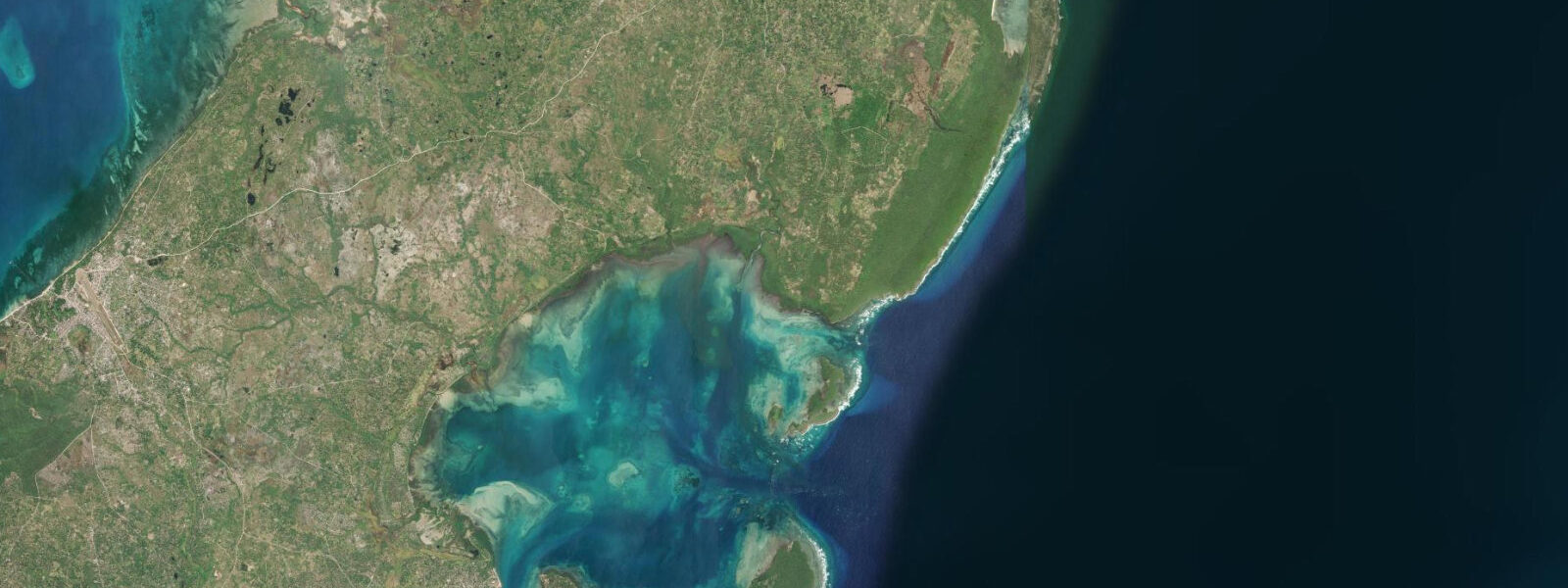
Mafia Island tide times
Mafia Island tide forecast — heights relative to MSL.
Today's tide times for Mafia Island
Tide times at Mafia Island on Tuesday, 4 August 2026: first low tide at 03:00am, first high tide at 06:49am, second low tide at 12:58pm, second high tide at 07:01pm. Sunrise 06:33am, sunset 06:20pm.
Tide chart for Mafia Island
24-hour cosine-interpolated curve around the present moment. Heights relative to MSL. Predictions: Predictions: Open-Meteo Marine (MeteoFrance SMOC, 0.08° grid).
Sun, moon and conditions on Tue 04 Aug
Snapshot at build time — refreshes daily. Sea state from Open-Meteo Marine.
Highs and lows next 7 days
Every predicted high and low for the next week, with the daily tidal coefficient (0–120; higher = bigger swing, > 95 means stronger currents).
Other spots nearby
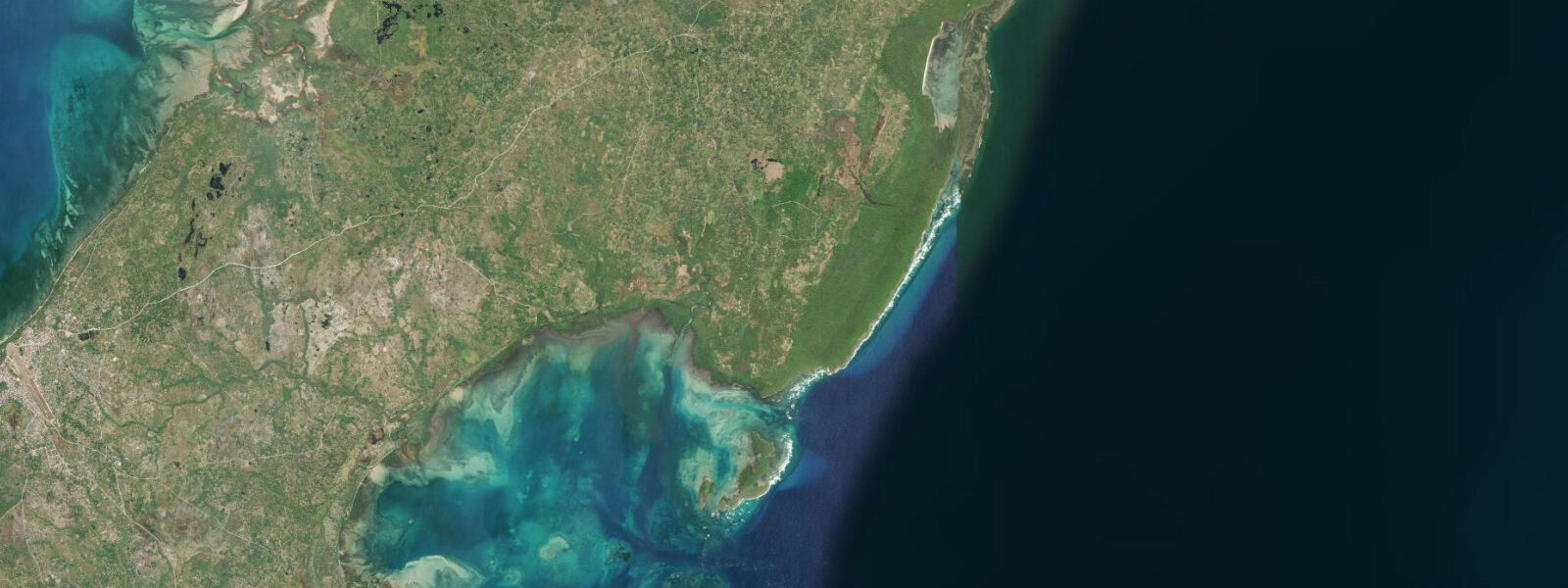
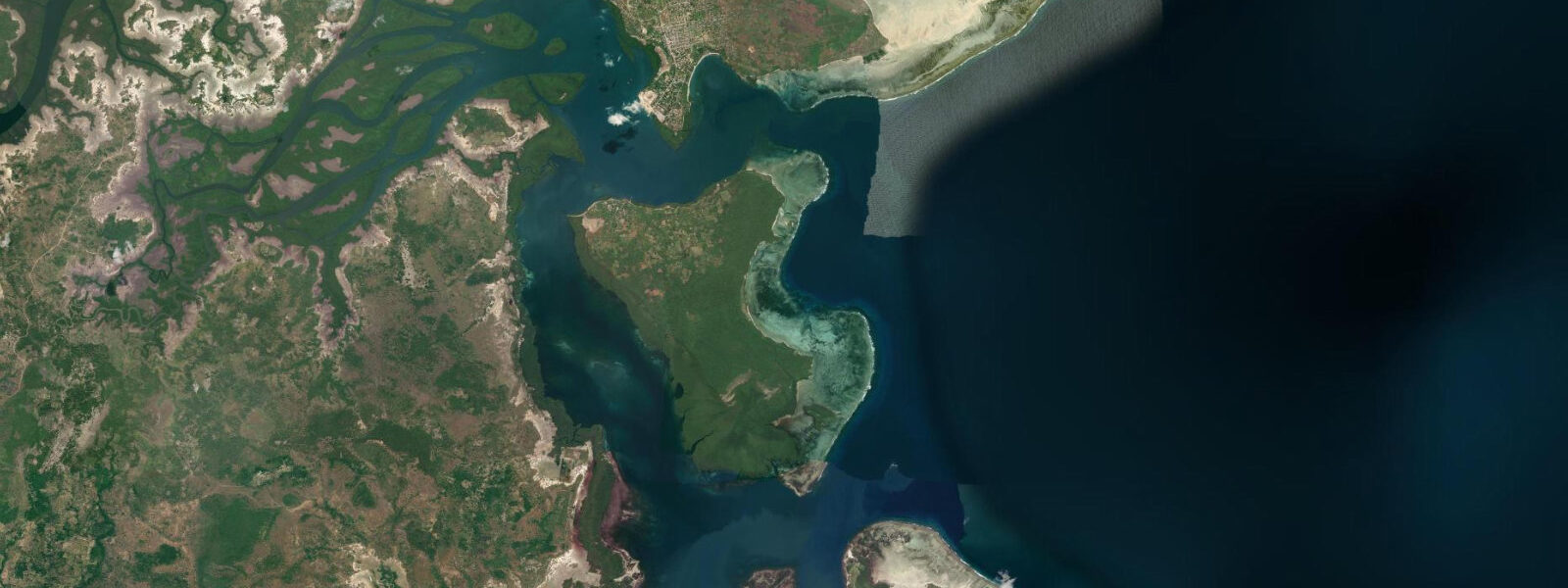
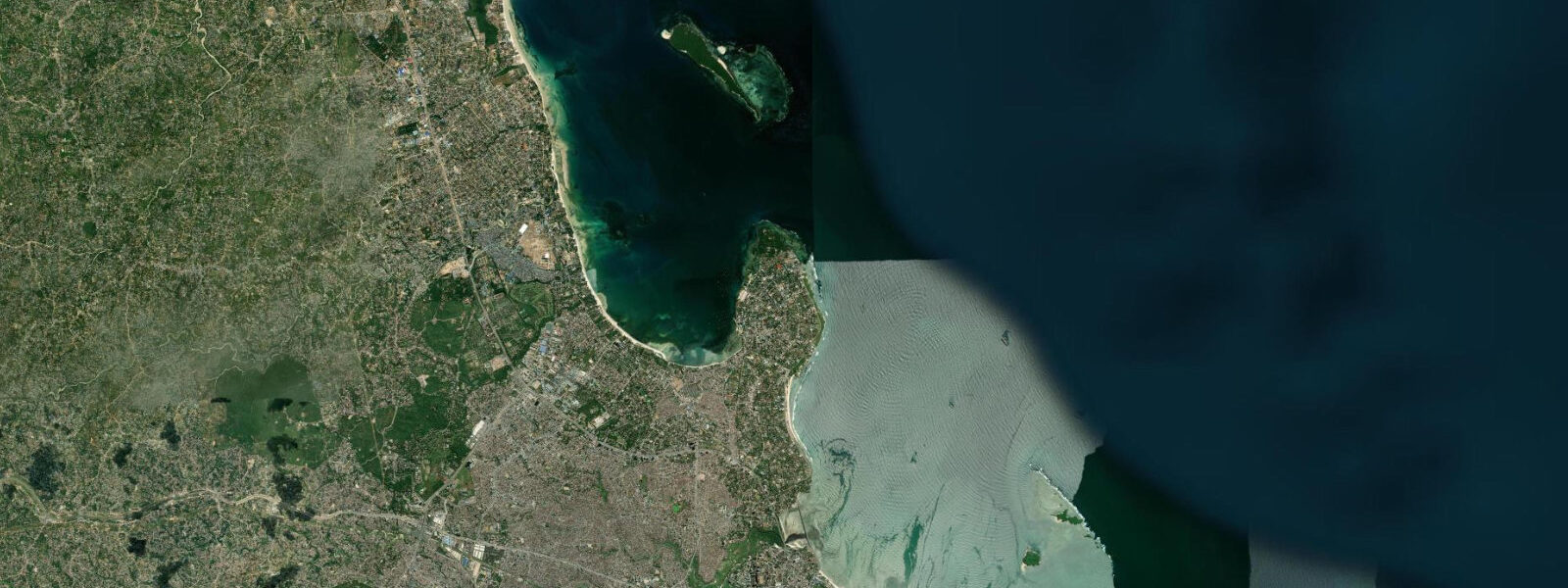
The three closest curated TideTurtle locations to Mafia Island, measured by great-circle distance.
Today's solunar windows
Solunar tradition: major periods are the ≈3h windows around moon transit and opposition; minor are ≈2h around moonrise and moonset. Pair with the local tide stage and wind for the best read.
Cycle dates near Mafia Island
Last spring tide on Tue 04 Aug (range 2.7m). Next spring tide on Mon 10 Aug (range 2.4m). Next neap on Sat 08 Aug.
Spring tides cluster around new and full moons (biggest swings). Neap tides land on quarter moons (smallest swings). See the spring tide and neap tide glossary entries for the why.
About tides at Mafia Island
A short guide to the coastline at Mafia Island — geography, sea state, and what the tide is actually doing under your feet.
Mafia Island Marine Park protects one of East Africa's last largely intact coral reef systems. The island sits in the Indian Ocean roughly 120 kilometres south of Dar es Salaam, accessible by a 30-minute light aircraft flight or an 8-hour slow boat crossing. It does not appear on most standard Tanzania itineraries — the country's tourism infrastructure is oriented around northern safari circuits and Zanzibar — which is precisely why the reef is in the condition it is.
The marine park, gazetted in 1995, covers 822 square kilometres including reef flat, deep reef wall, seagrass beds, mangrove, and open channel. 5 metres, exposing the reef flat significantly at low water and creating substantial tidal current in the channels between the islands. For divers and snorkellers, tide determines where and when you go in the water.
The reef at Mafia is best accessed at mid-to-high tide, when sufficient water covers the flat and sedimentation from tidal outflow is minimal. The dive sites on the outer reef wall can be accessed across a broader tidal window, but boat passage across the reef requires high water. Local dive operators at Kilindoni and Utende plan their schedules around the tide, and their knowledge of the current patterns on specific sites is highly specific and reliable.
Between October and February, whale sharks aggregate in Kilindoni Bay on the island's northern side. The aggregation is driven by plankton blooms associated with the onset of the northeast monsoon and the seasonal upwelling that follows. Mafia is one of the most reliable whale shark locations in the western Indian Ocean — a long swim or snorkel in open water, not a reef dive, as the sharks cruise the surface or mid-water column in the bay.
Sightings are not guaranteed on any given day, but the aggregation season is well-documented and the whale shark operator community at Mafia has years of encounter data. Swimming with whale sharks is permitted under Tanzania National Parks (TANAPA) and WWF guidelines; touching is not. Chole Mjini, the medieval ruins of a 19th-century Arab town on adjacent Chole Island, is accessible by short boat crossing from Mafia.
The ruins are genuinely substantial — multiple building footprints, coral-rag walls, and a baobab-colonised citadel — set inside a community-run canopy camp that is one of the more architecturally interesting places to stay on the East African coast. Chole Island is tidal; the crossing from Mafia's main settlement takes 10 minutes by local boat at any state of tide. For anglers, the offshore waters beyond the marine park boundary hold yellowfin tuna, dorado, wahoo, and occasional billfish.
Charter fishing from Mafia is possible but limited in operator capacity. Inside the marine park, fishing by visitors is not permitted; the park is managed for conservation, not sport fishing. Photography conditions on the outer reef wall are good year-round — visibility runs 15 to 25 metres in the northeast monsoon season, slightly lower in the southeast monsoon (June-September) when ocean mixing increases.
Macro subjects on the reef flat include nudibranchs, flatworms, and decorator crabs that are easier to find at low water when reef structure is exposed and accessible at surface. Predictions on this page come from Open-Meteo Marine, a gridded global ocean model. 3 metres on height — model-derived, not from a local gauge.
The national authorities are the Tanzania Meteorological Authority (TMA) and Tanzania Ports Authority; the Zanzibar gauge provides the nearest long-term tidal reference.
Tide questions about Mafia Island
Quick answers to the most common questions about tide times, range, and water access at Mafia Island.
When do whale sharks appear at Mafia Island?
Whale sharks aggregate in Kilindoni Bay on Mafia Island's northern coast between October and February, with peak activity typically in November and December at the height of the northeast monsoon. The aggregation is linked to plankton blooms and seasonal upwelling. This is an open-water snorkel experience — the sharks cruise the bay surface and mid-water, not the reef flat. Operators at Kilindoni and Utende run morning trips with good surface conditions; afternoon wind tends to chop the water. No encounter is guaranteed on any individual day, but the aggregation period is consistent from year to year.
How do I get to Mafia Island from Dar es Salaam?
The standard approach is a 30-minute light aircraft flight from Dar es Salaam Julius Nyerere International Airport. Auric Air and Coastal Aviation both serve the route. Book well ahead in whale shark season (October-February) as capacity is limited. A slow ferry from Dar es Salaam runs approximately weekly and takes around 8 hours — practical for freight or for travellers with flexibility on timing. There is no road crossing. Most accommodation on Mafia is at Utende on the eastern side or Kilindoni town; both have airstrip access.
What is the best time to dive or snorkel at Mafia Island Marine Park?
The northeast monsoon season (October to March) generally brings better visibility — 15 to 25 metres on the outer reef wall. The southeast monsoon (June to September) increases ocean mixing and can reduce visibility, though diving continues. On any given day, the tide matters more than the season for reef flat access. Mid-to-high tide gives adequate depth over the shallow flat and reduces suspended sediment from tidal outflow; plan to enter the water in the two to three hours around high water for the clearest conditions on the inner reef. Outer reef wall dives are less tide-dependent.
What are the Chole Mjini ruins on Chole Island?
Chole Mjini (Chole Town) refers to the ruins of an Arab trading settlement on Chole Island, adjacent to Mafia. The ruins date primarily to the 19th century — a late phase of Swahili-Arab coastal commerce — and include substantial coral-rag building remains, an old fort structure, and several baobab trees that have grown through the walls over the past century. The ruins are managed within the grounds of a community-run canopy camp of the same name. A short boat crossing from Mafia reaches Chole at any state of tide; the island itself is small and walkable. The ruins can be visited on a day trip without staying at the camp.
Is fishing allowed inside Mafia Island Marine Park?
Recreational and sport fishing by visitors is not permitted inside the gazetted marine park boundary. The park is managed for conservation under Tanzania National Parks (TANAPA) and the marine park authority; fishing within the park requires a commercial or artisanal licence held by the local fishing community under managed access agreements. Offshore big-game fishing (yellowfin, wahoo, sailfish) is possible outside the park boundary, and a small number of charter operators based at Mafia can arrange trips. The park boundary is clearly defined on nautical charts and marked on operator maps.
8-day tide table — Mafia Island
Heights relative to MSL. Predictions: Open-Meteo Marine (MeteoFrance SMOC, 0.08° grid) — heights relative to MSL (not chart datum / LAT). Model-derived.
| Day | Type | Time | Height |
|---|---|---|---|
| Tue 04 Aug | Low | 03:00 | 0.0m |
| High | 06:49 | 1.9m | |
| Low | 12:58 | -0.7m | |
| High | 19:01 | 1.7m | |
| Wed 05 Aug | Low | 01:08 | -0.8m |
| High | 07:28 | 1.8m | |
| Low | 13:41 | -0.5m | |
| High | 19:39 | 1.4m | |
| Thu 06 Aug | Low | 01:46 | -0.6m |
| High | 08:13 | 1.7m | |
| Low | 14:36 | -0.3m | |
| High | 20:33 | 1.1m | |
| Fri 07 Aug | Low | 02:36 | -0.3m |
| High | 09:19 | 1.4m | |
| Low | 16:00 | -0.1m | |
| High | 21:53 | 0.8m | |
| Sat 08 Aug | Low | 03:55 | -0.1m |
| High | 10:58 | 1.3m | |
| Low | 18:00 | -0.1m | |
| Sun 09 Aug | High | 00:00 | 0.8m |
| Low | 05:51 | -0.1m | |
| High | 12:45 | 1.5m | |
| Low | 19:37 | -0.3m | |
| Mon 10 Aug | High | 01:40 | 1.0m |
| Low | 07:26 | -0.3m | |
| High | 13:58 | 1.8m | |
| Low | 20:36 | -0.7m | |
| Tue 11 Aug | High | 02:00 | 1.3m |