Sandhamn tide times
Sandhamn tide forecast — heights relative to MSL.
Today's tide times for Sandhamn
Tide times at Sandhamn on Tuesday, 4 August 2026: first low tide at 02:00. Sunrise 04:34, sunset 21:05.
Tide chart for Sandhamn
24-hour cosine-interpolated curve around the present moment. Heights relative to MSL. Predictions: Predictions: Open-Meteo Marine (MeteoFrance SMOC, 0.08° grid).
Sun, moon and conditions on Tue 04 Aug
Snapshot at build time — refreshes daily. Sea state from Open-Meteo Marine.
Highs and lows next 7 days
Every predicted high and low for the next week, with the daily tidal coefficient (0–120; higher = bigger swing, > 95 means stronger currents).
Other spots nearby
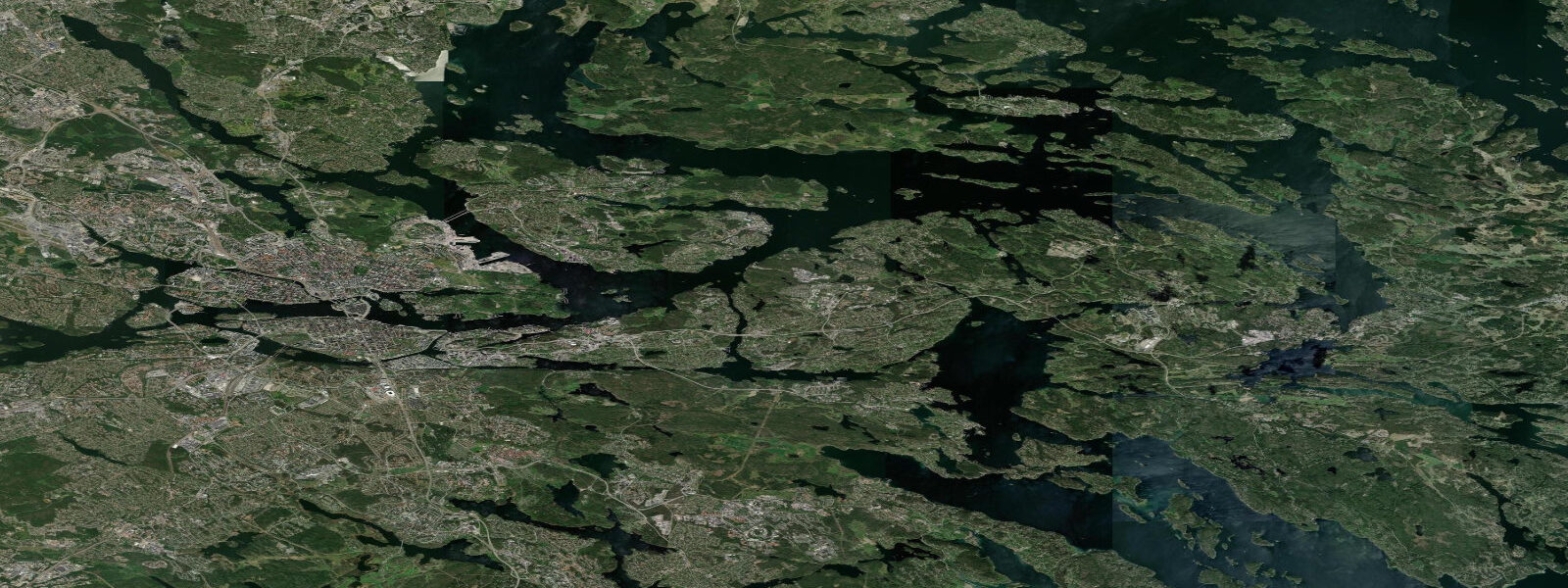
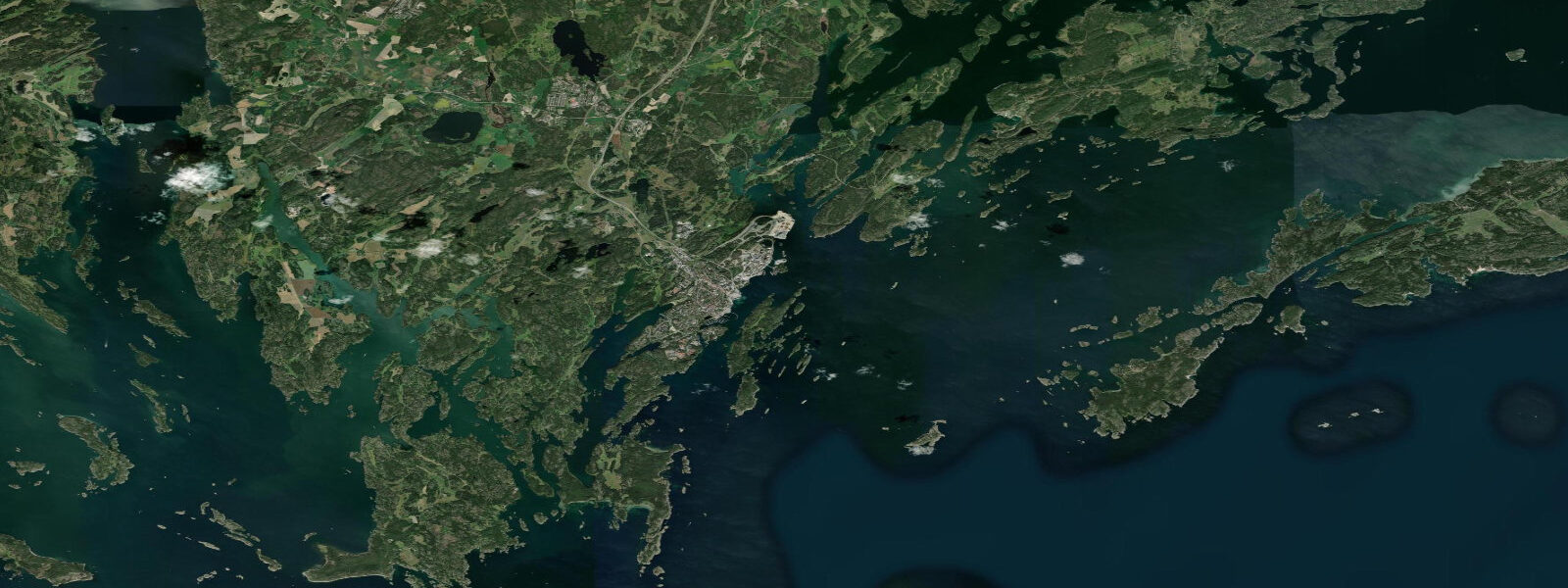
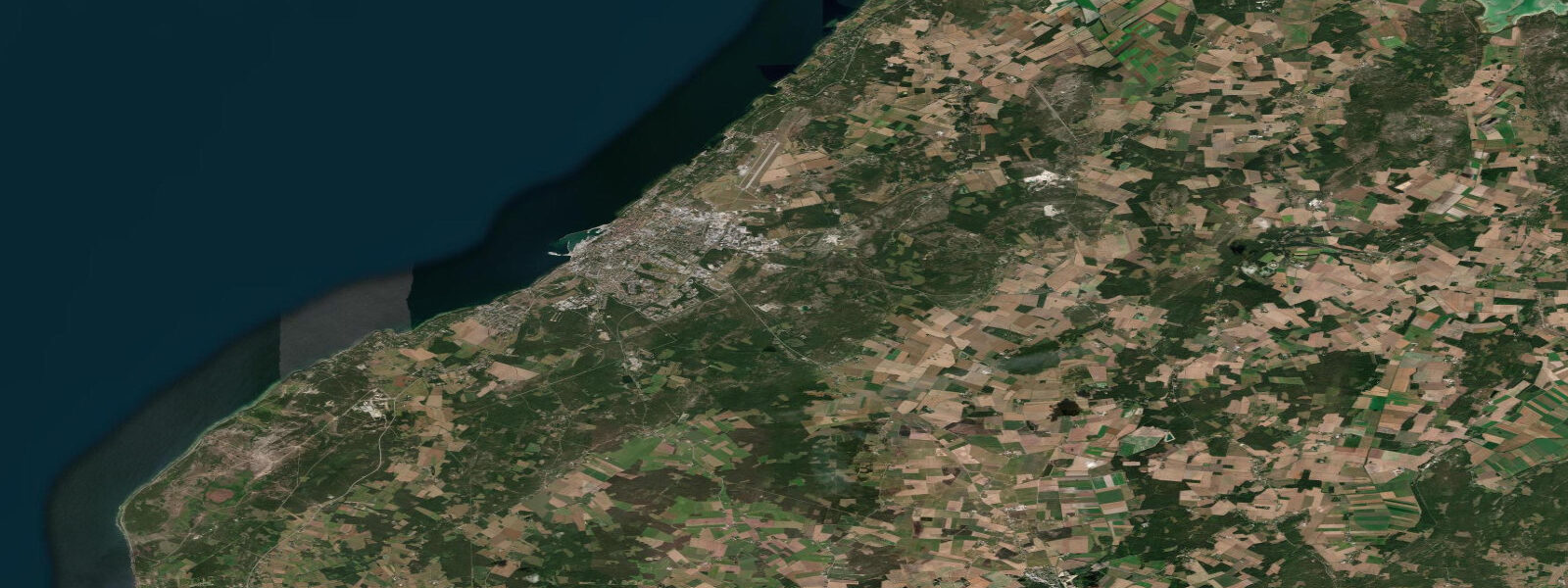
The three closest curated TideTurtle locations to Sandhamn, measured by great-circle distance.
Today's solunar windows
Solunar tradition: major periods are the ≈3h windows around moon transit and opposition; minor are ≈2h around moonrise and moonset. Pair with the local tide stage and wind for the best read.
About tides at Sandhamn
A short guide to the coastline at Sandhamn — geography, sea state, and what the tide is actually doing under your feet.
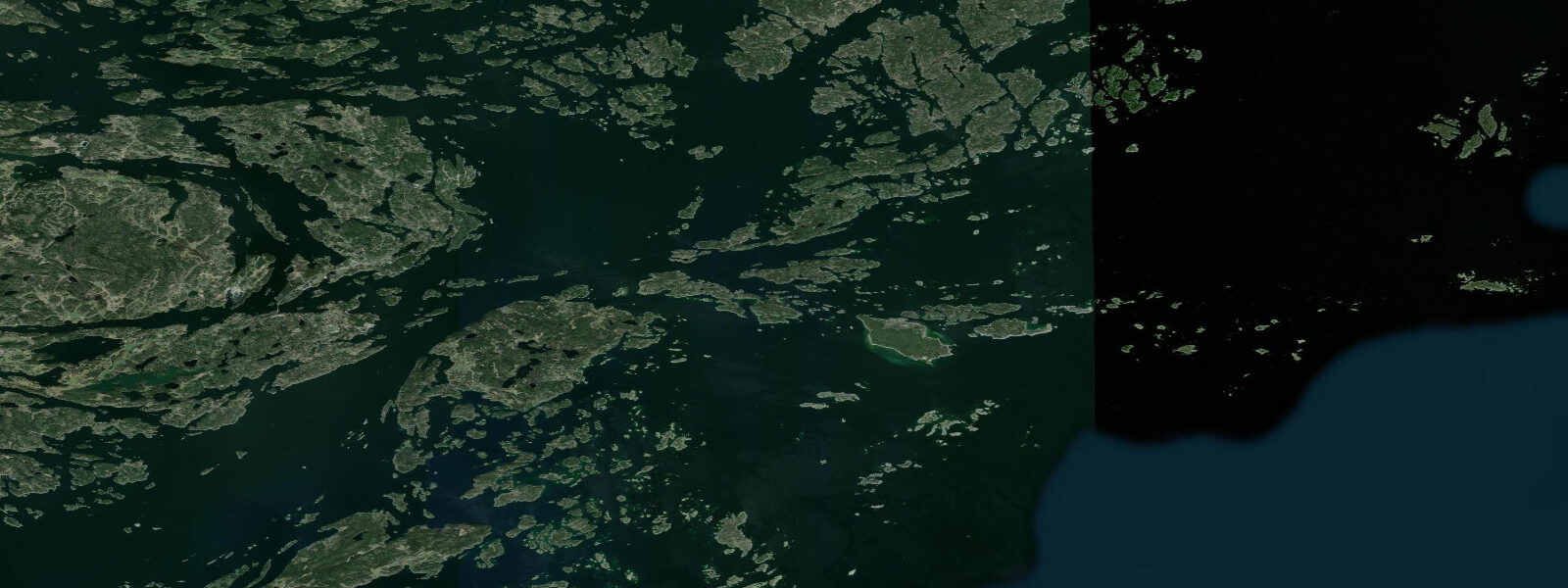
Sandhamn sits on the island of Sandön at the outermost edge of the Stockholm Archipelago, roughly 50 km east of Stockholm by water. It is one of Sweden's most storied sailing destinations — the KSSS (Kungliga Svenska Sällskapet Segel) has used Sandhamn as the finish of the annual Round Gotland Race since the race's founding in 1937. The 550 km offshore race from Stockholm around the island of Gotland draws 300–500 boats and finishes in the narrow channel between Sandön and Telegrafholmen, where the KSSS clubhouse and regatta dock sit. The finish is timed by race officials, not by tide: in the Baltic there is no tidal window to hit.
Astronomical tidal range at Sandhamn is approximately 0.2 m — slightly larger than inner Stockholm but still functionally negligible. Sea level here is driven by the same meteorological forces as everywhere on the Baltic: wind setup, barometric pressure, and the ~27-hour Baltic seiche. But at Sandhamn, which is exposed to the full fetch of the northern Baltic proper, the range of wind-driven sea level variation is wider than at inner archipelago locations. A northeast gale can drain water from the outer archipelago, dropping sea level 0.3–0.4 m below normal and grounding boats on unmarked rocks; a strong southwesterly does the opposite. Experienced sailors rounding Gotland en route to the Sandhamn finish always check the SMHI water level forecast for the outer archipelago before threading the shallow approaches.
Sandön's harbour (gästhamn) is operated by KSSS and serves approximately 150 guest berths in summer, expanding to over 300 during the Round Gotland Race week (late July/early August). The harbour approaches from the south require navigating the Sandhamnsleden, a buoyed fairway through skerries with depths of 3.5–6.0 m in the marked channel and as little as 0.5 m on the flanking shoals. With Baltic sea level variation of up to ±0.4 m driven by weather, a boat drawing 2.0 m in a 2.5 m channel has limited margin when a low-pressure system has depressed sea level by 0.2 m.
Beyond racing, Sandhamn is a hiking and swimming island. The interior is forested with Scots pine over granite. The eastern coast faces open water and has several sandy beaches — Trouville is the main bathing beach, sheltered from the west by low dunes. Water temperature in the outer archipelago reaches 18–20 °C in July–August at the surface; below the thermocline (which forms at 5–10 m depth in summer) temperatures drop sharply to 4–6 °C. The ferry from Stockholm (Strömkajen or Stavsnäs) runs year-round; summer frequency is typically 4–5 departures daily, with journey time of 2.5–3.5 hours depending on route. In winter Sandhamn's permanent population is around 100 people; in summer the island hosts several thousand visitors.
Sea kayakers paddling the outer archipelago use Sandhamn as a base or waypoint. The island is exposed to swell from the northeast and southeast; wind forecasts and SMHI sea state warnings matter more than water level for passage planning at this location. The outer skerries east of Sandön — the Revengegrundet area — are awash at mean sea level and require attention to the SMHI sea level forecast before kayaking through.
TideTurtle displays Open-Meteo Marine sea level data for Sandhamn. Astronomical range is approximately 0.2 m; meteorological sea level variation can reach ±0.4 m in the outer archipelago. Open-Meteo Marine accuracy is typically ±45 minutes on timing and ±0.2–0.3 m on height. SMHI is the authoritative source for outer archipelago sea level information at smhi.se.
Tide questions about Sandhamn
Quick answers to the most common questions about tide times, range, and water access at Sandhamn.
What is the Round Gotland Race and does tide affect it?
The KSSS Round Gotland Race is an annual offshore sailing race of approximately 550 km from Stockholm, around the island of Gotland, finishing at Sandhamn. It typically draws 300–500 boats, mostly IRC and ORC class. The Baltic has virtually no astronomical tide (range ~0.2 m at Sandhamn), so there is no tidal gate to time at the finish. Race strategy is dominated by wind forecasting and routing around Gotland. The finish is in the Sandhamnsleden channel between Sandön and Telegrafholmen.
Is sea level at Sandhamn predictable, and how much does it vary?
Astronomical sea level variation at Sandhamn is approximately 0.2 m — negligible compared to meteorological effects. Wind setup and barometric pressure routinely move sea level ±0.3–0.4 m from the mean; during prolonged storms the range can reach ±0.5 m or more. A northeaster drains water from the outer archipelago; a strong southwesterly piles it up. SMHI publishes water level observations and short-range forecasts for the outer archipelago that account for these effects — more useful here than an astronomical tide table.
What are the navigation hazards in the Sandhamnsleden approach?
The Sandhamnsleden is a buoyed fairway with charted depths of 3.5–6.0 m in the main channel. The flanking shoals and skerries can have less than 0.5 m of water. With meteorological sea level variation of up to ±0.4 m, a vessel drawing 2.0 m entering the channel when sea level is 0.2 m below normal is working with less than 0.3 m of underkeel clearance in the shallowest sections. Always check the SMHI current water level observation alongside your chart depths before transiting the approach.
When is the best time to visit Sandhamn and what is the water temperature?
Sandhamn is at its busiest in July and August, with summer ferry connections from Stockholm running 4–5 times daily. Surface water temperature in the outer archipelago peaks at 18–20 °C in late July to mid-August. Below the summer thermocline — typically at 5–10 m depth — water stays at 4–6 °C year-round. The Round Gotland Race finish normally falls in the last week of July; the harbour is at maximum capacity during race week. Early June offers quieter conditions and water temperatures of 12–14 °C, suitable for wetsuit swimming.
Is TideTurtle's sea level data safe to use for navigation to Sandhamn?
No. TideTurtle displays Open-Meteo Marine sea level estimates with typical accuracy of ±45 minutes on timing and ±0.2–0.3 m on height. At Sandhamn, where weather-driven sea level changes can reach ±0.4 m and the approach channel has shoals under 0.5 m, a 0.2–0.3 m error is significant. Use SMHI's water level observations and forecasts at smhi.se alongside current chart datum for all navigation in the outer archipelago.
3-day tide table — Sandhamn
Heights relative to MSL. Predictions: Open-Meteo Marine (MeteoFrance SMOC, 0.08° grid) — heights relative to MSL (not chart datum / LAT). Model-derived.
| Day | Type | Time | Height |
|---|---|---|---|
| Tue 04 Aug | Low | 02:00 | -0.1m |
| Wed 05 Aug | — | ||
| Thu 06 Aug | High | 03:00 | 0.0m |