Stockholm tide times
Stockholm tide forecast — heights relative to MSL.
Tide chart for Stockholm
24-hour cosine-interpolated curve around the present moment. Heights relative to MSL. Predictions: Predictions: Open-Meteo Marine (MeteoFrance SMOC, 0.08° grid).
Sun, moon and conditions on Tue 04 Aug
Snapshot at build time — refreshes daily. Sea state from Open-Meteo Marine.
Highs and lows next 7 days
Every predicted high and low for the next week, with the daily tidal coefficient (0–120; higher = bigger swing, > 95 means stronger currents).
Other spots nearby
The three closest curated TideTurtle locations to Stockholm, measured by great-circle distance.
Today's solunar windows
Solunar tradition: major periods are the ≈3h windows around moon transit and opposition; minor are ≈2h around moonrise and moonset. Pair with the local tide stage and wind for the best read.
About tides at Stockholm
A short guide to the coastline at Stockholm — geography, sea state, and what the tide is actually doing under your feet.
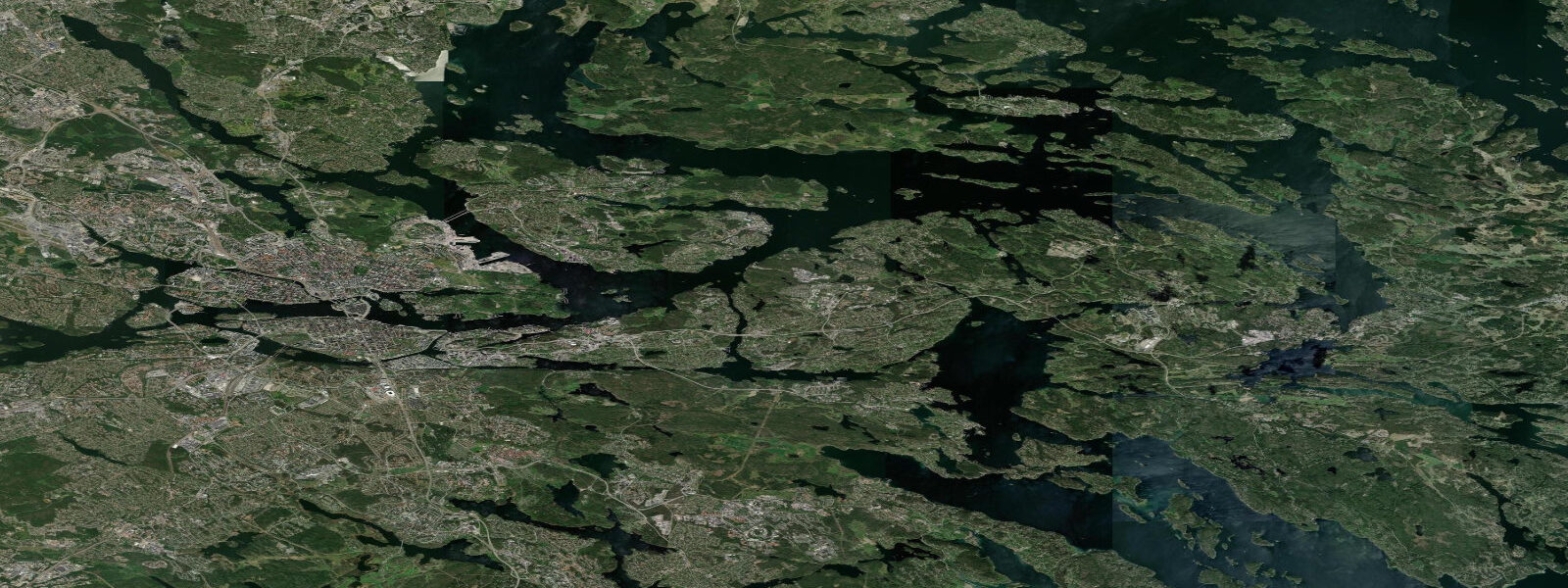
Stockholm straddles the point where Lake Mälaren empties into the Baltic, with the Old Town (Gamla Stan) occupying the island between them. The connection is controlled by Slussen — the lock and sluice complex at the southern tip of Gamla Stan — which maintains Lake Mälaren roughly 0.7 m above mean Baltic sea level by regulating outflow. This makes Stockholm unusual: the lake to the west is a freshwater reservoir with controlled stage; the archipelago channels to the east respond to Baltic sea level dynamics.
The Baltic Sea has virtually no astronomical tide at Stockholm. The predicted range is approximately 0.1–0.2 m — effectively unmeasurable in daily life. What drives sea level here is not the moon but the weather. A sustained westerly across the Baltic can pile 0.4–0.5 m of water against the Stockholm archipelago within 24 hours; a high-pressure system sitting over Scandinavia depresses sea level by 10–15 cm. These meteorological sea level changes are what SMHI tracks with its network of coastal tide gauges (mareografer), including the long-running station at Djurgårdsbrunnsviken in central Stockholm, which has records going back to 1774 — one of the longest continuous sea level records in the world.
A complicating factor unique to Stockholm is post-glacial land uplift (landhöjning). The Scandinavian bedrock is still rebounding from the weight of the last ice sheet, rising at approximately 4–5 mm per year around Stockholm. Over a human lifetime this amounts to 20–25 cm of apparent sea level fall — a rate that, counterintuitively, is faster than global mean sea level rise in this location, so Stockholm's relative sea level is currently falling slightly. This has no day-to-day relevance for water users but matters for long-term planning.
Sea kayakers based in Stockholm typically launch from Kastellholmen, Nacka Strand, or the Djurgårdskanalen depending on which direction they are heading into the archipelago. The passage from the inner city to the open archipelago covers roughly 20 km of progressively more exposed water, passing through Baggensfjärden and out toward Sandhamn or Långskär. The relevant sea level parameter for inner-city paddling is not tide but rather whether a low-pressure system has piled or drained water from the Mälaren outlet — typically expressed as the Slussen lock operating level, posted by Stockholm Stad. The archipelago guest harbours (gästhamnar) at Vaxholm, Möja, and Grinda are all marina-style, with floating docks that handle 0.3–0.5 m of sea level variation comfortably.
Anglers working the Stockholm archipelago target perch (abborre) and pike (gädda) in the brackish inner archipelago waters and sea trout (havsöring) and pike-perch (gös) in the outer archipelago and along the coast. Sea trout run up into the Mälaren tributaries in autumn; in tidal terms what matters is not tide height but wind direction, since a strong onshore wind concentrates food at windward shores and draws fish in to feed. The Stockholm archipelago is a popular destination for crayfish parties (kräftskifte) in August, when freshwater crayfish (kräftor) are harvested from the inner island lakes and brackish bays.
TideTurtle displays Open-Meteo Marine sea level data for Stockholm. Astronomical tidal range here is approximately 0.1–0.2 m; sea level variation is dominated by wind setup, barometric pressure (each hPa ≈ 1 cm), and Baltic seiches with a ~27-hour period. Open-Meteo Marine accuracy is typically ±45 minutes on timing and ±0.2–0.3 m on height. SMHI (Swedish Meteorological and Hydrological Institute) is the authoritative source for Stockholm water level information at smhi.se/klimatdata/oceanografi/havsnivåer.
Tide questions about Stockholm
Quick answers to the most common questions about tide times, range, and water access at Stockholm.
Does Stockholm have tides?
Barely. The astronomical tidal range at Stockholm is approximately 0.1–0.2 m — so small that wind and barometric pressure produce far larger daily sea level changes. A strong westerly wind can push the Baltic sea level up by 0.4–0.5 m at Stockholm within a day. The Slussen lock at Gamla Stan maintains Lake Mälaren roughly 0.7 m above Baltic sea level and regulates outflow independently of Baltic conditions. SMHI's water level forecasts, which model wind and pressure effects, are more useful than an astronomical tide table for Stockholm.
What is the SMHI water level gauge at Stockholm and how long has it been running?
The primary SMHI sea level gauge for Stockholm is at Djurgårdsbrunnsviken. The site has water level records dating to 1774, making it one of the longest continuous sea level series in the world — used as a key reference for documenting Baltic sea level trends and Scandinavian land uplift (post-glacial rebound of roughly 4–5 mm per year in this area). Current observations and forecasts are published at smhi.se.
Where do sea kayakers launch in Stockholm to enter the archipelago?
Common launch points include Kastellholmen (just east of Gamla Stan), Nacka Strand (accessible by metro and bus, south of the city), and the Djurgårdskanalen for inner-city water access. The passage to open archipelago is roughly 20 km; paddlers typically aim for first overnight stops at Vaxholm or Grinda, both served by Waxholmsbolaget ferries. Inner archipelago channels are generally sheltered; sea level variation due to wind becomes more relevant in the outer archipelago where fetch increases.
What fish can I target in the Stockholm archipelago?
The inner archipelago brackish waters hold perch (abborre) and pike (gädda) year-round; pike-perch (gös) concentrate along deeper channel edges in summer. Sea trout (havsöring) are present in the outer archipelago and coastal zones, running into Mälaren tributaries in autumn. Crayfish (kräftor) are harvested from inner island lakes and sheltered bays from August under licence. Unlike tidal coasts, fish activity here is driven more by water temperature, season, and wind direction than by a predictable tidal cycle.
Is TideTurtle's sea level data safe to use for navigation in the Stockholm archipelago?
No. TideTurtle displays Open-Meteo Marine sea level estimates for Stockholm. The astronomical tidal range is negligible here (0.1–0.2 m), but meteorological sea level variation can reach 0.5 m or more, and Open-Meteo Marine's accuracy is ±45 minutes on timing and ±0.2–0.3 m on height — insufficient for passage planning through narrow archipelago channels or lock operations at Slussen. Use SMHI's water level forecasts and observations at smhi.se for any navigation or safety-critical planning.
5-day tide table — Stockholm
Heights relative to MSL. Predictions: Open-Meteo Marine (MeteoFrance SMOC, 0.08° grid) — heights relative to MSL (not chart datum / LAT). Model-derived.
| Day | Type | Time | Height |
|---|---|---|---|
| Tue 04 Aug | — | ||
| Wed 05 Aug | Low | 01:00 | -0.1m |
| High | 15:00 | 0.1m | |
| Thu 06 Aug | Low | 10:00 | 0.0m |
| Fri 07 Aug | High | 20:00 | 0.0m |
| Low | 23:00 | 0.0m | |
| Sat 08 Aug | High | 14:00 | 0.1m |