A Coruña, Galicia tide times
A Coruña, Galicia tide forecast — heights relative to MSL.
Today's tide times for A Coruña, Galicia
Tide times at A Coruña, Galicia on Sunday, 26 July 2026: first high tide at 02:45, first low tide at 08:41, second high tide at 15:03, second low tide at 21:16. Sunrise 07:16, sunset 22:03.
Tide chart for A Coruña, Galicia
24-hour cosine-interpolated curve around the present moment. Heights relative to MSL. Predictions: Predictions: Open-Meteo Marine (MeteoFrance SMOC, 0.08° grid).
Sun, moon and conditions on Sun 26 Jul
Snapshot at build time — refreshes daily. Sea state from Open-Meteo Marine.
Highs and lows next 7 days
Every predicted high and low for the next week, with the daily tidal coefficient (0–120; higher = bigger swing, > 95 means stronger currents).
Other spots nearby
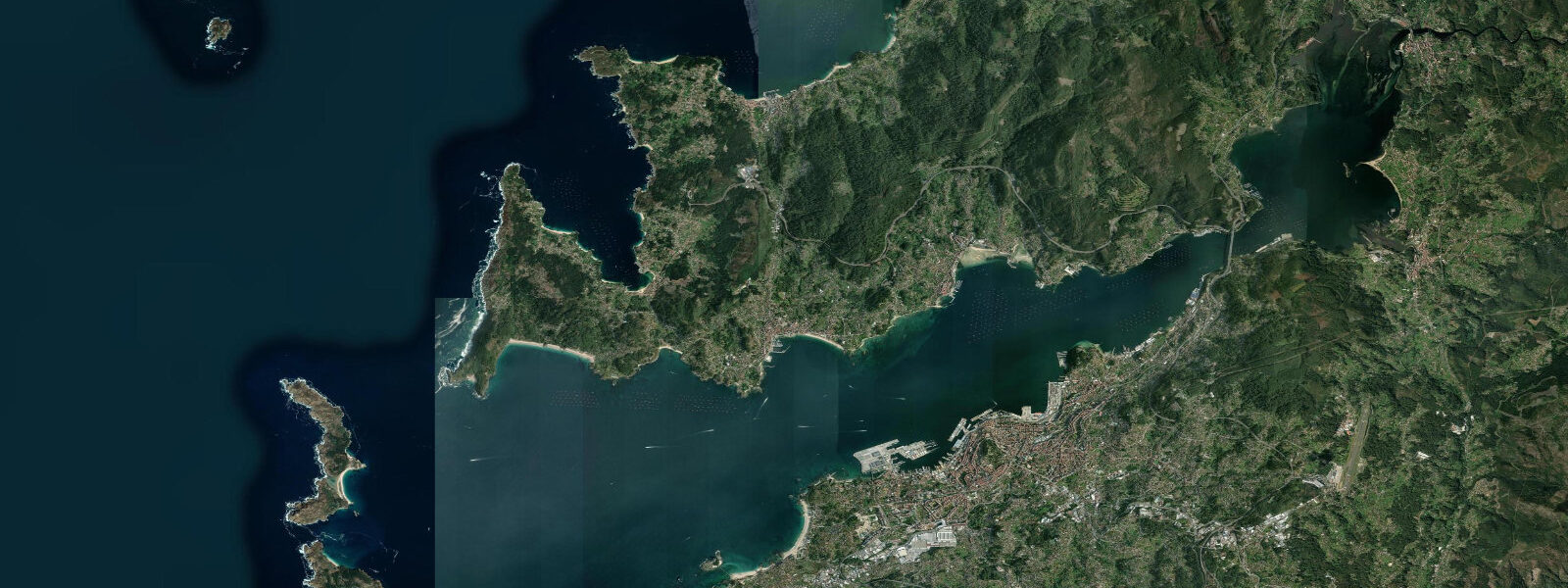
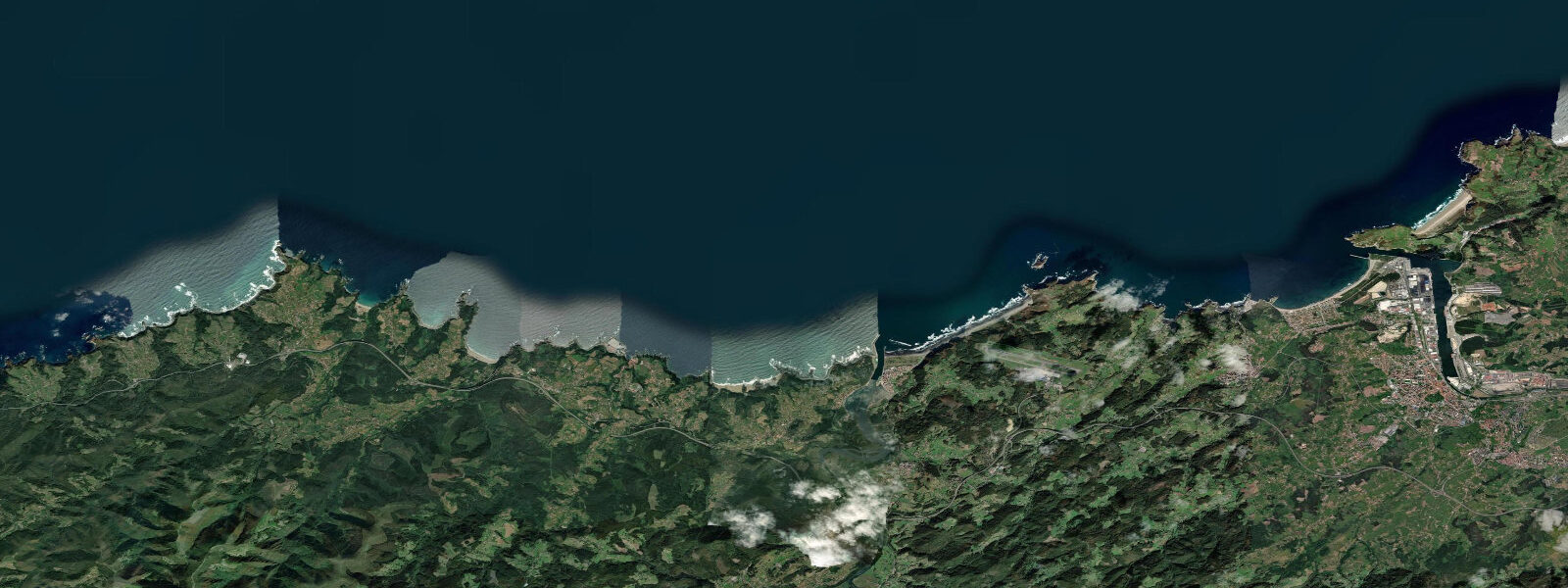
The three closest curated TideTurtle locations to A Coruña, Galicia, measured by great-circle distance.
Today's solunar windows
Solunar tradition: major periods are the ≈3h windows around moon transit and opposition; minor are ≈2h around moonrise and moonset. Pair with the local tide stage and wind for the best read.
Cycle dates near A Coruña, Galicia
Next spring tide on Fri 31 Jul (range 3.0m). Last neap on Sun 26 Jul. Next neap on Sat 01 Aug.
Spring tides cluster around new and full moons (biggest swings). Neap tides land on quarter moons (smallest swings). See the spring tide and neap tide glossary entries for the why.
About tides at A Coruña, Galicia
A short guide to the coastline at A Coruña, Galicia — geography, sea state, and what the tide is actually doing under your feet.
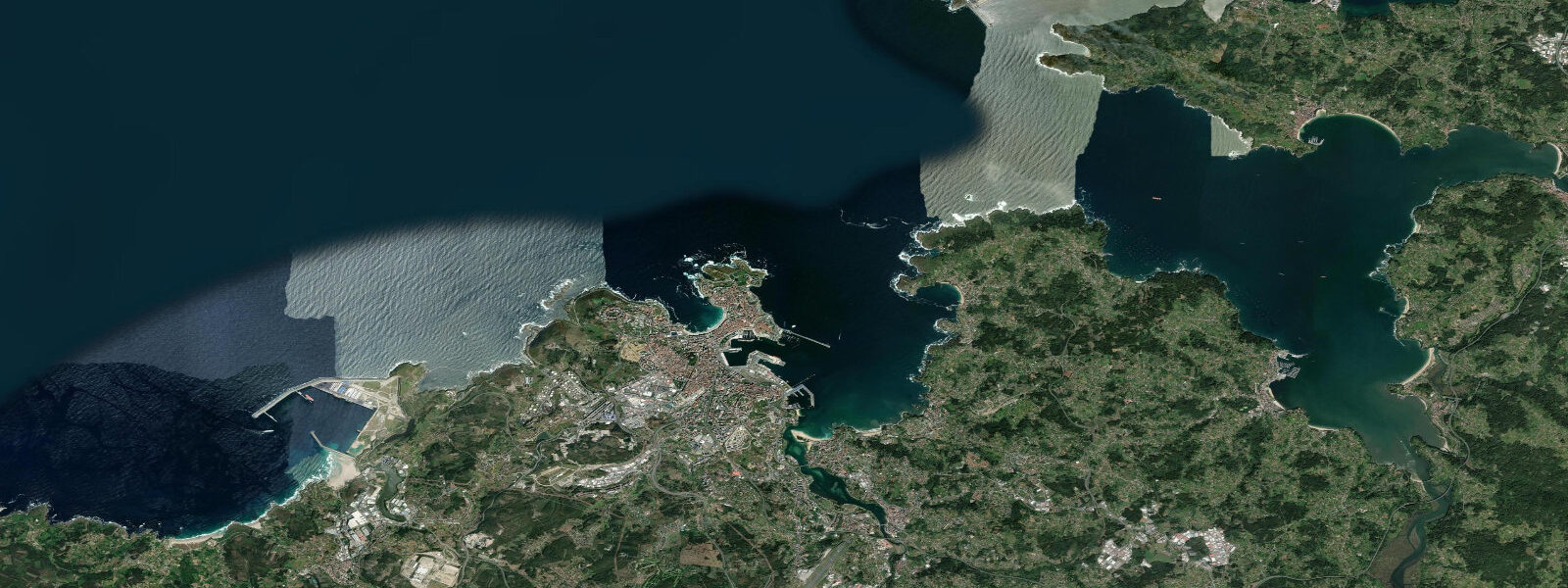
A Coruña sits on a long peninsula that juts into the Atlantic on the rugged north-western corner of Spain — the Galician Costa da Morte, the coast of death, named for centuries of shipwrecks along the cliff bases. 7 metres, semidiurnal, two highs and two lows about twelve and a half hours apart. 2 metres.
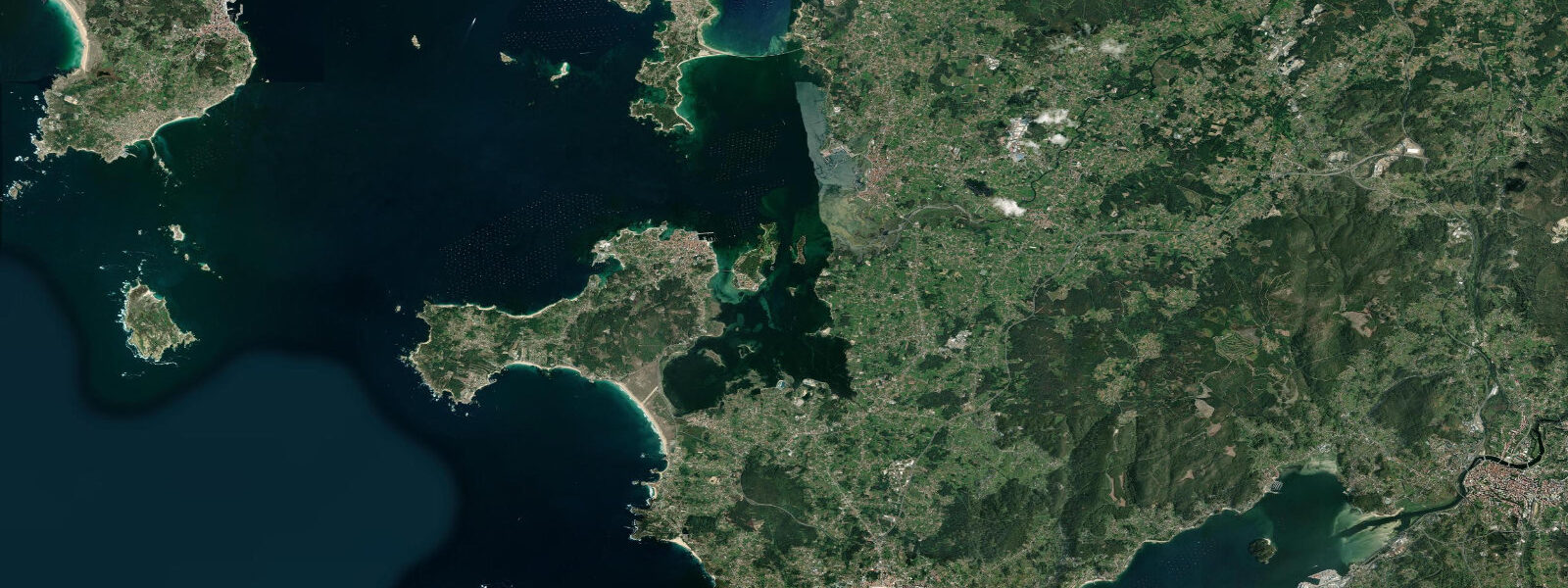
The classic Galician feature is the rías — long, deep coastal inlets carved by drowned river valleys that run inland for tens of kilometres. The Ría de A Coruña is one of the smaller examples; the Rías Altas further east at Ferrol, Ortigueira, and Viveiro run for 20 to 30 km inland, and inside each ría the tide amplifies slightly toward the head while the timing lags the open coast by 30 to 60 minutes. Walkers on the long Riazor and Orzán beaches at the foot of the city see meaningful beach-width changes through the cycle; percebes harvesters working the cliff bases at Cabo Vilán and Cabo Fisterra time their excursions to the lowest spring lows; mussel-raft (bateas) operators in the Ría de Arousa further south coordinate the harvest week around the new and full moons.
Open-Meteo Marine drives the gridded predictions on this site — useful for daily planning but not navigation-grade. Puertos del Estado runs the authoritative Spanish tide gauge network.
Tide questions about A Coruña, Galicia
Quick answers to the most common questions about tide times, range, and water access at A Coruña, Galicia.
When is the next high tide at A Coruña?
The hero block shows the next high tide at A Coruña in local Madrid time (CET in winter, CEST in summer). The 7-day table covers all four daily extremes. Galicia's tide arrives at the open coast first and propagates inland up the rías; high water at the head of a ría typically lags the open coast by 30 to 60 minutes.
What's the typical tide range at A Coruña?
Mean range at the harbour is about 2.7 metres, the largest in Spain. Spring tides push close to 4 metres at the equinoxes, neaps drop close to 1.2 metres. The Iberian Atlantic runs larger swings than the Mediterranean side because the open Atlantic tide propagates cleanly to this coast — the Mediterranean sees almost no astronomical tide because the basin is nearly enclosed.
Where do these tide predictions come from?
Open-Meteo Marine, a global ocean-grid model (MeteoFrance SMOC, 0.08 degree resolution). Useful for general planning around the harbour and the city beaches, but not navigation-grade. For authoritative Spanish tide data, Puertos del Estado runs the official Galician gauge network including A Coruña and Vigo.
What is a ría and how does the tide work in one?
A ría is a drowned river valley — a coastal inlet flooded by sea-level rise. Galicia is famous for them. Tide propagates into a ría from the open coast as a free wave, the height typically grows slightly on the way upstream because the channel narrows, and the timing lags the open coast by 30 to 60 minutes depending on the ría's length. The Rías Baixas (Vigo, Pontevedra) and Rías Altas (A Coruña, Ferrol) each behave like a tide-amplifier on the way in.
Is this safe to use for navigation?
No. For piloting in or out of A Coruña harbour, working the rocky cliff coast at the Costa da Morte, or harvesting percebes on the cliff bases use Puertos del Estado's authoritative tide tables, the Instituto Hidrográfico de la Marina chart products, and the latest Spanish coastguard notices. The Costa da Morte name is not idle — the cliff-base shore breaks hard on a westerly swell and is a working hazard, not a planning matter.
8-day tide table — A Coruña, Galicia
Heights relative to MSL. Predictions: Open-Meteo Marine (MeteoFrance SMOC, 0.08° grid) — heights relative to MSL (not chart datum / LAT). Model-derived.
| Day | Type | Time | Height |
|---|---|---|---|
| Sun 26 Jul | High | 02:45 | 0.3m |
| Low | 08:41 | -1.3m | |
| High | 15:03 | 0.5m | |
| Low | 21:16 | -1.4m | |
| Mon 27 Jul | High | 03:32 | 0.4m |
| Low | 09:22 | -1.4m | |
| High | 15:47 | 0.7m | |
| Low | 21:56 | -1.5m | |
| Tue 28 Jul | High | 04:07 | 0.6m |
| Low | 10:01 | -1.5m | |
| High | 16:20 | 0.9m | |
| Low | 22:33 | -1.6m | |
| Wed 29 Jul | High | 04:41 | 0.7m |
| Low | 10:35 | -1.6m | |
| High | 16:53 | 1.0m | |
| Low | 23:05 | -1.8m | |
| Thu 30 Jul | High | 05:13 | 0.8m |
| Low | 11:08 | -1.7m | |
| High | 17:24 | 1.1m | |
| Low | 23:38 | -1.8m | |
| Fri 31 Jul | High | 05:44 | 0.8m |
| Low | 11:41 | -1.8m | |
| High | 17:57 | 1.1m | |
| Sat 01 Aug | Low | 00:11 | -1.9m |
| High | 06:16 | 0.9m | |
| Sun 02 Aug | Low | 01:00 | -1.8m |