Yeosu tide times
Yeosu tide forecast — heights relative to MSL.
Today's tide times for Yeosu
Tide times at Yeosu on Tuesday, 4 August 2026: first low tide at 18:21. Sunrise 05:40, sunset 19:29.
Tide chart for Yeosu
24-hour cosine-interpolated curve around the present moment. Heights relative to MSL. Predictions: Predictions: Open-Meteo Marine (MeteoFrance SMOC, 0.08° grid).
Sun, moon and conditions on Tue 04 Aug
Snapshot at build time — refreshes daily. Sea state from Open-Meteo Marine.
Highs and lows next 7 days
Every predicted high and low for the next week, with the daily tidal coefficient (0–120; higher = bigger swing, > 95 means stronger currents).
Other spots nearby
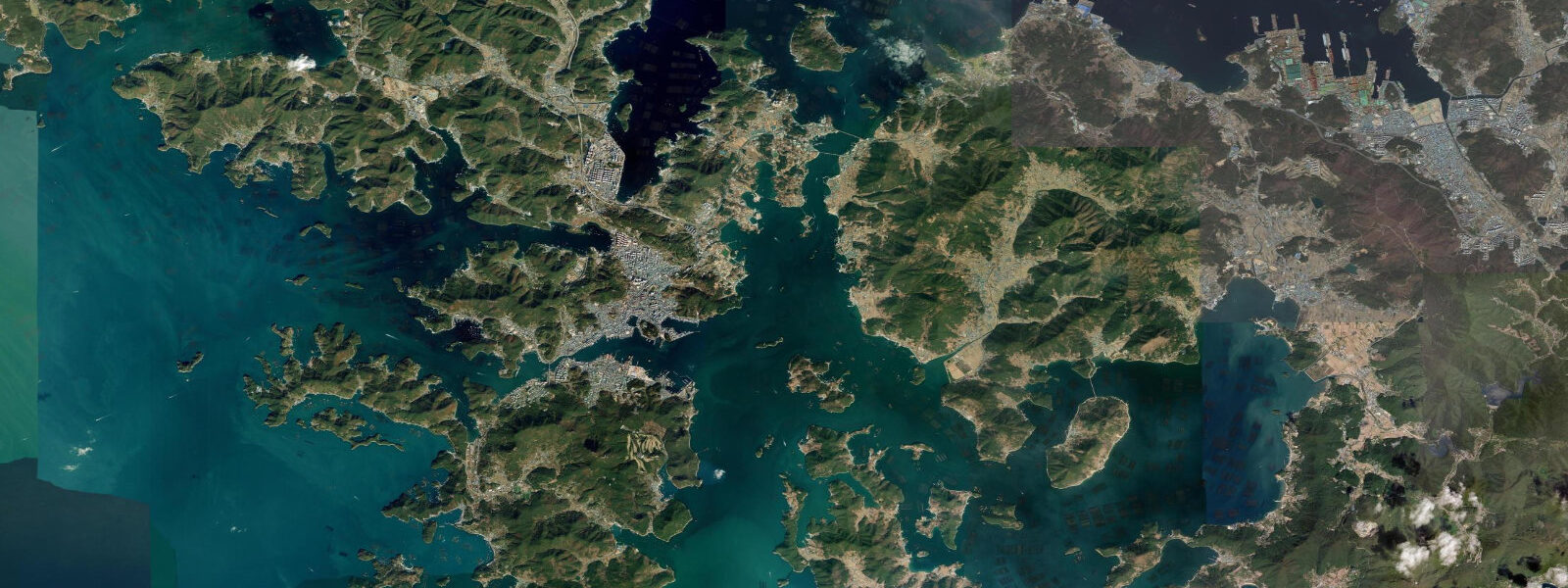
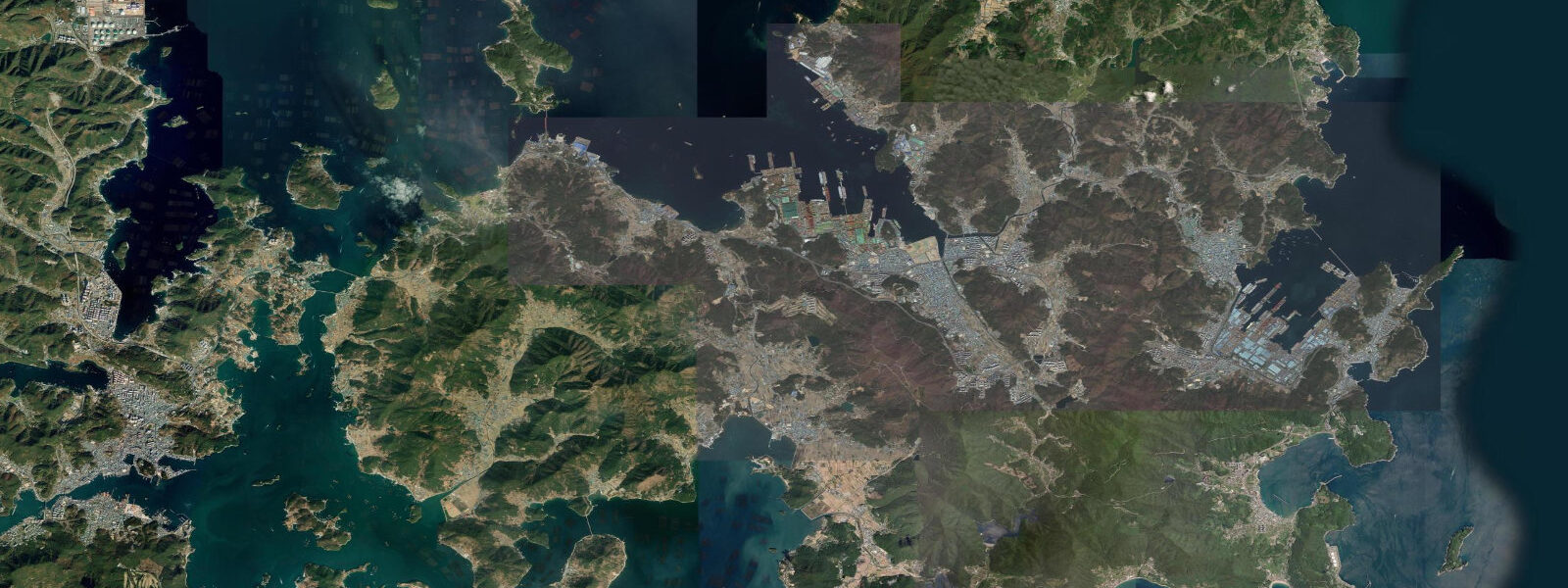
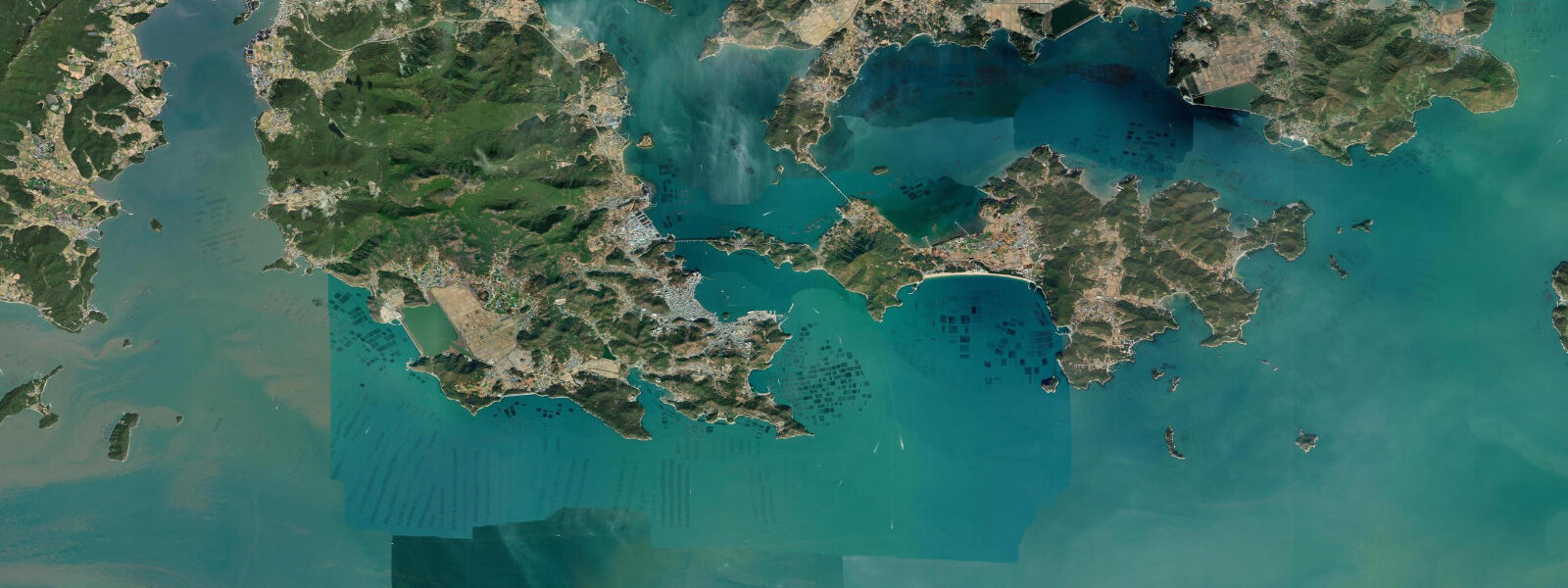
The three closest curated TideTurtle locations to Yeosu, measured by great-circle distance.
Today's solunar windows
Solunar tradition: major periods are the ≈3h windows around moon transit and opposition; minor are ≈2h around moonrise and moonset. Pair with the local tide stage and wind for the best read.
Cycle dates near Yeosu
Last spring tide on Tue 04 Aug (range 2.2m). Next spring tide on Mon 10 Aug (range 2.8m). Next neap on Fri 07 Aug.
Spring tides cluster around new and full moons (biggest swings). Neap tides land on quarter moons (smallest swings). See the spring tide and neap tide glossary entries for the why.
About tides at Yeosu
A short guide to the coastline at Yeosu — geography, sea state, and what the tide is actually doing under your feet.
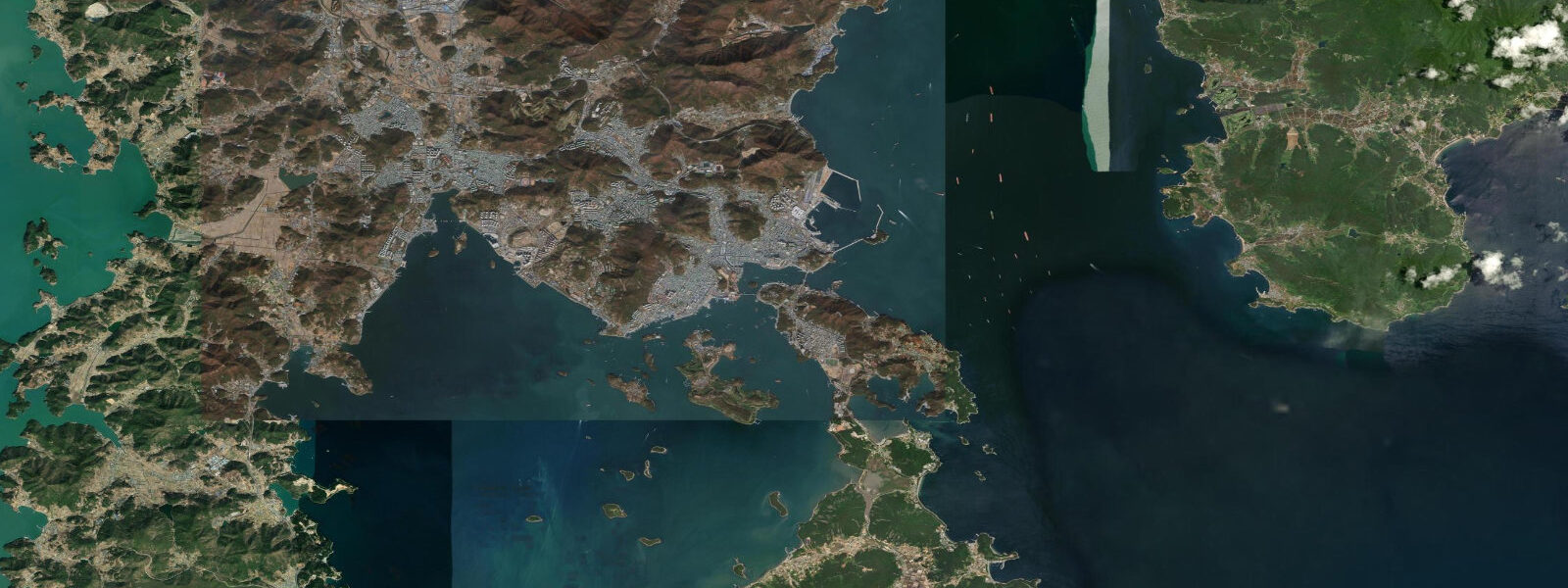
Yeosu sits on a peninsula at the southern tip of South Korea's Jeolla Province, facing the Korea Strait through a maze of 317 islands that make up Hallyeohaesang National Marine Park. The city hosted the 2012 World Expo; its waterfront is a mix of modern expo facilities, a traditional fish market at Jaseongdae, and the old downtown that climbs the hillside above the harbour. Odongdo Island, connected to the city by a 768-metre breakwater causeway, is the city's signature outdoor space — a camellia-forested islet ringed with coastal walking paths.
The tidal regime at Yeosu is semidiurnal with a spring range of approximately 1.2 m. This puts Yeosu firmly in the moderate-tidal category — enough range to affect beach access, boat launching, and fishing conditions, but without the dramatic flat exposure of the Yellow Sea coast further north. The higher high water reaches approximately 1.0 m above Chart Datum on springs; the lower low drops to approximately 0.2 m below. The diurnal inequality is moderate: the two daily highs typically differ by 0.1–0.2 m and the two lows differ by 0.1–0.3 m.
For boaters navigating the Hallyeohaesang island passages, the 1.2 m spring range is amplified in the narrows between islands into tidal currents of 1.5–3.0 knots. The passage between Yeosu and Dolsan Island runs at up to 2.5 knots at spring peak — irrelevant in a motor vessel above 10 knots but significant for kayakers calculating crossing time. The flood tide sets eastward through most passages on the south coast; the ebb sets westward. This has practical consequences for multi-day kayak routes through the national marine park: plan to run eastbound passages on the flood and westbound passages on the ebb.
For divers, the waters around Hallyeohaesang hold strong populations of sea bream, striped beakfish, and Korean rockfish in the rocky reef structure of the islands. Visibility is 5–10 m in the channel passages, improving to 10–15 m on the seaward side of the outer islands. The flood tide brings cleaner oceanic water from the Korea Strait into the inner passages; incoming-tide windows consistently produce better visibility than the ebb, which carries turbid bay water from the northeast.
For shore anglers, Yeosu's rocky coastline around Odongdo and the outer headlands of Dolsan Island are productive year-round. The ebb tide concentrates bream and bass at the points where current lines form off the headlands — the 90-minute window centred on the lower-low water is when baitfish stack in the current break and predators follow. Rock fishing from the seaward faces of the Odongdo causeway at night, during the 30 minutes either side of high water, is a local practice that produces black sea bream of 0.8–1.5 kg consistently from October through April.
For beach access, the sandy beaches in the Yeosu area are primarily on the outer islands — Geomundo, Sado, and the Odonddo waterfront have rocky shoreline with limited sand. Manseongri Black Sand Beach at the east end of the peninsula is the nearest accessible beach: volcanic black sand, 300 m long, with a 15–20 m width variation between low and high spring water. The water is 0.8–1.2 m deep 20 m from shore at mid-tide.
For photographers, Yeosu's sunrise view from Jinnamgwan — the famous wooden military hall on the hillside, the largest single-story wooden building in Korea — looks east over the harbour and island passages. The best light falls from 06:00 to 08:00, and a low-water morning exposes the harbour seabed around the anchored fishing vessels, giving a different foreground than the high-water mirror surface. The Odongdo camellia forest is best photographed from February to March when the trees are in full bloom — combine with a dawn low tide for the classic Yeosu shot.
All tide predictions for Yeosu come from the Open-Meteo Marine gridded model. Timing accuracy is ±45 minutes; height accuracy is ±0.3 m above Chart Datum.
Tide questions about Yeosu
Quick answers to the most common questions about tide times, range, and water access at Yeosu.
What is the tidal range at Yeosu and how does it affect the island-passage currents?
Yeosu's spring tidal range is approximately 1.2 m, semidiurnal. In the open harbour and wider passages this range produces modest current. In the narrows between islands in Hallyeohaesang National Marine Park, the same tidal volume concentrated through a 50–200 m wide channel produces 1.5–3.0 knots of current at spring peak. The Yeosu-Dolsan passage can reach 2.5 knots. Kayakers should plan eastbound transits on the flood and westbound on the ebb; motor vessels above 8 knots are less affected but should note that the current sets strongly onto headlands and breakwater ends at peak flow. Model accuracy is ±45 minutes timing and ±0.3 m height.
When is diving visibility at its best around Yeosu and Hallyeohaesang?
The incoming flood tide from the Korea Strait brings cleaner oceanic water into the inner island passages, consistently producing better visibility than the ebb. The best dive windows are the 2 hours centred on high water — visibility ranges from 10–15 m on the seaward faces of outer islands, dropping to 5–10 m in the inner channel passages. Spring tides with strong flood flow can temporarily stir the bottom in the shallower passages (6–10 m), so neap or mid-range tide conditions often give the best overall dive experience in those areas. Summer (June–September) brings a thermocline at 8–12 m; water above is 22–26 °C, below is 12–16 °C — plan dive profiles accordingly.
What is the best shore fishing at Yeosu and what tidal conditions produce results?
The rocky headlands of Odongdo and the seaward faces of Dolsan Island are Yeosu's most productive shore fishing locations. The ebb tide creates current lines off the headland tips where bream and bass concentrate on baitfish — the 90-minute window centred on low water is the prime period. Rock fishing from the Odongdo causeway seawall at night, 30 minutes either side of high water, is the local technique for black sea bream (0.8–1.5 kg) from October through April. Float fishing with sand crab or mussel bait is the standard rig. The tidal current off Dolsan's outer headlands at spring ebb peak can exceed 1.5 knots — use sufficient weight to hold bottom.
How do kayakers navigate the Hallyeohaesang island passages using the tidal current?
The most efficient routing through Hallyeohaesang uses the flood to run eastbound and the ebb to run westbound, gaining 1.5–2.5 knots of free speed over the current-active portions of each passage. A spring tidal day at Yeosu gives two usable current windows; neap tides give weaker but still useful assistance. The standard multi-day circuit — Yeosu → Geomundo → Sado → back — is about 120 km and typically done in 4–5 days. The Korea National Marine Park Service requires advance registration for multi-day camping on the outer islands; check the Hallyeohaesang park office for current permit status. The flood runs from approximately low water plus 30 minutes to high water plus 30 minutes on most passages.
What is Jinnamgwan and when is it best photographed?
Jinnamgwan is a 17th-century wooden military hall on the hillside above Yeosu harbour — at 240 columns and 44 m wide, it is South Korea's largest single-story wooden building. It served as Admiral Yi Sun-sin's operational headquarters during the Imjin Wars (1592–1598). The building faces east over the harbour and island passages; its best photographic light is dawn, from 06:00 to 08:00, when the low sun from the east illuminates the front facade and the harbour is still. A low spring tide in this window exposes the harbour seabed around the traditional wooden fishing vessels anchored below, adding foreground texture and scale. Entry to the historic hall grounds is free; the hall itself is open from 09:00.
8-day tide table — Yeosu
Heights relative to MSL. Predictions: Open-Meteo Marine (MeteoFrance SMOC, 0.08° grid) — heights relative to MSL (not chart datum / LAT). Model-derived.
| Day | Type | Time | Height |
|---|---|---|---|
| Tue 04 Aug | Low | 18:21 | -0.8m |
| Wed 05 Aug | High | 00:37 | 1.2m |
| Low | 06:49 | -1.0m | |
| High | 13:21 | 1.2m | |
| Low | 19:09 | -0.5m | |
| Thu 06 Aug | High | 01:16 | 1.0m |
| Low | 07:32 | -0.9m | |
| Fri 07 Aug | High | 02:06 | 0.9m |
| Low | 08:36 | -0.7m | |
| High | 15:47 | 1.2m | |
| Low | 22:08 | 0.1m | |
| Sat 08 Aug | High | 03:38 | 0.7m |
| Low | 10:02 | -0.6m | |
| Sun 09 Aug | High | 05:20 | 0.7m |
| Low | 11:35 | -0.7m | |
| High | 18:40 | 1.6m | |
| Mon 10 Aug | Low | 01:13 | -0.3m |
| High | 06:43 | 0.9m | |
| Low | 12:51 | -0.9m | |
| High | 19:38 | 1.9m | |
| Tue 11 Aug | Low | 02:04 | -0.6m |
| High | 08:00 | 1.3m |