Wando tide times
Wando tide forecast — heights relative to MSL.
Today's tide times for Wando
Tide times at Wando on Tuesday, 4 August 2026: first low tide at 09:00, first high tide at 13:18, second low tide at 19:38. Sunrise 05:45, sunset 19:33.
Tide chart for Wando
24-hour cosine-interpolated curve around the present moment. Heights relative to MSL. Predictions: Predictions: Open-Meteo Marine (MeteoFrance SMOC, 0.08° grid).
Sun, moon and conditions on Tue 04 Aug
Snapshot at build time — refreshes daily. Sea state from Open-Meteo Marine.
Highs and lows next 7 days
Every predicted high and low for the next week, with the daily tidal coefficient (0–120; higher = bigger swing, > 95 means stronger currents).
Other spots nearby
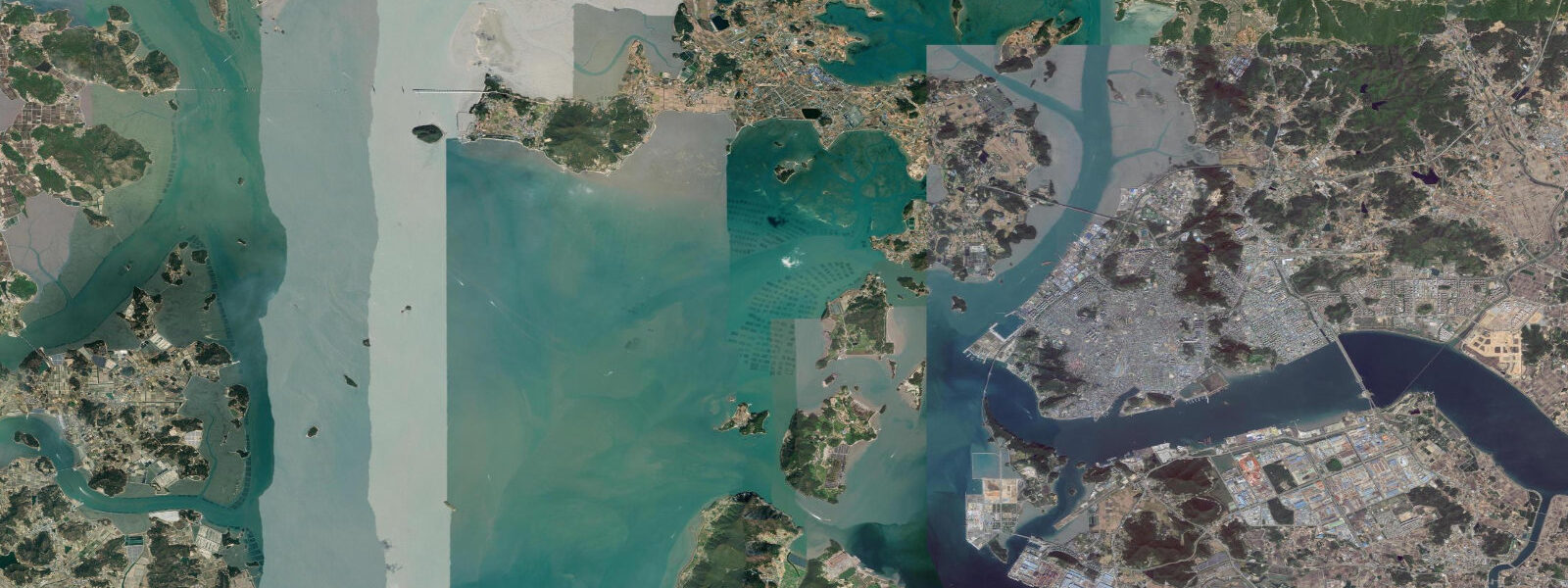
The three closest curated TideTurtle locations to Wando, measured by great-circle distance.
Today's solunar windows
Solunar tradition: major periods are the ≈3h windows around moon transit and opposition; minor are ≈2h around moonrise and moonset. Pair with the local tide stage and wind for the best read.
Cycle dates near Wando
Last spring tide on Tue 04 Aug (range 2.2m). Next spring tide on Mon 10 Aug (range 3.0m). Next neap on Thu 06 Aug.
Spring tides cluster around new and full moons (biggest swings). Neap tides land on quarter moons (smallest swings). See the spring tide and neap tide glossary entries for the why.
About tides at Wando
A short guide to the coastline at Wando — geography, sea state, and what the tide is actually doing under your feet.
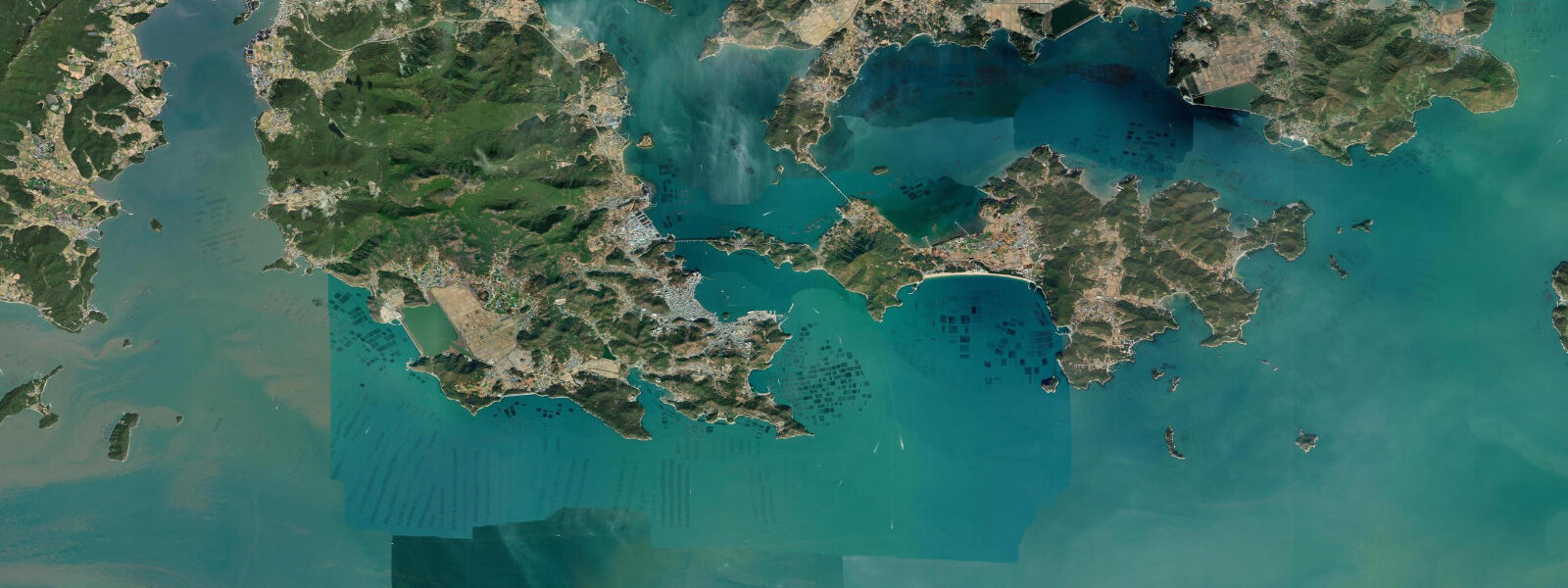
Wando is an island county in South Jeolla Province, sitting between the macro-tidal Yellow Sea coast of Mokpo to the northwest and the more moderate Korea Strait tidal regime at Yeosu to the east. Its spring tidal range of 2.5–3.0 m places it precisely in between — substantial enough to expose significant tidal flat and rocky intertidal in the passages between Wando's 160-plus islands, but without the extreme flat exposure of the Mokpo getbol. The passages and current lines that this range creates are part of what makes Wando the seaweed and shellfish aquaculture capital of Korea.
The higher high water at Wando reaches approximately 2.3 m above Chart Datum on springs; the lower low drops to approximately 0.3 m below. Two unequal highs and two unequal lows occur each day. In the inter-island passages — particularly the Wando Strait between the main island and the mainland — the 2.5–3.0 m range drives tidal currents of 2.0–4.0 knots at spring peak. These currents flush the seawater through the aquaculture frames that crowd every sheltered bay, providing the constant oxygen and nutrient exchange that makes Wando kelp, abalone, and oyster the best in Korea.
For kayakers, the Wando island group is a multi-day paddling destination comparable in tidal-current complexity to the Scottish island passages or British Columbia's Broughton Archipelago. The Wando Strait reaches 3.5–4.0 knots on a strong spring ebb — paddling against that is near-impossible; paddling with it gives 10-km/h ground speed. The planning discipline is standard tidal-current kayaking: know the slack times, know the set direction on flood and ebb, and transit key passages within the 30-minute window either side of slack.
The aquaculture infrastructure creates navigation hazards that compound the tidal complexity. Rope lines between aquaculture floats extend across entire bays at the waterline, sometimes unmarked on charts. At high water, these ropes sit 0.2–0.5 m below the surface — invisible to a kayaker until the hull touches them. At low water they are on the surface and visible. Paddlers should navigate through aquaculture zones at the lowest tide state consistent with safe water depth, when the rope system is most visible.
For shore anglers, Wando's rocky headlands and island shores produce black rockfish (ureok), Korean sea bass (nongeo), and sea bream throughout the year. The ebb current at the passage narrows concentrates baitfish in the same current seams used by the larger predators. Night fishing at the channel edges — specifically the 2-hour window centred on low water when current is minimal and fish move out of the stream into the sheltered margins — is the productive period. Wando anglers use float rigs with sand lance (melun) or squid strip bait, fishing the surface-to-mid-water column rather than the bottom.
The seaweed harvest connects directly to tidal access. Commercial kelp harvesting on Wando takes place on the ebb, when the kelp fronds are pushed to the surface by the current and accessible to harvesting rakes from small boats. The spring ebb, with its maximum current speed, is actually counterproductive for harvesting — it is too fast for stable boat control over the kelp beds. The mid-range neap ebb, at 1.0–1.5 knots, is the harvesters' preferred condition.
For photographers, the view from the hillsides above Wando town on a spring ebb — the seabed emerging between the aquaculture floats, the kelp beds darkening as the water recedes, the herons working the newly exposed reef — is the defining local image. This scene is most complete on a spring lower-low timed to morning light. The Cheonghaejin historical site on Jangdo Island (accessible by ferry from Wando), the residence of 9th-century naval commander Jang Bogo, has reconstructed fortifications and views over the passage that photograph well at high water when the embankment meets the sea.
For families, Myeongsasimni Beach on the south coast of Wando island is the most accessible sand beach: 3.5 km of white sand, with 20–30 m of width variation between spring low and high water. At low water the exposed sand flat extends 50–80 m beyond the high-water line, providing the widest safe wading area. The water deepens to 1.0 m at 40 m from shore at mid-tide.
All tide predictions for Wando come from the Open-Meteo Marine gridded model. Timing accuracy is ±45 minutes; height accuracy is ±0.3 m above Chart Datum.
Tide questions about Wando
Quick answers to the most common questions about tide times, range, and water access at Wando.
What is the tidal range at Wando and how does it affect the island passages?
Wando's spring tidal range is 2.5–3.0 m, semidiurnal with moderate diurnal inequality. In open water this range drives 1.5–2.5 knots of tidal current; in the Wando Strait and the narrower inter-island passages, the same volume concentrated through a restricted cross-section produces 3.5–4.0 knots at spring peak. For motor vessels above 8 knots this current is a background variable; for kayakers and rowers it is the defining planning constraint. Slack water occurs approximately 20 minutes before and after the predicted high and low water times — the usable zero-current window is 30–40 minutes at neap, narrowing to 10–20 minutes at spring. Model accuracy is ±45 minutes timing and ±0.3 m height — factor this uncertainty into any tidal-current passage plan.
How should kayakers plan a multi-day trip through the Wando island group?
Plan every inter-passage transit around the slack water windows. The Wando Strait and the passages north of Bogil Island require timing within 30 minutes of predicted slack; outside that window a spring ebb or flood of 3.5–4.0 knots makes progress impossible and creates dangerous conditions in beam seas. Identify the two daily slacks, plan your transit distances to fit within a single current cycle, and camp on the high-tide line. The aquaculture rope lines that cross most bays are the major navigation hazard: navigate aquaculture zones at low water when the ropes are surface-visible. The Korea Sea Grant College Program (seagrant.go.kr) publishes tide tables for Wando in Korean; use these alongside the Open-Meteo data for current planning.
What makes Wando seaweed and shellfish special and how does the tide contribute?
Wando produces approximately 70% of South Korea's commercial seaweed (miyeok, gim, and dashima) and a significant share of its abalone and oyster output. The 2.5–3.0 m tidal range drives 2–4 knots of flushing current through the aquaculture bay systems, replacing the water over the growing frames completely with each tidal cycle. This constant exchange prevents the nutrient depletion and hypoxia that plague aquaculture in low-tidal-exchange environments. The cold, nutrient-rich Yellow Sea water mixing with the warmer Korea Strait water creates optimal kelp growth conditions. Wando miyeok seaweed, harvested in winter and spring, carries a geographic indication designation (GI) recognised by the Korean Intellectual Property Office.
Where is the best beach at Wando for families?
Myeongsasimni Beach on the south coast of Wando island is the main family beach: 3.5 km of white sand in a sheltered bay facing southwest. At spring low water the sand flat extends 50–80 m beyond the normal high-water mark, giving the widest wading area of the tidal cycle. Water depth at mid-tide is 1.0 m at 40 m from shore — suitable for children who can stand. The spring range of 2.5–3.0 m means the beach width varies significantly by 20–30 m between high and low water; arrive at mid-ebb or lower for the most expansive sand. The beach has a lifeguard service in July–August only. The water temperature peaks at 22–24 °C in August.
What are the best fishing conditions at Wando and which tidal window is most productive?
The 2-hour window centred on low water is the most productive for shore fishing at Wando's passage headlands. At peak spring ebb the current runs 3–4 knots — too fast for controlled bait presentation. As the ebb slows toward low water, fish move out of the main current into the sheltered margins and channel mouths. Night fishing on a mid-range ebb (1.0–1.5 knots, typically neap tides) with float rigs and sand lance bait targets black rockfish and Korean sea bass in the 1–3 kg range. The full spring ebb is the time to be in a boat, not on the shore — the current lines 200–300 m off the headlands concentrate the best feeding activity that shore tackle cannot reach.
8-day tide table — Wando
Heights relative to MSL. Predictions: Open-Meteo Marine (MeteoFrance SMOC, 0.08° grid) — heights relative to MSL (not chart datum / LAT). Model-derived.
| Day | Type | Time | Height |
|---|---|---|---|
| Tue 04 Aug | Low | 09:00 | -0.7m |
| High | 13:18 | 1.2m | |
| Low | 19:38 | -0.7m | |
| Wed 05 Aug | High | 01:23 | 1.3m |
| Low | 08:08 | -0.9m | |
| High | 14:15 | 1.2m | |
| Low | 20:36 | -0.4m | |
| Thu 06 Aug | High | 02:05 | 1.1m |
| Low | 08:58 | -0.8m | |
| High | 15:22 | 1.2m | |
| Low | 21:52 | -0.1m | |
| Fri 07 Aug | High | 02:52 | 1.0m |
| Low | 10:01 | -0.7m | |
| High | 17:08 | 1.3m | |
| Low | 23:36 | 0.1m | |
| Sat 08 Aug | High | 18:33 | 1.4m |
| Sun 09 Aug | Low | 01:03 | -0.1m |
| High | 06:02 | 0.7m | |
| Low | 12:38 | -0.8m | |
| High | 19:43 | 1.7m | |
| Mon 10 Aug | Low | 02:10 | -0.3m |
| High | 07:32 | 0.9m | |
| Low | 13:50 | -1.1m | |
| High | 20:38 | 2.0m | |
| Tue 11 Aug | Low | 03:00 | -0.5m |
| High | 08:00 | 1.2m |