Mokpo tide times
Mokpo tide forecast — heights relative to MSL.
Today's tide times for Mokpo
Tide times at Mokpo on Tuesday, 4 August 2026: first high tide at 09:00, first low tide at 10:35, second high tide at 17:02, second low tide at 22:49. Sunrise 05:46, sunset 19:35.
Tide chart for Mokpo
24-hour cosine-interpolated curve around the present moment. Heights relative to MSL. Predictions: Predictions: Open-Meteo Marine (MeteoFrance SMOC, 0.08° grid).
Sun, moon and conditions on Tue 04 Aug
Snapshot at build time — refreshes daily. Sea state from Open-Meteo Marine.
Highs and lows next 7 days
Every predicted high and low for the next week, with the daily tidal coefficient (0–120; higher = bigger swing, > 95 means stronger currents).
Other spots nearby
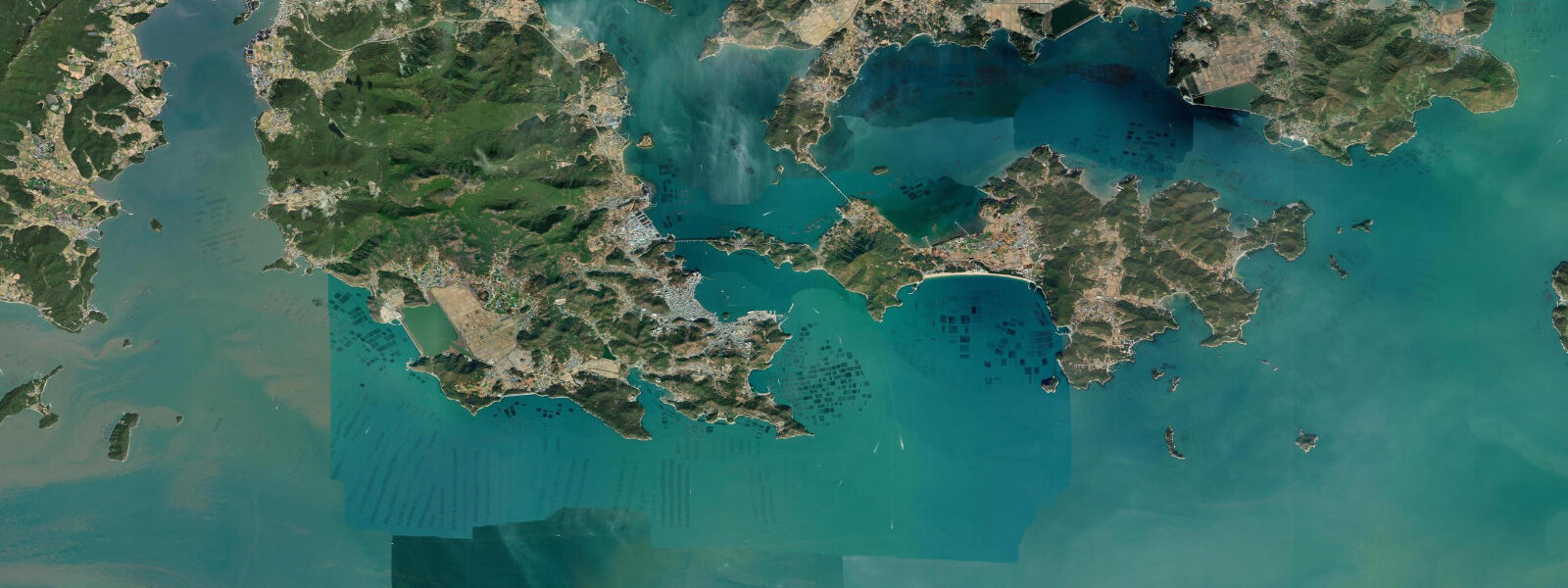
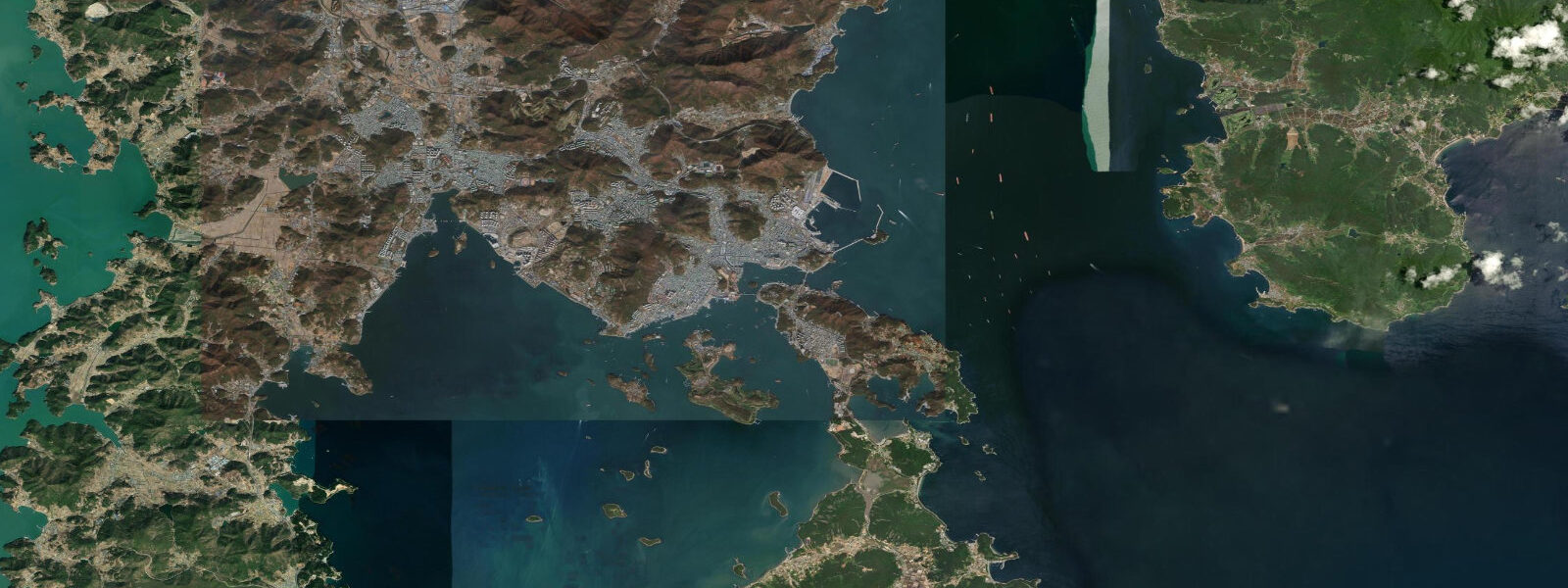
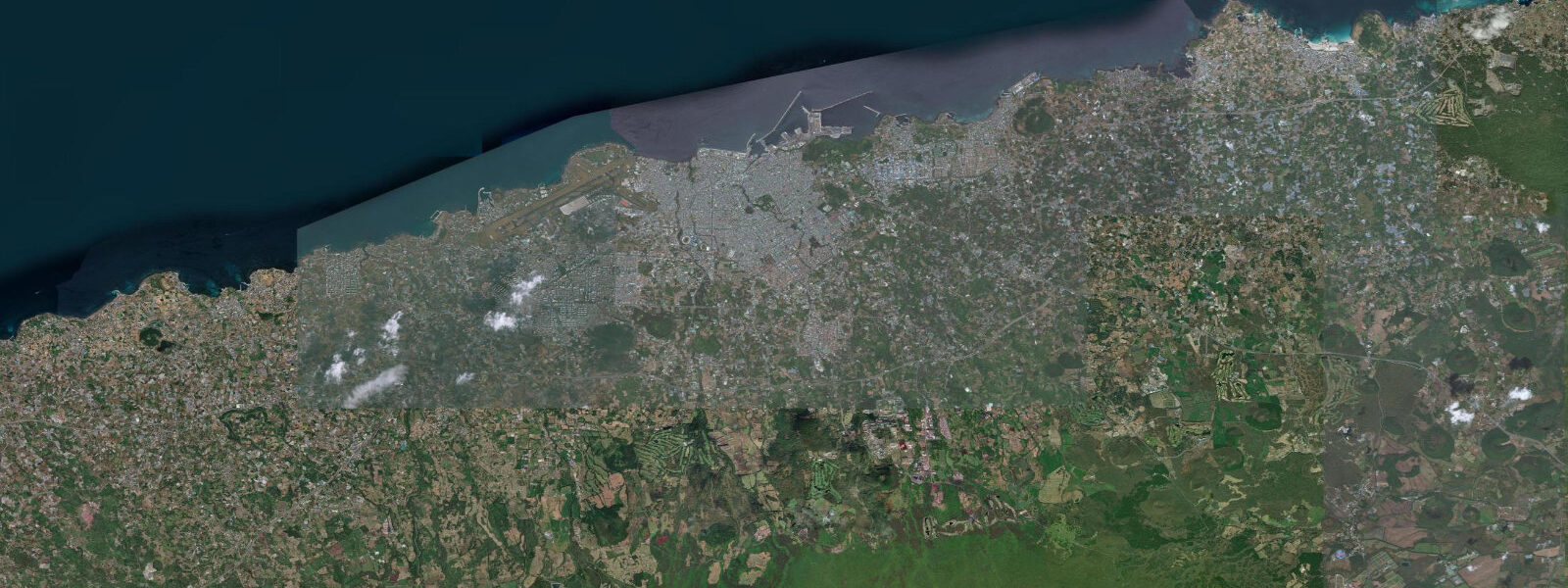
The three closest curated TideTurtle locations to Mokpo, measured by great-circle distance.
Today's solunar windows
Solunar tradition: major periods are the ≈3h windows around moon transit and opposition; minor are ≈2h around moonrise and moonset. Pair with the local tide stage and wind for the best read.
Cycle dates near Mokpo
Last spring tide on Tue 04 Aug (range 3.5m). Next spring tide on Mon 10 Aug (range 4.1m). Next neap on Sun 09 Aug.
Spring tides cluster around new and full moons (biggest swings). Neap tides land on quarter moons (smallest swings). See the spring tide and neap tide glossary entries for the why.
About tides at Mokpo
A short guide to the coastline at Mokpo — geography, sea state, and what the tide is actually doing under your feet.
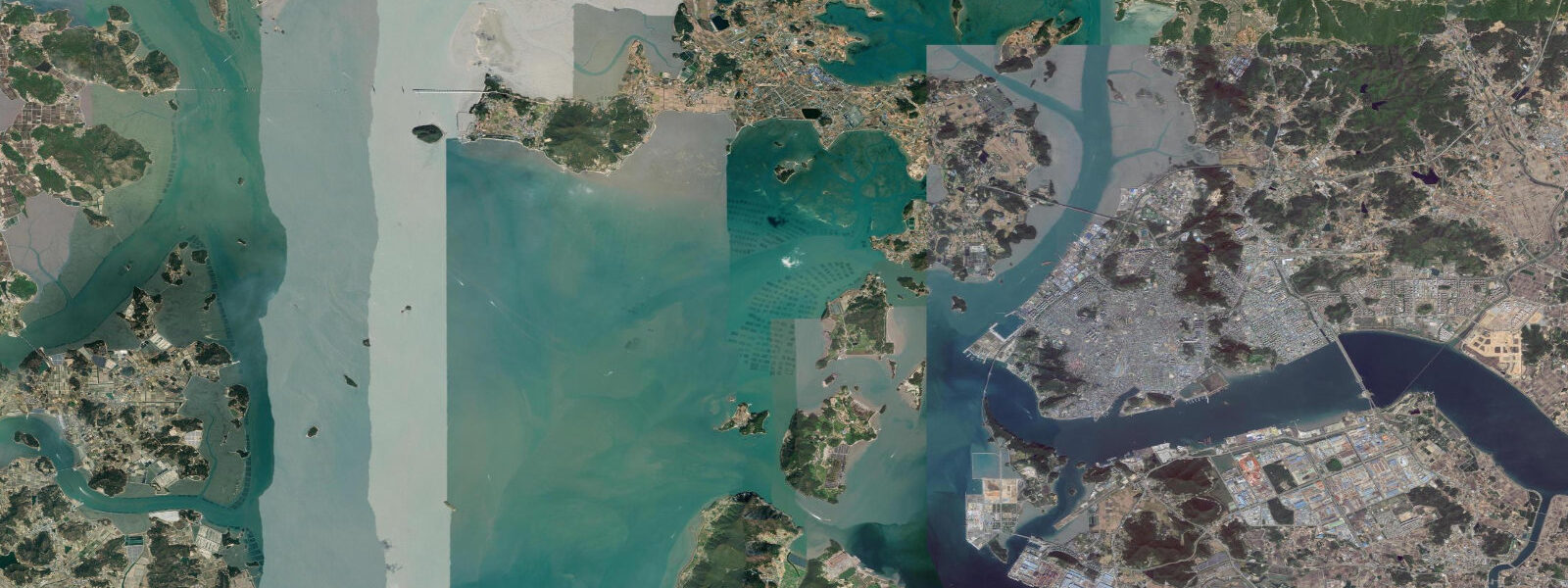
Mokpo is a port city on South Korea's southwest coast, at the point where the Yeongsan River meets the Yellow Sea. It is a working industrial and fishing port without the tourist infrastructure of Yeosu, but its tidal environment is one of the most dramatic in East Asia. The spring tidal range here is 3.5–4.0 m — the Yellow Sea's semi-enclosed shallow basin amplifies the M2 tidal constituent to produce tides on par with the Bay of Fundy and the Severn Estuary in terms of their daily visual impact on the landscape.
At spring low water, the tidal flats — getbol — surrounding the islands and mainland shores around Mokpo expose for hundreds of metres. These are not sandy beaches but layered, dark-brown mud flats, ecologically dense with clams, gastropods, lugworms, crabs, and the shorebirds that come to feed on them. The Dadohaehaesang National Marine Park, which Mokpo serves as the main gateway, encompasses this archipelago of over 1,700 islands. Many of those islands are connected to each other and to the mainland by tidal flats that are navigable on foot at low water and completely submerged at high — a transformation visible on a 3-hour timescale from any elevated viewpoint.
For boaters, the 3.5–4.0 m spring range demands rigorous tidal planning. The approach channels to Mokpo harbour and to the inter-island ferry piers have charted depths that account for low-water clearance, but the anchorages behind the outer islands can dry completely at spring low. A vessel anchored in 3.5 m of water at high tide is sitting on the mud at low. Visitors on inter-island ferries — Mokpo is the departure point for ferries to Wando, Jeju, and the outer Dadohae islands — should expect the ferry pier water level to vary by up to 4 m between morning and afternoon sailings. Ferry schedules are designed around tidal windows; the larger ferries can berth at any state, but some smaller-island piers are tidal-access only.
For shore anglers, the Mokpo tidal flat environment is extraordinary. At spring low water, mudflat channels — the remnant creek systems that drain the flat — concentrate fish in a narrowing water envelope. Yellow sea bream, flathead, and mullet pile into these channels as the flat empties around them. Shore anglers wade the exposed flat at spring low, following the water's edge to the channel margins, and fish into the remaining standing water. The approach: leave the seawall 90 minutes before predicted low water, walk 150–300 m across the draining flat to the channel edge, and fish the last 45 minutes of ebb and first 45 minutes of flood — when the channel depth is shallowest and fish are most concentrated. Wear waterproof boots; the mud will pull at your feet. Do not wade the flat at spring ebb without knowing the exact predicted low time — the flat re-floods quickly on the spring flood at 1.5–2.0 m per hour, and incoming water can trap anglers on isolated mudflat islands.
For photographers, the Mokpo tidal cycle gives two unmissable visual windows daily: the spring low-water flat at maximum exposure, and the spring flood with the same landscape fully submerged. From the hillside viewpoints on Yudalsan (228 m, accessible by cable car or on foot), the panorama of the flat at low water — dark mud, snaking channels, stilted aquaculture frames — is a landscape found in few other places in the world. The flood arriving over the flat, when the thin sheet of advancing water catches the afternoon light, moves at walking speed and can be photographed in real time. Dawn light from Yudalsan over the low-water flat is the signature Mokpo shot.
For families, Mokpo is not a beach destination — the getbol is not swimming-friendly. The Mokpo Marine Cable Car, connecting Yudalsan to Goha Island over the harbour, gives aerial views of the tidal flat and island passages at any tidal state. The Gatbawi Rock geological site and the Mokpo Natural History Museum are shore-side attractions with no tidal dependency.
All tide predictions for Mokpo come from the Open-Meteo Marine gridded model. Timing accuracy is ±45 minutes; height accuracy is ±0.3 m above Chart Datum.
Tide questions about Mokpo
Quick answers to the most common questions about tide times, range, and water access at Mokpo.
How large is the tidal range at Mokpo and how does it compare to other parts of Korea?
Mokpo's spring tidal range is 3.5–4.0 m — among the largest in East Asia, comparable to the Severn Estuary and the Bay of Fundy. This is roughly three times the range of Yeosu 150 km to the southeast, reflecting the Yellow Sea's semi-enclosed shallow-basin amplification. Neap ranges drop to 1.5–2.0 m — still substantial. The practical consequence is that structures, anchorages, and fishing access change character completely between the two states. Model predictions carry ±45 minutes timing and ±0.3 m height uncertainty; for a 4 m tide, that height error is 7% — worthwhile for planning but imprecise for navigation over the shallowest tidal flat channels.
Is it safe to walk on the tidal flats around Mokpo?
Walking the Mokpo getbol at spring low water is a traditional activity — clamming, crabbing, and shore fishing all require it. The safety rules: know the exact predicted low-water time before walking out; set a hard turnaround of 30 minutes before that predicted low; the spring flood arrives at 1.5–2.0 m per hour and can cut off retreat routes faster than expected. Wear waterproof boots — mud reaches ankle depth in places. Never cross tidal flat channels without knowing their depth; they can be 0.5–1.5 m deep at low water. The ±45 minute model timing uncertainty adds to the required safety margin — leave the flat well before the model's predicted turn.
How do inter-island ferry schedules work at Mokpo given the large tidal range?
Mokpo is the main departure hub for ferries to Jeju, Wando, Hongdo, and the outer Dadohae islands. The large passenger ferries (1,000–2,000 GRT) berth at the main Mokpo Ferry Terminal regardless of tidal state — the pier is designed for the full 4 m range. Smaller ferries to minor islands operate from secondary piers that may have tidal access restrictions at spring low water. The practical planning point for visitors is that morning and afternoon sailings to the same destination may depart from different piers depending on tidal state, and sailing times are occasionally adjusted seasonally to avoid the extreme low-water window. Check the Korea Coastal Ferry Information System (kodea.or.kr) for current timetables — not just the ferry company website.
What are the best viewpoints for seeing the tidal flat from above?
Yudalsan (228 m) is the standard high viewpoint over the Mokpo tidal landscape. The cable car from the Mokpo Maritime Cultural Center ascends to a mid-station with a panoramic view of the harbour, tidal flat, and island passages; the summit adds another 80 m of elevation and a 360° view. The best timing for tidal-flat photography from Yudalsan is 60–90 minutes before and after the spring lower-low — when the flat is at maximum exposure but still has standing water in the channel systems to provide visual contrast with the dark mud. Dawn lighting from the summit falls west onto the flat from behind the photographer, creating clean, shadow-free illumination on the tidal surface.
What fishing methods work on the Mokpo tidal flats?
The dominant technique is mudflat edge fishing: walk out across the flat 90 minutes before spring low, position at the margin of a draining tidal channel 150–300 m from the seawall, and fish the 45-minute window on either side of low water when the channel is shallowest. Yellow sea bream and flathead are the primary targets using bottom rigs with ragworm or clam bait. Mullet work the channel margins throughout the tidal cycle and respond to bread-paste floats. Return to the seawall as soon as the flood begins. The ±45 minute model timing uncertainty means the flood can arrive earlier than predicted — plan your exit to reach the seawall 60 minutes before the predicted low, not after it.
8-day tide table — Mokpo
Heights relative to MSL. Predictions: Open-Meteo Marine (MeteoFrance SMOC, 0.08° grid) — heights relative to MSL (not chart datum / LAT). Model-derived.
| Day | Type | Time | Height |
|---|---|---|---|
| Tue 04 Aug | High | 09:00 | -1.2m |
| Low | 10:35 | -1.7m | |
| High | 17:02 | 1.8m | |
| Low | 22:49 | -1.4m | |
| Wed 05 Aug | High | 05:11 | 1.7m |
| Low | 11:15 | -1.6m | |
| High | 17:51 | 1.8m | |
| Low | 23:48 | -1.0m | |
| Thu 06 Aug | High | 05:36 | 1.5m |
| Low | 12:06 | -1.4m | |
| High | 18:50 | 1.8m | |
| Fri 07 Aug | Low | 00:56 | -0.6m |
| High | 06:18 | 1.3m | |
| Low | 13:10 | -1.2m | |
| High | 20:00 | 1.9m | |
| Sat 08 Aug | Low | 02:20 | -0.4m |
| High | 07:55 | 1.1m | |
| Low | 14:33 | -1.2m | |
| High | 21:11 | 2.0m | |
| Sun 09 Aug | Low | 03:41 | -0.5m |
| High | 09:21 | 1.0m | |
| Low | 15:42 | -1.3m | |
| Mon 10 Aug | High | 10:41 | 1.2m |
| Low | 16:47 | -1.6m | |
| High | 23:36 | 2.5m | |
| Tue 11 Aug | Low | 05:38 | -1.0m |
| High | 08:00 | 0.1m |