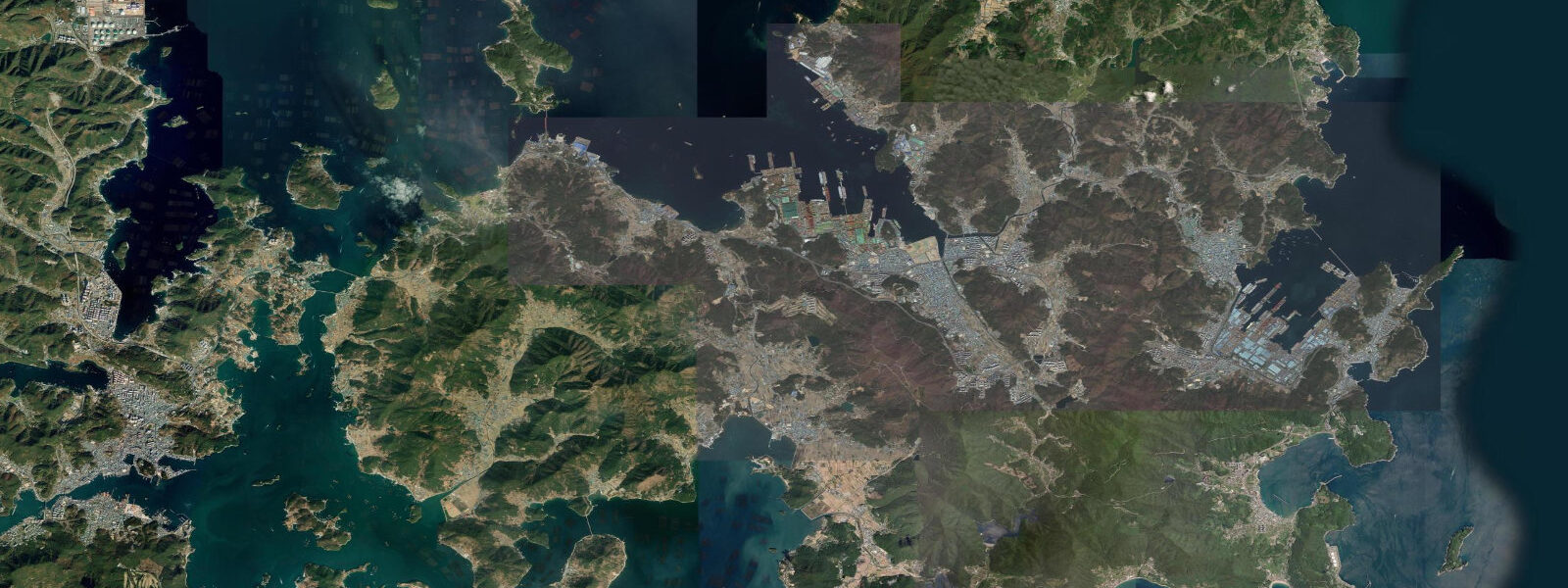
Geoje tide times
Geoje tide forecast — heights relative to MSL.
Today's tide times for Geoje
Tide times at Geoje on Monday, 3 August 2026: first low tide at 09:00, first high tide at 11:02, second low tide at 16:51, second high tide at 23:12. Sunrise 05:36, sunset 19:27.
Tide chart for Geoje
24-hour cosine-interpolated curve around the present moment. Heights relative to MSL. Predictions: Predictions: Open-Meteo Marine (MeteoFrance SMOC, 0.08° grid).
Sun, moon and conditions on Mon 03 Aug
Snapshot at build time — refreshes daily. Sea state from Open-Meteo Marine.
Highs and lows next 7 days
Every predicted high and low for the next week, with the daily tidal coefficient (0–120; higher = bigger swing, > 95 means stronger currents).
Other spots nearby
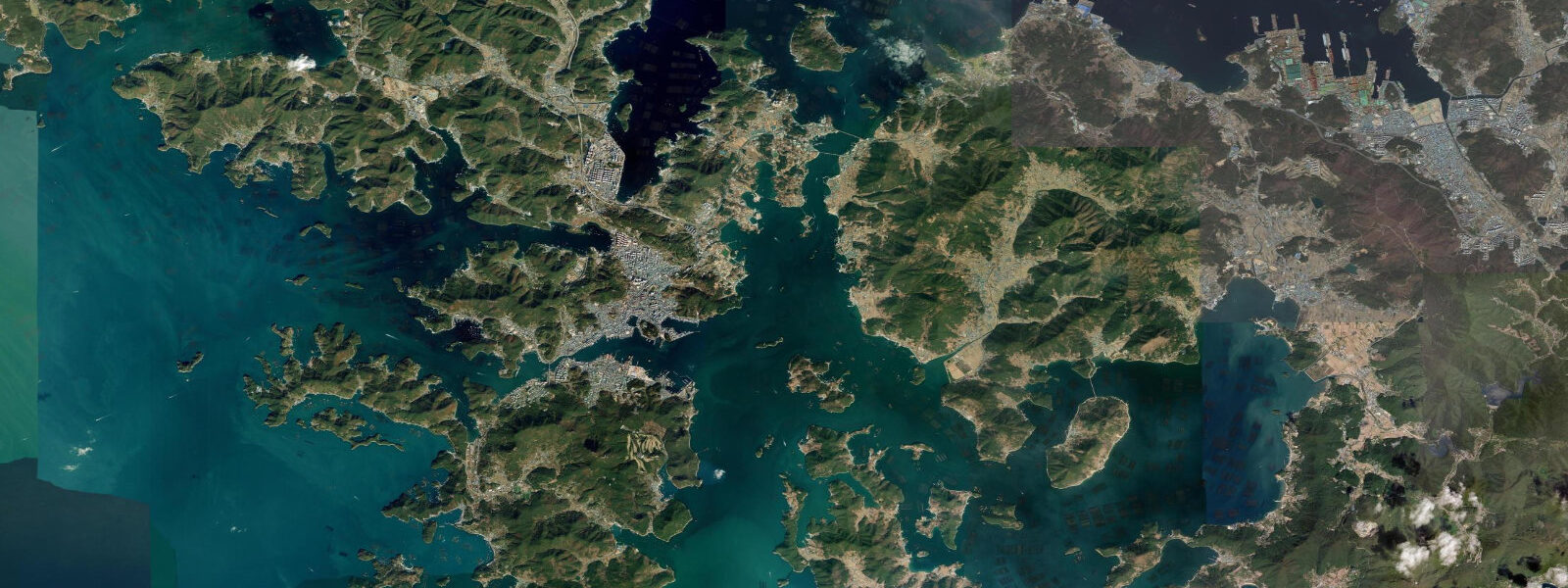
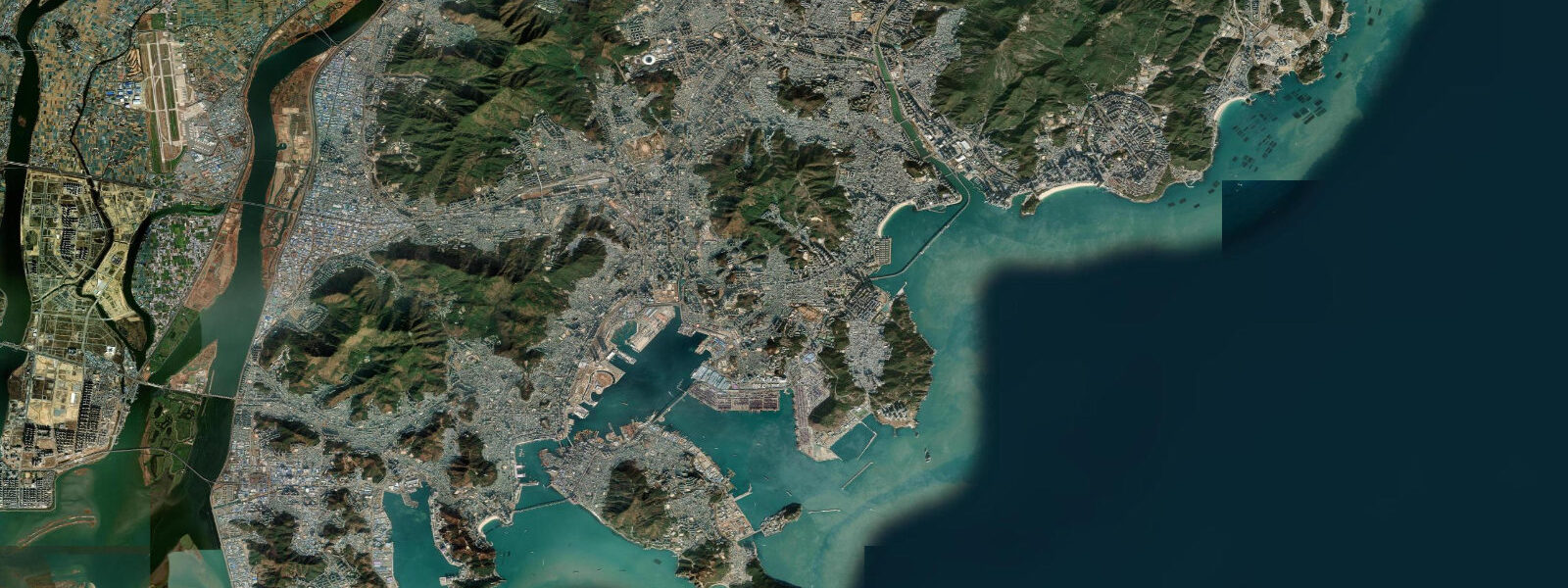
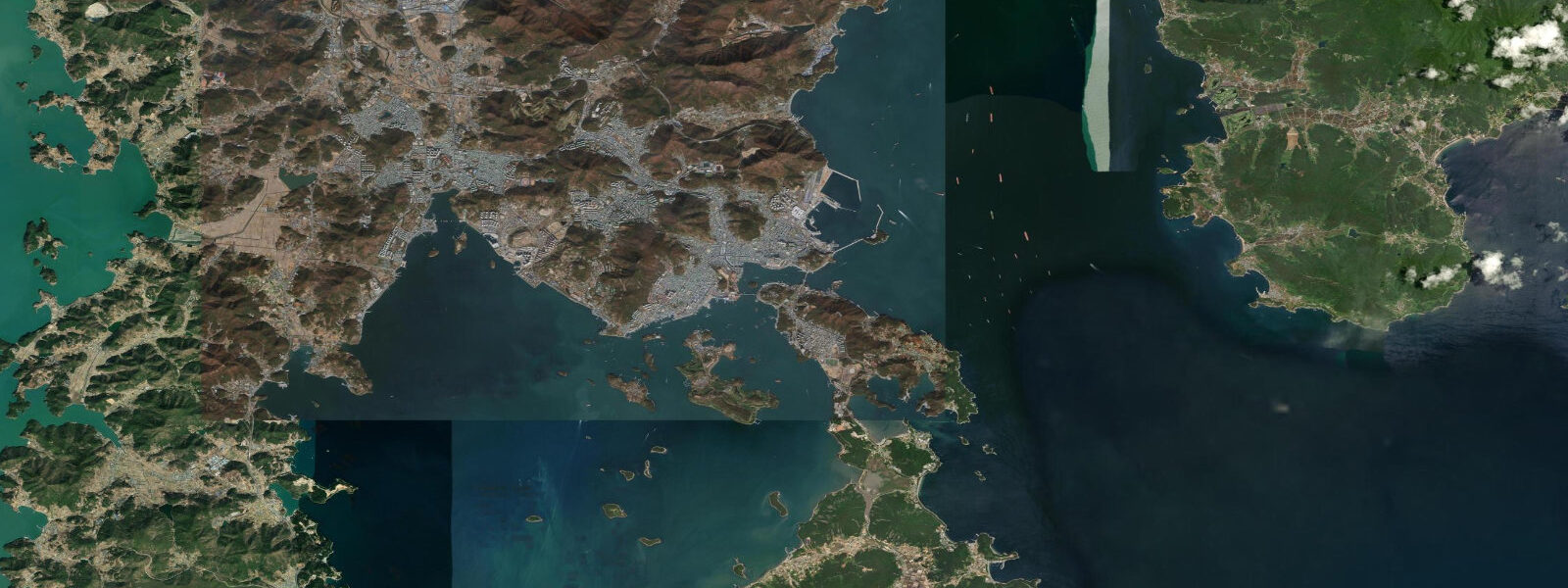
The three closest curated TideTurtle locations to Geoje, measured by great-circle distance.
Today's solunar windows
Solunar tradition: major periods are the ≈3h windows around moon transit and opposition; minor are ≈2h around moonrise and moonset. Pair with the local tide stage and wind for the best read.
Cycle dates near Geoje
Last spring tide on Mon 03 Aug (range 1.4m). Next neap on Sat 08 Aug.
Spring tides cluster around new and full moons (biggest swings). Neap tides land on quarter moons (smallest swings). See the spring tide and neap tide glossary entries for the why.
About tides at Geoje
A short guide to the coastline at Geoje — geography, sea state, and what the tide is actually doing under your feet.
Geoje is South Korea's second-largest island (after Jeju), connected to the mainland by bridges south of Busan, in the sheltered Korea Strait. The island is one of the world's largest shipbuilding centres — the Daewoo Shipbuilding & Marine Engineering (DSME) and Samsung Heavy Industries yards occupy large sections of the north coast. The south coast, however, is rugged and scenic: the Hallyeohaesang National Park on the south and west shores has the sea caves, cliffs, and the azalea-covered headlands that most people associate with Geoje. Tidal pattern is semidiurnal with a mean spring range of about 1.8 metres.
Oedo Botania (or Oedobotseom) is a tiny island (1.7 km²) south of Geoje that has been transformed into a botanical garden since 1976 — palm trees, cacti, and temperate plants fill the terraced island landscape, with the Korea Strait visible in every direction. Day boats from Geoje's Jangseungpo and Hak-dong ferry terminals take 30 to 40 minutes. The ferry schedule is tide-coordinated.
The Hakdong Mongdol Beach on the south coast is one of the few gravel and black stone beaches in Korea — the distinctive dark rounded stones give it a visual character unlike sand beaches. Swimming is calm (the south coast is sheltered from the main Korea Strait current by the island chain); the gravel bottom makes the water run clear even in mild chop.
Fishing on Geoje is a mix of inshore and offshore: sea bream (doomifish), red sea bream (domi), and flounder in the channels between the island and the mainland; offshore trolling for yellowtail (bangeodomi) and amberjack. Shore fishing from the rocky headlands of the south coast targets rock bream and smallmouth bass at low water. A Korean fishing licence is required for most recreational fishing.
The Geoje POW Camp (preserved from the Korean War, 1950–53) is one of the key historical sites on the island — the camp housed North Korean and Chinese prisoners; the 1952 prisoner uprising here became an international incident that affected armistice negotiations. The site is now a museum with reconstructed barracks and a detailed historical interpretation.
Predictions on this page come from Open-Meteo Marine, a gridded global ocean model. Accuracy is typically within plus or minus 45 minutes on timing and 0.2 to 0.3 metres on height — model-derived, not from a local gauge. For Korean tide data, consult the Korea Hydrographic and Oceanographic Agency at khoa.go.kr.
Tide questions about Geoje
Quick answers to the most common questions about tide times, range, and water access at Geoje.
What is the tidal range at Geoje?
Mean spring range at Geoje is approximately 1.8 metres. The Korea Strait between Geoje and Japan has significant tidal exchange; tidal current in the straits can run 1 to 2 knots on spring tides. The south and west coasts of Geoje (facing the Hallyeohaesang park area) are more sheltered; the north coast faces the busy ferry lanes between Busan and the mainland.
How do I get to Oedo Botania?
Ferry services to Oedo Botania depart from Geoje's Hak-dong (Hakdong), Jangseungpo, and Gohyeon ferry terminals. Journey time varies by departure point (30 to 60 minutes). The island is open to visitors during daylight hours; an entry fee applies on top of the ferry cost. Most routes also pass other scenic islets in the Hallyeohaesang National Park. Ferries run daily year-round but less frequently in winter; check the departure terminal schedule as timetables vary by season.
What is Hakdong Mongdol Beach?
Hakdong Mongdol Beach is on the south coast of Geoje, notable for its smooth black and dark grey rounded stones (mongdol means round stone in Korean). The beach is 800 metres long with a calm swimming area behind the breakwater at the east end. The distinctive dark stone beach contrasts with the green headlands; it's one of the more photographically distinctive beaches in Korea. The village behind the beach has seafood restaurants; fresh raw sea urchin (성게) and conch (소라) are the local specialties in season.
Is there hiking in the Hallyeohaesang National Park on Geoje?
Yes — Hallyeohaesang National Park covers the south and west coasts of Geoje and the surrounding islands. The main Geoje hiking areas include Gohyeonsan (338 m, ocean views), Nojarisan (565 m, the highest point, good azalea viewing in late April), and the coastal trails above the cliffs at Haggae. The national park office website (knps.or.kr) has trail maps and difficulty ratings. Azalea blooms in mid to late April are the peak hiking season; summer is hot and humid.
What is the Geoje POW Camp?
The Geoje POW Camp (1950–53) held over 170,000 North Korean and Chinese prisoners during the Korean War — the largest POW facility in Korean War history. The 1952 prisoner uprising, in which captives seized the camp commandant, became a global incident during armistice negotiations. The preserved camp with reconstructed barracks, guard towers, and interactive displays is at Sinhyeon-ri (15 minutes by bus from Gohyeon terminal). It's one of the most complete Korean War memorial sites in the country.
8-day tide table — Geoje
Heights relative to MSL. Predictions: Open-Meteo Marine (MeteoFrance SMOC, 0.08° grid) — heights relative to MSL (not chart datum / LAT). Model-derived.
| Day | Type | Time | Height |
|---|---|---|---|
| Mon 03 Aug | Low | 09:00 | 0.5m |
| High | 11:02 | 0.8m | |
| Low | 16:51 | -0.5m | |
| High | 23:12 | 0.8m | |
| Tue 04 Aug | Low | 05:12 | -0.6m |
| High | 11:42 | 0.8m | |
| Low | 17:26 | -0.4m | |
| High | 23:42 | 0.7m | |
| Wed 05 Aug | Low | 05:47 | -0.5m |
| Thu 06 Aug | High | 00:24 | 0.7m |
| Low | 06:26 | -0.3m | |
| Fri 07 Aug | High | 15:03 | 0.7m |
| Sat 08 Aug | Low | 09:10 | -0.1m |
| High | 16:55 | 0.8m | |
| Sun 09 Aug | Low | 10:54 | -0.1m |
| High | 17:51 | 1.0m | |
| Mon 10 Aug | Low | 00:17 | -0.1m |
| High | 06:20 | 0.7m | |
| Low | 08:00 | 0.5m |