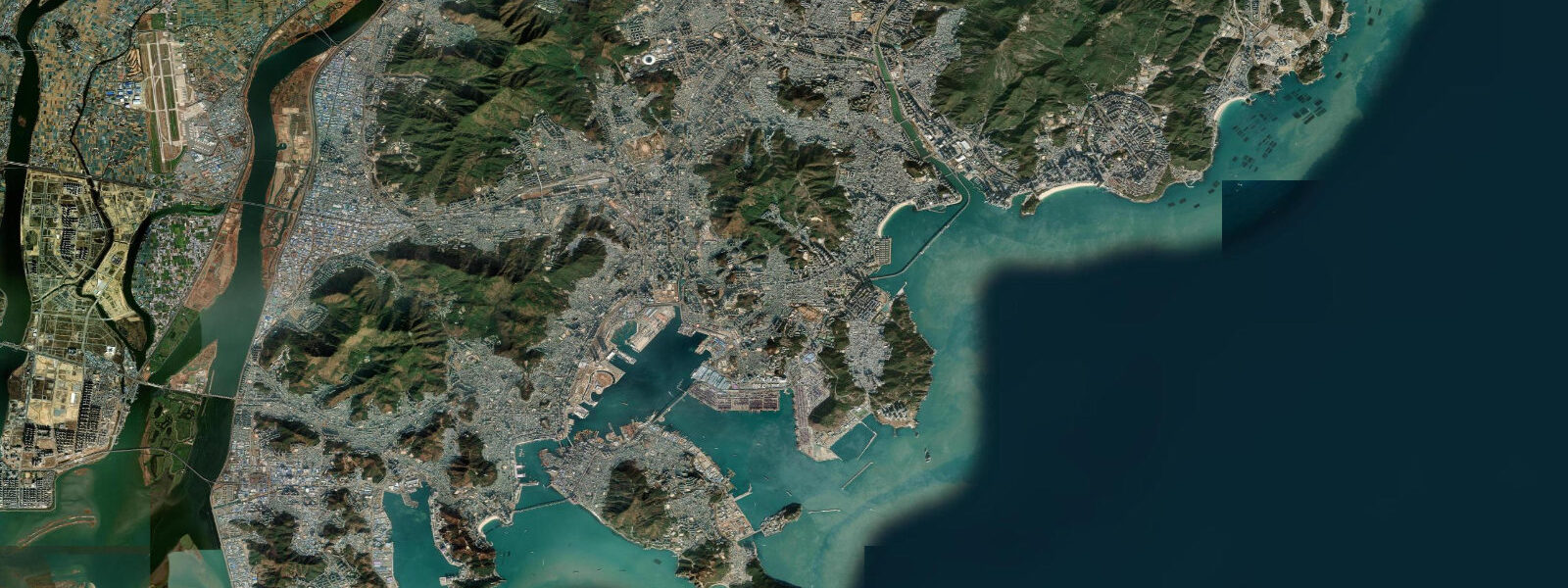
Busan (Haeundae), Gyeongsang tide times
Busan (Haeundae), Gyeongsang tide forecast — heights relative to MSL.
Today's tide times for Busan (Haeundae), Gyeongsang
Tide times at Busan (Haeundae), Gyeongsang on Sunday, 26 July 2026: first high tide at 09:00, first low tide at 11:50, second high tide at 18:22. Sunrise 05:27, sunset 19:32.
Tide chart for Busan (Haeundae), Gyeongsang
24-hour cosine-interpolated curve around the present moment. Heights relative to MSL. Predictions: Predictions: Open-Meteo Marine (MeteoFrance SMOC, 0.08° grid).
Sun, moon and conditions on Sun 26 Jul
Snapshot at build time — refreshes daily. Sea state from Open-Meteo Marine.
Highs and lows next 7 days
Every predicted high and low for the next week, with the daily tidal coefficient (0–120; higher = bigger swing, > 95 means stronger currents).
Other spots nearby
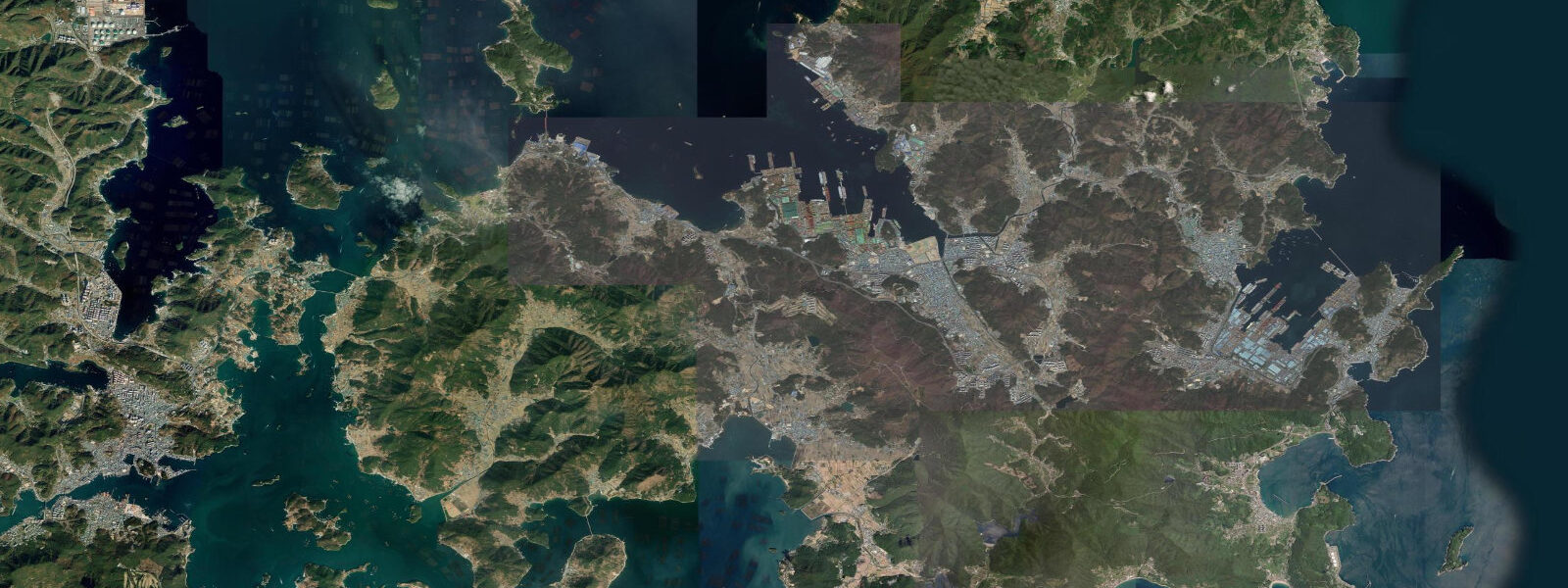
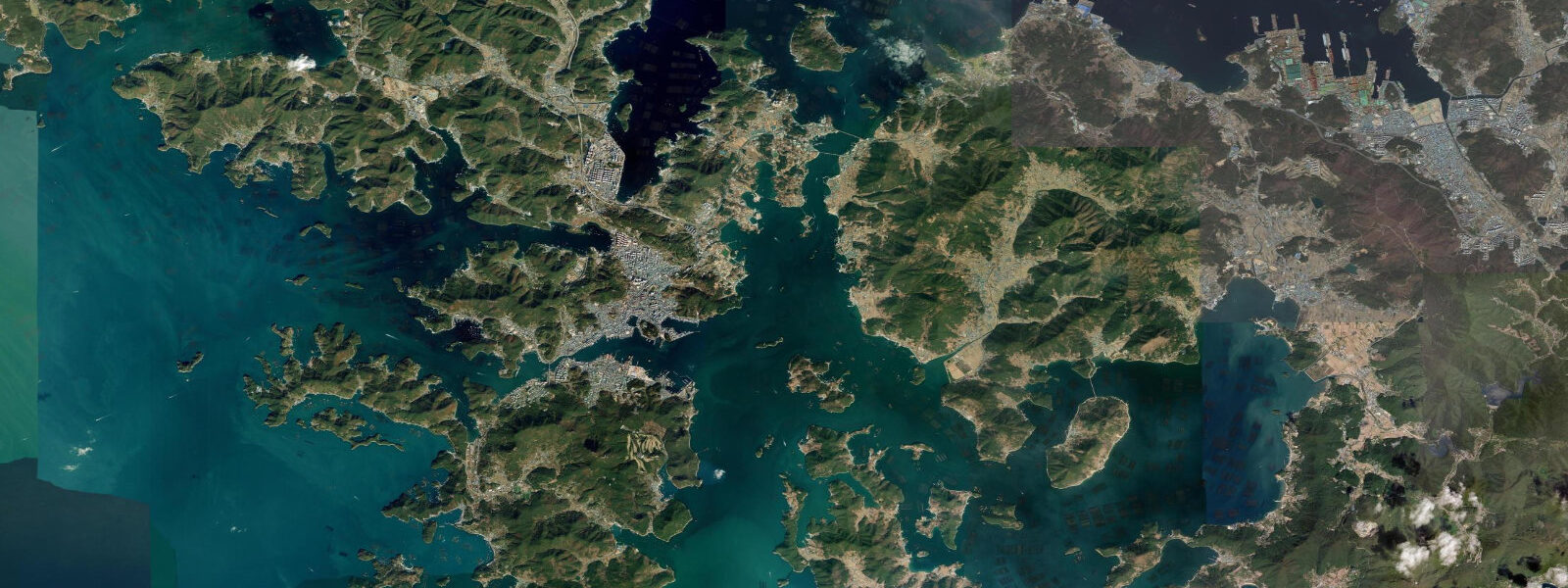
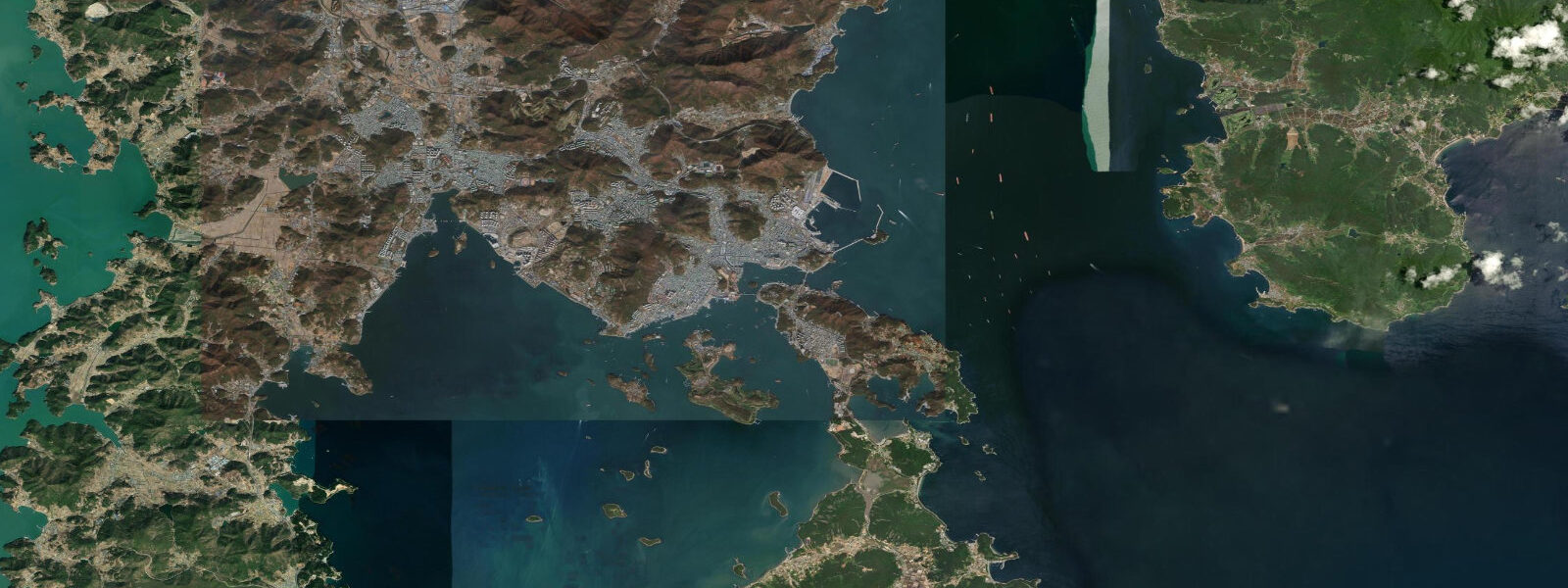
The three closest curated TideTurtle locations to Busan (Haeundae), Gyeongsang, measured by great-circle distance.
Today's solunar windows
Solunar tradition: major periods are the ≈3h windows around moon transit and opposition; minor are ≈2h around moonrise and moonset. Pair with the local tide stage and wind for the best read.
Cycle dates near Busan (Haeundae), Gyeongsang
Next spring tide on Sat 01 Aug (range 1.2m). Last neap on Sun 26 Jul.
Spring tides cluster around new and full moons (biggest swings). Neap tides land on quarter moons (smallest swings). See the spring tide and neap tide glossary entries for the why.
About tides at Busan (Haeundae), Gyeongsang
A short guide to the coastline at Busan (Haeundae), Gyeongsang — geography, sea state, and what the tide is actually doing under your feet.
Busan fronts the Strait of Korea on the south-east coast of the Korean peninsula, the country's second city and largest port, with Haeundae Beach on the eastern flank, Gwangalli Beach across the headland to the south, and the working container terminals of the Port of Busan New Port wrapping the western coast. The tide here is a moderate semidiurnal signal modulated by the Strait of Korea geometry between the peninsula and the Japanese island of Tsushima. 4 on neaps.
The pattern is two highs and two lows of comparable size about twelve and a half hours apart. Down the south-west coast of Korea at Mokpo and the Yellow Sea flats the range grows to 4 metres or more on the same lunar phase — among the largest swings on the East Asian coast — but the Busan side of the peninsula sees the smaller Strait of Korea signal that the Tsushima Current modulates. The defining seasonal cultural feature at Haeundae is the winter sand-sculpture festival.
From late January through February the city builds large-scale sand sculptures along the Haeundae beach corridor that draw winter tourism even when the water temperature drops near freezing. The summer sea-bathing season runs from June through August with the beach corridor packed during the Haeundae Sand Festival in early summer and the Busan International Film Festival (BIFF) drawing global crowds to the Centum City and Haeundae area in early October. The Jagalchi Fish Market on the western side of the city is the largest seafood market on the Korean peninsula and the morning auctions read the boat-return calendar from the Strait of Korea grounds.
Surfing at Songjeong Beach east of Haeundae works on the typhoon-season swell from August through October. Diamond-shape Gwanganli Bridge spans the bay between Gwangalli and Suyeong with one of the great urban-night skylines of East Asia. Tsushima ferry departures from the International Ferry Terminal, the working harbour pilotage windows for the New Port container terminals, the Yongdusan Park observation deck, the Beomeosa Buddhist temple in the inland mountains, and the Songdo Skywalk cantilevered out over the Nampo waterfront all read different parts of the working calendar.
The Korea Hydrographic and Oceanographic Agency (KHOA) publishes the authoritative tide tables; Open-Meteo Marine drives the gridded predictions on this page.
Tide questions about Busan (Haeundae), Gyeongsang
Quick answers to the most common questions about tide times, range, and water access at Busan (Haeundae), Gyeongsang.
When is the next high tide at Busan?
The hero block shows the next high tide at the Busan harbour gauge in local Korean time (KST, UTC+9, no DST). The 7-day table covers all daily highs and lows. The Haeundae Beach gauge a few kilometres east reads at the same timing through the open Strait of Korea exposure.
What's the typical tide range at Busan?
Mean range at the Busan harbour gauge is about 1.2 metres — a moderate semidiurnal signal. Spring tides push close to 1.7 metres and neaps drop near 0.4. Down the south-west coast at Mokpo the same lunar phase produces a 4-metre range or more — the Yellow Sea side runs one of the largest swings on the East Asian coast, but the Strait of Korea side at Busan sees a smaller signal modulated by the Tsushima Current.
Where do these tide predictions come from?
Open-Meteo Marine, a gridded global ocean model. Useful for planning Haeundae and Gwangalli swimming windows, Songjeong typhoon-season surf timing, Tsushima ferry crossings, and the Jagalchi morning fish-market arrival timing. For authoritative Korean tide data, the Korea Hydrographic and Oceanographic Agency (KHOA) publishes the official tide tables.
What's the Haeundae winter sand-sculpture and beach calendar?
From late January through February the city builds large-scale sand sculptures along the Haeundae beach corridor that draw winter tourism even when the water temperature drops near freezing — the festival is a Busan signature event. The summer sea-bathing season runs from June through August with the Haeundae Sand Festival in early summer. The Busan International Film Festival (BIFF) draws global crowds to the Centum City and Haeundae area in early October. Tide windows matter for the working calendar at Songjeong surf and the Jagalchi fish market more than for the festival programming.
Is this safe to use for navigation?
No. For piloting in or out of the Busan harbour, the New Port container terminals, or transiting the Strait of Korea use the Korea Hydrographic and Oceanographic Agency (KHOA) authoritative tide tables, the Busan Port pilotage guidance, and the Korea Meteorological Administration typhoon-season warnings. Typhoon season runs August through October and tropical-storm surge can stack water above predicted by a metre or more during landfall events.
8-day tide table — Busan (Haeundae), Gyeongsang
Heights relative to MSL. Predictions: Open-Meteo Marine (MeteoFrance SMOC, 0.08° grid) — heights relative to MSL (not chart datum / LAT). Model-derived.
| Day | Type | Time | Height |
|---|---|---|---|
| Sun 26 Jul | High | 09:00 | 0.1m |
| Low | 11:50 | -0.1m | |
| High | 18:22 | 0.5m | |
| Mon 27 Jul | Low | 00:45 | -0.2m |
| High | 06:47 | 0.3m | |
| Low | 12:36 | -0.2m | |
| High | 19:06 | 0.6m | |
| Tue 28 Jul | Low | 01:18 | -0.3m |
| High | 07:23 | 0.4m | |
| Low | 13:13 | -0.3m | |
| High | 19:45 | 0.6m | |
| Wed 29 Jul | Low | 01:55 | -0.3m |
| High | 08:00 | 0.5m | |
| Low | 13:46 | -0.3m | |
| High | 20:16 | 0.7m | |
| Thu 30 Jul | Low | 02:25 | -0.3m |
| High | 20:47 | 0.8m | |
| Fri 31 Jul | Low | 02:55 | -0.4m |
| High | 09:06 | 0.6m | |
| Low | 14:55 | -0.3m | |
| High | 21:20 | 0.8m | |
| Sat 01 Aug | Low | 03:25 | -0.4m |
| High | 21:50 | 0.8m | |
| Sun 02 Aug | Low | 03:55 | -0.3m |
| High | 08:00 | 0.4m |