Pulau Ubin, Singapore tide times
Pulau Ubin, Singapore tide forecast — heights relative to MSL.
Today's tide times for Pulau Ubin, Singapore
Tide times at Pulau Ubin, Singapore on Tuesday, 4 August 2026: first low tide at 08:00, first high tide at 14:23, second low tide at 20:35. Sunrise 07:05, sunset 19:15.
Tide chart for Pulau Ubin, Singapore
24-hour cosine-interpolated curve around the present moment. Heights relative to MSL. Predictions: Predictions: Open-Meteo Marine (MeteoFrance SMOC, 0.08° grid).
Sun, moon and conditions on Tue 04 Aug
Snapshot at build time — refreshes daily. Sea state from Open-Meteo Marine.
Highs and lows next 7 days
Every predicted high and low for the next week, with the daily tidal coefficient (0–120; higher = bigger swing, > 95 means stronger currents).
Other spots nearby
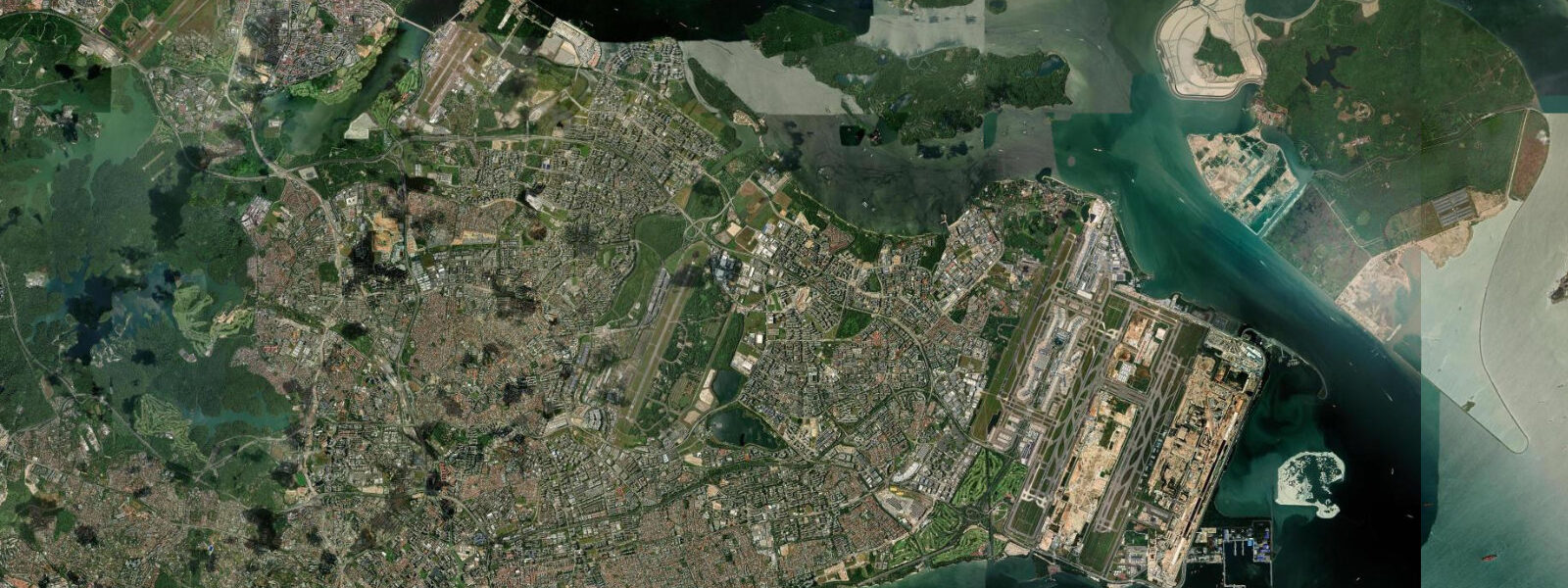
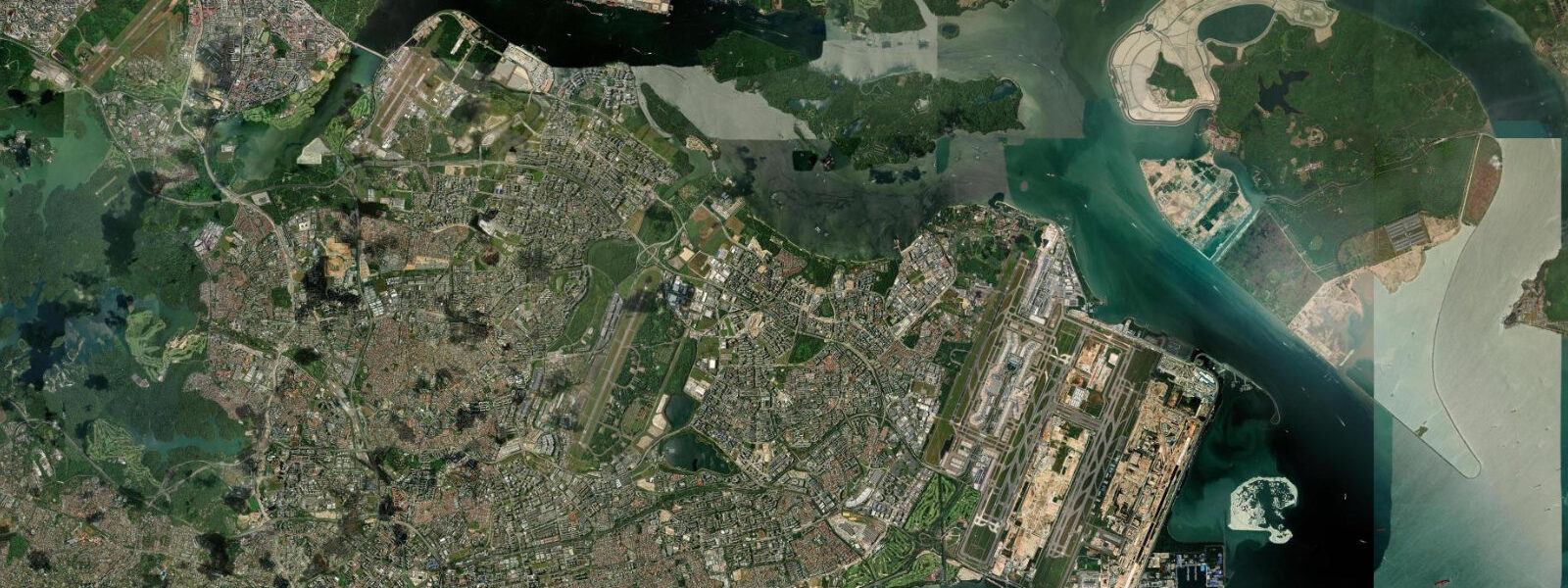
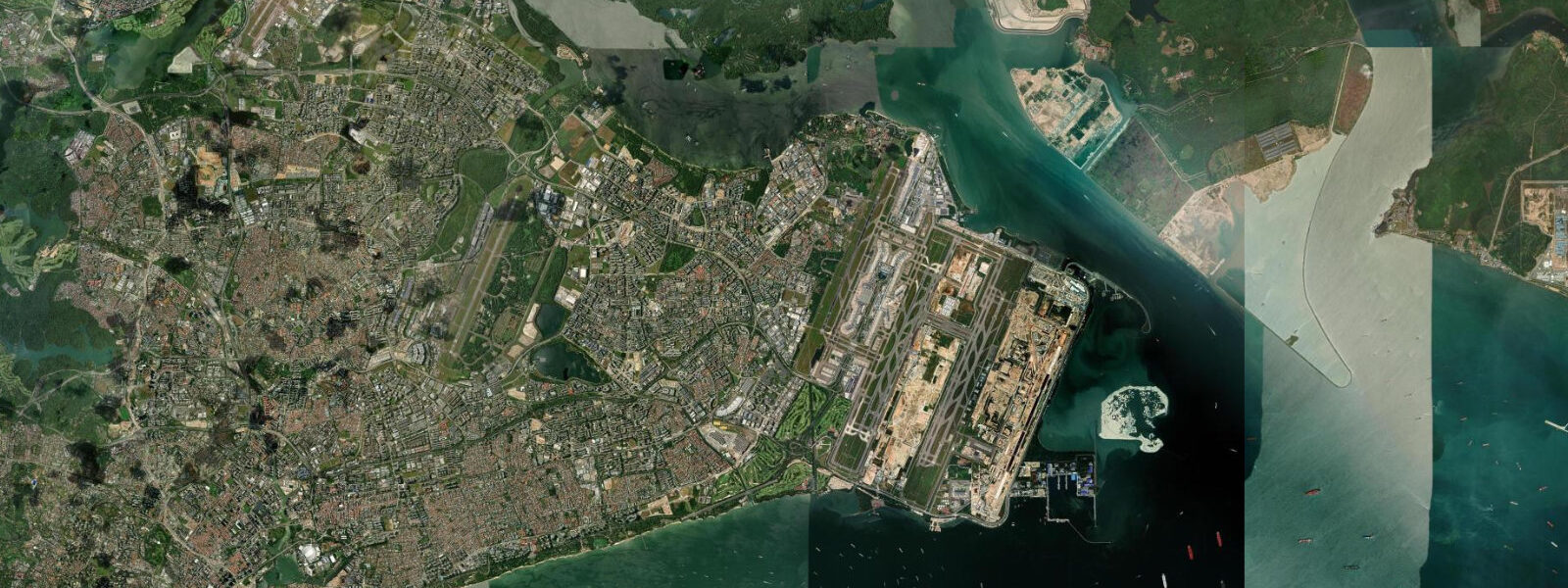
The three closest curated TideTurtle locations to Pulau Ubin, Singapore, measured by great-circle distance.
Today's solunar windows
Solunar tradition: major periods are the ≈3h windows around moon transit and opposition; minor are ≈2h around moonrise and moonset. Pair with the local tide stage and wind for the best read.
Cycle dates near Pulau Ubin, Singapore
Last spring tide on Tue 04 Aug (range 1.8m). Next spring tide on Mon 10 Aug (range 1.9m). Next neap on Sat 08 Aug.
Spring tides cluster around new and full moons (biggest swings). Neap tides land on quarter moons (smallest swings). See the spring tide and neap tide glossary entries for the why.
About tides at Pulau Ubin, Singapore
A short guide to the coastline at Pulau Ubin, Singapore — geography, sea state, and what the tide is actually doing under your feet.
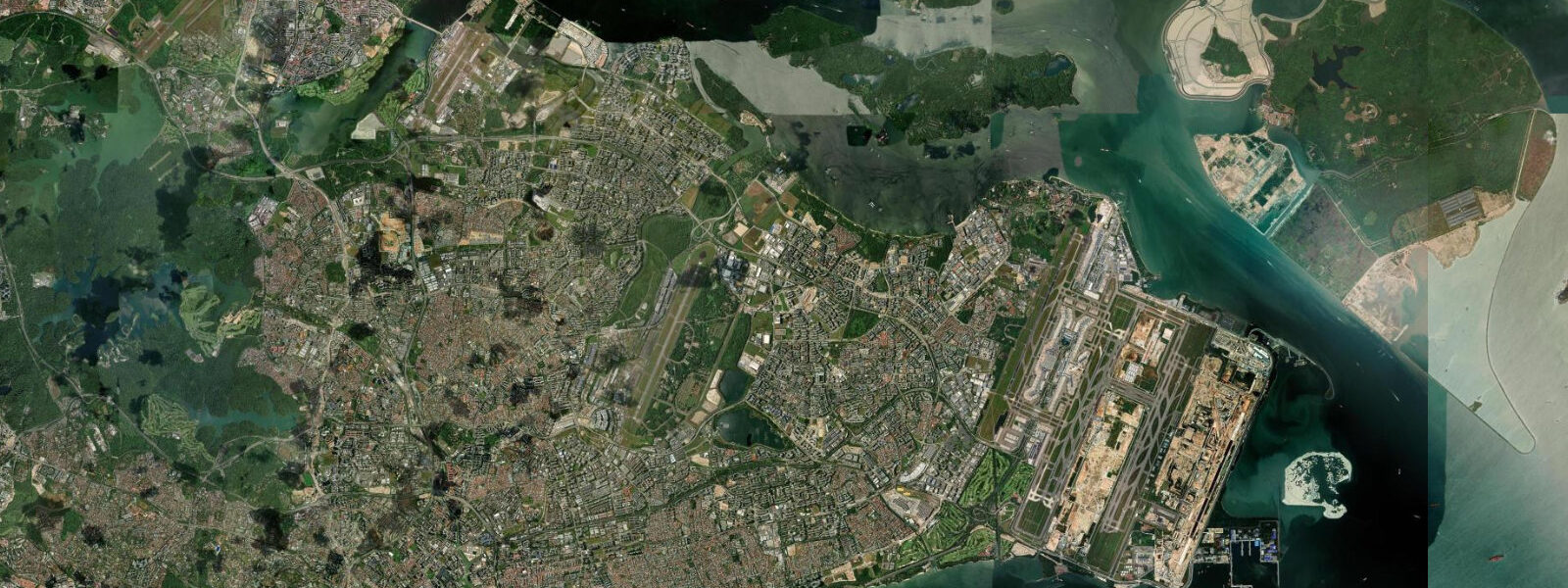
Pulau Ubin sits in the Strait of Johor between Singapore's northeastern shore and the Malaysian state of Johor, a 15-minute bumboat ride from Changi Point Ferry Terminal at a flat fare that has stayed unchanged for years. It is Singapore's last functioning kampung landscape: granite quarries long since quieted, rubber and durian plantations, wooden village houses on stilts, a few small shops selling cold drinks and provisions. The contrast with the mainland is deliberate — the Singapore government has preserved Ubin as a heritage and nature reserve rather than clearing it for development, and that decision has made it one of the most unusual places reachable from a global city within half an hour.
The Chek Jawa Wetlands on the island's eastern tip are the primary reason most visitors time their trip against the tide table. Chek Jawa is a rare overlap of six coastal ecosystems — rocky shore, sandy shore, seagrass lagoon, coral rubble, mangrove, and coastal forest — concentrated in a compact headland accessible via a 1 km boardwalk. The boardwalk is open at all tide states, but the intertidal zone below it only reveals itself on the spring low tides. During a spring low — the lowest water of the month, occurring in the three to four days around new and full moons — the exposed flats extend well beyond the boardwalk edge. Guided intertidal walks take participants across the seagrass and sand to sea stars, anemones, fiddler crabs emerging from their burrows in their hundreds, mudskippers navigating the mangrove roots, and the occasional horseshoe crab in the shallows. The accessible intertidal window at Chek Jawa is approximately 2 hours either side of the spring low. On neap tides, the boardwalk is the only route and the intertidal zone remains submerged.
The Straits of Johor runs a semidiurnal tidal regime — two highs and two lows of roughly similar size each day — with a spring range of 2.0 to 2.5 m. This range is enough to expose broad flat terrain at Chek Jawa on the lowest spring tides, and to bring the water back up to the boardwalk base on the highest spring highs. Tidal currents in the strait run 0.5 to 1.5 knots depending on the phase; kayakers crossing from Changi Point use the flood to ease the 1 km crossing, and the small ferries serving the Johor Bahru waterfront run around the clock regardless of tidal state.
The rest of the island is accessible by bicycle — rentals at the main jetty for a few dollars, no motor vehicles permitted for visitors, 10 km of paved road and gravel track connecting the jetty, the quarry ponds, Teck Seng's Place heritage zone, Noordin Beach on the north coast, and the kampung clusters along the main road. Wild boar and monitor lizards are common across the island; both are habituated to people but should be given space. Boars with piglets can be territorial when surprised at close range. Anglers work the jetty pilings, the granite outcrops on the northern coast, and the channel edges for mangrove jack, grouper, and queenfish on the incoming tide; the flood current along the rocks is the productive window.
Photographers come for two specific things: the wetlands boardwalk at golden hour on a spring low, and the view from the main road of Singapore's industrial container terminals rising behind kampung rooftops and palm trees — an image of two Singapores in one frame. NParks manages the Chek Jawa guided walks programme; booking is required and places are listed on the NParks website each month keyed to the spring low-tide calendar. Predictions on this page come from Open-Meteo Marine, a gridded global ocean model, accuracy ±45 min / ±0.2–0.3 m.
Tide questions about Pulau Ubin, Singapore
Quick answers to the most common questions about tide times, range, and water access at Pulau Ubin, Singapore.
When is the next high tide at Pulau Ubin?
The hero block at the top of this page shows the next predicted high tide at Pulau Ubin in Singapore Standard Time (SST, UTC+8). The Straits of Johor is semidiurnal — two roughly equal highs and two lows each day. Spring tides occur around new and full moons and push the range to 2.0 to 2.5 m. The 7-day table below covers all four daily extremes. For Chek Jawa intertidal access, the key prediction to check is the lowest low water of each day, flagged in the table. Predictions from Open-Meteo Marine (gridded model, ±45 min / ±0.2–0.3 m).
What is the tidal range at Pulau Ubin?
Spring range in the Straits of Johor runs 2.0 to 2.5 m; neap tides during quarter moons compress it to around 1.2 to 1.5 m. The range is enough to expose the broad intertidal flats at Chek Jawa on the lowest spring tides and to flood the boardwalk edge at the spring high. Two tidal cycles per day, roughly six hours between each turning. The biggest swings of the month occur in the 3 to 4 days centred on new and full moon — those are the Chek Jawa intertidal dates to target.
Where do these predictions come from?
Open-Meteo Marine, a free gridded global ocean model. The model calculates tidal height across a geographic grid rather than from harmonic analysis of a local Singapore gauge, so accuracy is typically ±45 minutes on timing and ±0.2–0.3 m on height. For precise Chek Jawa guided-walk planning, the NParks website is the practical reference — it publishes open dates keyed directly to the low-tide calendar each month. The Maritime and Port Authority of Singapore (MPA) publishes gauge-calibrated harmonic predictions for Singapore waters for navigation-grade use.
When can I do the Chek Jawa intertidal walk?
Chek Jawa's intertidal zone is accessible for approximately 2 hours either side of a spring low tide, when the predicted water level drops low enough to expose the seagrass and sandy flats beyond the boardwalk edge. The accessible windows cluster around new and full moons each month. NParks runs guided walks on these dates; booking opens on a rolling monthly basis at nparks.gov.sg and fills quickly for the most accessible spring lows. On neap tides, the boardwalk is the only option — the intertidal zone stays covered.
Is this safe to use for navigation?
No. TideTurtle is a planning tool, not a nautical almanac. The Strait of Johor carries commercial and ferry traffic between Singapore and Johor Bahru and requires chart navigation. Current in the strait can run 1.5 knots on spring tides. For vessel operations in Singapore waters, use MPA-authoritative chart products and the Singapore Port Marine Notices. The bumboat operators who cross to Pulau Ubin daily are experienced with the strait conditions; independent kayakers crossing the strait should check current and shipping before departing.
8-day tide table — Pulau Ubin, Singapore
Heights relative to MSL. Predictions: Open-Meteo Marine (MeteoFrance SMOC, 0.08° grid) — heights relative to MSL (not chart datum / LAT). Model-derived.
| Day | Type | Time | Height |
|---|---|---|---|
| Tue 04 Aug | Low | 08:00 | -0.3m |
| High | 14:23 | 1.5m | |
| Low | 20:35 | -0.2m | |
| Wed 05 Aug | High | 02:38 | 1.5m |
| Low | 08:47 | -0.1m | |
| High | 14:55 | 1.5m | |
| Low | 21:20 | -0.2m | |
| Thu 06 Aug | High | 15:37 | 1.4m |
| Low | 22:11 | -0.3m | |
| Fri 07 Aug | High | 04:33 | 1.1m |
| Low | 10:15 | 0.3m | |
| High | 16:19 | 1.3m | |
| Low | 23:14 | -0.3m | |
| Sat 08 Aug | High | 06:02 | 1.0m |
| Low | 11:13 | 0.5m | |
| High | 17:13 | 1.2m | |
| Sun 09 Aug | Low | 12:43 | 0.7m |
| High | 18:46 | 1.2m | |
| Mon 10 Aug | Low | 01:54 | -0.4m |
| High | 09:47 | 1.1m | |
| Low | 14:18 | 0.7m | |
| High | 20:04 | 1.3m | |
| Tue 11 Aug | Low | 03:18 | -0.5m |
| High | 07:00 | 0.3m |