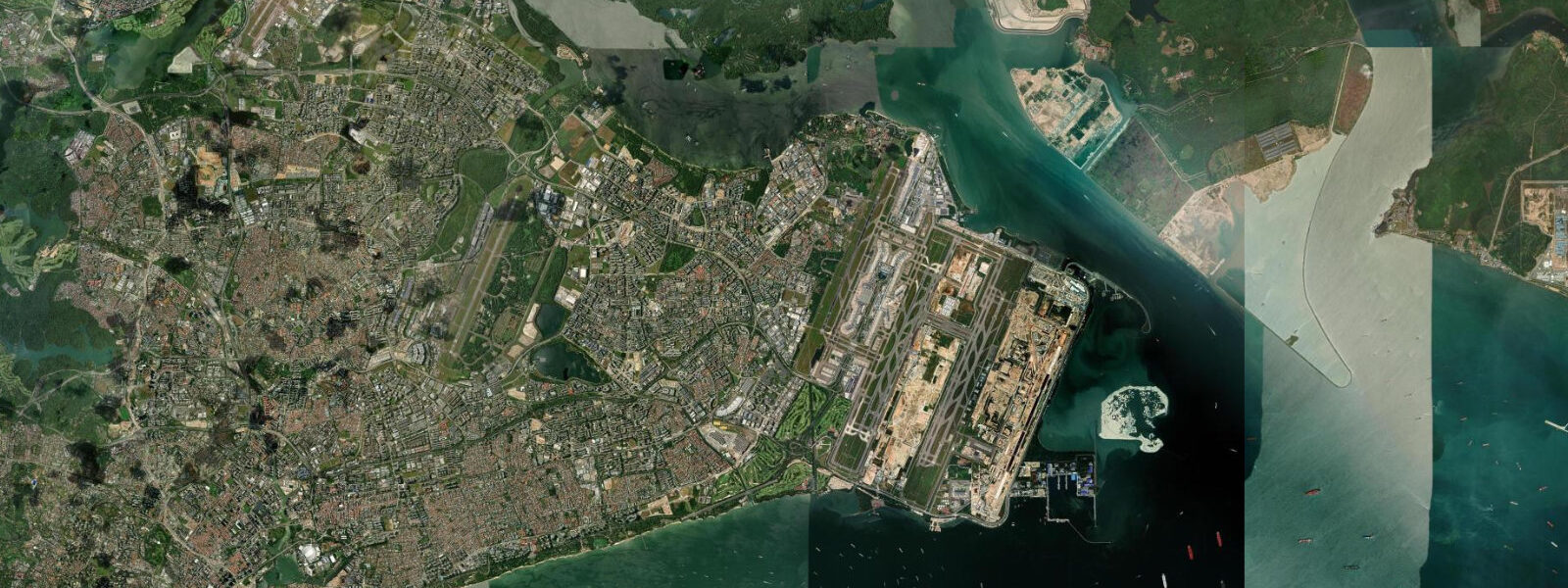
Changi Beach tide times
Changi Beach tide forecast — heights relative to MSL.
Today's tide times for Changi Beach
Tide times at Changi Beach on Tuesday, 4 August 2026: first low tide at 08:00, first high tide at 14:23, second low tide at 20:35. Sunrise 07:05, sunset 19:15.
Tide chart for Changi Beach
24-hour cosine-interpolated curve around the present moment. Heights relative to MSL. Predictions: Predictions: Open-Meteo Marine (MeteoFrance SMOC, 0.08° grid).
Sun, moon and conditions on Tue 04 Aug
Snapshot at build time — refreshes daily. Sea state from Open-Meteo Marine.
Highs and lows next 7 days
Every predicted high and low for the next week, with the daily tidal coefficient (0–120; higher = bigger swing, > 95 means stronger currents).
Other spots nearby
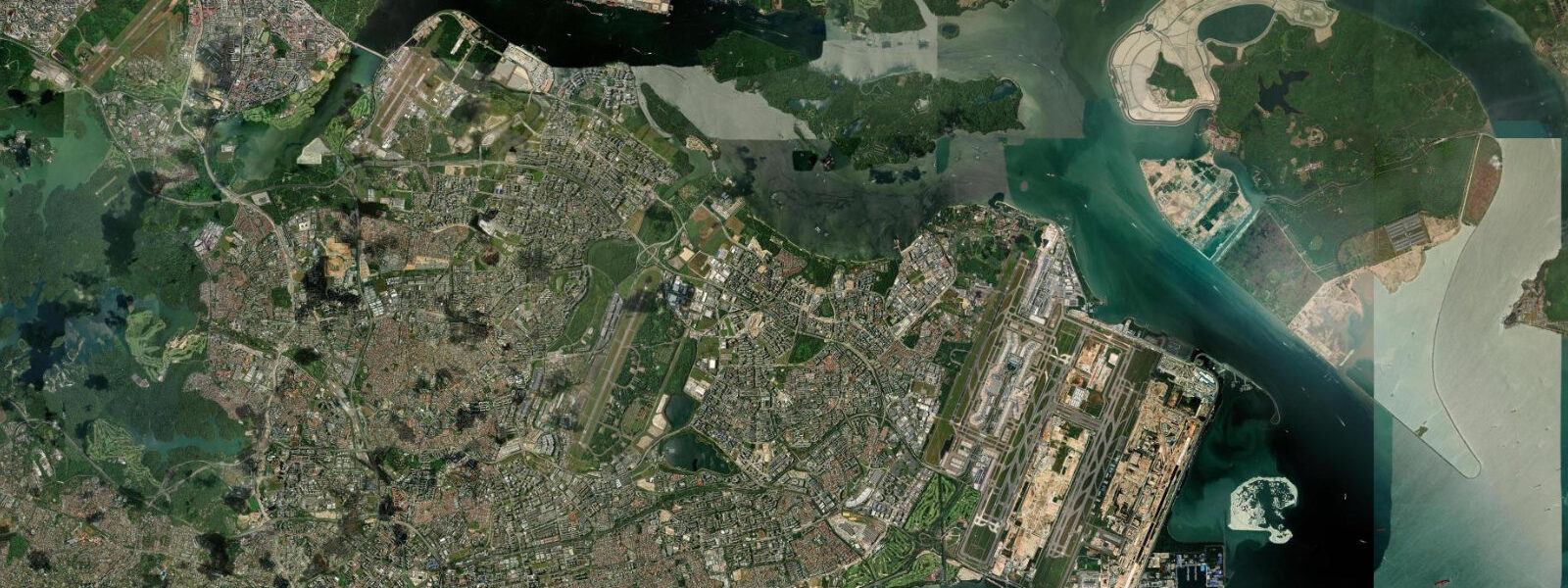
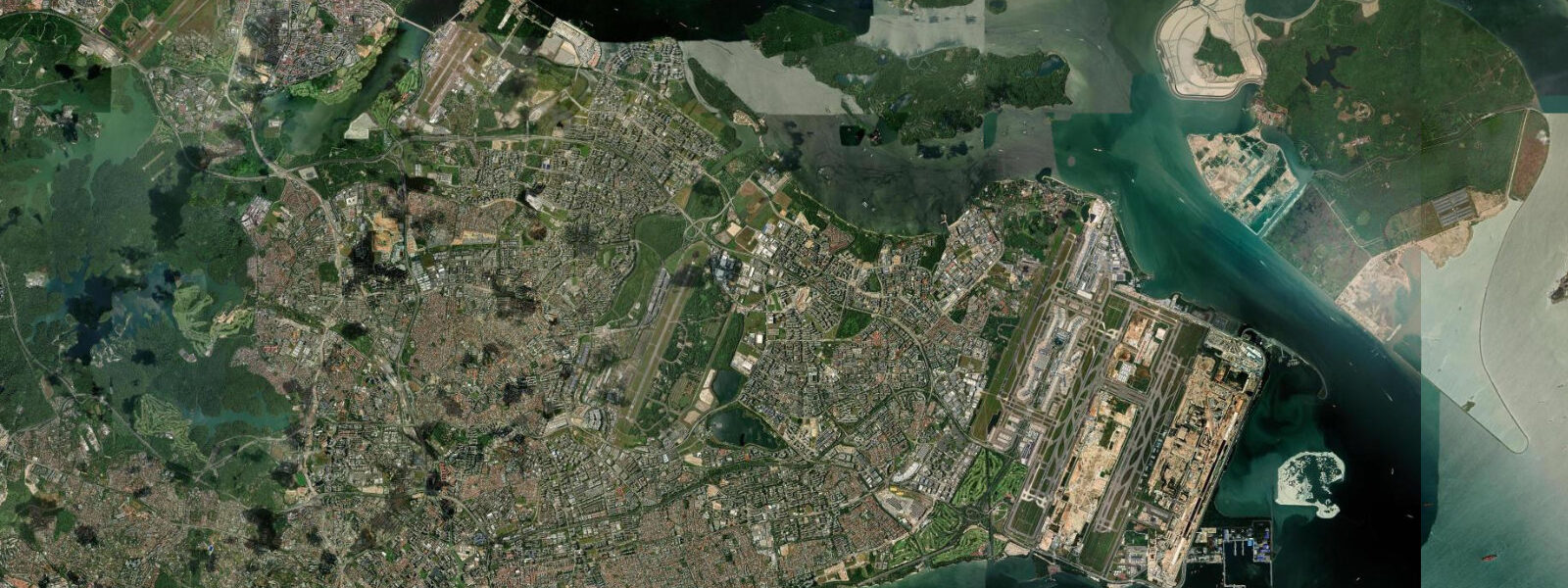
The three closest curated TideTurtle locations to Changi Beach, measured by great-circle distance.
Today's solunar windows
Solunar tradition: major periods are the ≈3h windows around moon transit and opposition; minor are ≈2h around moonrise and moonset. Pair with the local tide stage and wind for the best read.
Cycle dates near Changi Beach
Last spring tide on Tue 04 Aug (range 1.8m). Next spring tide on Mon 10 Aug (range 1.9m). Next neap on Sat 08 Aug.
Spring tides cluster around new and full moons (biggest swings). Neap tides land on quarter moons (smallest swings). See the spring tide and neap tide glossary entries for the why.
About tides at Changi Beach
A short guide to the coastline at Changi Beach — geography, sea state, and what the tide is actually doing under your feet.
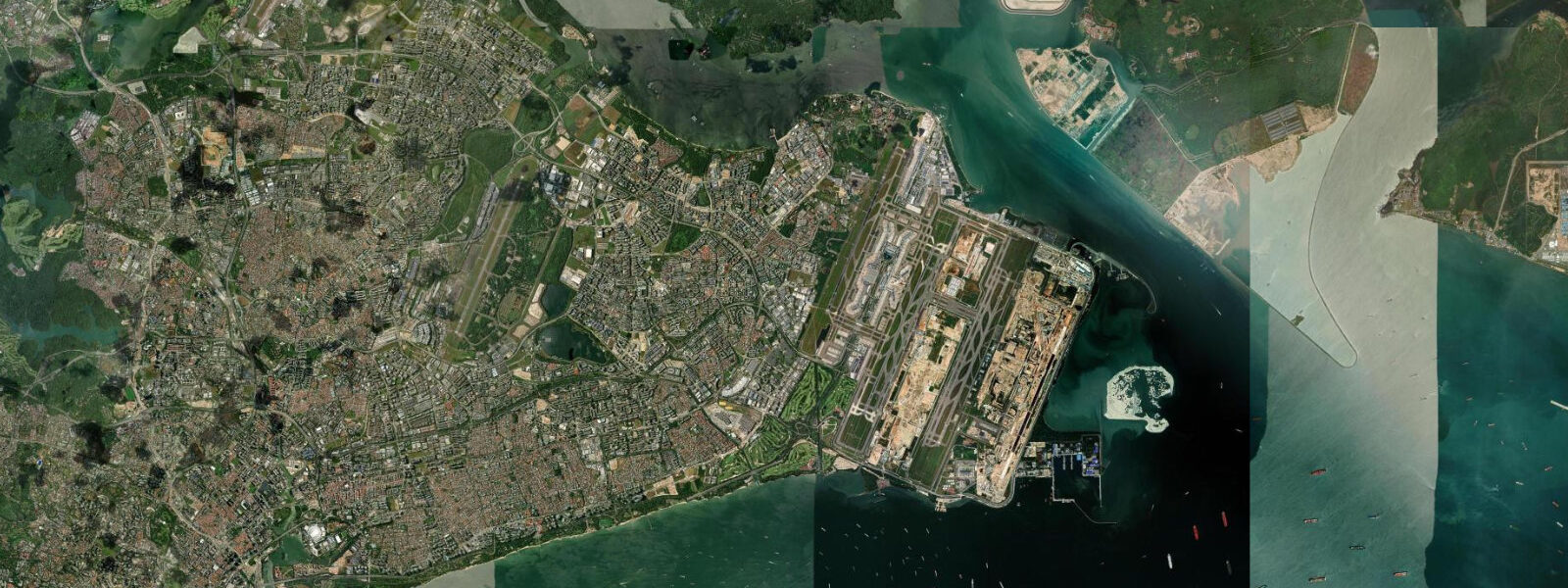
Changi Beach runs approximately 3 kilometres along Singapore's northeastern tip, from Changi Village adjacent to the ferry terminal for Pulau Ubin and Pengerang (Malaysia) westward toward Loyang. It is Singapore's longest beach, and it retains a quieter character than the more developed beaches at East Coast Park — the nearest MRT station (Changi Airport, East-West Line) requires a bus connection to the beach, which filters the weekend crowd. The beach faces the Johor Strait, with views across 2 to 3 kilometres of open water to the Malaysian coast on clear days.
The tidal range at Changi Beach is approximately 2.7 metres at springs, driven by the Johor Strait component of the Singapore tidal system. At low water springs, the sandflat exposed seaward of the beach is 50 to 100 metres wide — not as extensive as the flats at Chek Jawa, but sufficient for beach-walking, sand flat exploration, and recreational fishing from the beach face. At high water springs, the water reaches the upper beach edge and the shoreline narrows to a 15 to 20 metre strip between the water and the beach-facing trees. The tidal cycle is mixed semidiurnal with the characteristic diurnal inequality of the Singapore Strait: on some days, one high water is markedly higher than the other, creating an asymmetric flood-ebb pattern.
The Changi Coastal Walk, a dedicated 15-kilometre footpath running from Changi Beach Club westward toward Pasir Ris Park, follows the shoreline for most of its length. The walk passes through the Changi Spit area, where a sandbank extends into the Johor Strait at low water, and through the beach park facilities at Changi Village end. The walk can be extended into Pasir Ris Park through Sungei Api Api mangrove reserve — a total distance of around 20 kilometres if completed end to end.
At Changi Beach, the water quality is monitored by the National Environment Agency. Results are posted at the beach and on the NEA website. The Johor Strait has significant commercial and recreational boat traffic; stay within the designated swimming zones marked by buoys. The beach is shaded by a mature stand of sea almond (Terminalia catappa) and angsana (Pterocarpus indicus) trees that provide shelter from the midday sun, making the beach usable through the hottest part of the day.
Birdwatching at Changi Beach is productive, particularly during the northeast monsoon migration. The beach and the vegetation behind it attract small waders, the Johor Strait shore-line gets cormorant and heron, and the trees hold migrant flycatchers and warblers in October and November. The beach-facing vegetation at Changi Village end has long been a documented migration trap for small passerines.
The beach has barbecue pits, picnic tables, toilet and shower facilities, and a small selection of food vendors at the Changi Village end. The Changi Village hawker centre — a 10-minute walk from the beach — has a wide selection of local food, including the nasi lemak that Changi Village is locally known for. Public bus 29 connects Changi Village to Tanah Merah MRT.
Predictions on this page come from Open-Meteo Marine, a gridded global ocean model. Accuracy is typically within plus or minus 45 minutes on timing and 0.2 to 0.3 metres on height — model-derived, not from a local gauge. The local tide authority is the Maritime and Port Authority of Singapore (MPA), which publishes annual tide tables for the Johor Strait and Singapore Strait.
Tide questions about Changi Beach
Quick answers to the most common questions about tide times, range, and water access at Changi Beach.
What is the tidal range at Changi Beach?
Spring tidal range at Changi Beach is approximately 2.7 metres, driven by the Johor Strait tidal system. At low water springs (twice monthly), the sandflat exposed seaward of the beach is 50 to 100 metres wide. At high water springs, the water reaches the upper beach edge and the usable beach width narrows significantly. The regime is mixed semidiurnal with a pronounced diurnal inequality — on some days, one of the daily high waters is noticeably higher than the other, creating an asymmetric pattern. Predictions here come from Open-Meteo Marine (±45 minutes on timing, ±0.3 m on height). For precise predictions, consult MPA Singapore annual tide tables.
Is it safe to swim at Changi Beach?
Swimming is permitted within the designated zones marked by buoys. The Johor Strait has significant commercial and recreational boat traffic, and swimming outside the buoyed zones is unsafe. Water quality is monitored by the National Environment Agency; results are posted at the beach and on the NEA website. The beach generally receives a 'Good' water quality rating outside periods of heavy rain. Avoid swimming for 24 hours after significant rainfall, as stormwater runoff temporarily reduces water quality along the Strait's Singapore-side beaches. The tidal current in the outer strait runs at 1 to 2 knots at springs, but the designated swimming zone is in the sheltered inshore section.
What is the Changi Coastal Walk?
The Changi Coastal Walk is a 15-kilometre footpath running along the northeastern Singapore shoreline from Changi Beach Club westward to Pasir Ris Park. The route follows the coast closely for most of its length and can be extended through Sungei Api Api mangrove reserve into Pasir Ris Park, totalling around 20 kilometres end to end. The walk is waymarked and flat throughout. Key points of interest include the Changi Spit sandbank (visible at low water), the mangrove reserve, and the coastal views across the Johor Strait. Allow 4 to 6 hours for the full route. Water and shade are limited in sections; bring supplies. No bicycle access on sections of the coastal path.
Is Changi Beach good for birdwatching?
Changi Beach and Changi Village are productive birdwatching sites, particularly during the northeast monsoon migration (October to January). The beach shoreline attracts migratory waders including common sandpiper, whimbrel, and little stint. The Johor Strait surface gets cormorant and heron. The vegetation at the Changi Village end of the beach is a documented migration trap for small passerines — flycatchers, warblers, and sunbirds move through in October and November. The forest around Changi Chapel and Museum (inland from the beach) holds resident species including the changeable hawk-eagle and collared kingfisher.
How do I get to Changi Beach by public transport?
Take the East-West MRT Line to Tanah Merah station, then bus 29 to Changi Village terminal — approximately 20 minutes on the bus. From Changi Village, the beach is a 5-minute walk north. Alternatively, take the MRT to Changi Airport (East-West Line) and bus 11 toward Changi Village. A taxi or ride-share from the city takes 25 to 35 minutes depending on traffic. There is car parking at Changi Beach Park along Nicoll Drive. The bumboat terminal for Pulau Ubin and Pengerang (Malaysia) is at Changi Point, adjacent to the beach's eastern end.
8-day tide table — Changi Beach
Heights relative to MSL. Predictions: Open-Meteo Marine (MeteoFrance SMOC, 0.08° grid) — heights relative to MSL (not chart datum / LAT). Model-derived.
| Day | Type | Time | Height |
|---|---|---|---|
| Tue 04 Aug | Low | 08:00 | -0.3m |
| High | 14:23 | 1.5m | |
| Low | 20:35 | -0.2m | |
| Wed 05 Aug | High | 02:38 | 1.5m |
| Low | 08:47 | -0.1m | |
| High | 14:55 | 1.5m | |
| Low | 21:20 | -0.2m | |
| Thu 06 Aug | High | 15:37 | 1.4m |
| Low | 22:11 | -0.3m | |
| Fri 07 Aug | High | 04:33 | 1.1m |
| Low | 10:15 | 0.3m | |
| High | 16:19 | 1.3m | |
| Low | 23:14 | -0.3m | |
| Sat 08 Aug | High | 06:02 | 1.0m |
| Low | 11:13 | 0.5m | |
| High | 17:13 | 1.2m | |
| Sun 09 Aug | Low | 12:43 | 0.7m |
| High | 18:46 | 1.2m | |
| Mon 10 Aug | Low | 01:54 | -0.4m |
| High | 09:47 | 1.1m | |
| Low | 14:18 | 0.7m | |
| High | 20:04 | 1.3m | |
| Tue 11 Aug | Low | 03:18 | -0.5m |
| High | 07:00 | 0.3m |