Chek Jawa Wetlands tide times
Chek Jawa Wetlands tide forecast — heights relative to MSL.
Today's tide times for Chek Jawa Wetlands
Tide times at Chek Jawa Wetlands on Tuesday, 4 August 2026: first low tide at 08:00, first high tide at 14:23, second low tide at 20:35. Sunrise 07:05, sunset 19:15.
Tide chart for Chek Jawa Wetlands
24-hour cosine-interpolated curve around the present moment. Heights relative to MSL. Predictions: Predictions: Open-Meteo Marine (MeteoFrance SMOC, 0.08° grid).
Sun, moon and conditions on Tue 04 Aug
Snapshot at build time — refreshes daily. Sea state from Open-Meteo Marine.
Highs and lows next 7 days
Every predicted high and low for the next week, with the daily tidal coefficient (0–120; higher = bigger swing, > 95 means stronger currents).
Other spots nearby
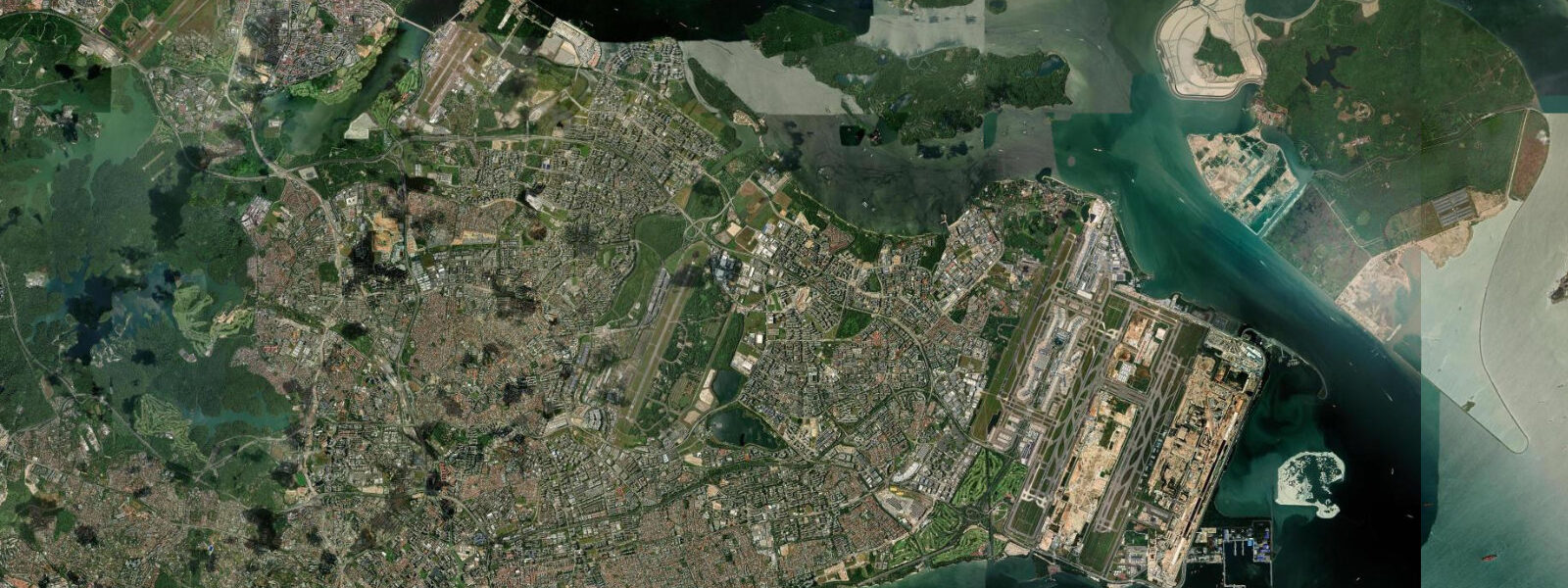
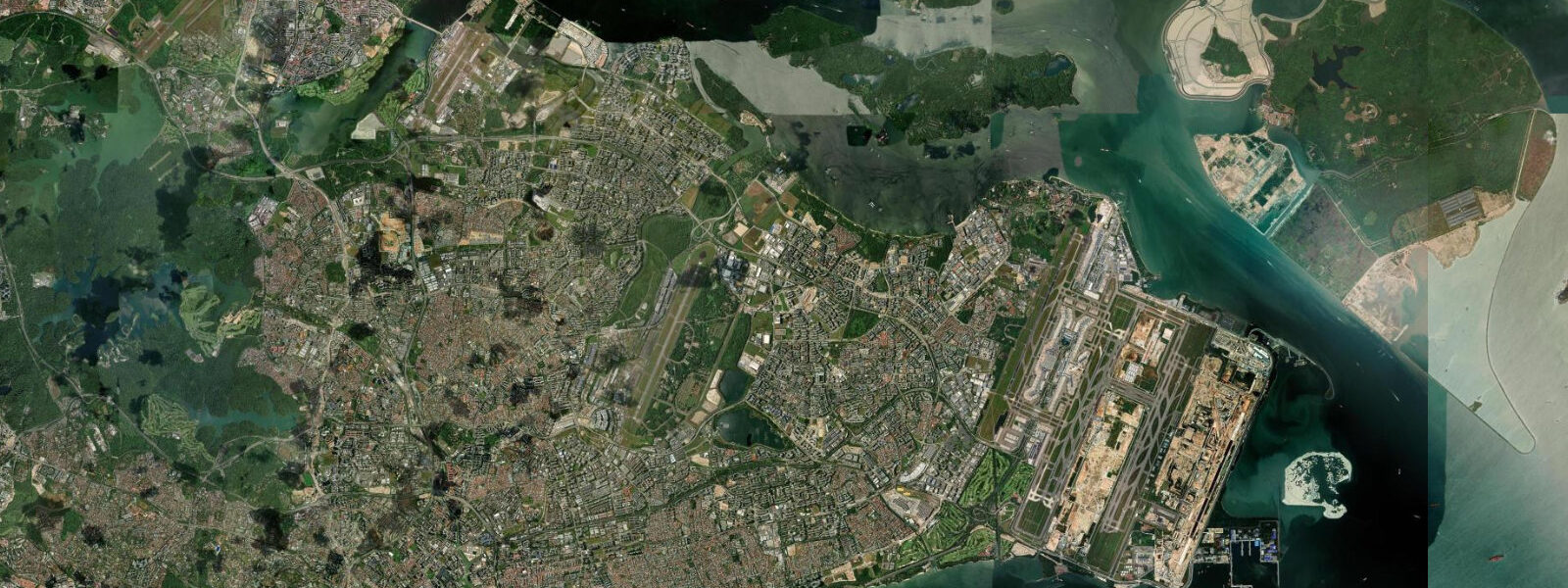
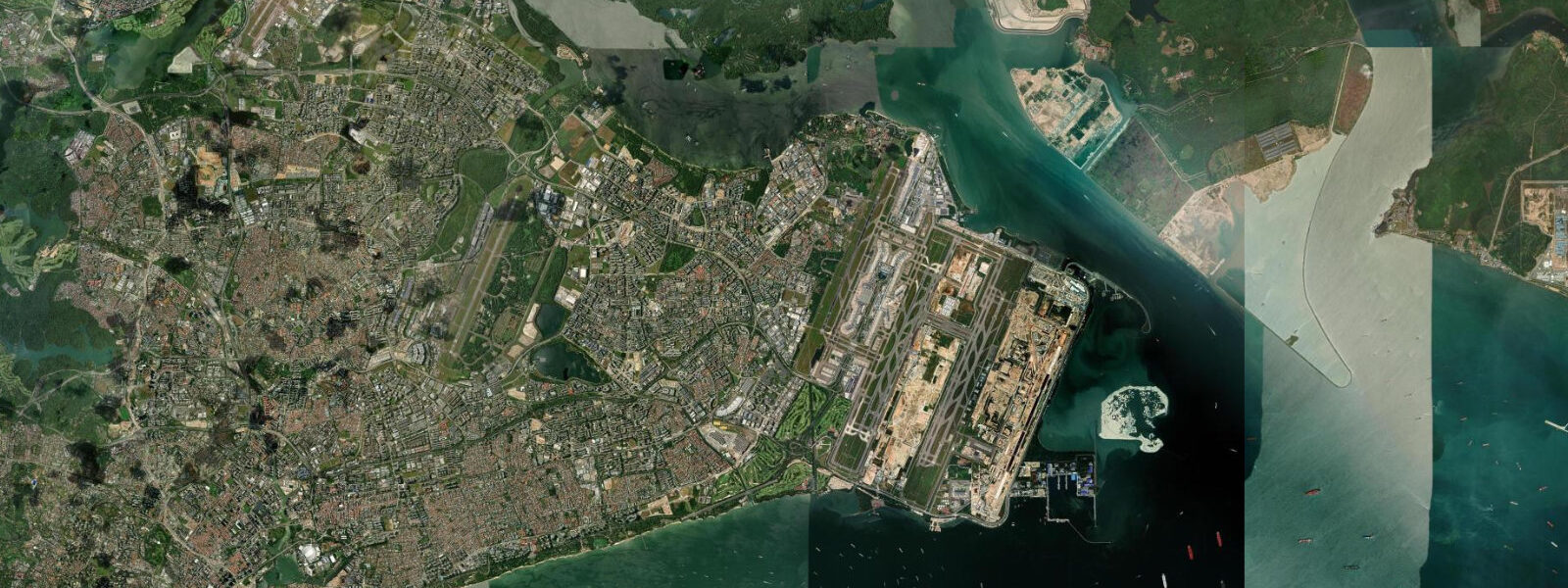
The three closest curated TideTurtle locations to Chek Jawa Wetlands, measured by great-circle distance.
Today's solunar windows
Solunar tradition: major periods are the ≈3h windows around moon transit and opposition; minor are ≈2h around moonrise and moonset. Pair with the local tide stage and wind for the best read.
Cycle dates near Chek Jawa Wetlands
Last spring tide on Tue 04 Aug (range 1.8m). Next spring tide on Mon 10 Aug (range 1.9m). Next neap on Sat 08 Aug.
Spring tides cluster around new and full moons (biggest swings). Neap tides land on quarter moons (smallest swings). See the spring tide and neap tide glossary entries for the why.
About tides at Chek Jawa Wetlands
A short guide to the coastline at Chek Jawa Wetlands — geography, sea state, and what the tide is actually doing under your feet.
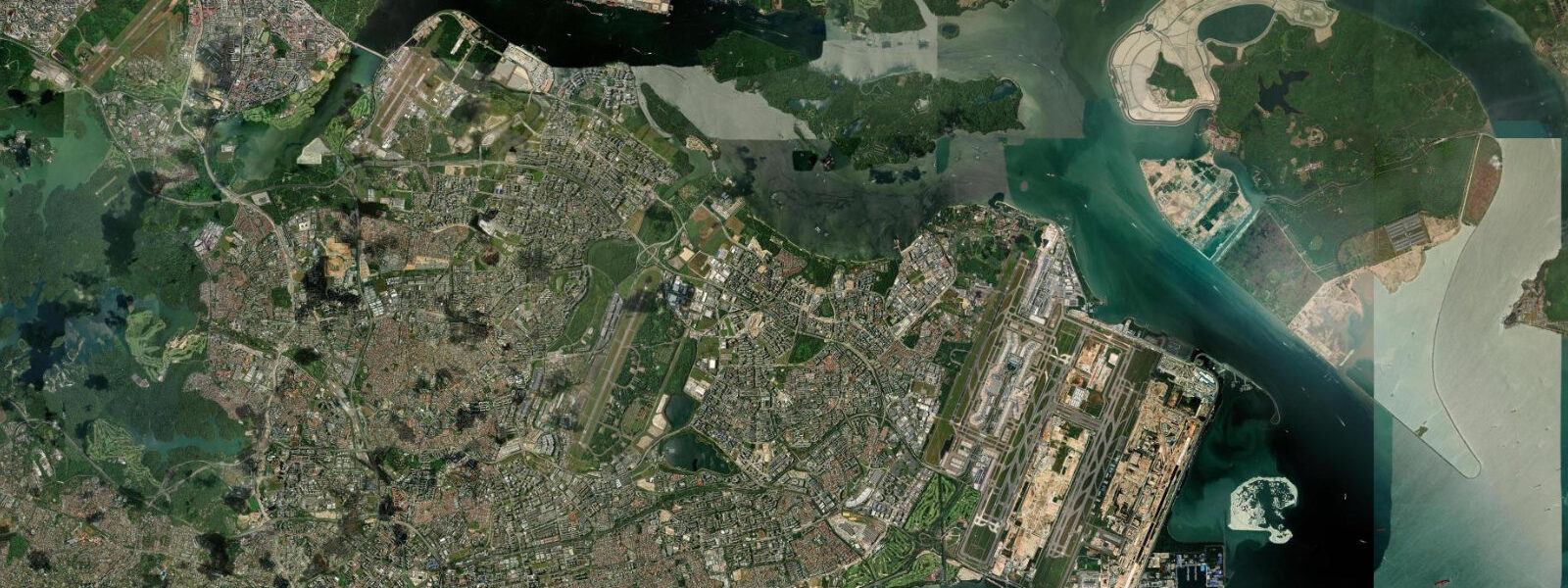
Chek Jawa Wetlands occupies the eastern tip of Pulau Ubin, the 10-square-kilometre island in the Johor Strait northeast of Singapore. In 2001, a community campaign reversed a planned reclamation of the wetlands — a decision that has since been credited with saving the most ecologically diverse inter-tidal site in Singapore. Within approximately one square kilometre, six distinct ecosystems compress into a single accessible landscape: coastal forest, scrubland, grassland, mangrove, intertidal sandflat, and seagrass lagoon. The driving mechanism of this ecological diversity is the tide.
The spring tidal range at Chek Jawa is approximately 2.7 metres, the same as the broader Johor Strait system. The wetlands' tidal cycle floods and drains the sandflat twice daily. At high water springs, the entire sandflat disappears beneath 1.5 to 2 metres of water. At low water springs — the twice-monthly lowest tides — the flat is exposed for 2 to 3 hours, and the ecological succession from the lagoon edge to the low-water mark becomes legible as a series of distinct zones. The upper flat, flooded only on higher tides, is dominated by fiddler crabs (males with one oversized orange claw) and mudskippers that breathe air and climb mangrove roots. The mid-flat holds a dense community of sea cucumbers, carpet anemones, moon snails, and sand dollars. The lower flat, exposed only at spring low water, has horseshoe crabs (Tachypleus gigas), bat stars, and the largest of the sea cucumbers.
The 1.3-kilometre boardwalk managed by the National Parks Board traverses the mangrove and seagrass lagoon zones and gives views over the sandflat from an elevated perspective without requiring visitors to walk on the flat itself. The Jejawi Tower, a 20-metre observation tower at the boardwalk's midpoint, gives a panoramic view of the entire wetland system and the Johor Strait. Access to the lagoon area — where the inter-tidal sandflat is directly accessible — is restricted to scheduled low-water windows; on these days, NParks opens the lagoon gate for guided or self-guided exploration of the exposed flat.
Migratory wading birds use the sandflat as a refuelling stop on the East Asian-Australasian Flyway. Common sandpiper, whimbrel, grey plover, and Pacific golden plover use the site in the northeast monsoon (October to March). Greater painted-snipe and black-tailed godwit are regular; Malaysian plover has been recorded. The sandflat is most bird-active in the hour before and after low water when the feeding zone is at its maximum extent.
Grey herons and little egrets work the mangrove edge throughout the day; smooth-coated otters from the family that ranges the Johor Strait have been recorded at Chek Jawa, hunting in the seagrass lagoon on the rising tide. The otter family has become habituated to quiet human observers on the boardwalk and will pass within 5 metres without concern.
To reach Chek Jawa from the Pulau Ubin kampung, take the main laterite track east (1.3 km by bicycle, 40 minutes on foot). Bicycle rental at the kampung is the standard approach. The site is free to enter; the NParks visitor centre at the entrance provides maps and tide information.
Predictions on this page come from Open-Meteo Marine, a gridded global ocean model. Accuracy is typically within plus or minus 45 minutes on timing and 0.2 to 0.3 metres on height — model-derived, not from a local gauge. The local tide authority is the Maritime and Port Authority of Singapore (MPA), which publishes annual tide tables for the Johor Strait.
Tide questions about Chek Jawa Wetlands
Quick answers to the most common questions about tide times, range, and water access at Chek Jawa Wetlands.
When can I access the inter-tidal sandflat at Chek Jawa?
The inter-tidal sandflat is directly accessible only during scheduled low-water access windows organised by the National Parks Board. On these days, the lagoon gate is opened for self-guided exploration of the exposed flat, typically timed to the 2 to 3 hours around low water springs when the flat is fully exposed. Outside of these windows, the boardwalk gives elevated views of the flat without direct access. Check the NParks Singapore website and the Chek Jawa page specifically for the current schedule of open access days — they are typically monthly at spring tides. Arrive before the gate opening time as access is first-come.
What animals can I see at Chek Jawa?
The intertidal sandflat holds horseshoe crabs, fiddler crabs, mudskippers, sea cucumbers (multiple species), carpet anemones, moon snails, and sand dollars. Migratory wading birds use the flat in the northeast monsoon (October to March): common sandpiper, whimbrel, grey plover, and Pacific golden plover are regular. Grey herons and little egrets work the mangrove edge throughout the day. Smooth-coated otters from the Johor Strait family have been recorded hunting in the seagrass lagoon. Wild boar and long-tailed macaques move through the surrounding forest. Sightings of all species are best in the 2 hours around low water springs.
How do I get to Chek Jawa?
Take the bumboat from Changi Point Ferry Terminal to Pulau Ubin (10 minutes, runs on demand), then cycle or walk east from the kampung to Chek Jawa — approximately 1.3 kilometres by the main laterite track, a 10-minute bicycle ride or 40-minute walk. Bicycle rental is available at the kampung for a modest daily fee. The NParks visitor centre at Chek Jawa's entrance has maps and current tide and access information. There is no dedicated parking at Chek Jawa itself. The boardwalk is free to access; the lagoon sandflat is only open on scheduled NParks low-water days.
What is a horseshoe crab and why does Chek Jawa have them?
Horseshoe crabs are marine arthropods — more closely related to spiders than to true crabs — that have survived essentially unchanged for 450 million years. The species at Chek Jawa is Tachypleus gigas (the mangrove horseshoe crab). They move onto the intertidal flat on spring tides to feed on the worm and mollusc community in the sand. Chek Jawa's protected intertidal sandflat provides the undisturbed, species-rich substrate that horseshoe crabs require. They are easiest to find at low water springs in the lower intertidal zone. Do not turn them over or handle them — they are fragile when upside down. Report sightings to NParks Singapore.
Is the Chek Jawa boardwalk accessible for all visitors?
The main boardwalk is accessible for wheelchairs and prams for most of its 1.3-kilometre length. The Jejawi Tower requires a staircase ascent and is not wheelchair accessible. The lagoon sandflat, when open, involves walking on an uneven, wet intertidal surface — reef shoes or closed-toe sandals with good grip are required; wheelchairs and prams cannot access the flat. Guided tours in English are available on request from NParks. The site has toilet facilities at the entrance. Opening hours follow NParks national parks standard hours; check the NParks website for current times and any temporary closures.
8-day tide table — Chek Jawa Wetlands
Heights relative to MSL. Predictions: Open-Meteo Marine (MeteoFrance SMOC, 0.08° grid) — heights relative to MSL (not chart datum / LAT). Model-derived.
| Day | Type | Time | Height |
|---|---|---|---|
| Tue 04 Aug | Low | 08:00 | -0.3m |
| High | 14:23 | 1.5m | |
| Low | 20:35 | -0.2m | |
| Wed 05 Aug | High | 02:38 | 1.5m |
| Low | 08:47 | -0.1m | |
| High | 14:55 | 1.5m | |
| Low | 21:20 | -0.2m | |
| Thu 06 Aug | High | 15:37 | 1.4m |
| Low | 22:11 | -0.3m | |
| Fri 07 Aug | High | 04:33 | 1.1m |
| Low | 10:15 | 0.3m | |
| High | 16:19 | 1.3m | |
| Low | 23:14 | -0.3m | |
| Sat 08 Aug | High | 06:02 | 1.0m |
| Low | 11:13 | 0.5m | |
| High | 17:13 | 1.2m | |
| Sun 09 Aug | Low | 12:43 | 0.7m |
| High | 18:46 | 1.2m | |
| Mon 10 Aug | Low | 01:54 | -0.4m |
| High | 09:47 | 1.1m | |
| Low | 14:18 | 0.7m | |
| High | 20:04 | 1.3m | |
| Tue 11 Aug | Low | 03:18 | -0.5m |
| High | 07:00 | 0.3m |