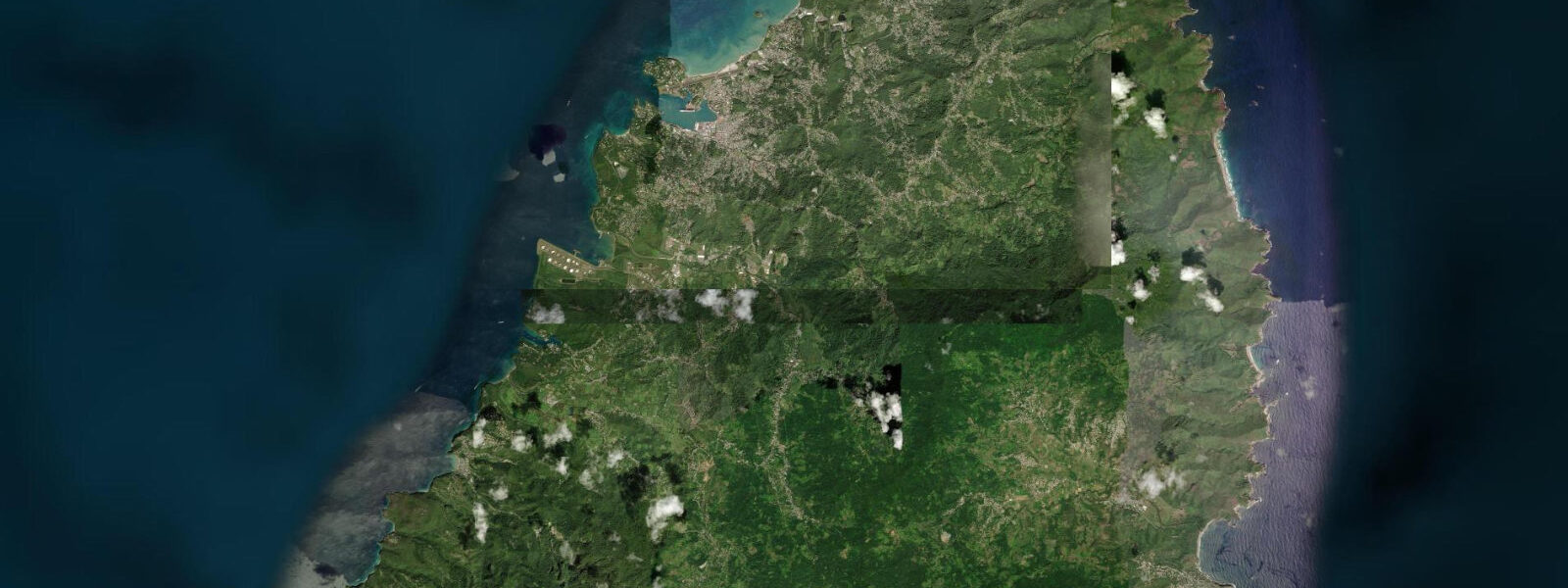
Vigie Beach, Saint Lucia tide times
Vigie Beach, Saint Lucia tide forecast — heights relative to MSL.
Today's tide times for Vigie Beach, Saint Lucia
Tide times at Vigie Beach, Saint Lucia on Monday, 3 August 2026: first high tide at 06:00pm. Sunrise 05:48am, sunset 06:31pm.
Tide chart for Vigie Beach, Saint Lucia
24-hour cosine-interpolated curve around the present moment. Heights relative to MSL. Predictions: Predictions: Open-Meteo Marine (MeteoFrance SMOC, 0.08° grid).
Sun, moon and conditions on Mon 03 Aug
Snapshot at build time — refreshes daily. Sea state from Open-Meteo Marine.
Highs and lows next 7 days
Every predicted high and low for the next week, with the daily tidal coefficient (0–120; higher = bigger swing, > 95 means stronger currents).
Other spots nearby
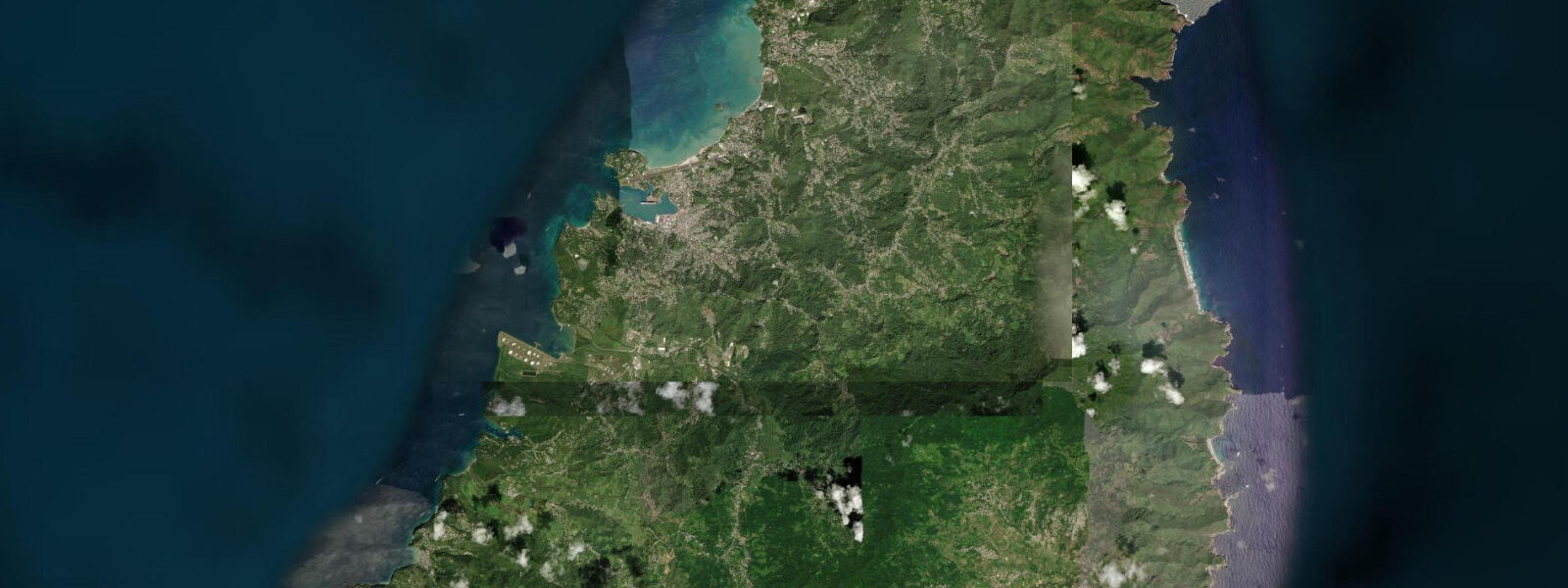
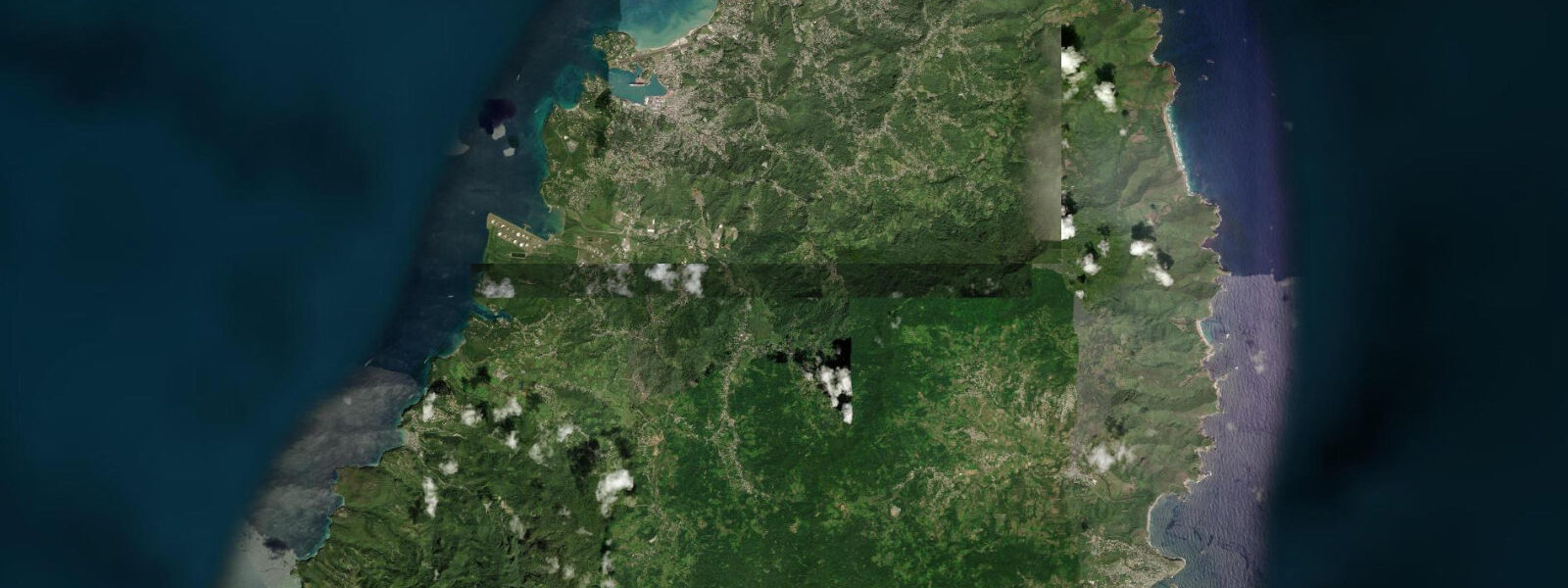
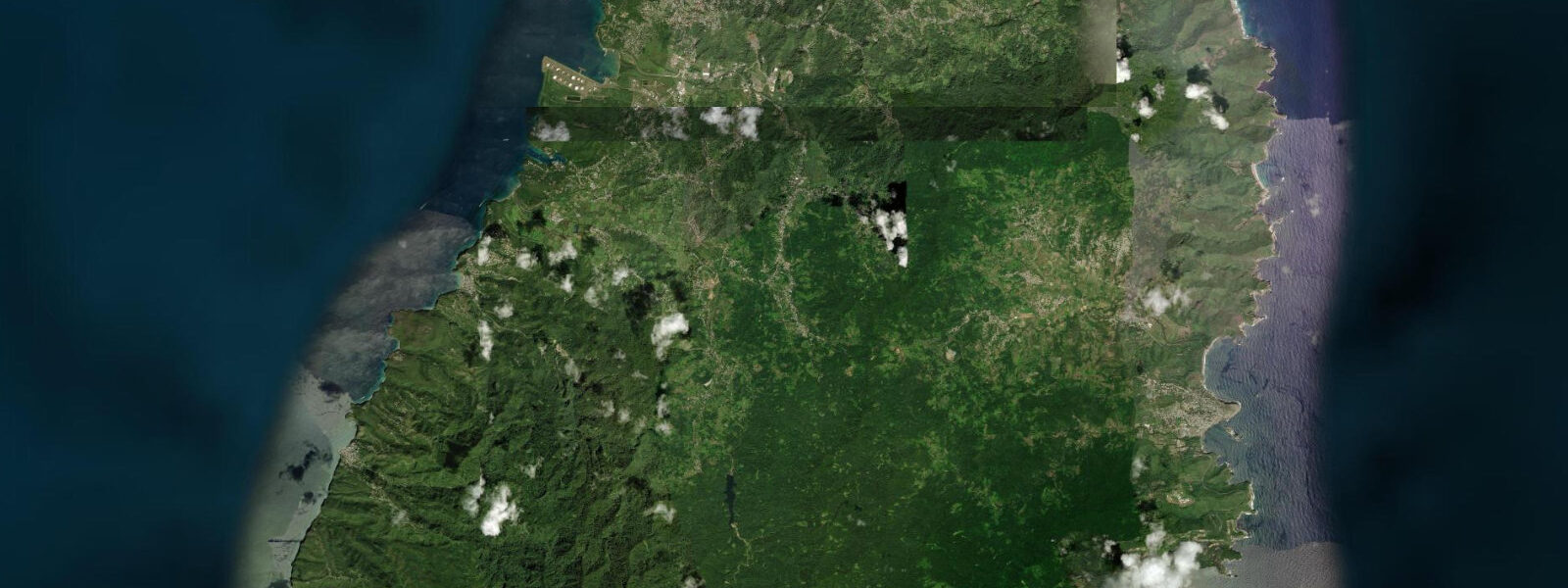
The three closest curated TideTurtle locations to Vigie Beach, Saint Lucia, measured by great-circle distance.
Today's solunar windows
Solunar tradition: major periods are the ≈3h windows around moon transit and opposition; minor are ≈2h around moonrise and moonset. Pair with the local tide stage and wind for the best read.
About tides at Vigie Beach, Saint Lucia
A short guide to the coastline at Vigie Beach, Saint Lucia — geography, sea state, and what the tide is actually doing under your feet.
Vigie Beach runs 2 km along the western edge of the Vigie Peninsula, a flat finger of land separating Castries Harbour from the open Caribbean. The beach is close enough to the city centre that you can walk there in 15 minutes from the Castries waterfront — north along the John Compton Highway, then right onto the peninsula road. There is no ferry crossing, no entrance fee, no resort gating. That accessibility makes Vigie one of the most genuinely local beaches in the Castries Quarter.
The tides here are Caribbean microtidal. Mean spring range sits between 0.3 and 0.5 m, so the difference between low and high water is modest by Atlantic or Pacific standards. Low water typically reads around 0.1 m above chart datum; high water around 0.4 m. At low spring tide the beach face widens to 15–20 m, exposing the packed grey-brown sand below the usual waterline. The grey colour comes from the volcanic geology of Saint Lucia — this is not the powdery white you find on coral-sand Caribbean islands, but it is firm and easy to walk.
At the north end of Vigie, where the peninsula curves slightly, the beach transitions into the Malabar Beach section. This stretch is less visited and noticeably calmer — the slight concavity in the coastline reduces wave energy, and the water is shallow and clear over the rocky reef patches. At low spring water those reef patches become accessible on foot; water depth drops to 0.2–0.3 m in places, enough to see sea urchins, small parrotfish, and juvenile damselfish without a mask. Bring reef-safe footwear — the rock surface is uneven.
The most dramatic feature of Vigie Beach is not the water but the air. George F.L. Charles Airport — the compact domestic airport immediately adjacent to the peninsula — uses a runway whose approach path tracks directly over the south end of the beach. Propeller aircraft from LIAT, Caribbean Airlines, and charter operators descend over the beach at 60–80 m altitude on final approach, visible from the sand at near-eye level. The timing is unpredictable, driven by the flight schedule rather than the tides, but on active days a plane passes every 20–40 minutes. Photographers position themselves at the south end of the beach to frame the aircraft against the Caribbean sky or the Castries Harbour background.
To the south, from any point on Vigie Beach, the opening of Castries Harbour is clearly visible. The cruise ship berths at Port Castries are 1 km away across the water; on busy mornings two or three large vessels may be docked simultaneously, and the harbour traffic — pilot boats, water taxis, small fishing pirogues — is a constant background. The Vigie Lighthouse sits on the northern headland of the peninsula, a white tower visible from the beach and from the sea. The lighthouse is no longer operational as a crewed station but the structure remains.
Rodney Bay, the major resort and marina concentration on Saint Lucia's northwest coast, is 8 km north. If Vigie is quiet, Rodney Bay offers restaurants, watersports rental, and the full infrastructure of a tourist hub. The contrast is useful: Vigie has the city proximity without the resort pricing.
For fishing, the channel between Vigie Peninsula and the outer bay edge holds snapper and jack in the early morning. Local anglers fish from the rocky reef patches at the north end at low tide, wading out to cast toward deeper water. The incoming tide — roughly six hours after low — is the preferred window; fish move shallower as water rises over the reef.
Family use is straightforward. The beach slope is gentle, the water is calm inside the reef line, and the town infrastructure — shops, restaurants, buses — is a 15-minute walk away. There are no formal facilities on the beach itself (no lifeguard, no rental shack), so bring what you need. UV intensity near the equator is high year-round; shade is limited to the tree line at the back of the beach.
Tide data for Vigie Beach comes from the Open-Meteo Marine API, a gridded model product. Timing accuracy is ±45 minutes, height accuracy ±0.3 m — usable for trip planning, not for navigation.
Tide questions about Vigie Beach, Saint Lucia
Quick answers to the most common questions about tide times, range, and water access at Vigie Beach, Saint Lucia.
What is the tidal range at Vigie Beach, Saint Lucia?
Vigie Beach is Caribbean microtidal. Mean spring range is 0.3–0.5 m, with low water around 0.1 m above chart datum and high water around 0.4 m. The tide makes a visible difference to beach width — at low spring the beach face extends 15–20 m — but the vertical change is small enough that there is no dangerous run-out or dramatic exposure event. The microtidal environment is consistent year-round; Saint Lucia sits outside hurricane-tide exposure relative to the open Atlantic coast.
Is the rocky reef at Malabar Beach walkable at low tide?
At low spring water the reef patches at the north end of Vigie Beach — in the Malabar Beach section — become very shallow, 0.2–0.3 m in depth. They are walkable with reef-safe footwear: water shoes or old trainers protect against sea urchins and uneven rock. Bare feet are risky. The reef window is roughly two hours either side of low water. At mid and high tide the rocks are covered and the water is deeper; snorkelling becomes the better option. Check the predicted low time before heading out.
How do I get to Vigie Beach from Castries city centre?
Vigie Beach is a 15-minute walk north from the Castries waterfront. Follow the John Compton Highway north along the harbour edge, then take the road onto the Vigie Peninsula past George F.L. Charles Airport. There is no entrance fee and no resort to navigate through. Minibus taxis from the central market area run along the north Castries corridor and can drop you near the airport junction, cutting the walk to five minutes. The beach is public access along its full 2 km length.
When is the best time to photograph planes over Vigie Beach?
Aircraft descend over the south end of Vigie Beach on final approach to George F.L. Charles Airport at around 60–80 m altitude — low enough to frame clearly against the sky or the Castries Harbour backdrop. Morning flights are the most consistent slot; regional services from Barbados, Martinique, and Saint Vincent tend to arrive before noon. The light is better in the morning (sun at your back from the south end of the beach). Flight schedules vary; check Caribbean Airlines and LIAT timetables for the day before visiting.
Can I fish from Vigie Beach and what does the tide schedule affect?
Local anglers fish the rocky reef patches at the Malabar Beach north end of Vigie, wading out at low spring water to cast toward deeper water. Target species include snapper and jack. The incoming tide — starting roughly six hours after the low — is the preferred window: fish move shallower as the reef floods. Low spring water is best for reef access on foot; incoming mid-tide is best for fishing over the reef edge. Bring your own gear; there is no tackle rental at the beach itself.
7-day tide table — Vigie Beach, Saint Lucia
Heights relative to MSL. Predictions: Open-Meteo Marine (MeteoFrance SMOC, 0.08° grid) — heights relative to MSL (not chart datum / LAT). Model-derived.
| Day | Type | Time | Height |
|---|---|---|---|
| Mon 03 Aug | High | 18:00 | 0.4m |
| Tue 04 Aug | Low | 11:50 | 0.1m |
| Wed 05 Aug | High | 07:10 | 0.2m |
| Low | 12:00 | 0.2m | |
| High | 19:10 | 0.4m | |
| Thu 06 Aug | Low | 11:00 | 0.2m |
| High | 20:00 | 0.4m | |
| Fri 07 Aug | Low | 05:00 | 0.0m |
| High | 21:00 | 0.4m | |
| Sat 08 Aug | Low | 06:00 | 0.0m |
| High | 22:00 | 0.5m | |
| Sun 09 Aug | Low | 06:50 | -0.0m |
| High | 19:00 | 0.3m |