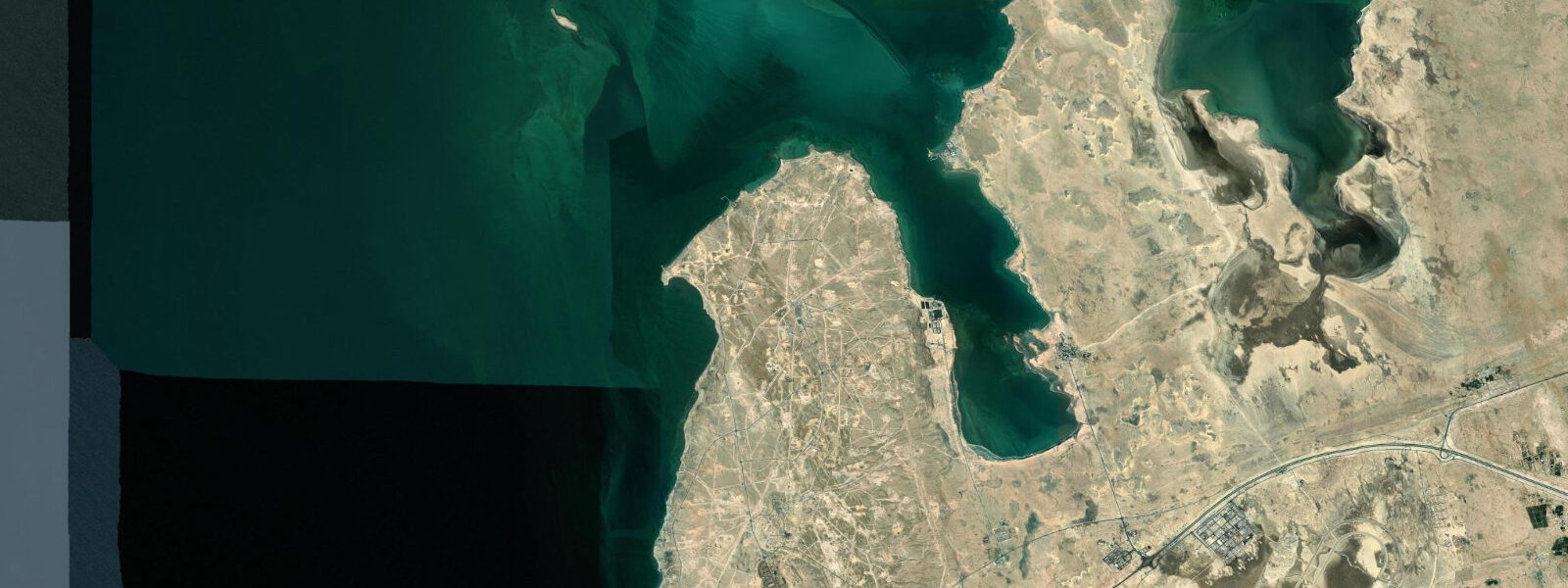
Dukhan Beach tide times
Dukhan Beach tide forecast — heights relative to MSL.
Today's tide times for Dukhan Beach
Tide times at Dukhan Beach on Tuesday, 4 August 2026: first high tide at 03:00am, first low tide at 06:24am, second high tide at 12:42pm, second low tide at 07:08pm. Sunrise 05:04am, sunset 06:21pm.
Tide chart for Dukhan Beach
24-hour cosine-interpolated curve around the present moment. Heights relative to MSL. Predictions: Predictions: Open-Meteo Marine (MeteoFrance SMOC, 0.08° grid).
Sun, moon and conditions on Tue 04 Aug
Snapshot at build time — refreshes daily. Sea state from Open-Meteo Marine.
Highs and lows next 7 days
Every predicted high and low for the next week, with the daily tidal coefficient (0–120; higher = bigger swing, > 95 means stronger currents).
Other spots nearby
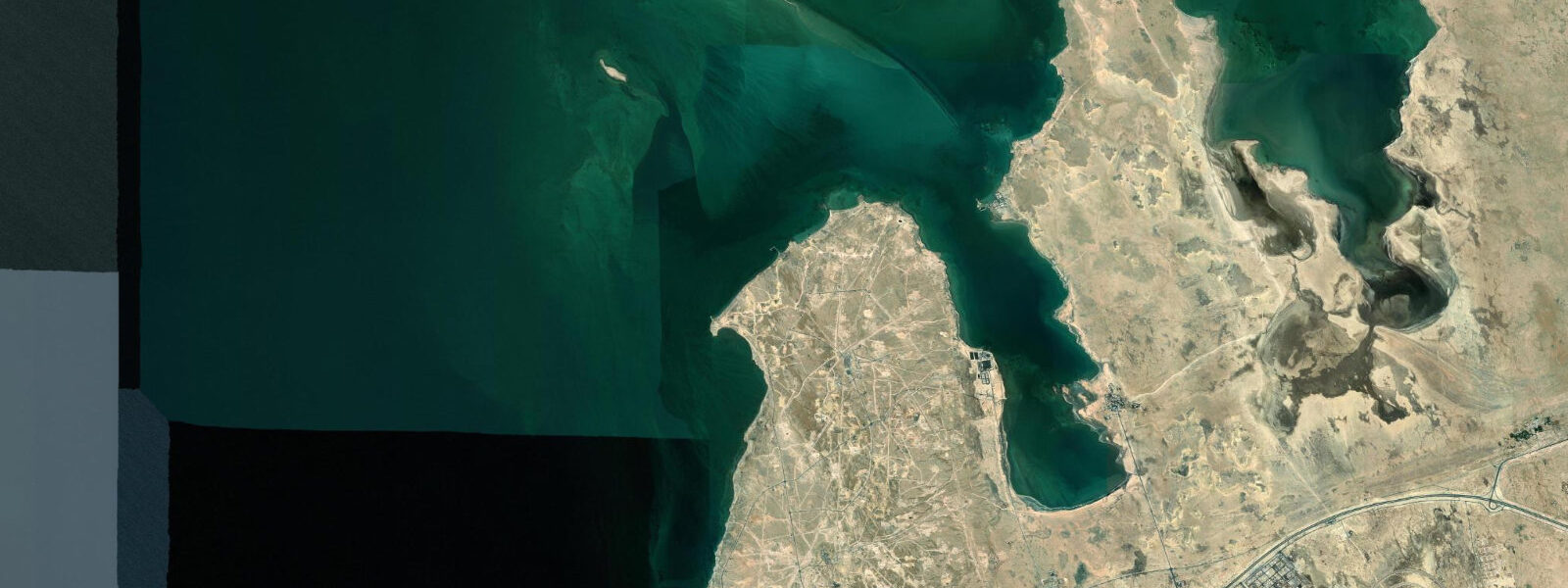
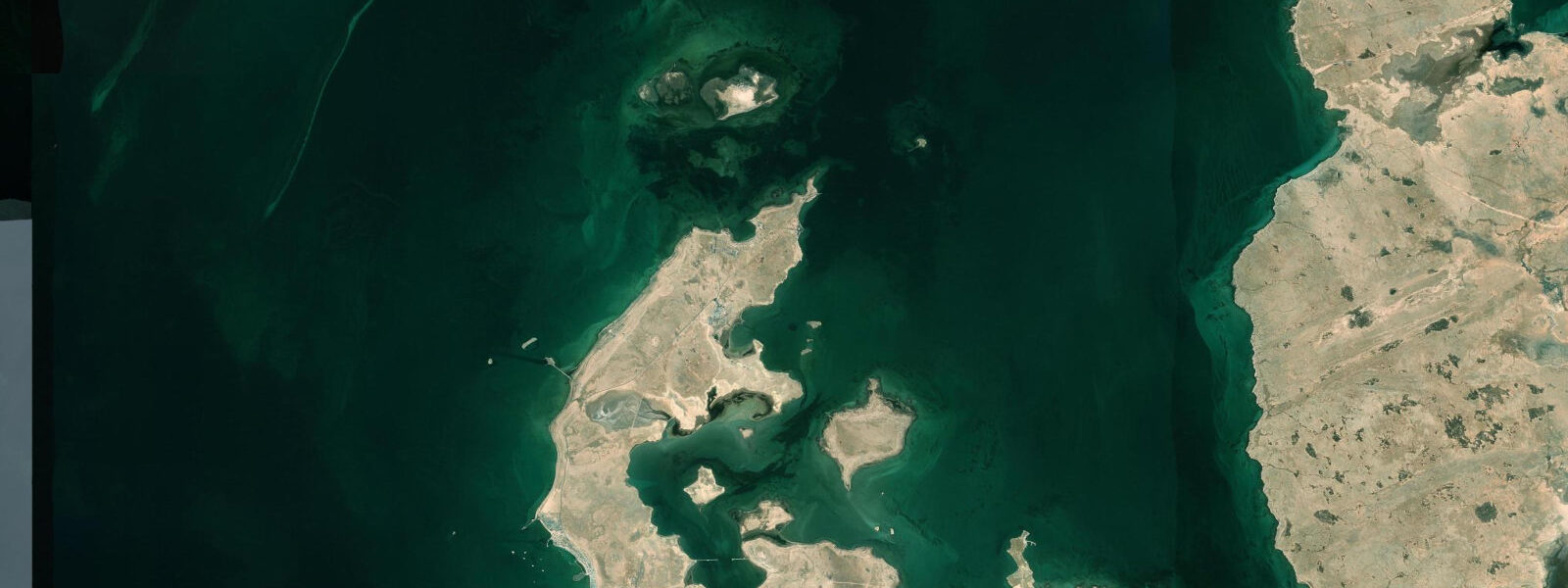
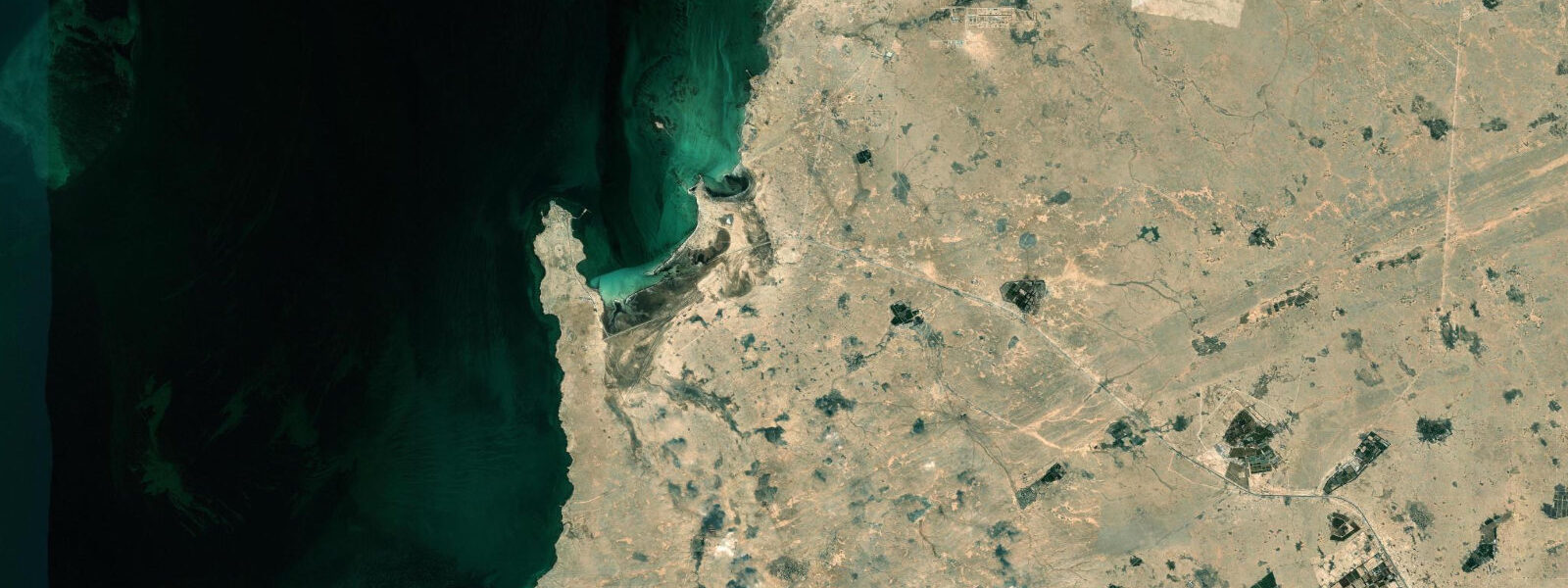
The three closest curated TideTurtle locations to Dukhan Beach, measured by great-circle distance.
Today's solunar windows
Solunar tradition: major periods are the ≈3h windows around moon transit and opposition; minor are ≈2h around moonrise and moonset. Pair with the local tide stage and wind for the best read.
Cycle dates near Dukhan Beach
Last spring tide on Tue 04 Aug (range 1.2m). Next neap on Mon 10 Aug.
Spring tides cluster around new and full moons (biggest swings). Neap tides land on quarter moons (smallest swings). See the spring tide and neap tide glossary entries for the why.
About tides at Dukhan Beach
A short guide to the coastline at Dukhan Beach — geography, sea state, and what the tide is actually doing under your feet.
Dukhan is Qatar's west coast oil town, sitting on the shore where Qatar's first oil was discovered in 1939. The beach here is one of the least visited on the Qatar Peninsula — most people don't cross the country to reach it — but it rewards those who make the effort with something the east coast beaches can't offer: wide shallow water over white sand and shell, virtually no crowds outside of local weekday use, and a view west toward Saudi Arabia with the Gulf catching the afternoon light in a way that no east-facing beach can replicate.
The western Gulf coast has different tidal character from Qatar's east coast. The orientation and proximity to the Saudi coast create a slightly more complex tidal pattern, but the fundamental character is semi-diurnal with spring ranges of approximately 1.0-1.5 m. The water over Dukhan's coastal shelf is very shallow — the pearl-diving banks that once drew fishermen here are notoriously flat and sandy, and the water depth rarely exceeds 5-8 m within several kilometres offshore. This shallowness means the water heats to extreme temperatures in summer (32-34°C) and cools relatively fast in winter compared to deeper coastal sites.
The pearl banks offshore from Dukhan were among the most productive in the Gulf during the traditional pearl era. The town's relationship with pearl diving runs deep through its history — well before the oil derricks arrived, boats from Dukhan worked the banks that stretched south toward Bahrain and east toward the Qatar coast. The Qatar National Museum in Doha documents this history extensively, but Dukhan's beach itself is the physical connection to those grounds, the same shallow water and sandy bottom where generations of divers held their breath and descended.
For fishing, the west coast's shallow banks are productive for seabream, hammour, and Gulf shrimp. Local boats work the offshore areas early morning and evening, and the catch feeds both the local community and the supply chain toward Doha. There are no formal fishing charters at Dukhan, but the town has fishing families who occasionally take visitors offshore through informal arrangements made at the harbour. The open beach is useful for shore fishing at dusk when king mackerel sometimes run close to the shore chasing bait across the shallows.
Dukhan town itself is the base for Qatar Petroleum's industrial infrastructure, which gives it a functional rather than scenic character inland. The beach, however, is the genuine appeal — a long, relatively natural strip of west-facing sand that catches the sunset properly. The low angle of winter light over the western Gulf in December and January, the Saudi coast hazy on the horizon, and the shallow turquoise water extending for kilometres in front of you: this is what the Gulf coast looked like before the resort developments arrived, and Dukhan preserves it by accident of geography and industrial geography rather than by design.
The west coast road from Dukhan south toward the tip of the peninsula passes through territory that most visitors to Qatar never see: flat sabkha salt flats, occasional rocky outcrops, and the Gulf visible to the west at various points. This is not scenic driving in the conventional sense, but the emptiness has its own quality. The few fishing boats moored along this coast and the occasional camel visible on the coastal plain remind you that this landscape was in use long before Qatar Petroleum built its infrastructure here, and will be here long after. The pearl bank geology offshore from Dukhan — flat sandy bottom at 3-8 m, ideal for diving without equipment — is the same geography that pearl divers worked for centuries and that oil prospectors drilled through in the late 1930s when they found something worth rather more than oysters beneath the sand.
Tide questions about Dukhan Beach
Quick answers to the most common questions about tide times, range, and water access at Dukhan Beach.
What are tides like at Dukhan Beach?
Dukhan Beach on Qatar's west coast experiences semi-diurnal tides with spring ranges of approximately 1.0-1.5 m — slightly less than the northern Qatar coast due to the partial shelter of the western Gulf basin. The shallow shelf means low tide retreats the waterline significantly, exposing broad sandy and shell-gravel flats. The water is very shallow for considerable distance offshore; this is pearl-diving bank territory rather than open deep water. Tidal currents on the west coast are gentle compared to the northern channel sites. Open-Meteo gridded predictions (±45 min, ±0.3 m). For swimmers and paddlers the key observation is that at low tide on a spring, you may be walking through ankle-deep water for 100-200 m before reaching swimmable depth.
When is the best time to visit Dukhan Beach?
November through March is the ideal window. The west coast of Qatar gets the full benefit of the Shamal wind in summer, which brings both extreme heat and dust; in winter the Shamal is less intense and temperatures are genuinely pleasant (18-28°C). Sea temperature of 20-24°C is comfortable for swimming. Sunset from the west-facing beach in December-January occurs at a low angle, producing long golden light that the east coast of Qatar cannot replicate. March and October are transition months — still comfortable with slightly warmer water. The beach is quiet year-round by Gulf resort standards; weekends attract some local families from Doha and the industrial towns. Summer (June-September) is hot, windy, and dusty — not a beach season.
Is Dukhan Beach safe for swimming?
Dukhan Beach is generally safe for confident adult swimmers in the October-April window. The shallow gradient means there are no sudden drop-offs, the bottom is clean sand and shell, and tidal currents are gentle. The main caution is depth management at low tide — the water is so shallow that you need to walk some distance from shore to find swimmable depth. In summer, the combination of extreme heat (40°C+ air) and very warm water (32-34°C) makes cooling off difficult and heat exhaustion risk is real even in the water. There are no lifeguards on duty. Jellyfish appear occasionally in late spring and summer. The beach is a working coast rather than a curated resort beach — swim at your own judgment and with companions.
What is the history of pearl diving at Dukhan?
Dukhan's offshore waters sit over some of the richest pearl banks in the historic Gulf pearl trade. Before oil was discovered here in 1939, the Dukhan coast and the broader west Qatar shelf were part of the diving circuit that sustained the Gulf economy for centuries. Pearl divers descended to 5-15 m on a single breath, collected oysters into a neck bag, and repeated the process for six to eight hours per day through the June-September diving season. The work was brutal — decompression-related injuries, shark encounters, and drowning all took lives regularly. The Japanese cultured pearl collapsed this industry by the 1930s, but the knowledge of the banks and the diving tradition survived in family memory. Qatar's UNESCO World Heritage nomination for pearl diving heritage covers these waters directly.
Are there any facilities at Dukhan Beach?
Dukhan is a Qatar Petroleum company town with basic services — fuel, food, and accommodation geared toward workers rather than tourists. The beach itself has minimal facilities: no lifeguards, no watersports rentals, no beach bars. Basic picnic and parking areas exist near the waterfront, and there are toilets at the town-side facilities. Bring your own food, water, and sun protection for a beach day; shade is limited on the open sand. The nearest significant tourist facilities are back toward Doha, roughly 85 km to the east. For a self-sufficient day trip by car, Dukhan is perfectly manageable as a destination. For anything resembling a resort experience, the east coast or Doha itself is the appropriate choice.
7-day tide table — Dukhan Beach
Heights relative to MSL. Predictions: Open-Meteo Marine (MeteoFrance SMOC, 0.08° grid) — heights relative to MSL (not chart datum / LAT). Model-derived.
| Day | Type | Time | Height |
|---|---|---|---|
| Tue 04 Aug | High | 03:00 | 0.3m |
| Low | 06:24 | -0.3m | |
| High | 12:42 | 1.0m | |
| Low | 19:08 | -0.0m | |
| Wed 05 Aug | High | 00:35 | 0.8m |
| Low | 06:56 | -0.1m | |
| High | 13:08 | 0.9m | |
| Low | 19:43 | -0.1m | |
| Thu 06 Aug | High | 01:20 | 0.7m |
| Low | 07:37 | -0.1m | |
| High | 13:42 | 0.8m | |
| Low | 20:35 | -0.2m | |
| Fri 07 Aug | High | 14:18 | 0.8m |
| Low | 21:21 | -0.1m | |
| Sat 08 Aug | High | 03:40 | 0.6m |
| Low | 09:42 | 0.3m | |
| High | 15:04 | 0.7m | |
| Low | 22:50 | -0.1m | |
| Sun 09 Aug | High | 05:38 | 0.6m |
| Low | 11:40 | 0.4m | |
| High | 16:10 | 0.6m | |
| Mon 10 Aug | Low | 00:16 | -0.2m |
| High | 07:21 | 0.7m | |
| Low | 13:21 | 0.4m | |
| High | 18:10 | 0.6m |