Al Khor tide times
Al Khor tide forecast — heights relative to MSL.
Today's tide times for Al Khor
Tide times at Al Khor on Tuesday, 4 August 2026: first low tide at 03:00am, first high tide at 07:05am, second low tide at 01:36pm, second high tide at 06:54pm. Sunrise 05:01am, sunset 06:18pm.
Tide chart for Al Khor
24-hour cosine-interpolated curve around the present moment. Heights relative to MSL. Predictions: Predictions: Open-Meteo Marine (MeteoFrance SMOC, 0.08° grid).
Sun, moon and conditions on Tue 04 Aug
Snapshot at build time — refreshes daily. Sea state from Open-Meteo Marine.
Highs and lows next 7 days
Every predicted high and low for the next week, with the daily tidal coefficient (0–120; higher = bigger swing, > 95 means stronger currents).
Other spots nearby
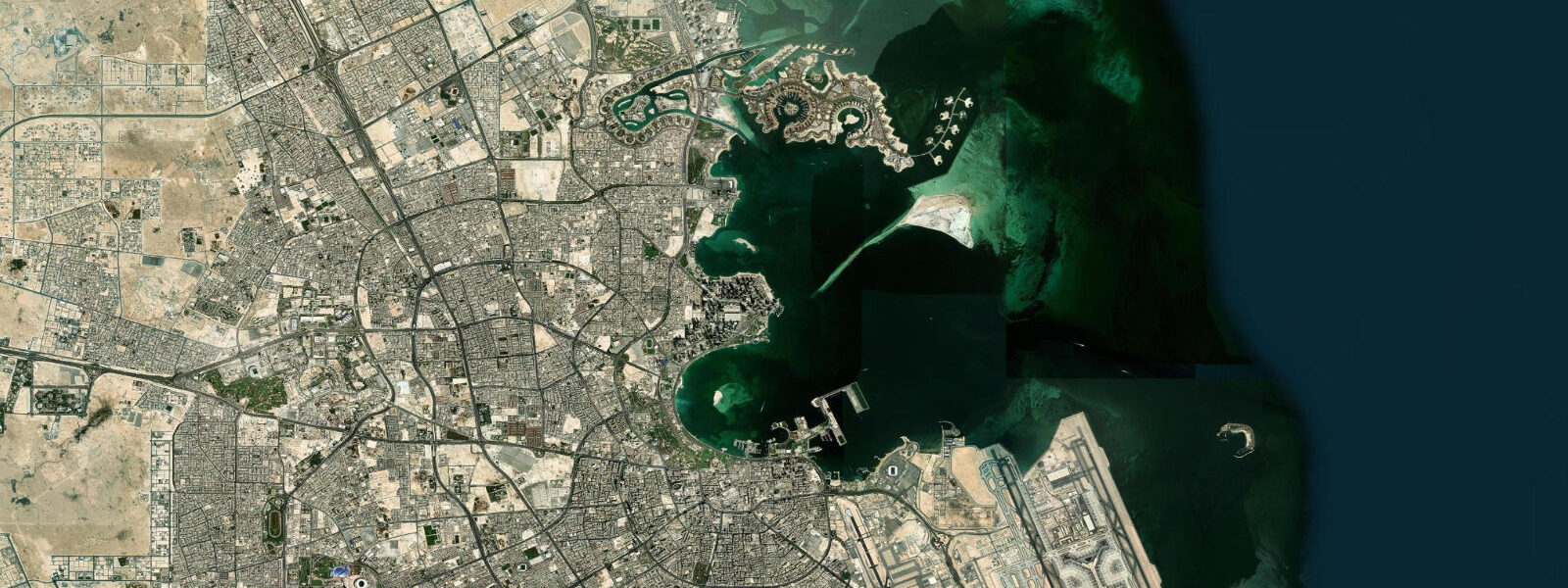
The three closest curated TideTurtle locations to Al Khor, measured by great-circle distance.
Today's solunar windows
Solunar tradition: major periods are the ≈3h windows around moon transit and opposition; minor are ≈2h around moonrise and moonset. Pair with the local tide stage and wind for the best read.
Cycle dates near Al Khor
Last spring tide on Tue 04 Aug (range 1.0m). Next spring tide on Mon 10 Aug (range 1.5m). Next neap on Wed 05 Aug.
Spring tides cluster around new and full moons (biggest swings). Neap tides land on quarter moons (smallest swings). See the spring tide and neap tide glossary entries for the why.
About tides at Al Khor
A short guide to the coastline at Al Khor — geography, sea state, and what the tide is actually doing under your feet.
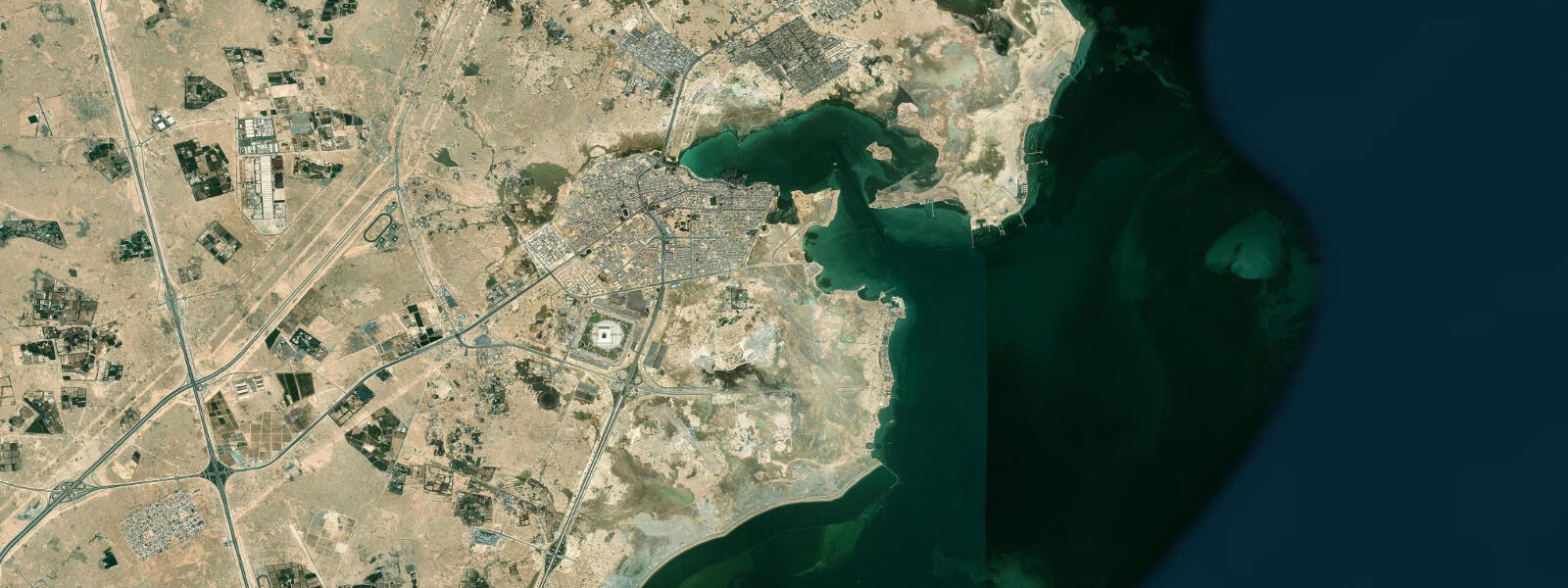
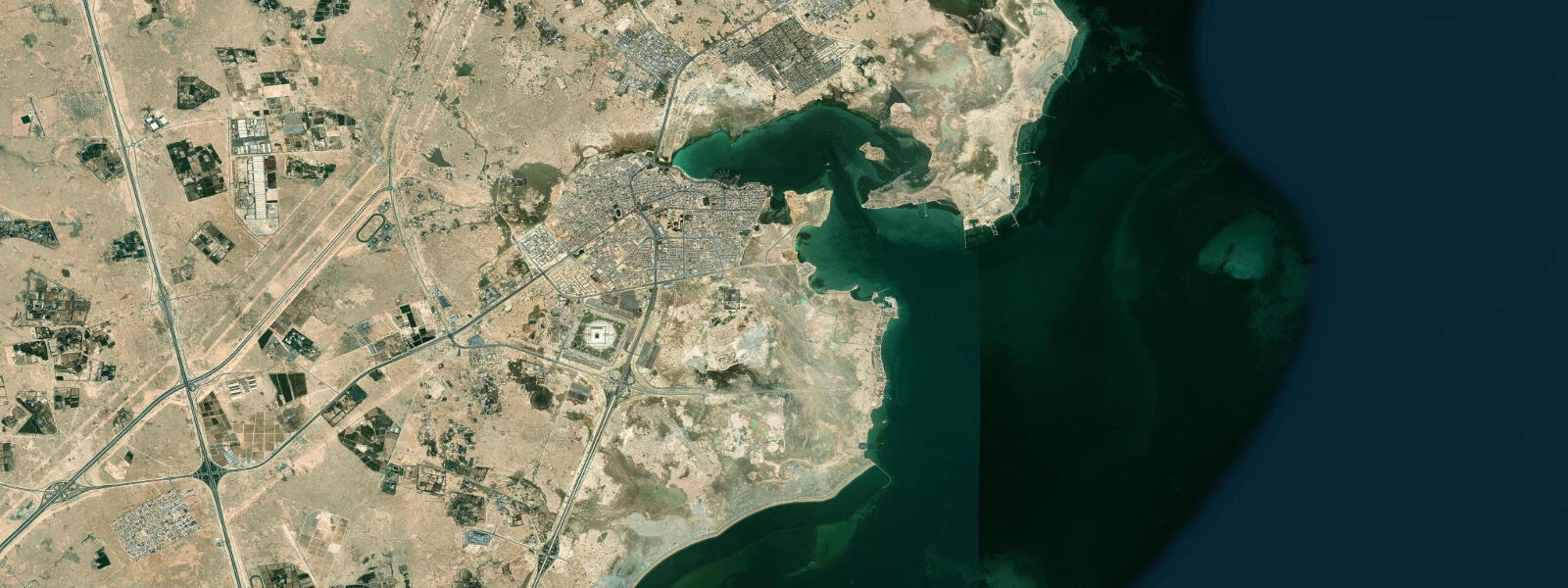
Al Khor is a town of 60,000 on the northeast coast of Qatar, 50 km north of Doha, where the Qatar peninsula's flat limestone coast meets an extensive mangrove system. The Al Khor mangroves (Al Khor Park area, managed by the Qatar Ministry of Environment) are one of the most significant mangrove stands in Qatar, fringing a series of shallow tidal creeks that extend inland from the coast. The city itself is built on a natural harbour bay that once supported a pearl-diving and fishing economy; the heritage village quarter adjacent to the harbour retains some of that character. The World Cup 2022 Stadium at Al Bayt, 15 km to the west, brought Al Khor to international attention.
The tidal regime at Al Khor is the same as the rest of the Qatar east coast: mixed semidiurnal Arabian Gulf, spring range 1.5–1.8 m, pronounced diurnal inequality. The mangrove creek system at Al Khor is a tidal wetland entirely governed by the tidal cycle. The creeks flood on the flood tide, pushing saline Gulf water into the mangrove forest floor; on the ebb, the water drains through the root system back to the coast. The inundation depth in the mangrove zone at high spring water is 0.5–1.0 m — the root pneumatophores (aerial breathing roots) of Avicennia marina, the dominant mangrove species here, are fully submerged. At low spring water, the entire mangrove floor is exposed as a dark mud flat, with the pneumatophores standing clear and the root network fully visible.
For kayakers and canoeists, the Al Khor mangrove creeks are one of the most accessible flat-water paddling environments in Qatar. The creeks are navigable by kayak on the upper half of the tidal range — at mid-flood and above, depth in the main creek channels is 0.5–1.5 m and passage under the mangrove canopy is possible in the wider sections. At low water, the creeks drain to 0.0–0.3 m and kayaks ground on the mud. Plan paddling sessions to launch on the rising tide, 2–3 hours before predicted high water, and return before the ebb drops the creeks below 0.5 m. Kayak rental and guided tours are available from operators at the Al Khor Park entrance.
The mangroves support a bird community that is the primary ecological attraction at Al Khor. Breeding herons and egrets — grey heron, striated heron, and western reef egret — nest in the mangrove canopy. Wading shorebirds use the exposed mud flat at low water: greater flamingos feed at the creek mouths in November–March. Ospreys fish the creek channels from perches in the mangrove tops. The peak observation window for most species is the 2 hours before high water, when advancing water concentrates wading birds at the tide edge, and the 2 hours after high water begins to fall, when the mud flat re-emerges.
For the Al Khor heritage harbour, the tidal spring range of 1.5–1.8 m leaves the inner harbour partially dry at spring low water — similar to Al Wakrah. Traditional wooden dhows in the harbour rest on the bottom at these tides; the harbour is used by a small active fishing fleet. The fish market at the harbour is less well-known than Doha's Central Market but more accessible for visitors staying in Al Khor.
For swimming, Al Khor's natural harbour bay provides a sheltered environment with calmer water than the open Gulf coast. Sea temperature follows the Qatar coast pattern: 16–18 °C in January, 33–35 °C in August. Private beach facilities are available at hotels north of Al Khor. Swimming in the mangrove creek mouths is not recommended — soft mud bottom, low water clarity, and stingray presence (stingrays rest on the soft mud flats at low water and are hazardous to step on).
All tide predictions for Al Khor come from the Open-Meteo Marine gridded model. Timing accuracy is ±45 minutes; height accuracy is ±0.3 m above Chart Datum.
Tide questions about Al Khor
Quick answers to the most common questions about tide times, range, and water access at Al Khor.
Can you kayak through the Al Khor mangroves and what tidal timing is needed?
The mangrove creek system at Al Khor is navigable by kayak on the upper half of the tidal range. At mid-flood and above, the main creek channels are 0.5–1.5 m deep and paddling under the mangrove canopy is possible in wider sections. At low water, the creeks drain to 0.0–0.3 m and kayaks ground on the mud. Launch on the rising tide 2–3 hours before predicted high water to have 4–5 hours of navigable depth including the full high-water window. Return before the ebb drops creek depth below 0.5 m. Kayak rental and guided tours are at the Al Khor Park entrance. The Open-Meteo tide prediction for Al Khor carries ±45 minutes uncertainty — build that buffer into your return timing.
What birds can be seen at the Al Khor mangroves and when?
The Al Khor mangroves support year-round resident herons (grey heron, striated heron, western reef egret) and nesting colonies in the mangrove canopy. Greater flamingos feed at the creek mouths in November through March. Ospreys are present year-round, fishing the creek channels. Shorebird diversity peaks during migration (March–May, August–October) when dunlin, sandpipers, and godwits work the exposed mud flats. The best observation window is the 2 hours before high water, when rising water concentrates wading birds at the advancing tide edge, and the 2 hours immediately after high water as the mud flat re-emerges. Early morning light is best for photography.
Are stingrays a hazard in the Al Khor mangrove mudflats?
Yes. Stingrays (primarily Himantura species in Gulf shallow waters) rest on soft intertidal mud flats, including the mangrove creek mouths at Al Khor, particularly at low water when the flats are exposed. They are well camouflaged and difficult to see. Stepping directly on a buried ray triggers the tail-spine defence reflex; the sting is painful and can cause significant injury. Do not walk barefoot on the mangrove mud flats at low water. Shuffling your feet rather than stepping — to push buried rays away rather than landing on them — is the standard practice for wading in soft-bottom Gulf intertidal areas. Stingrays are not present in the open-water swimming zones away from the mangrove mud.
How does the tidal cycle affect the mangrove ecosystem at Al Khor?
The Al Khor mangroves are an intertidal ecosystem entirely dependent on the tidal cycle. On the flood tide, saline Gulf water advances into the creek system and inundates the mangrove floor to 0.5–1.0 m at spring high water, submerging the aerial pneumatophore roots. This regular flooding delivers nutrients and oxygenates the root zone. On the ebb, the water drains through the root network back to the coast, exposing the mud flat. The Avicennia marina mangroves here tolerate the Gulf's extreme salinity (50–55 ppt in summer in the shallow creeks, significantly higher than open Gulf) and temperature (up to 36–37 °C in creek water in August). Neap tides that don't fully inundate the upper mangrove fringe reduce the flooding benefit to those zones.
Is swimming safe in Al Khor bay?
Swimming in Al Khor's natural harbour bay is possible from the beaches north of the heritage village; the enclosed bay is calmer than the open Gulf coast and the water temperature reaches 33–35 °C in August. Swimming in or near the mangrove creek mouths is not recommended: soft mud bottom, low water clarity, stingray presence on the mud flats, and elevated summer salinity in the enclosed creek water make creek-mouth swimming inadvisable. Water quality in the harbour bay itself should be checked, particularly during the summer months when reduced flushing from the enclosed bay geometry can concentrate coastal discharges. The Qatar Ministry of Environment monitors coastal water quality at designated bathing areas.
7-day tide table — Al Khor
Heights relative to MSL. Predictions: Open-Meteo Marine (MeteoFrance SMOC, 0.08° grid) — heights relative to MSL (not chart datum / LAT). Model-derived.
| Day | Type | Time | Height |
|---|---|---|---|
| Tue 04 Aug | Low | 03:00 | -0.1m |
| High | 07:05 | 0.6m | |
| Low | 13:36 | 0.1m | |
| High | 18:54 | 0.9m | |
| Wed 05 Aug | Low | 14:38 | 0.2m |
| High | 19:25 | 0.8m | |
| Thu 06 Aug | Low | 03:03 | -0.3m |
| High | 09:10 | 0.7m | |
| Low | 16:10 | 0.2m | |
| High | 20:13 | 0.6m | |
| Fri 07 Aug | Low | 03:48 | -0.3m |
| High | 11:00 | 0.7m | |
| Low | 17:42 | 0.3m | |
| High | 21:07 | 0.5m | |
| Sat 08 Aug | Low | 04:43 | -0.2m |
| High | 12:55 | 0.9m | |
| Low | 19:38 | 0.2m | |
| High | 22:21 | 0.4m | |
| Sun 09 Aug | Low | 05:50 | -0.3m |
| High | 13:50 | 1.1m | |
| Low | 20:38 | 0.2m | |
| High | 23:45 | 0.3m | |
| Mon 10 Aug | Low | 06:55 | -0.3m |
| High | 14:35 | 1.2m | |
| Low | 21:42 | 0.0m |