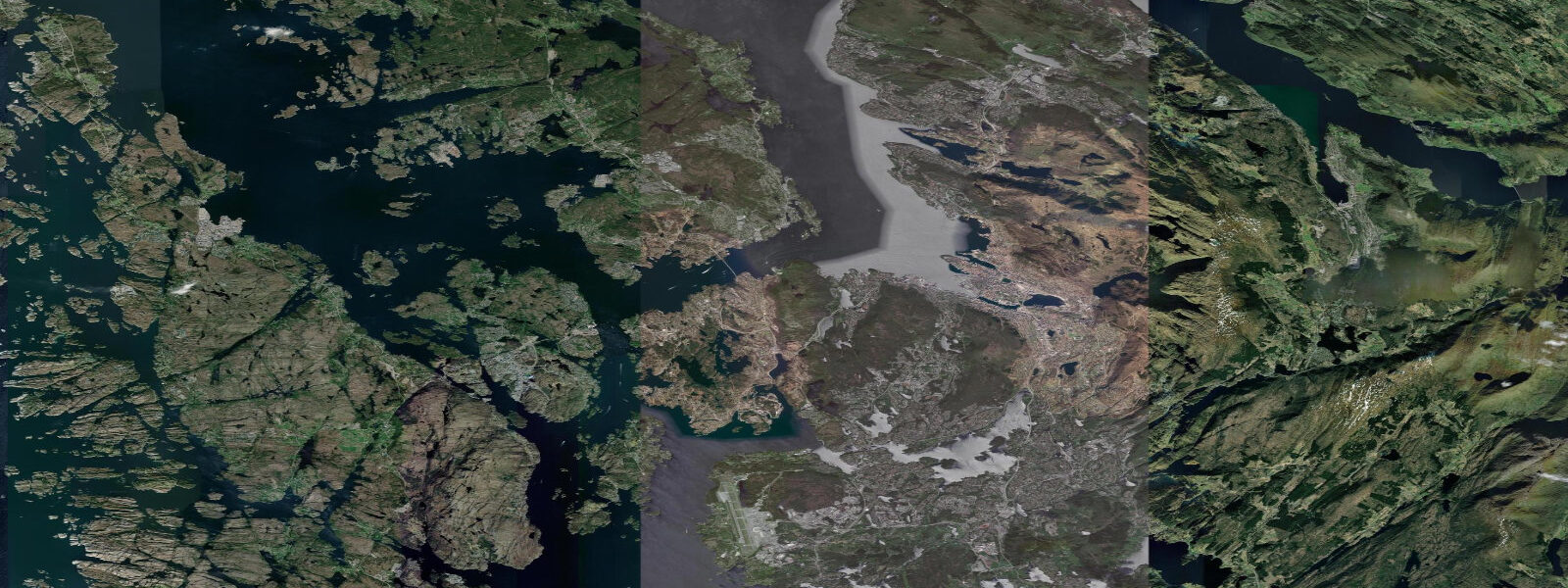
Bergen, Vestland tide times
Bergen, Vestland tide forecast — heights relative to MSL.
Today's tide times for Bergen, Vestland
Tide times at Bergen, Vestland on Sunday, 26 July 2026: first low tide at 02:50, first high tide at 08:50, second low tide at 15:12, second high tide at 21:06. Sunrise 05:00, sunset 22:28.
Tide chart for Bergen, Vestland
24-hour cosine-interpolated curve around the present moment. Heights relative to MSL. Predictions: Predictions: Open-Meteo Marine (MeteoFrance SMOC, 0.08° grid).
Sun, moon and conditions on Sun 26 Jul
Snapshot at build time — refreshes daily. Sea state from Open-Meteo Marine.
Highs and lows next 7 days
Every predicted high and low for the next week, with the daily tidal coefficient (0–120; higher = bigger swing, > 95 means stronger currents).
Other spots nearby
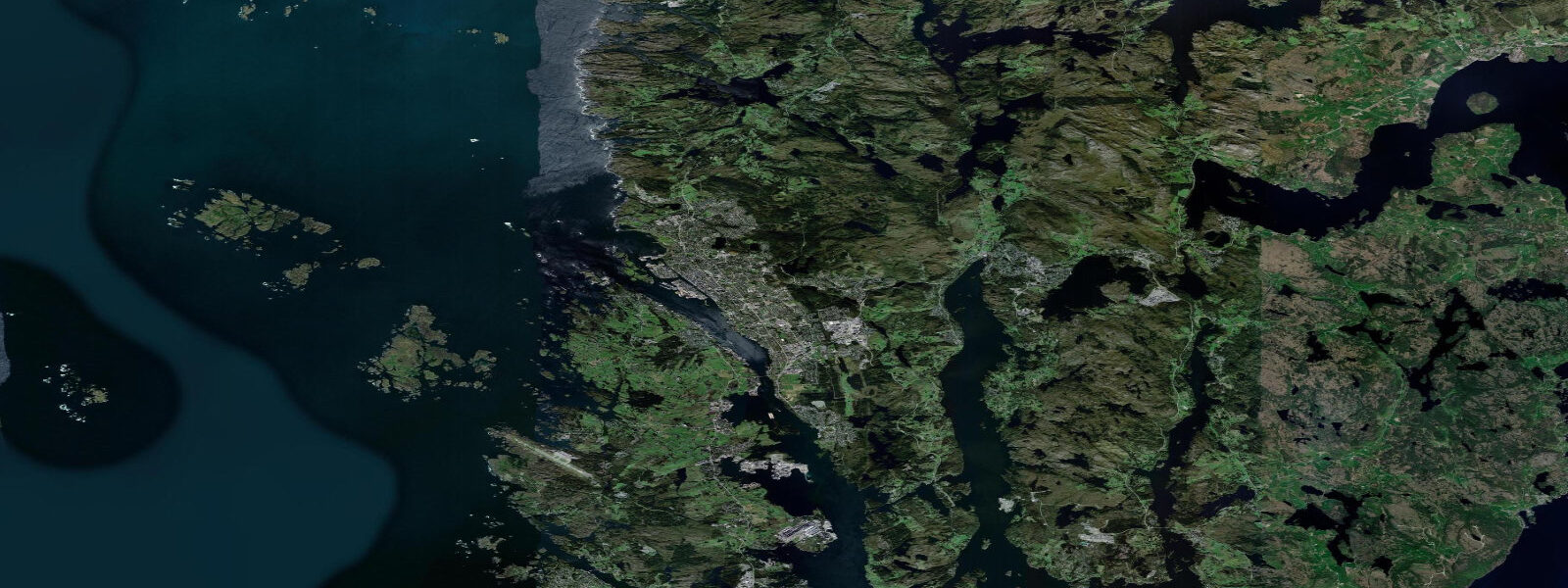
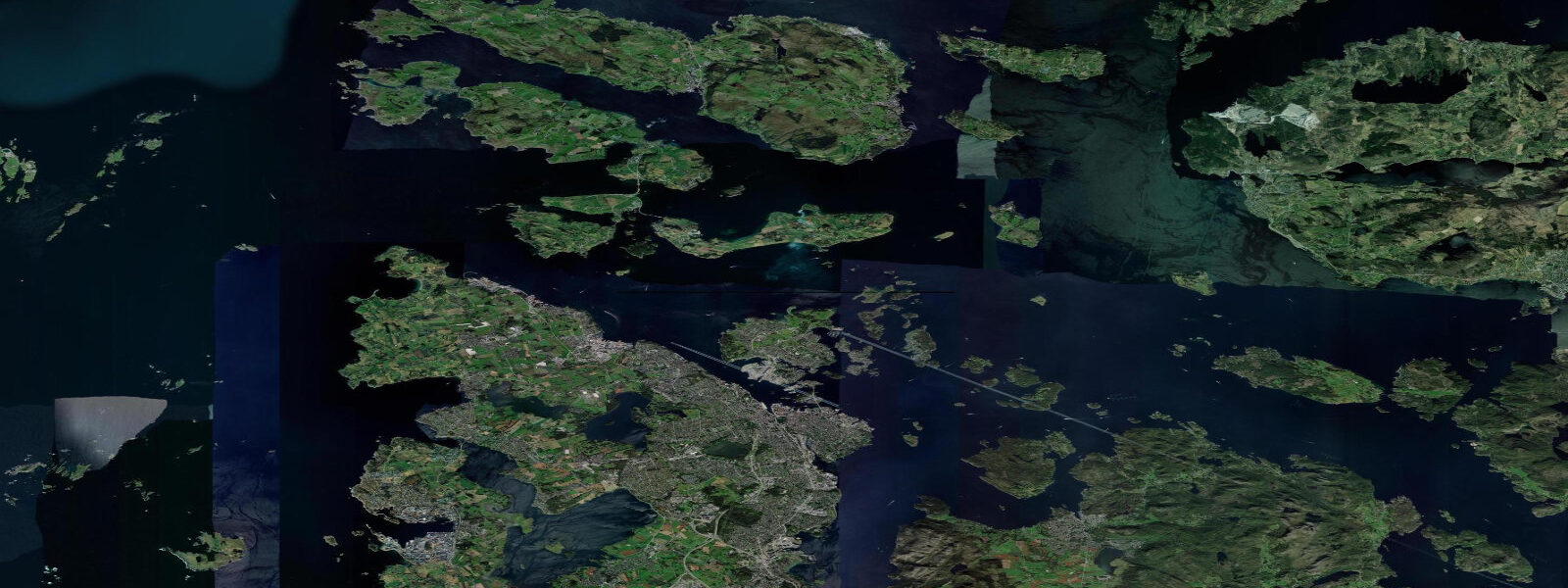
The three closest curated TideTurtle locations to Bergen, Vestland, measured by great-circle distance.
Today's solunar windows
Solunar tradition: major periods are the ≈3h windows around moon transit and opposition; minor are ≈2h around moonrise and moonset. Pair with the local tide stage and wind for the best read.
Cycle dates near Bergen, Vestland
Next spring tide on Fri 31 Jul (range 1.1m). Last neap on Sun 26 Jul.
Spring tides cluster around new and full moons (biggest swings). Neap tides land on quarter moons (smallest swings). See the spring tide and neap tide glossary entries for the why.
About tides at Bergen, Vestland
A short guide to the coastline at Bergen, Vestland — geography, sea state, and what the tide is actually doing under your feet.
Bergen sits on the Byfjorden — an inner fjord branch of the long Sognefjord and Hardangerfjord system on Norway's western coast. The tide here runs a moderate semidiurnal signal that the long fjord network amplifies and reshapes as it propagates inland from the open North Sea. 6 on neaps.
The pattern is two highs and two lows about twelve and a half hours apart. Inside the long fjords the tide propagates as a free wave and the height grows slightly toward the head of each fjord, while the timing lags the open coast by 30 to 60 minutes. The Bergen harbour itself — Vågen, with the working fish market at Torget at its head and the cruise terminal at Bontelabo — sits on the inner edge of Byfjorden where the swing is gentle but predictable.
The Hanseatic wharf at Bryggen has weathered seven and a half centuries of these tide cycles. Salmon fishers in the river-mouth zones at the Lærdalselva and the Vosso, ferry skippers running the long fjord lines to Sognefjord and Hardangerfjord, and tour operators on the Mostraumen current rapids at the inner fjord narrows each read the table for different windows. North Sea storm surge from winter Atlantic lows can lift levels 30 cm or more above predicted; the harmonic signal here is more coastal than oceanic.
Open-Meteo Marine drives the gridded predictions on this page; the Norwegian Mapping Authority (Kartverket) Sjødivisjonen runs the authoritative gauge network and tide tables.
Tide questions about Bergen, Vestland
Quick answers to the most common questions about tide times, range, and water access at Bergen, Vestland.
When is the next high tide at Bergen?
The hero block shows the next high tide at the Bergen gauge in local Oslo time (CET in winter, CEST in summer). The 7-day table covers all four daily extremes. High water at the heads of Sognefjord and Hardangerfjord lags the Bergen reading by 30 to 60 minutes depending on the fjord's length.
What's the typical tide range at Bergen?
Mean range at Bergen is about 1.0 metre — moderate by North Sea standards. Spring tides push close to 1.3 metres around new and full moons; neaps drop near 0.6 metres. Inside the long fjords the height grows slightly toward the head while the open coast at the western islands runs a similar swing but earlier in time.
How does the tide work inside a fjord?
Norwegian fjords behave like long, narrow tidal channels with a closed head. The tide enters from the open coast and propagates as a free wave to the head of the fjord. In Sognefjord — over 200 km long — the tide takes more than an hour to reach the head from the coast, and the height grows slightly because the basin narrows. Mostraumen and other narrow points along the system run sharp tidal currents that exceed several knots on the change of tide.
Where do these tide predictions come from?
Open-Meteo Marine, a gridded global ocean model. Useful for daily planning around Bergen and the inner fjord network. For authoritative Norwegian tide data, Kartverket Sjødivisjonen operates the official gauge network from Oslo through Bergen to Tromsø and publishes tide tables and real-time water-level forecasts.
Is this safe to use for navigation?
No. For piloting in or out of Bergen, the inner fjord network, or any of the narrow tidal-current points like Mostraumen and Saltstraumen further north use Kartverket's authoritative tide tables, the Norwegian Coastal Administration chart products, and the latest pilot information. The fjord-mouth currents and the open-coast skerry channels demand real navigational sources, not a planning tool.
8-day tide table — Bergen, Vestland
Heights relative to MSL. Predictions: Open-Meteo Marine (MeteoFrance SMOC, 0.08° grid) — heights relative to MSL (not chart datum / LAT). Model-derived.
| Day | Type | Time | Height |
|---|---|---|---|
| Sun 26 Jul | Low | 02:50 | -0.5m |
| High | 08:50 | 0.1m | |
| Low | 15:12 | -0.4m | |
| High | 21:06 | 0.2m | |
| Mon 27 Jul | Low | 03:42 | -0.6m |
| High | 09:36 | 0.1m | |
| Low | 16:00 | -0.6m | |
| High | 21:57 | 0.1m | |
| Tue 28 Jul | Low | 04:21 | -0.7m |
| High | 10:20 | 0.0m | |
| Low | 16:35 | -0.7m | |
| High | 22:45 | 0.1m | |
| Wed 29 Jul | Low | 05:02 | -0.8m |
| High | 11:06 | 0.1m | |
| Low | 17:11 | -0.8m | |
| High | 23:19 | 0.2m | |
| Thu 30 Jul | Low | 05:38 | -0.8m |
| High | 11:47 | 0.1m | |
| Low | 17:51 | -0.8m | |
| Fri 31 Jul | High | 00:00 | 0.2m |
| Low | 06:14 | -0.9m | |
| High | 12:26 | 0.1m | |
| Low | 18:26 | -0.8m | |
| Sat 01 Aug | High | 00:41 | 0.2m |
| Low | 06:52 | -1.0m | |
| High | 13:07 | 0.1m | |
| Low | 19:01 | -0.9m | |
| Sun 02 Aug | High | 01:00 | 0.1m |