Bergen tide times
Bergen tide forecast — heights relative to MSL.
Today's tide times for Bergen
Tide times at Bergen on Monday, 3 August 2026: first high tide at 02:00, first low tide at 08:07. Sunrise 05:19, sunset 22:09.
Tide chart for Bergen
24-hour cosine-interpolated curve around the present moment. Heights relative to MSL. Predictions: Predictions: Open-Meteo Marine (MeteoFrance SMOC, 0.08° grid).
Sun, moon and conditions on Mon 03 Aug
Snapshot at build time — refreshes daily. Sea state from Open-Meteo Marine.
Highs and lows next 7 days
Every predicted high and low for the next week, with the daily tidal coefficient (0–120; higher = bigger swing, > 95 means stronger currents).
Other spots nearby
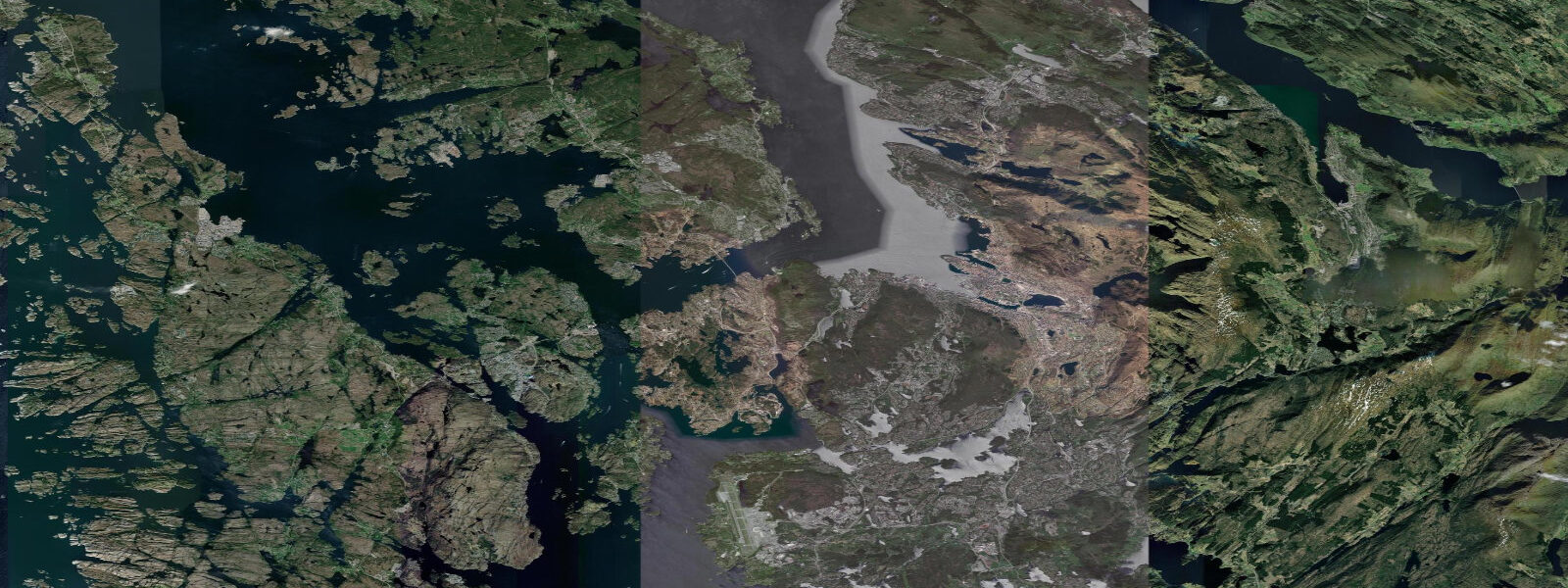
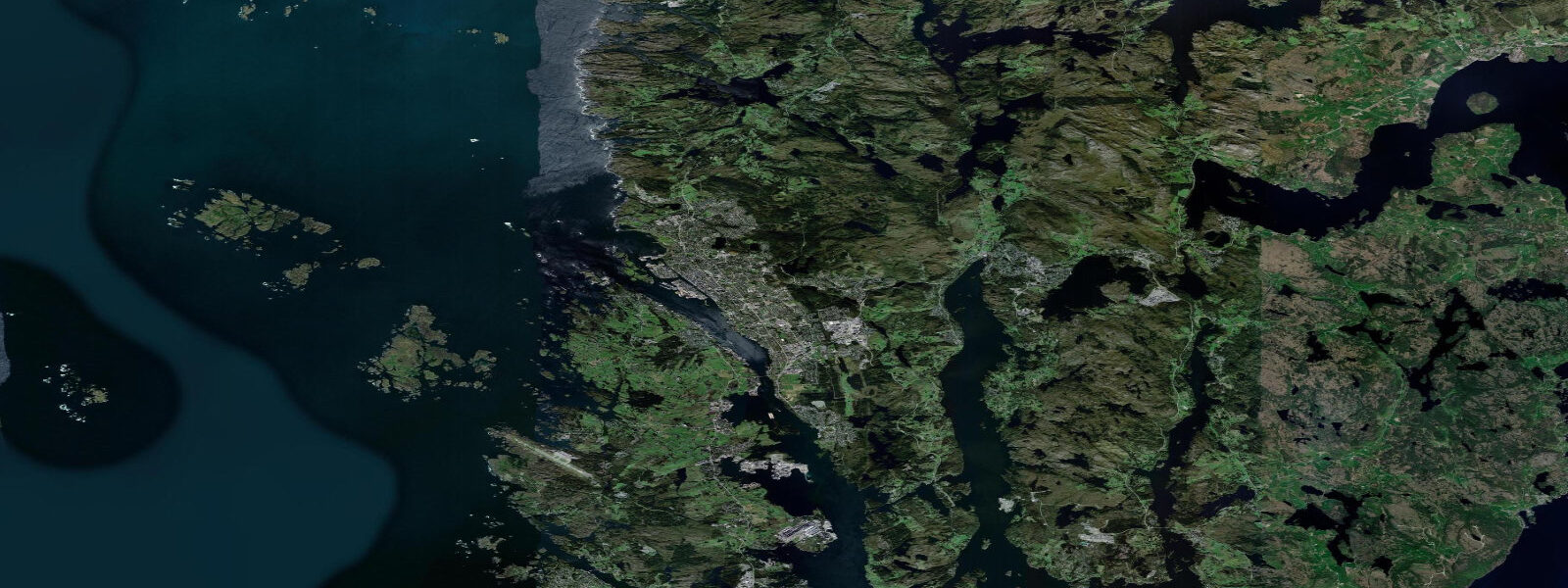
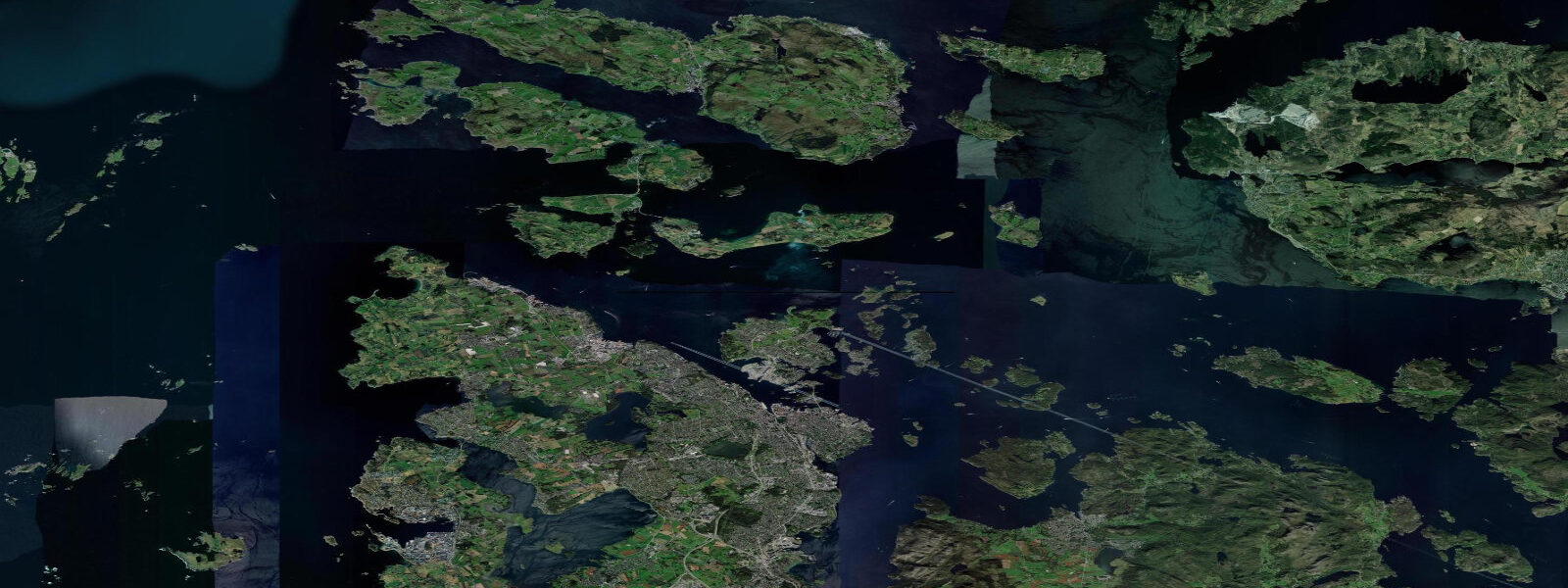
The three closest curated TideTurtle locations to Bergen, measured by great-circle distance.
Today's solunar windows
Solunar tradition: major periods are the ≈3h windows around moon transit and opposition; minor are ≈2h around moonrise and moonset. Pair with the local tide stage and wind for the best read.
Cycle dates near Bergen
Last spring tide on Mon 03 Aug (range 1.1m). Next neap on Sat 08 Aug.
Spring tides cluster around new and full moons (biggest swings). Neap tides land on quarter moons (smallest swings). See the spring tide and neap tide glossary entries for the why.
About tides at Bergen
A short guide to the coastline at Bergen — geography, sea state, and what the tide is actually doing under your feet.
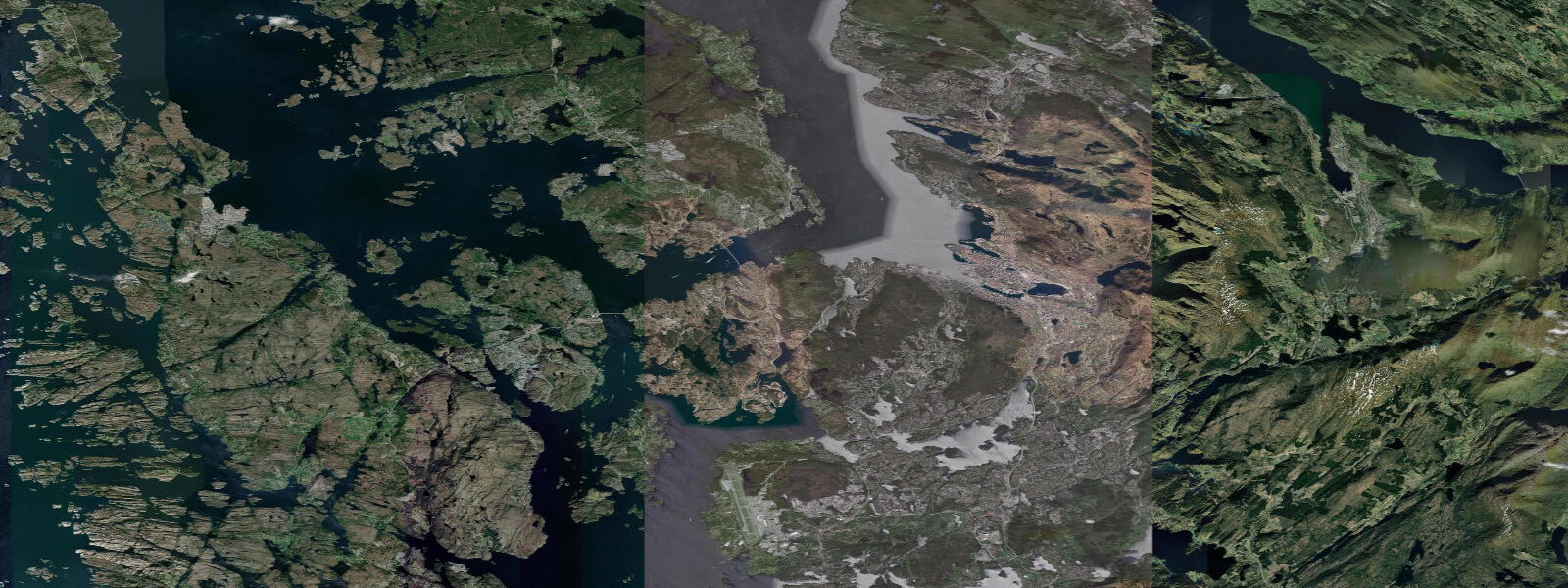
Bergen is Norway's second city and the gateway to the western fjords, sitting at the base of seven mountains between Byfjord and Puddefjord. The tidal pattern is semidiurnal with a mean spring range of about 0.9 metres — modest, but the topography of the fjord system means tidal current in the narrow channels between islands and headlands can be significant on spring tides. The Hardangerfjord, Sognefjord, and the outer island archipelago (Øygarden) are all reachable from Bergen by boat.
Bryggen — the Hanseatic wharf on the eastern shore of the Vagen harbour — is the symbolic image of Bergen. The pointed wooden warehouses date from the 14th century; the earlier buildings burned repeatedly (Bergen has had at least seven major fires) and the current structures are 18th-century reconstructions on medieval foundations. UNESCO World Heritage listed since 1979. The harbour front below Bryggen still has active fish market stalls; the Bergen Fish Market (Fisketorget) is one of the most visited in Norway.
The Bergensbanen railway traverses the plateau from Bergen to Oslo (496 km, 7 hours) and is considered one of the most scenic rail journeys in Europe — crossing the Hardangervidda mountain plateau at 1222 metres and descending to the west coast through the Flåm valley. The Flåm Railway (Flåmsbanen), a 20-km branch from Myrdal to the Aurlandsfjord, is separately one of the steepest standard-gauge railways in the world.
Kayaking in the outer Bergen archipelago (Øygarden) is a well-developed activity. The flat, island-sheltered waters west of Bergen are excellent for sea kayaking in settled conditions; the outer skerries are exposed to the North Sea and require experience and good weather judgement. Guided day tours from Bergen's waterfront operators cover the inner island routes. Water temperature is 12 to 16°C in summer; a 4/3mm wetsuit is comfortable.
Sailing the western fjords from Bergen is the definitive Norwegian coastal experience. Rental of cabin cruisers and sailing yachts from Bergen marina is available seasonally; the Hardangerfjord (longest fjord in the world) and the Nærøyfjord (UNESCO World Heritage) are the classic destinations.
Predictions on this page come from Open-Meteo Marine, a gridded global ocean model. Accuracy is typically within plus or minus 45 minutes on timing and 0.2 to 0.3 metres on height — model-derived, not from a local gauge. For authoritative Norwegian tide predictions, consult Kartverket (Norwegian Mapping Authority) at kartverket.no/sehavniva.
Tide questions about Bergen
Quick answers to the most common questions about tide times, range, and water access at Bergen.
What is the tidal range at Bergen?
Bergen has semidiurnal tides with a mean spring range of about 0.9 metres. The fjord topography concentrates tidal current in narrow passages — the channels through the outer Øygarden island complex can run 1.5 to 2 knots on spring tides. Inside Byfjord, where the city sits, tidal current is minimal. For sailing or kayaking in the outer islands, check Kartverket's tidal current charts for the specific channels planned.
What is Bryggen?
Bryggen is the Hanseatic wharf on Bergen's eastern harbour, a row of pointed wooden warehouse buildings that formed the German Hanseatic League's trading post from 1360 until the late 18th century. UNESCO World Heritage listed since 1979, the existing buildings are 18th-century reconstructions on medieval foundations (fire repeatedly destroyed the originals). The buildings now house restaurants, galleries, and craft shops. The Hanseatic Museum inside one of the original buildings preserves the interior as it was during the trading era.
Is sea kayaking in the Bergen archipelago accessible to beginners?
The inner Øygarden archipelago near Bergen is one of the more accessible sea kayaking areas on the Norwegian west coast — sheltered island channels with modest tidal current and good emergency landing options. Guided day tours from Bergen's waterfront operators are the safe starting point. The outer skerries facing the North Sea require sea kayak experience and good weather judgement — ocean swell and open crossings are involved. Pack rain gear regardless of the forecast: Bergen averages over 240 rain days per year.
How do I get to the western fjords from Bergen?
Multiple options: express boat (Hardangerfjord, Sognefjord — fastest), public ferry (Norled and Fjord1 operate extensive services), local bus + ferry combinations. The Norway in a Nutshell round trip (Bergen → Flåm by rail → Nærøyfjord by boat → Gudvangen by bus → Voss by bus → Bergen) is the classic tourist circuit — bookable as a day trip or overnight. All fjord services depart from Bergen's Strandkaien or Nøstebukten ferry terminals.
What seafood is best in Bergen?
Bergen's fish market (Fisketorget) and the harbour-front restaurants are the starting point. Norwegian highlights: king crab (kongekrabbe) from northern Norway, salmon (laks) from the local fjord farms and rivers, and cod (torsk) in winter. Lutefisk (lye-treated dried cod) is a cultural institution with a specific fan base. The local Bergen specialty is pinnekjøtt (cured and dried lamb ribs, steamed over birch wood) — a Christmas dish but available year-round at traditional restaurants.
8-day tide table — Bergen
Heights relative to MSL. Predictions: Open-Meteo Marine (MeteoFrance SMOC, 0.08° grid) — heights relative to MSL (not chart datum / LAT). Model-derived.
| Day | Type | Time | Height |
|---|---|---|---|
| Mon 03 Aug | High | 02:00 | 0.1m |
| Low | 08:07 | -1.0m | |
| Tue 04 Aug | High | 02:41 | 0.0m |
| Low | 08:45 | -0.9m | |
| High | 15:11 | -0.0m | |
| Low | 21:00 | -0.8m | |
| Wed 05 Aug | High | 16:02 | 0.0m |
| Low | 21:50 | -0.7m | |
| Thu 06 Aug | High | 04:18 | 0.1m |
| Low | 10:24 | -0.7m | |
| High | 16:50 | -0.1m | |
| Low | 22:48 | -0.8m | |
| Fri 07 Aug | High | 05:24 | -0.1m |
| Low | 11:24 | -0.7m | |
| High | 18:00 | -0.1m | |
| Sat 08 Aug | Low | 00:00 | -0.7m |
| High | 19:10 | 0.0m | |
| Sun 09 Aug | Low | 01:15 | -0.6m |
| High | 07:40 | 0.0m | |
| Low | 13:57 | -0.7m | |
| High | 20:11 | -0.0m | |
| Mon 10 Aug | Low | 01:00 | -0.6m |