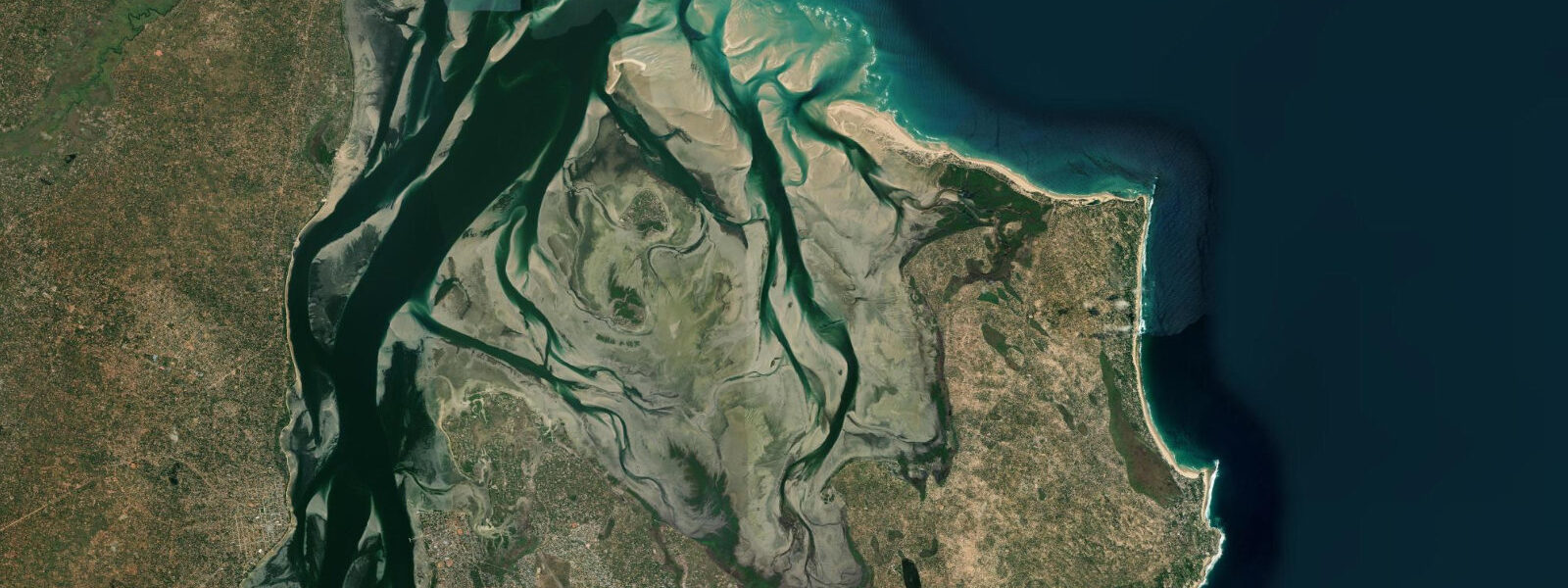
Tofo Beach tide times
Tofo Beach tide forecast — heights relative to MSL.
Today's tide times for Tofo Beach
Tide times at Tofo Beach on Tuesday, 4 August 2026: first low tide at 02:00am, first high tide at 06:16am, second low tide at 12:25pm, second high tide at 06:37pm. Sunrise 06:12am, sunset 05:15pm.
Tide chart for Tofo Beach
24-hour cosine-interpolated curve around the present moment. Heights relative to MSL. Predictions: Predictions: Open-Meteo Marine (MeteoFrance SMOC, 0.08° grid).
Sun, moon and conditions on Tue 04 Aug
Snapshot at build time — refreshes daily. Sea state from Open-Meteo Marine.
Highs and lows next 7 days
Every predicted high and low for the next week, with the daily tidal coefficient (0–120; higher = bigger swing, > 95 means stronger currents).
Other spots nearby
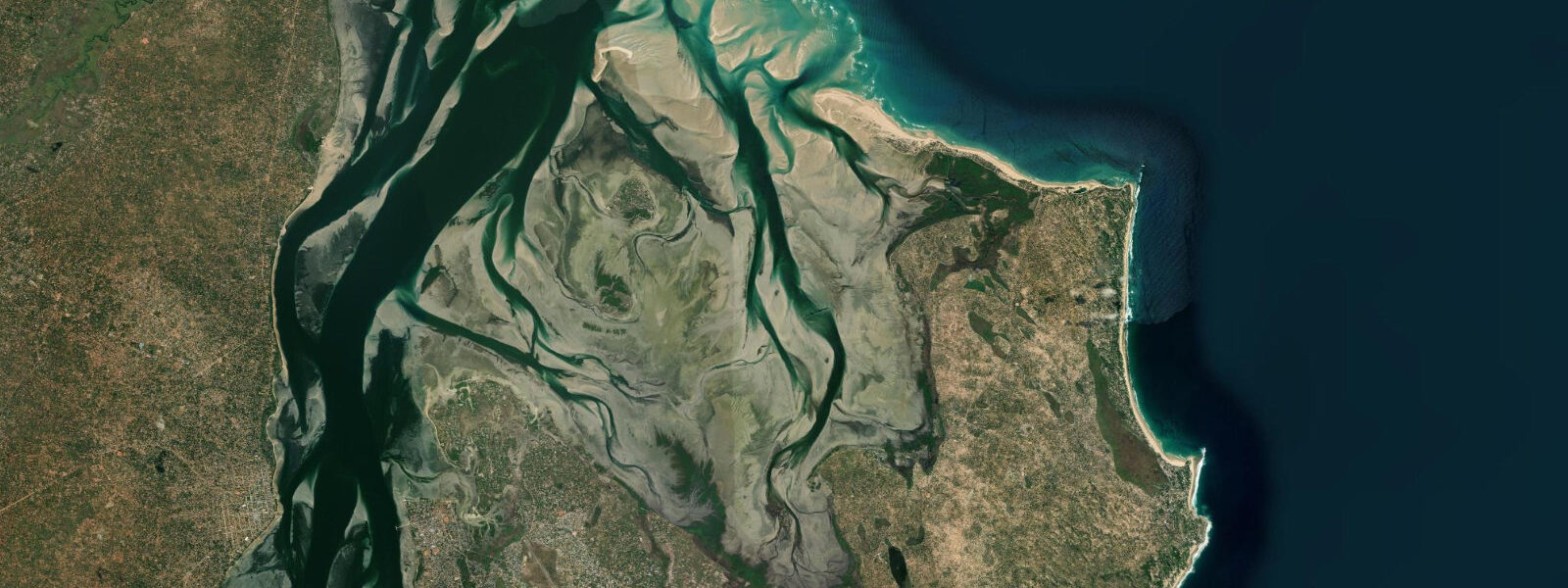
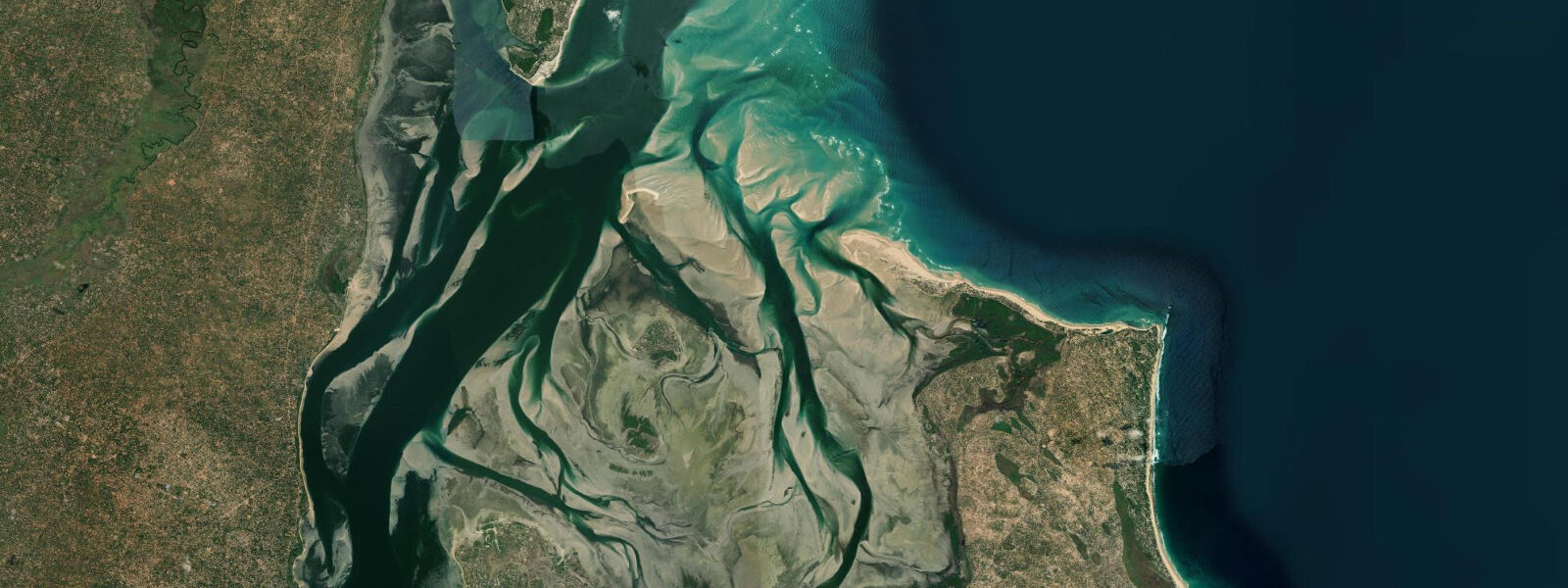
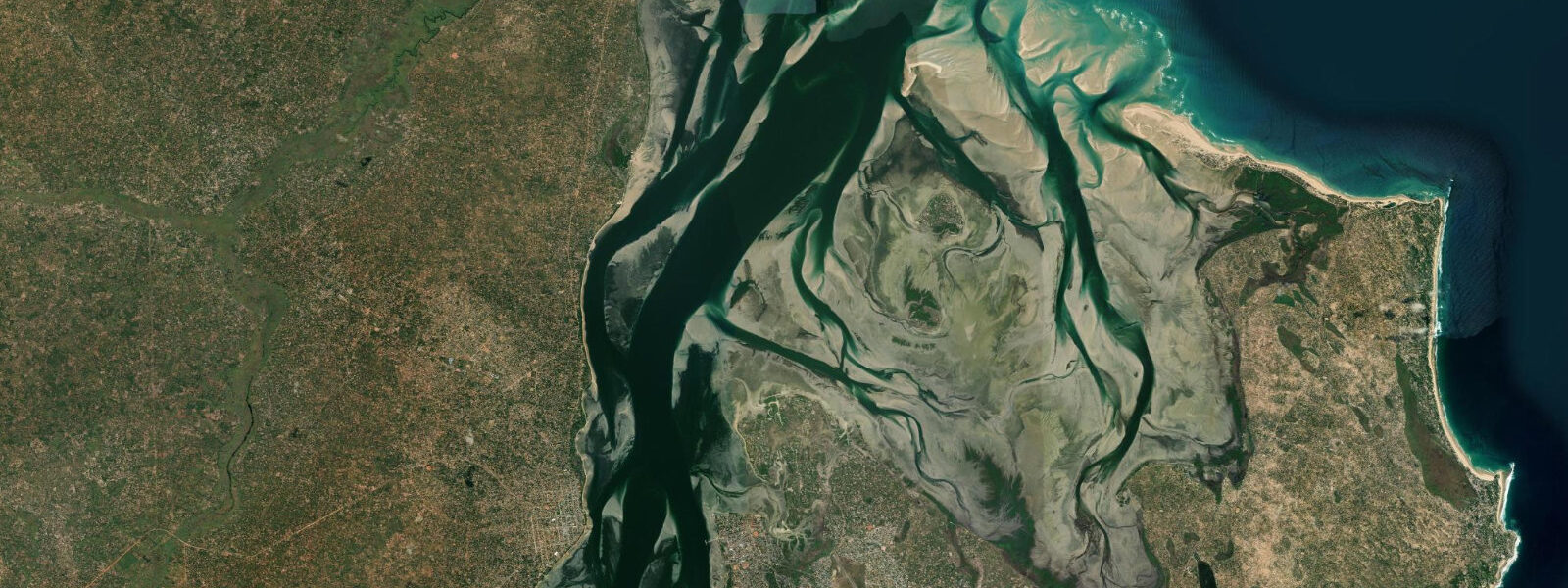
The three closest curated TideTurtle locations to Tofo Beach, measured by great-circle distance.
Today's solunar windows
Solunar tradition: major periods are the ≈3h windows around moon transit and opposition; minor are ≈2h around moonrise and moonset. Pair with the local tide stage and wind for the best read.
Cycle dates near Tofo Beach
Last spring tide on Tue 04 Aug (range 2.1m). Next spring tide on Mon 10 Aug (range 1.7m). Next neap on Sat 08 Aug.
Spring tides cluster around new and full moons (biggest swings). Neap tides land on quarter moons (smallest swings). See the spring tide and neap tide glossary entries for the why.
About tides at Tofo Beach
A short guide to the coastline at Tofo Beach — geography, sea state, and what the tide is actually doing under your feet.
Tofo Beach occupies a southeast-facing bay on the Inhambane Peninsula, a narrow spit of land that projects into the Indian Ocean east of Inhambane town. The bay at Tofo is open to the southeast, which means it catches the dominant swell direction and concentrates the plankton bloom driven by upwelling from the south — the same upwelling that makes the continental shelf here one of the most productive in the western Indian Ocean rim.
The whale shark (Rhincodon typus) population at Tofo is the most internationally documented aggregation on the Mozambican coast. Year-round sightings are confirmed, with peak density from October through March. The aggregation is driven by structure rather than accident: the shelf here is wide and relatively shallow, cold upwelled water from the southeast mixes with warmer equatorial surface water to concentrate zooplankton, and the whale sharks feed near the surface on the resulting bloom. Manta rays — both reef mantas (Mobula alfredi) and oceanic mantas (Mobula birostris) — aggregate at Manta Reef offshore, where the tidal current pushing over the reef crest concentrates their zooplankton prey. The reef manta aggregation at Tofo is one of the largest known aggregations in the Indian Ocean; population surveys have identified more than 500 individual animals using the site.
Dive operators on the beach — Peri-Peri Divers and Diversity Scuba are the longest-established — run daily dives that are planned around sea state and seasonal conditions. The timing of in-water dives around tidal phase is less critical than at some sites, because the whale shark encounters occur at or near the surface over a wide area rather than at a specific reef feature; the manta feeding at Manta Reef does intensify on the incoming current, and operators know the best arrival window from experience accumulated over years of daily trips.
The tidal range at Tofo Beach is approximately 3.5 m on a spring tide, 1.7 m on a neap. The semidiurnal pattern produces two highs and two lows per day. At spring low water, the beach at Tofo widens by 150 to 200 m, and the inshore water depth over the near-beach reef shelf drops to less than 0.5 m — snorkellers need to wait for the incoming flood to enter the reef zone comfortably. At high water the beach narrows to a strip backed by the high dunes; the dune face is unstable after rain, and the vegetated dune crest is a protected coastal zone.
The morning window before the southeast sea breeze builds — typically from around 10:00 to 11:00 — is the calmest period for boat departure and surface encounters. The afternoon wind produces a choppier surface that makes spotting whale sharks from the boat harder, though in-water encounters remain possible. Shore-based observation from the dune line at Tofo can produce whale shark sightings on calm mornings when animals feed close enough to the bay mouth.
Anglers at Tofo fish the rocky headland on the northern side of the bay for kingfish, trevally, and barracuda. The high tide submerges the ledge fishing positions; the best shore-casting window is the incoming tide from approximately two hours before high water, when the flood concentrates baitfish against the headland rocks.
Anglers at Tofo fish the rocky headland on the northern side of the bay for kingfish, trevally, and barracuda. The high tide submerges the ledge fishing positions; the best shore-casting window is the incoming tide from approximately two hours before high water, when the flood concentrates baitfish against the headland rocks. Both whale shark and manta research at Tofo is ongoing, with photo-identification databases maintained by international marine biologists working alongside the local dive operators. First-time visitors should book at least three consecutive dive days to maximise the probability of a good encounter — sea state can cancel one day, and peak aggregation windows shift by a day or two depending on recent upwelling intensity. Beach-walkers on the spring low-water expanse find the sand firm and the walk south toward Barra uninterrupted for several kilometres.
Predictions for Tofo Beach come from Open-Meteo Marine, a gridded global ocean model; accuracy is typically within plus or minus 45 minutes on timing and 0.2 to 0.3 m on height above chart datum. The authoritative Mozambican tide tables are published by Instituto Nacional de Hidrografia e Navegação (INAHINA). These predictions are not for navigation.
Tide questions about Tofo Beach
Quick answers to the most common questions about tide times, range, and water access at Tofo Beach.
When is the best time to see whale sharks at Tofo Beach?
Whale shark sightings at Tofo are confirmed year-round, but the peak density runs from October through March when the southeast trade-wind upwelling and warmer equatorial surface water interact most intensively on the shelf. The timing within the day is driven by sea state rather than tidal phase: the calmest window is the morning before the southeast sea breeze builds, typically before 10:00 to 11:00. Rough afternoon conditions make surface spotting harder but do not push the animals away. Dive operators plan their departure times around the morning calm, sea state, and their accumulated knowledge of where aggregations have been in recent days. No tidal state specifically produces or suppresses whale shark sightings at the surface; manta ray feeding at Manta Reef offshore is more closely tied to the incoming current over the reef crest.
What is the tide range at Tofo Beach?
Spring tidal range at Tofo Beach is approximately 3.5 m — macrotidal, consistent with the Mozambique Channel regime. Neap range drops to around 1.7 m. The regime is semidiurnal, with two highs and two lows per day. At spring low water the beach widens by 150 to 200 m and the inner reef shelf shallows to less than 0.5 m; snorkellers should wait for at least one hour of flood to build comfortable water depth over the inner reef. The flood phase rises at approximately 0.4 m per hour on spring tides. Instituto Nacional de Hidrografia e Navegação (INAHINA) publishes the authoritative Mozambican tide tables; predictions here come from Open-Meteo Marine, accurate to typically plus or minus 45 minutes on timing and 0.2 to 0.3 m on height.
Which dive operators run from Tofo Beach?
Peri-Peri Divers and Diversity Scuba are the two longest-established dive operators on the beach at Tofo and have accumulated years of data on whale shark and manta ray aggregation patterns. Both run daily dives subject to sea state. Dive trip timing is set by the operators based on morning conditions, swell forecast, and recent aggregation locations — phone or visit the dive shop the evening before to confirm departure time and sea-state assessment for the following morning. Neither operator operates on a fixed rigid schedule that ignores conditions; if the swell is above 2.5 m or the sea state is unsafe, trips are postponed. Book accommodation with flexibility if whale shark or manta encounters are a primary goal.
Where do these tide predictions come from?
Tide predictions for Tofo Beach come from Open-Meteo Marine, a free gridded global ocean model. The model estimates tidal height across a geographic grid rather than from harmonic analysis of a local Tofo gauge. Accuracy is typically within plus or minus 45 minutes on timing and 0.2 to 0.3 m on height above chart datum. At Tofo's 3.5 m spring range, the height uncertainty is below 10% of the total swing — appropriate for beach, snorkelling, and shore-fishing activity planning. For navigation to the offshore dive and manta sites, use the tide tables published by Instituto Nacional de Hidrografia e Navegação (INAHINA) and the relevant Mozambican coastal charts.
Is snorkelling on the reef at Tofo tide-dependent?
Yes, for comfortable entry. At spring low water the inner reef shelf at Tofo shallows to less than 0.5 m — enough to make fin-over-coral contact likely and the entry walk uncomfortable on the reef flat. The incoming flood from approximately one hour after low water onward builds the depth to 0.8 m to 1.5 m over the inner reef, which is the comfortable snorkelling range for most people. The best visibility on the inner reef occurs on the incoming tide before the full flood current stirs sediment from the bottom: enter around mid-flood, swim shoreward as the tide builds, and exit before the full high-water slack when the inner bay can become murky. Outer reef snorkelling from a boat is less tide-dependent on depth and more sensitive to sea state — the operators assess this daily.
8-day tide table — Tofo Beach
Heights relative to MSL. Predictions: Open-Meteo Marine (MeteoFrance SMOC, 0.08° grid) — heights relative to MSL (not chart datum / LAT). Model-derived.
| Day | Type | Time | Height |
|---|---|---|---|
| Tue 04 Aug | Low | 02:00 | -0.3m |
| High | 06:16 | 1.4m | |
| Low | 12:25 | -0.7m | |
| High | 18:37 | 1.4m | |
| Wed 05 Aug | Low | 00:45 | -0.6m |
| High | 06:48 | 1.2m | |
| Low | 13:00 | -0.6m | |
| High | 19:15 | 1.2m | |
| Thu 06 Aug | Low | 01:26 | -0.4m |
| High | 20:02 | 0.9m | |
| Fri 07 Aug | Low | 02:20 | -0.3m |
| High | 21:24 | 0.6m | |
| Sat 08 Aug | Low | 04:00 | -0.1m |
| High | 10:38 | 0.6m | |
| Low | 17:16 | -0.1m | |
| High | 23:52 | 0.6m | |
| Sun 09 Aug | Low | 06:19 | -0.2m |
| High | 12:50 | 0.8m | |
| Low | 19:08 | -0.3m | |
| Mon 10 Aug | High | 01:26 | 0.9m |
| Low | 07:37 | -0.4m | |
| High | 13:57 | 1.1m | |
| Low | 20:06 | -0.6m | |
| Tue 11 Aug | High | 01:00 | 1.0m |