Tofo Beach tide times
Tofo Beach tide forecast — heights relative to MSL.
Today's tide times for Tofo Beach
Tide times at Tofo Beach on Tuesday, 4 August 2026: first low tide at 02:00am, first high tide at 06:16am, second low tide at 12:25pm, second high tide at 06:37pm. Sunrise 06:12am, sunset 05:15pm.
Tide chart for Tofo Beach
24-hour cosine-interpolated curve around the present moment. Heights relative to MSL. Predictions: Predictions: Open-Meteo Marine (MeteoFrance SMOC, 0.08° grid).
Sun, moon and conditions on Tue 04 Aug
Snapshot at build time — refreshes daily. Sea state from Open-Meteo Marine.
Highs and lows next 7 days
Every predicted high and low for the next week, with the daily tidal coefficient (0–120; higher = bigger swing, > 95 means stronger currents).
Other spots nearby
The three closest curated TideTurtle locations to Tofo Beach, measured by great-circle distance.
Today's solunar windows
Solunar tradition: major periods are the ≈3h windows around moon transit and opposition; minor are ≈2h around moonrise and moonset. Pair with the local tide stage and wind for the best read.
Cycle dates near Tofo Beach
Last spring tide on Tue 04 Aug (range 2.1m). Next spring tide on Mon 10 Aug (range 1.7m). Next neap on Sat 08 Aug.
Spring tides cluster around new and full moons (biggest swings). Neap tides land on quarter moons (smallest swings). See the spring tide and neap tide glossary entries for the why.
About tides at Tofo Beach
A short guide to the coastline at Tofo Beach — geography, sea state, and what the tide is actually doing under your feet.
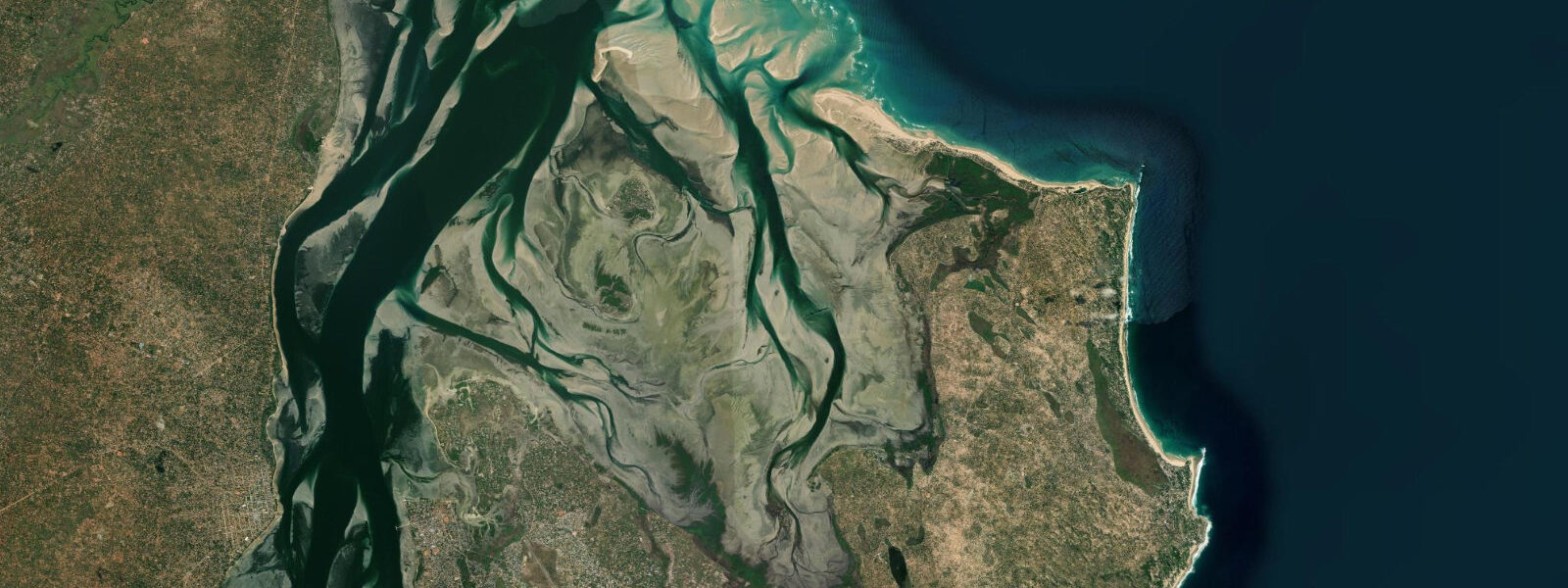
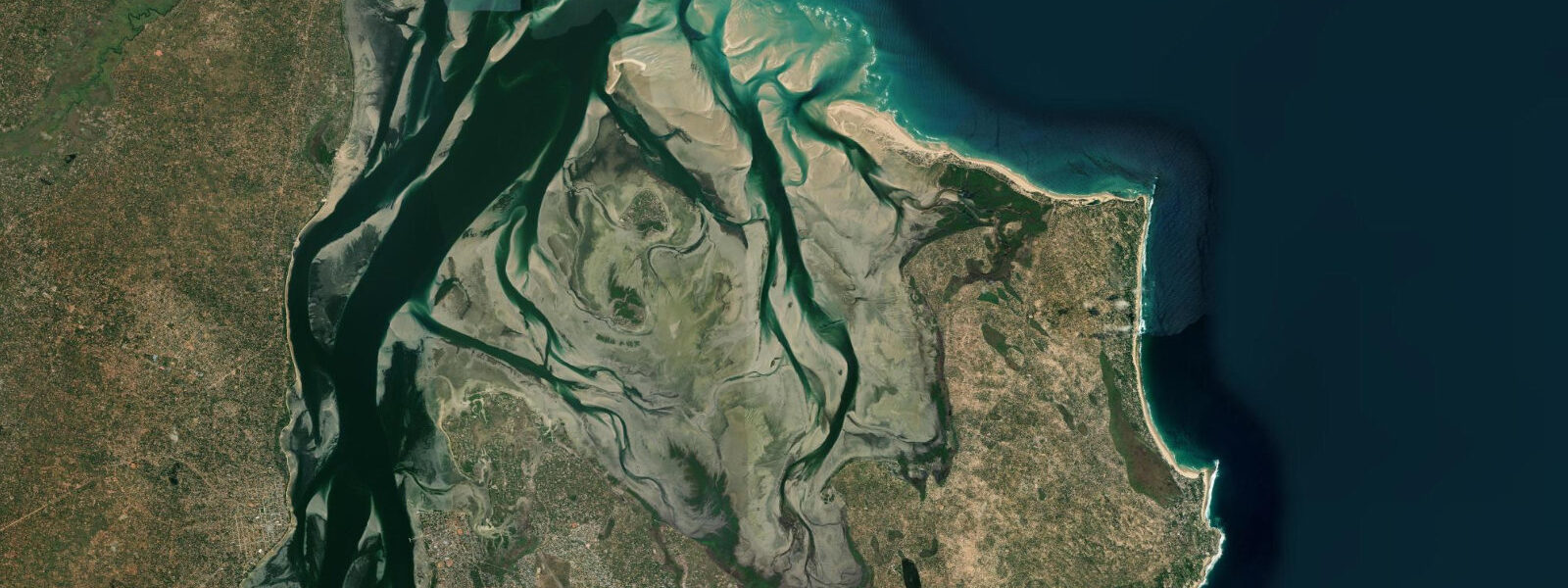
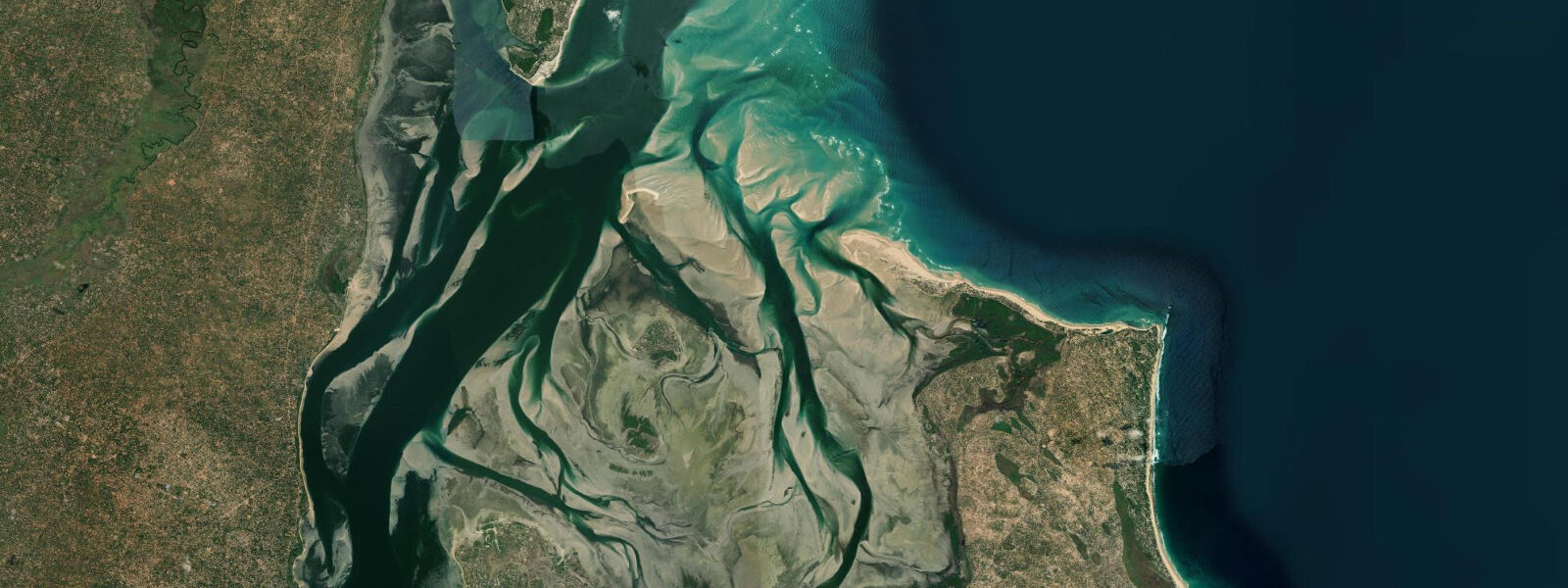
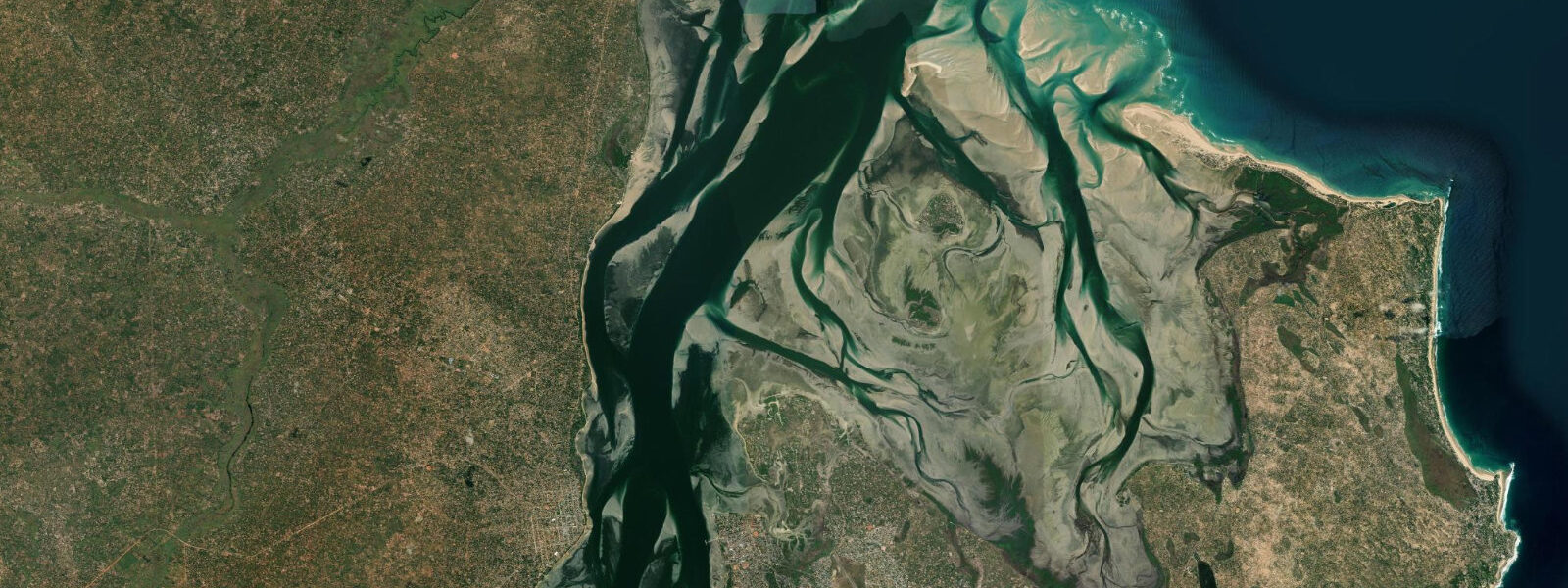
Tofo Beach sits on a headland peninsula 22 kilometres from Inhambane town, on the outer Indian Ocean coast of Mozambique's Inhambane Province. The headland juts into deep water, and it is this geography — the reef close to shore, the channel dropping quickly — that produces both the megafauna encounters and the surf that have made Tofo one of the most consistently visited coastal destinations in east Africa. The manta ray aggregation here is one of the more dependable in the world.
Reef mantas (Mobula alfredi) attend cleaning stations on the Tofo reef year-round, hovering near coral heads where smaller fish pick parasites from their gills and skin. The cleaning stations sit in 10 to 20 metres of water, accessible to recreational divers on most conditions. Water clarity at Tofo is consistently good — 20 to 30 metres of horizontal visibility on calm days — and the mantas tend to be relaxed around divers who approach without bubbles rushing upward.
Night diving from the beach adds further encounters: reef mantas feed in the shallows at night when surface lights concentrate zooplankton, and this behaviour is well documented at Tofo by marine research teams who have been working the site since the early 2000s. The Marine Megafauna Foundation, which has conducted long-term manta identification research here, has built a catalogue of hundreds of individual animals — some with sighting records spanning over two decades. Whale sharks (Rhincodon typus) concentrate in Tofo's nearshore water from October through February.
The aggregation follows seasonal plankton blooms in the Mozambique Channel, and peak density typically runs from November to January when warm, productive water pushes onto the shelf. Whale shark encounters here are snorkel-only by convention — getting in the water alongside a 7-to-10-metre shark under calm conditions, without scuba noise, is more effective and less disruptive for all parties. 0 metres at Inhambane.
At Tofo, the tide controls the headland beach profile — at high water the beach narrows and swells refract around the headland more directly; at low water the beach widens and there is more sand exposed on the outer bay. The Tofo headland produces a beach break when a southeast swell wraps around the point. The southeast swell season runs from roughly April to September, with the most consistent energy in June and July.
5 metres from the southeast and the wind is light from the northwest or westerly, Tofo produces clean, rideable waves that break over the sand at the base of the headland. It is not a world-class surf destination but it is a functional one, and the combination with the diving makes it a rare dual-purpose coastal stop on the east African seaboard. Humpback whales move through the offshore water from July to September; sightings from the headland or from dive boats are common during those months.
The dive industry at Tofo is well established — multiple operators have been running for more than 20 years, and the compressor infrastructure, equipment hire, and guide knowledge of the sites are reliable. The headland village has expanded significantly since the early 2000s: there are now guesthouses, restaurants, surf shops, and a small but functional backpacker infrastructure alongside the mid-range lodges. The road from Inhambane to Tofo is 22 kilometres on a tar road, roughly 25 minutes by car.
Chapas (shared minibuses) run from Inhambane market to Tofo multiple times per day. Hiring a bicycle or scooter in the village makes the headland and the surrounding beaches navigable independently. The Barra Peninsula is a 15-minute drive north; Inhambane town is 25 minutes back south.
The climate at Tofo is warm year-round: sea temperatures run 24 to 28°C, peaking in the austral summer when the water also brings the whale shark aggregation. November to March is the hot, humid season with occasional heavy rain; April to October is drier and cooler with the most consistent southeast swell. Predictions on this page come from Open-Meteo Marine, a gridded global ocean model.
3 metres on height — model-derived, not from a local gauge. For authoritative maritime information on Mozambican waters, consult the Instituto Nacional de Hidrografia e Navegação (INAHINA).
Tide questions about Tofo Beach
Quick answers to the most common questions about tide times, range, and water access at Tofo Beach.
Are manta rays really visible year-round at Tofo?
Yes. Reef mantas (Mobula alfredi) attend cleaning stations on the Tofo reef throughout the year, making Tofo one of the most consistent manta destinations in the world. The cleaning stations sit in 10 to 20 metres of water. The animals are more abundant and active at certain points in the tidal and seasonal cycle — incoming tide and early morning are generally productive — but there is no hard off-season. Dive operators at Tofo have been recording and identifying individual mantas for more than two decades; some animals have over 20 years of sighting history on the same reef.
When is whale shark season at Tofo and how are encounters managed?
Whale sharks concentrate at Tofo from October to February, peaking around November to January when warm, plankton-rich water pushes onto the shelf. Encounters are conducted by snorkelling alongside the animals — scuba is not used, as the exhaust bubbles disturb the sharks' feeding behaviour and cause them to sound. Operators use a spotter boat to locate animals from the surface and then deploy snorkellers quietly alongside. Group sizes per shark are limited by responsible operators. Outside the peak season, whale sharks appear sporadically; inside it, multiple animals on a single trip are not unusual.
Does Tofo have surfable waves and when is the best time?
Tofo produces a beach break on the headland when southeast swell wraps around the point. The southeast swell season runs from roughly April through September, with the most consistent energy in June and July. The ideal conditions are a 1.5 to 2.5 metre southeast swell with a light westerly or northwesterly wind. At those parameters, the wave is clean and has enough length for recreational surfing. It is not a heavy reef break — it is a sand-bottomed beach break — which makes it forgiving for intermediate surfers. When the swell is absent or from the wrong direction, the headland is flat.
How do I get from Inhambane town to Tofo Beach?
Tofo is 22 kilometres from Inhambane town on a paved road — about 25 minutes by car in normal conditions. Chapas (shared minibuses) run the route from Inhambane market through the day; the last chapa back to town tends to leave Tofo in the mid-afternoon, so confirm timing if you are not staying overnight. Taxis and tuk-tuks are available for the run. Once at Tofo, the headland and adjacent beaches are navigable by bicycle or scooter, both of which can be hired from operators in the village.
What is the tidal range at Tofo and does it affect diving?
The mean spring tidal range at Tofo is approximately 2.0 to 3.0 metres. Tidal flow through the dive sites is relevant: some cleaning stations are more active on an incoming tide when the current brings fresh water over the reef. Dive operators at Tofo schedule their trips around both the marine life activity patterns and the tidal window — ask your operator which sites they favour at specific tide states. Strong spring ebb currents can make surface returns to the boat more effortful; experienced guides account for this in site selection and dive timing.
8-day tide table — Tofo Beach
Heights relative to MSL. Predictions: Open-Meteo Marine (MeteoFrance SMOC, 0.08° grid) — heights relative to MSL (not chart datum / LAT). Model-derived.
| Day | Type | Time | Height |
|---|---|---|---|
| Tue 04 Aug | Low | 02:00 | -0.3m |
| High | 06:16 | 1.4m | |
| Low | 12:25 | -0.7m | |
| High | 18:37 | 1.4m | |
| Wed 05 Aug | Low | 00:45 | -0.6m |
| High | 06:48 | 1.2m | |
| Low | 13:00 | -0.6m | |
| High | 19:15 | 1.2m | |
| Thu 06 Aug | Low | 01:26 | -0.4m |
| High | 20:02 | 0.9m | |
| Fri 07 Aug | Low | 02:20 | -0.3m |
| High | 21:24 | 0.6m | |
| Sat 08 Aug | Low | 04:00 | -0.1m |
| High | 10:38 | 0.6m | |
| Low | 17:16 | -0.1m | |
| High | 23:52 | 0.6m | |
| Sun 09 Aug | Low | 06:19 | -0.2m |
| High | 12:50 | 0.8m | |
| Low | 19:08 | -0.3m | |
| Mon 10 Aug | High | 01:26 | 0.9m |
| Low | 07:37 | -0.4m | |
| High | 13:57 | 1.1m | |
| Low | 20:06 | -0.6m | |
| Tue 11 Aug | High | 01:00 | 1.0m |