Xlendi tide times
Xlendi tide forecast — heights relative to MSL.
Today's tide times for Xlendi
Tide times at Xlendi on Tuesday, 4 August 2026: first low tide at 02:00am. Sunrise 06:11am, sunset 08:06pm.
Tide chart for Xlendi
24-hour cosine-interpolated curve around the present moment. Heights relative to MSL. Predictions: Predictions: Open-Meteo Marine (MeteoFrance SMOC, 0.08° grid).
Sun, moon and conditions on Tue 04 Aug
Snapshot at build time — refreshes daily. Sea state from Open-Meteo Marine.
Highs and lows next 7 days
Every predicted high and low for the next week, with the daily tidal coefficient (0–120; higher = bigger swing, > 95 means stronger currents).
Other spots nearby
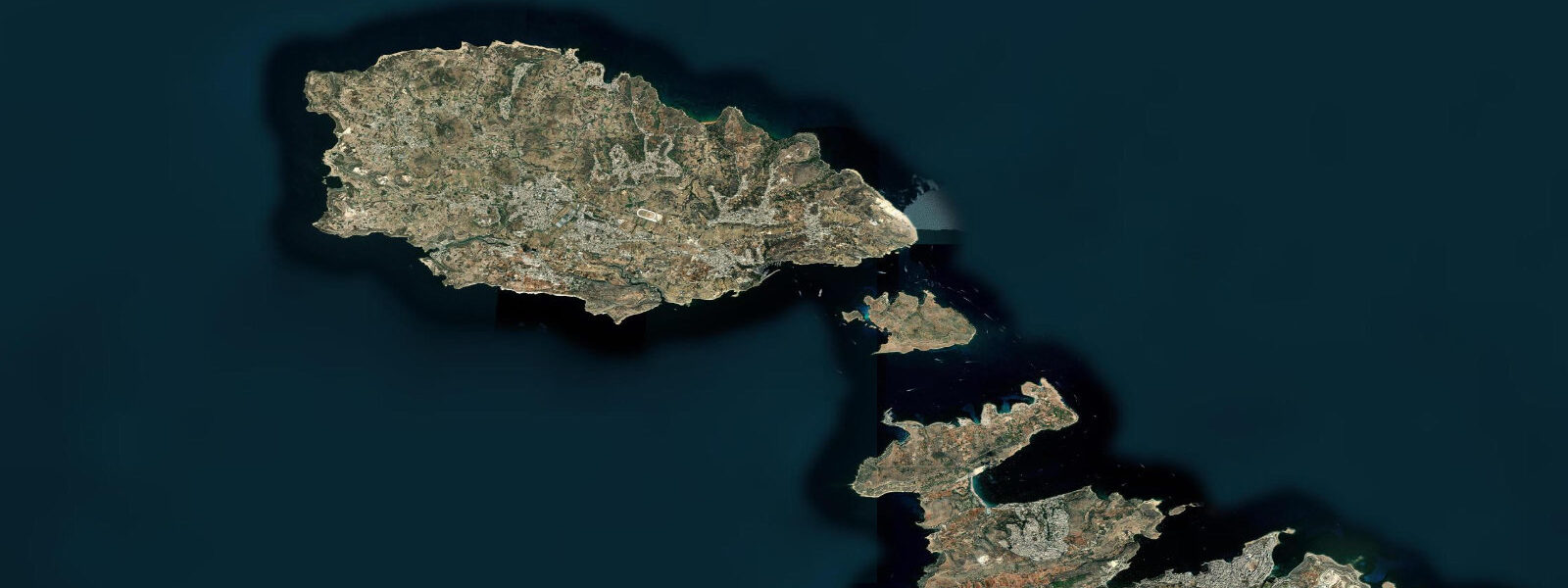
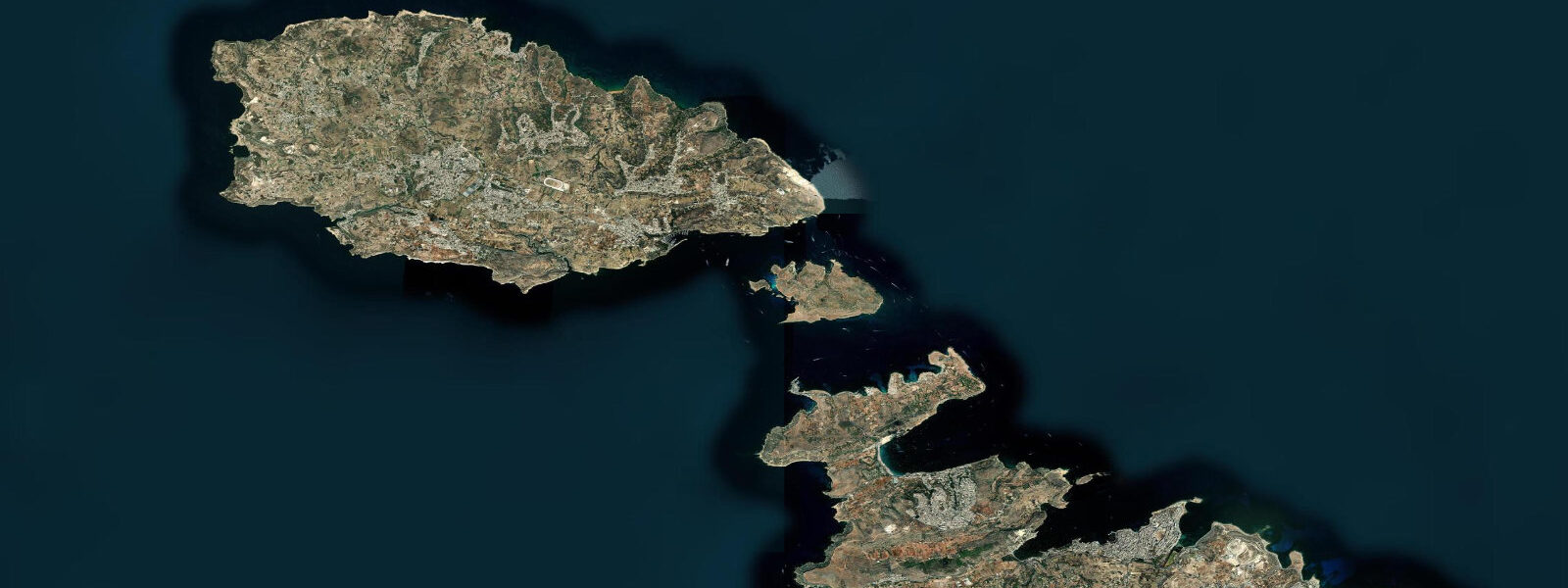
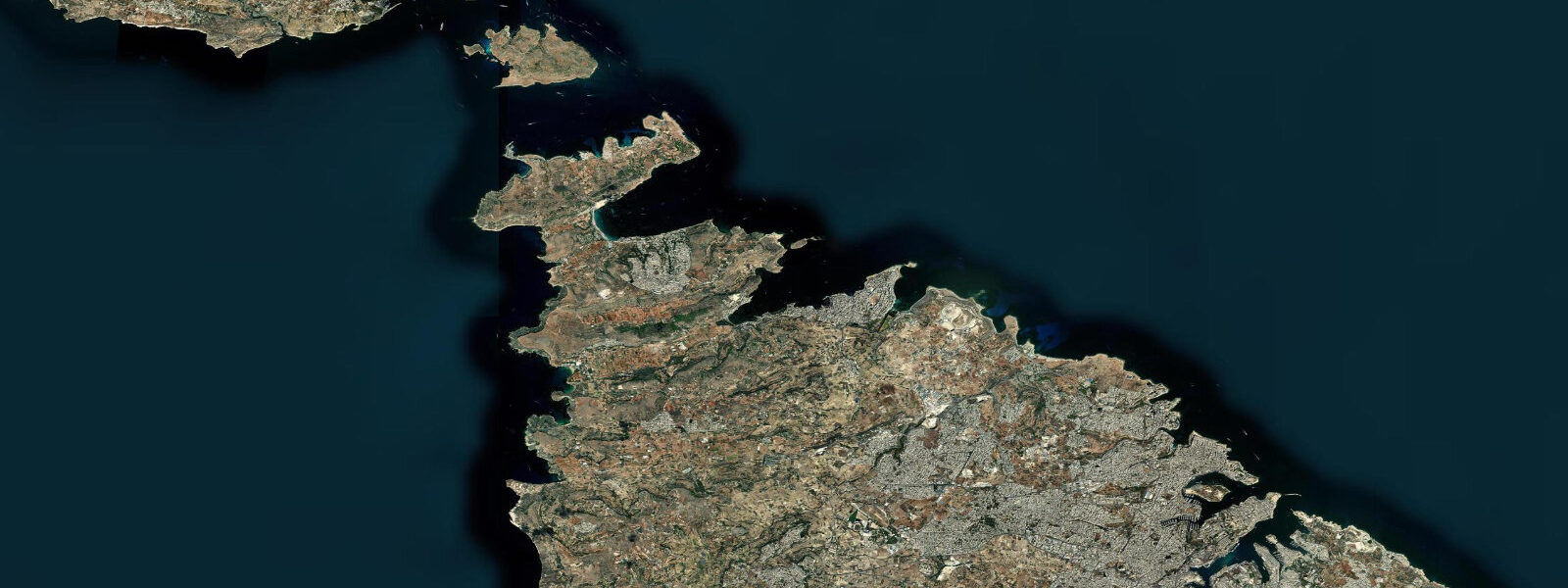
The three closest curated TideTurtle locations to Xlendi, measured by great-circle distance.
Today's solunar windows
Solunar tradition: major periods are the ≈3h windows around moon transit and opposition; minor are ≈2h around moonrise and moonset. Pair with the local tide stage and wind for the best read.
About tides at Xlendi
A short guide to the coastline at Xlendi — geography, sea state, and what the tide is actually doing under your feet.
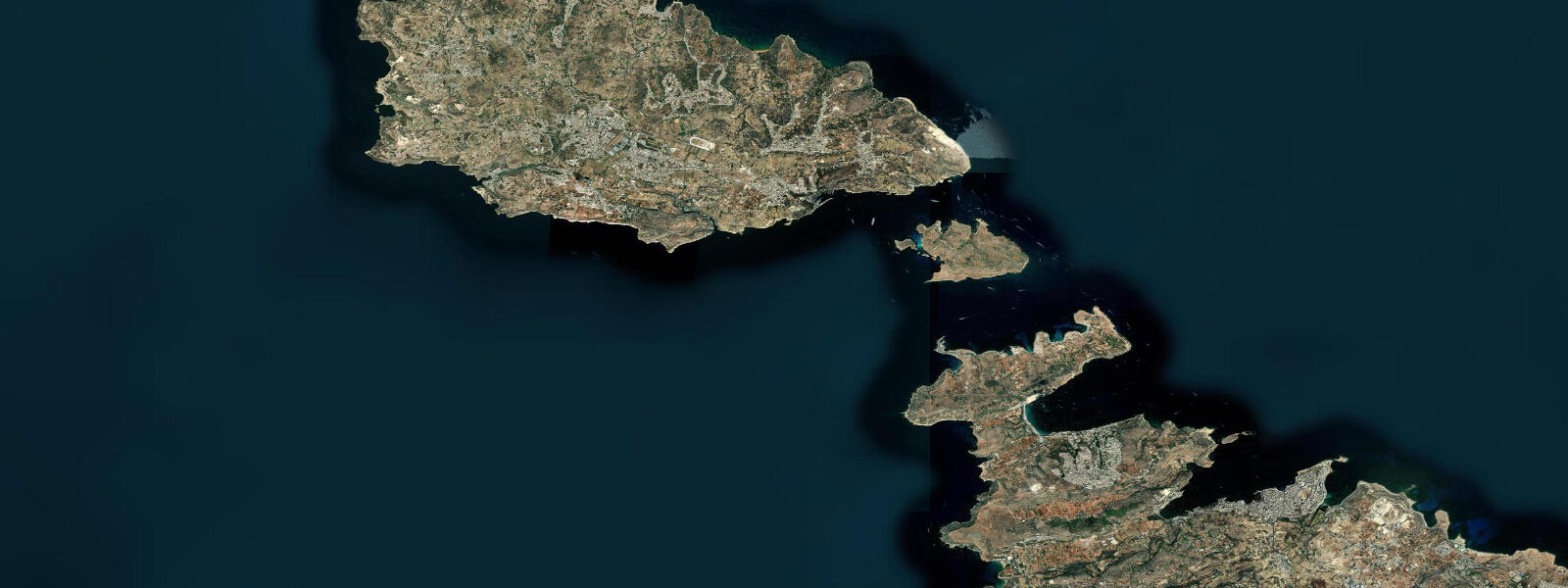
Xlendi (pronounced SHLEN-dee) is the most picturesque inlet on Gozo's southwest coast: a narrow valley cut into the limestone plateau that widens at the sea into a small cove enclosed by cliffs rising 30 to 40 m on each side. The village at the head of the cove — a cluster of fish restaurants, small hotels, and holiday apartments on the valley floor — faces directly south over the clear water toward the open Mediterranean. The geometry makes Xlendi immediately legible: the cliffs frame the sea view completely, the water in the cove is sheltered from north and east swell, and the depth drops quickly enough from the entrance that the water colour ranges from pale turquoise in the shallows to deep blue at the mouth.
The diving and snorkelling at Xlendi is among the best accessible from shore in the Maltese islands. The valley entrance on both sides has a system of sea caves, underwater tunnels, and arches cut by differential erosion of the layered limestone. The most visited dive site, the Xlendi Cave and Reef on the western side of the entrance, involves a cavern accessible at 5 m depth that opens into an open reef face descending to 20 to 30 m. The passage through the tunnel system is a standard guided dive for open-water certified divers; freediving and snorkelling in the shallower sections of the cave entrance is accessible to confident swimmers without scuba. Water visibility in Xlendi regularly reaches 20 to 30 m in summer — among the clearest in the Mediterranean.
The small sandy beach at the head of the cove is the summer sunbathing area; the beach is narrow and fills quickly in July and August. The promenade along the western cliff base, carved into the rock and sometimes at water level, gives access toward the cave entrance; the eastern cliff path leads up to the clifftop and eventually to the coastal walk toward Marsalforn around the plateau.
The Mediterranean tidal regime at Xlendi is microtidal: mean spring range 0.3 to 0.4 m. This is the characteristic of the entire Mediterranean, where the semi-enclosed basin allows only limited tidal exchange with the Atlantic through the Strait of Gibraltar. The 0.3 to 0.4 m range produces a visible water-line movement on the cave and reef environment — the 0.3 m difference between high and low water means a 30 cm variation in the depth over shallow ledges, which matters for snorkelling access to specific tunnel entrances. Afternoon sea breeze from the southwest is the dominant surface condition driver on summer days; the cove is sheltered enough that this rarely creates difficult sea conditions inside.
Predictions on this page come from Open-Meteo Marine, a gridded global ocean model. Accuracy is typically within plus or minus 45 minutes on timing and 0.2 to 0.3 m on height — at Xlendi's 0.3 to 0.4 m spring range, the height uncertainty is comparable to the total signal. For authoritative Maltese tide data, Transport Malta (formerly the Maritime Authority of Malta) and the Physical Oceanography Research Group at the University of Malta publish tide tables for Malta and Gozo.
Tide questions about Xlendi
Quick answers to the most common questions about tide times, range, and water access at Xlendi.
When is the next high tide at Xlendi?
The hero block at the top of this page shows the next predicted high at Xlendi in local Central European Time (CET/CEST, UTC+1/UTC+2). Xlendi has a Mediterranean mixed tide with a spring range of 0.3 to 0.4 m — small but real. The 0.3 to 0.4 m variation affects snorkelling access to the shallow cave and tunnel entrances at the cove mouth. For authoritative Maltese tide data, Transport Malta and the University of Malta's Physical Oceanography Research Group publish tide tables for Maltese waters.
What is the tidal range at Xlendi?
Mean spring range at Xlendi is 0.3 to 0.4 m — the Mediterranean microtidal standard. The Mediterranean is nearly enclosed, with only the Strait of Gibraltar for tidal exchange with the Atlantic. Neap range compresses to 0.1 to 0.2 m. The 0.3 m spring range is enough to vary the depth over shallow ledges at the cave and reef entrance by a perceptible amount — low water exposes a few extra centimetres of rock at the cave mouth and reduces the depth on the snorkel route through the shallower sections.
Where do these tide predictions come from?
Open-Meteo Marine, a free gridded global ocean model. At Xlendi's 0.3 to 0.4 m spring range, the model's typical accuracy (plus or minus 45 minutes, 0.2 to 0.3 m) is comparable to the total signal. The predictions are most useful as a background orientation. For authoritative Maltese tide data, Transport Malta and the Physical Oceanography Research Group at the University of Malta publish tide tables for Malta and Gozo.
Is Xlendi suitable for beginner divers?
Xlendi's cave and reef system is popular with certified open-water divers, but several sites are suitable for beginners on guided dives. The main reef face descends gradually to 20 to 30 m; the shallower sections (5 to 10 m) are accessible to newly certified divers on a guided dive from one of the dive centres based in Xlendi or Marsalforn. The snorkel route along the western cliff base and into the shallow cave entrance section does not require scuba and is accessible to confident swimmers with a mask and fins. The cove itself is calm in most summer conditions and the water clarity (15 to 30 m visibility) makes underwater navigation straightforward.
Is this safe to use for navigation?
No. TideTurtle is a planning tool for recreational coastal activity, not a navigation resource. Xlendi is a small boat anchorage accessible by shallow-draft vessels; the cove entrance has rocks on both sides at the waterline that must be given a clear berth on entry. Transport Malta publishes the authoritative charts for Maltese waters. Open-Meteo Marine gridded predictions do not replace authoritative navigation sources.
8-day tide table — Xlendi
Heights relative to MSL. Predictions: Open-Meteo Marine (MeteoFrance SMOC, 0.08° grid) — heights relative to MSL (not chart datum / LAT). Model-derived.
| Day | Type | Time | Height |
|---|---|---|---|
| Tue 04 Aug | Low | 02:00 | -0.4m |
| Wed 05 Aug | High | 07:00 | -0.3m |
| Thu 06 Aug | Low | 14:00 | -0.4m |
| Fri 07 Aug | High | 12:00 | -0.3m |
| Sat 08 Aug | Low | 07:00 | -0.4m |
| Sun 09 Aug | High | 01:00 | -0.3m |
| Low | 07:50 | -0.4m | |
| High | 14:00 | -0.3m | |
| Mon 10 Aug | Low | 20:50 | -0.5m |
| Tue 11 Aug | High | 01:00 | -0.3m |