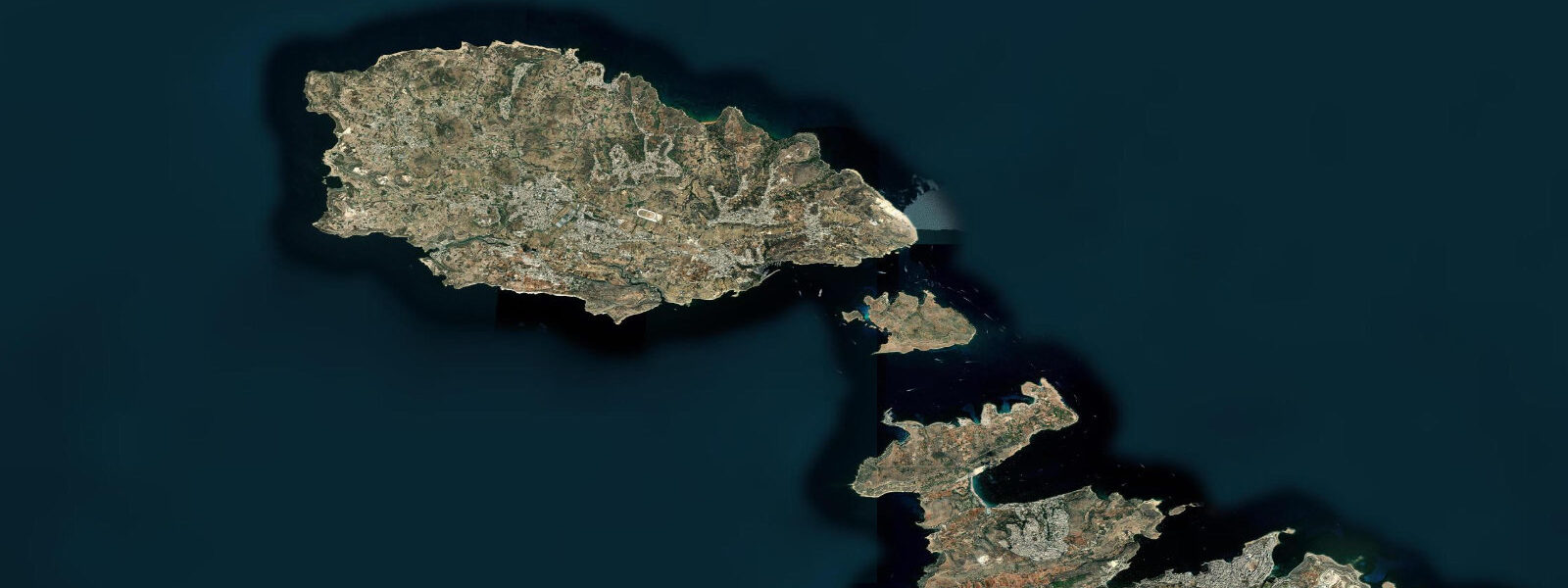
Marsalforn, Gozo tide times
Marsalforn, Gozo tide forecast — heights relative to MSL.
Today's tide times for Marsalforn, Gozo
Tide times at Marsalforn, Gozo on Tuesday, 4 August 2026: first low tide at 02:00am. Sunrise 06:11am, sunset 08:06pm.
Tide chart for Marsalforn, Gozo
24-hour cosine-interpolated curve around the present moment. Heights relative to MSL. Predictions: Predictions: Open-Meteo Marine (MeteoFrance SMOC, 0.08° grid).
Sun, moon and conditions on Tue 04 Aug
Snapshot at build time — refreshes daily. Sea state from Open-Meteo Marine.
Highs and lows next 7 days
Every predicted high and low for the next week, with the daily tidal coefficient (0–120; higher = bigger swing, > 95 means stronger currents).
Other spots nearby
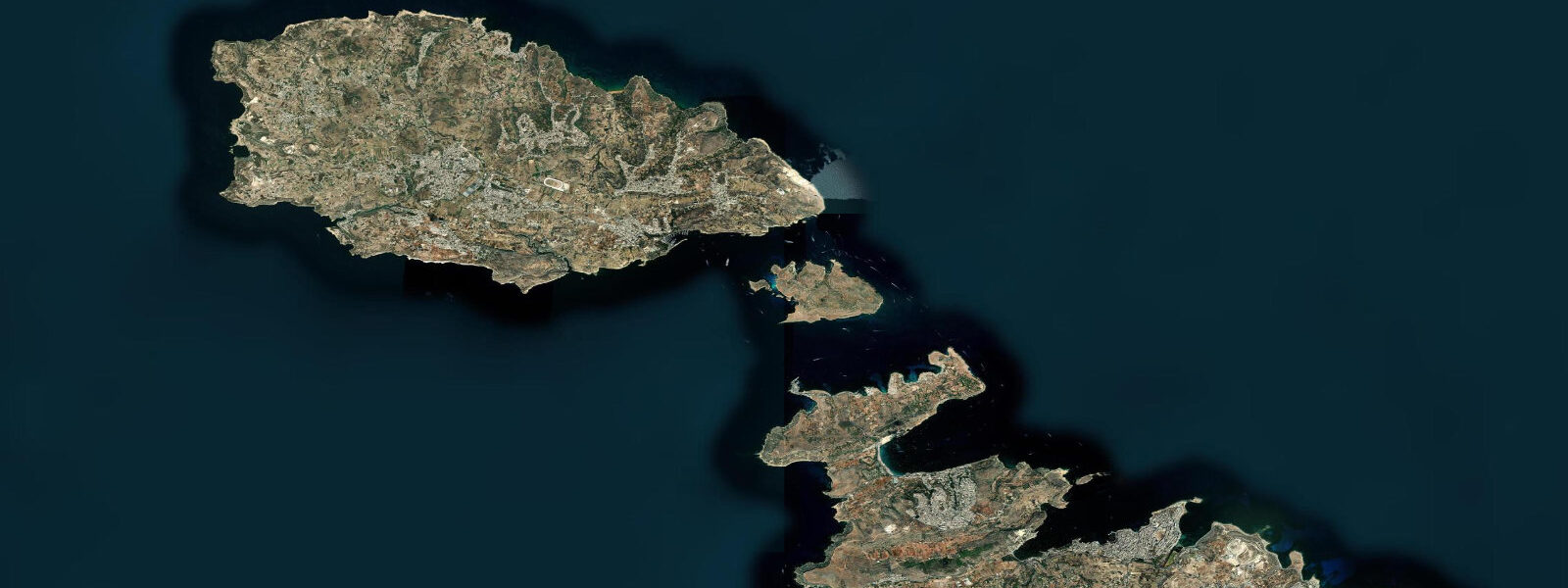
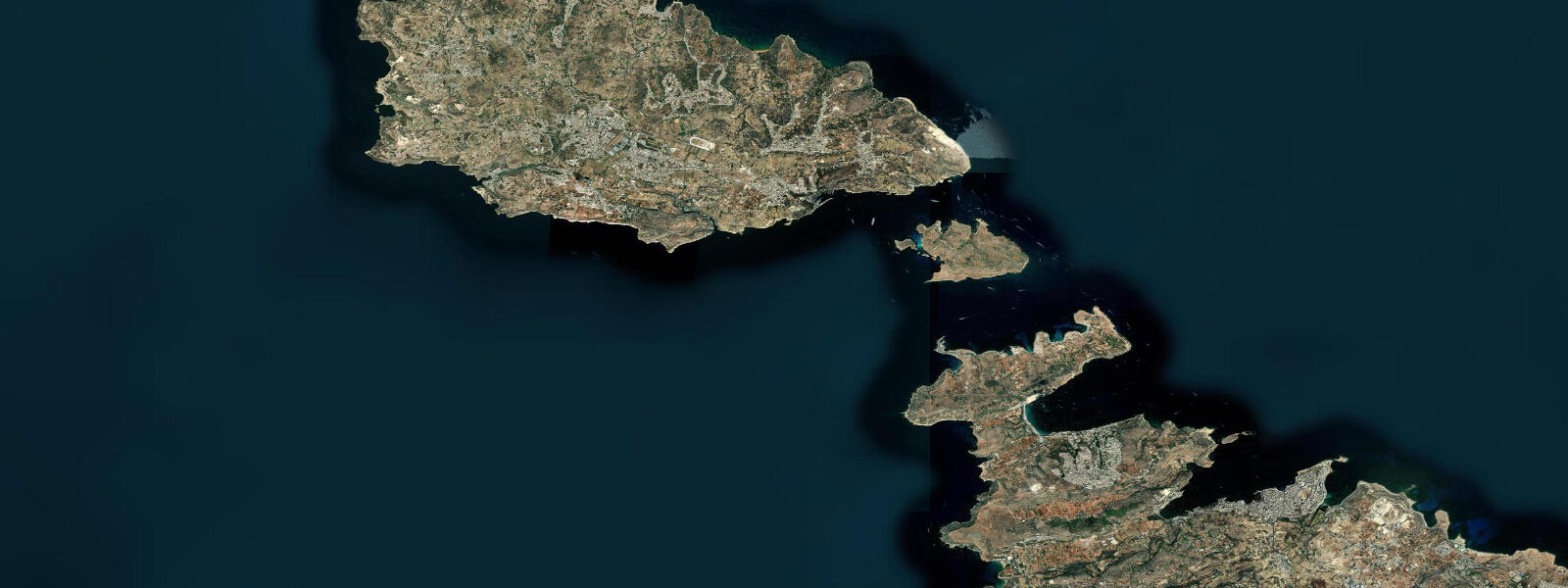
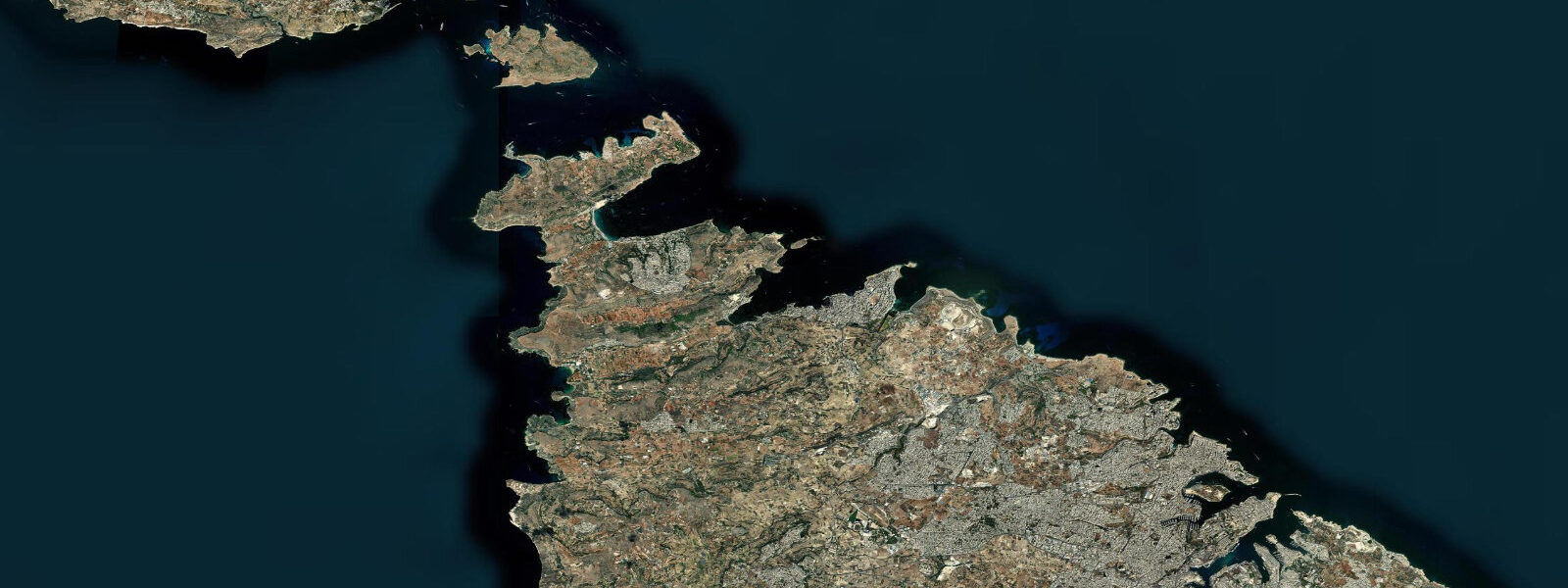
The three closest curated TideTurtle locations to Marsalforn, Gozo, measured by great-circle distance.
Today's solunar windows
Solunar tradition: major periods are the ≈3h windows around moon transit and opposition; minor are ≈2h around moonrise and moonset. Pair with the local tide stage and wind for the best read.
About tides at Marsalforn, Gozo
A short guide to the coastline at Marsalforn, Gozo — geography, sea state, and what the tide is actually doing under your feet.
Marsalforn is the main coastal resort town on Gozo, Malta's smaller sister island, sitting on the island's north coast in a wide bay that opens directly to the central Mediterranean. It is a working village that expanded through the twentieth century into Gozo's primary beach destination — a compact seafront promenade flanked by apartment blocks, dive shops, and restaurants, with the valley behind still holding older stone farmhouses and the rubble field walls typical of the Gozitan interior.
The Mediterranean tidal range here is minimal: mean spring range at Marsalforn is approximately 0.2–0.3 m. The tide is real and semidiurnal, but it is so small that it is overwhelmed by any significant wind-driven setup or atmospheric pressure variation. For a diver, the tidal state matters only to the extent that slack water reduces the background current in the Gozo Channel between Gozo and Malta — the main dive sites in Marsalforn Bay and on the headlands have negligible current on most days. Tide predictions on this site use Open-Meteo Marine (±45 min / ±0.2–0.3 m). In the Mediterranean context, the tidal amplitude is small enough that even a modest barometric difference between weather systems produces a comparable water level signal.
The salt pans of Qbajjar, 1 km west of Marsalforn along the coast road, are one of the most photographed features on Gozo. Cut directly into the flat limestone rock platform at the sea's edge, they have been in continuous operation since the Roman period — salt is still harvested in July and August when evaporation is highest. The pans are drained for the harvest and the crystalline salt deposits are visible across the geometric grid of basins. The access road ends at the salt pan area and a path continues along the coastal limestone to the sea cave of Xwejni and the open rocky shore beyond. Morning and evening light makes the salt pans extraordinary for photography.
Diving around Marsalforn uses the bay's clear Mediterranean water, with visibility typically 20–30 m in summer reducing to 15–20 m in winter. The reef off Reqqa Point — the western headland of Marsalforn Bay — drops to approximately 65 m with a cave system at 20–25 m and resident grouper, bream, and amber jack on the reef face. Several dive centres on the promenade offer guided dives, equipment hire, and instruction programmes. The Cathedral Cave further west at Dwejra is accessible by boat from Marsalforn. The dive season runs year-round, with water temperature dropping to a minimum of around 14°C in February and March.
For swimmers and snorkellers, the rocky foreshore east of the promenade gives good snorkelling access at all tide states — the minimal tidal range means entry from the rocks is practical at any point in the cycle. The bay's main beach is limited in extent: a narrow strip of imported sand and a concrete lido platform. Most water access is from the steps and ladders cut into the limestone seafront, standard throughout the Maltese islands.
Fishing from the Marsalforn quay produces bream, mullet, and small wrasse through the year. The local lampuki (dolphinfish) season runs September to November when the annual migration brings large numbers of dolphinfish to Maltese waters — boat fishing with floating FADs (fish aggregating devices, traditionally palm frond rafts) is a Maltese tradition during this period and charter trips run from Marsalforn and Mgarr harbour. Bluefin tuna pass through the Gozo Channel in spring from April to June.
Marsalforn is the most accessible of Gozo's coastal resorts from Victoria (Rabat), the island's capital, being only 4 km north by road. Bus route 322 runs regularly from Victoria bus terminal in under 20 minutes. Scooter rental is common and gives the most practical access to the Qbajjar salt pans and the coastal path beyond.
Tide questions about Marsalforn, Gozo
Quick answers to the most common questions about tide times, range, and water access at Marsalforn, Gozo.
What is the tidal range at Marsalforn?
Mean spring range is approximately 0.2–0.3 m — among the smallest on this site. The Mediterranean has real semidiurnal tides, but the range is so small that wind and barometric pressure changes produce comparable or larger water level variations on most days. For diving and swimming, tidal height is rarely a meaningful planning input. The Gozo Channel carries some background current that relates to the tidal cycle, but conditions at the main dive sites in Marsalforn Bay are driven more by wind and swell than by tide. Predictions use Open-Meteo Marine (±45 min / ±0.2–0.3 m).
What are the Qbajjar salt pans and when can I visit?
The Qbajjar salt pans are Roman-era harvesting basins cut directly into the limestone rock platform, 1 km west of Marsalforn along the coast road. They are in continuous operation — salt is extracted in July and August when the Mediterranean heat maximises evaporation, and the geometric grid of basins filled with brine makes for striking photography in the low light of morning or evening. The site is free to access at any time of year. A car park and path give access to the pan edge. Follow the coastal path west for views over the Xwejni headland and the open limestone coast beyond.
Is Marsalforn good for diving?
Marsalforn is one of Gozo's two main dive bases (the other being Xlendi on the south coast). The reef off Reqqa Point drops to 65 m depth with caves at 20–25 m and resident grouper, bream, and amber jack. Visibility is typically 20–30 m in summer. Several dive centres operate from the promenade offering guided dives and equipment hire. The Cathedral Cave at Dwejra (accessible by boat from Marsalforn) is Gozo's most celebrated dive site — the Azure Window arch collapsed in 2017 and the rubble field is now itself a dive site with marine colonisation developing. Water temperature minimum is around 14°C in February and March.
What is the best way to get to Marsalforn from Victoria on Gozo?
Marsalforn is 4 km north of Victoria (Rabat), Gozo's capital. By bus (Malta Public Transport route 322), the journey takes 15–20 minutes; buses run regularly from Victoria bus terminal throughout the day from early morning. By car or scooter, the road descends directly to the bay. Taxis and ride-share services are available from Victoria. Scooter rental is the most flexible option for combining Marsalforn with the Qbajjar salt pans and the surrounding coastal path — the road west along the Marsalforn coast is quiet and the salt pans are a 5-minute ride from the promenade.
When is the best time to fish the lampuki season near Marsalforn?
Lampuki (dolphinfish, Coryphaena hippurus) migrate through Maltese waters from September to November, making this the most productive period for offshore boat fishing. The traditional Maltese method uses floating FADs — palm frond rafts anchored offshore that attract baitfish and, in turn, lampuki. Charter boats run lampuki trips from Marsalforn and Mgarr harbour throughout the season. The fish average 3–8 kg and fight hard on light tackle. Bluefin tuna pass through the Gozo Channel in spring (April–June) and are occasionally hooked as bycatch or targeted by specialist trips running from the main Gozo fishing ports.
8-day tide table — Marsalforn, Gozo
Heights relative to MSL. Predictions: Open-Meteo Marine (MeteoFrance SMOC, 0.08° grid) — heights relative to MSL (not chart datum / LAT). Model-derived.
| Day | Type | Time | Height |
|---|---|---|---|
| Tue 04 Aug | Low | 02:00 | -0.4m |
| Wed 05 Aug | High | 07:00 | -0.3m |
| Thu 06 Aug | Low | 14:00 | -0.4m |
| Fri 07 Aug | High | 12:00 | -0.3m |
| Sat 08 Aug | Low | 07:00 | -0.4m |
| Sun 09 Aug | High | 01:00 | -0.3m |
| Low | 07:50 | -0.4m | |
| High | 14:00 | -0.3m | |
| Mon 10 Aug | Low | 20:50 | -0.5m |
| Tue 11 Aug | High | 01:00 | -0.3m |