Ramla Bay tide times
Ramla Bay tide forecast — heights relative to MSL.
Today's tide times for Ramla Bay
Tide times at Ramla Bay on Tuesday, 4 August 2026: first low tide at 02:00am, first high tide at 06:10am. Sunrise 06:11am, sunset 08:06pm.
Tide chart for Ramla Bay
24-hour cosine-interpolated curve around the present moment. Heights relative to MSL. Predictions: Predictions: Open-Meteo Marine (MeteoFrance SMOC, 0.08° grid).
Sun, moon and conditions on Tue 04 Aug
Snapshot at build time — refreshes daily. Sea state from Open-Meteo Marine.
Highs and lows next 7 days
Every predicted high and low for the next week, with the daily tidal coefficient (0–120; higher = bigger swing, > 95 means stronger currents).
Other spots nearby
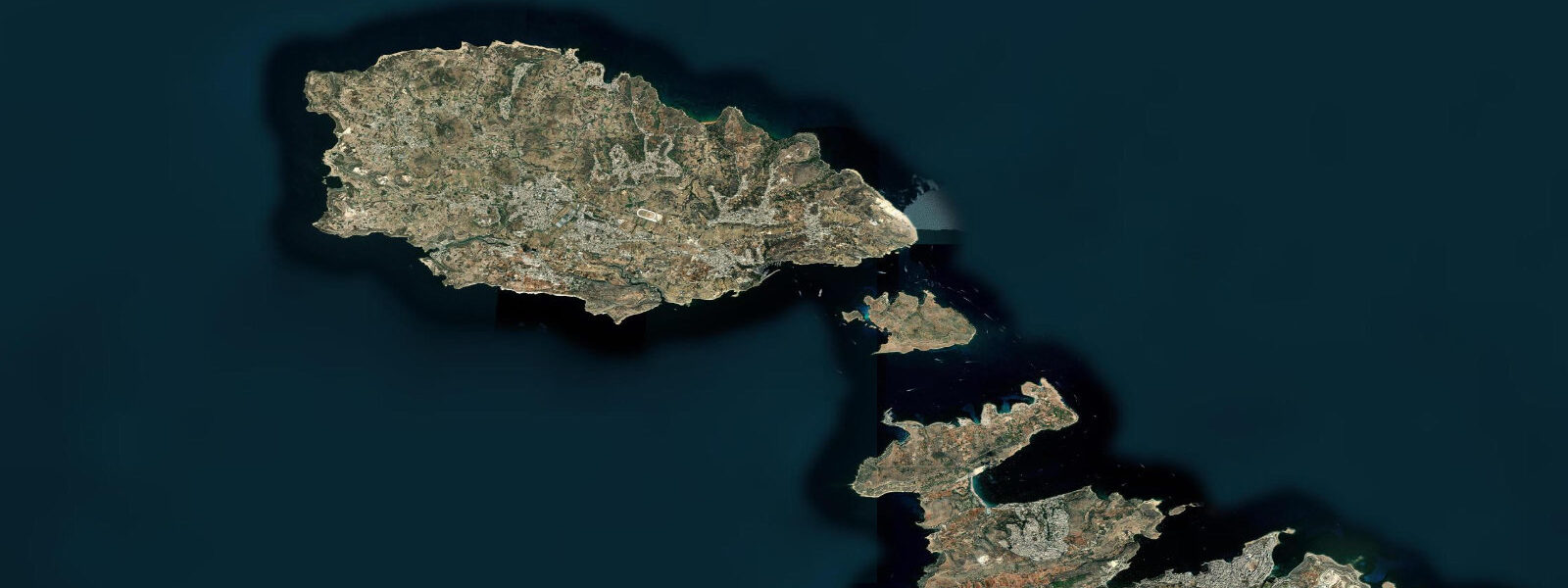
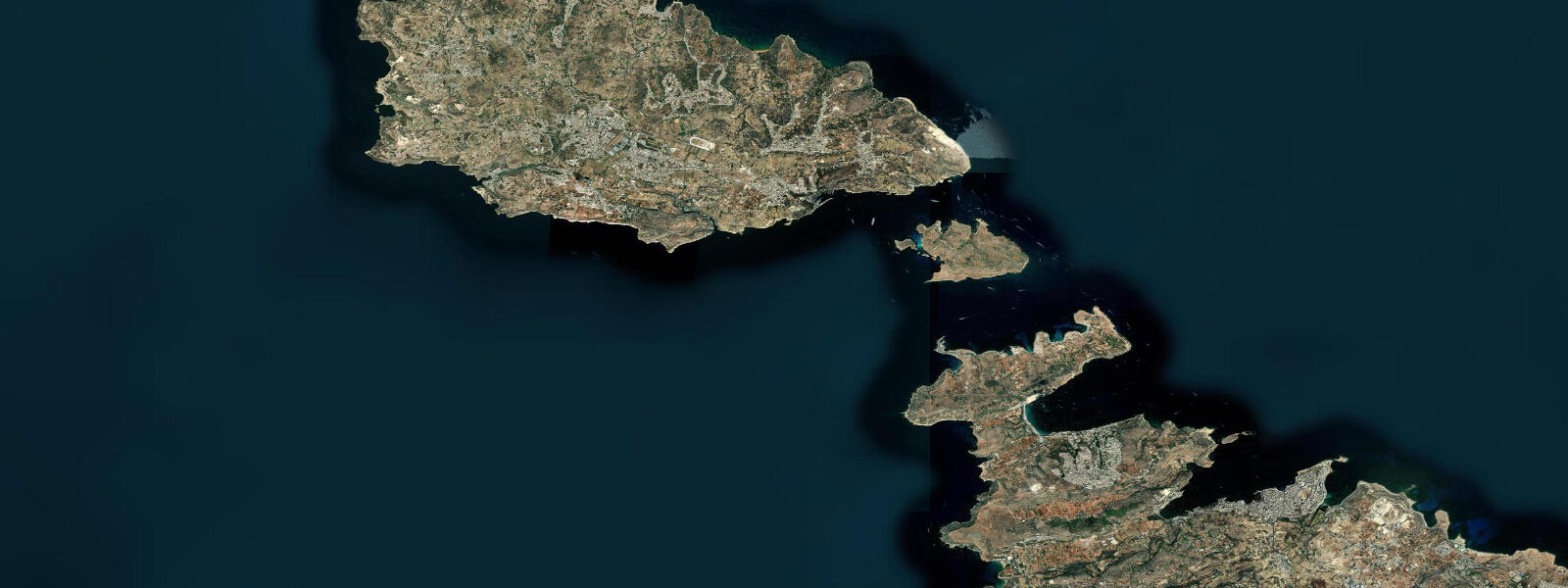
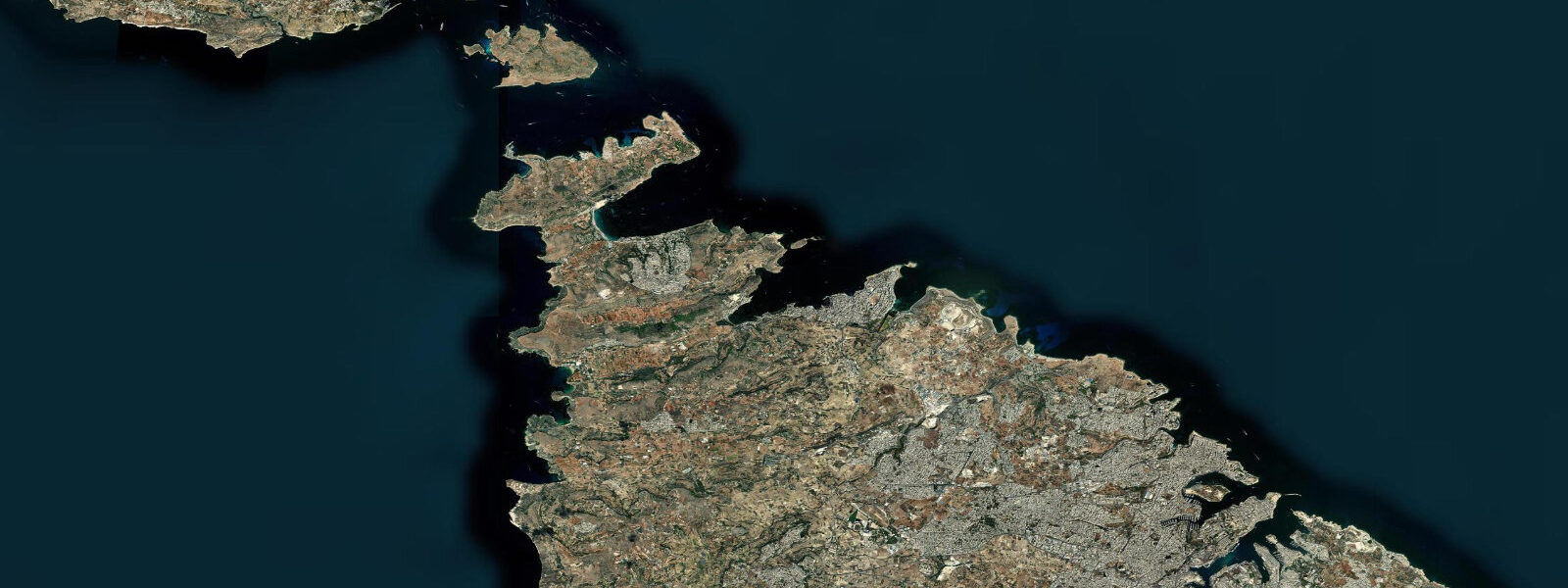
The three closest curated TideTurtle locations to Ramla Bay, measured by great-circle distance.
Today's solunar windows
Solunar tradition: major periods are the ≈3h windows around moon transit and opposition; minor are ≈2h around moonrise and moonset. Pair with the local tide stage and wind for the best read.
About tides at Ramla Bay
A short guide to the coastline at Ramla Bay — geography, sea state, and what the tide is actually doing under your feet.
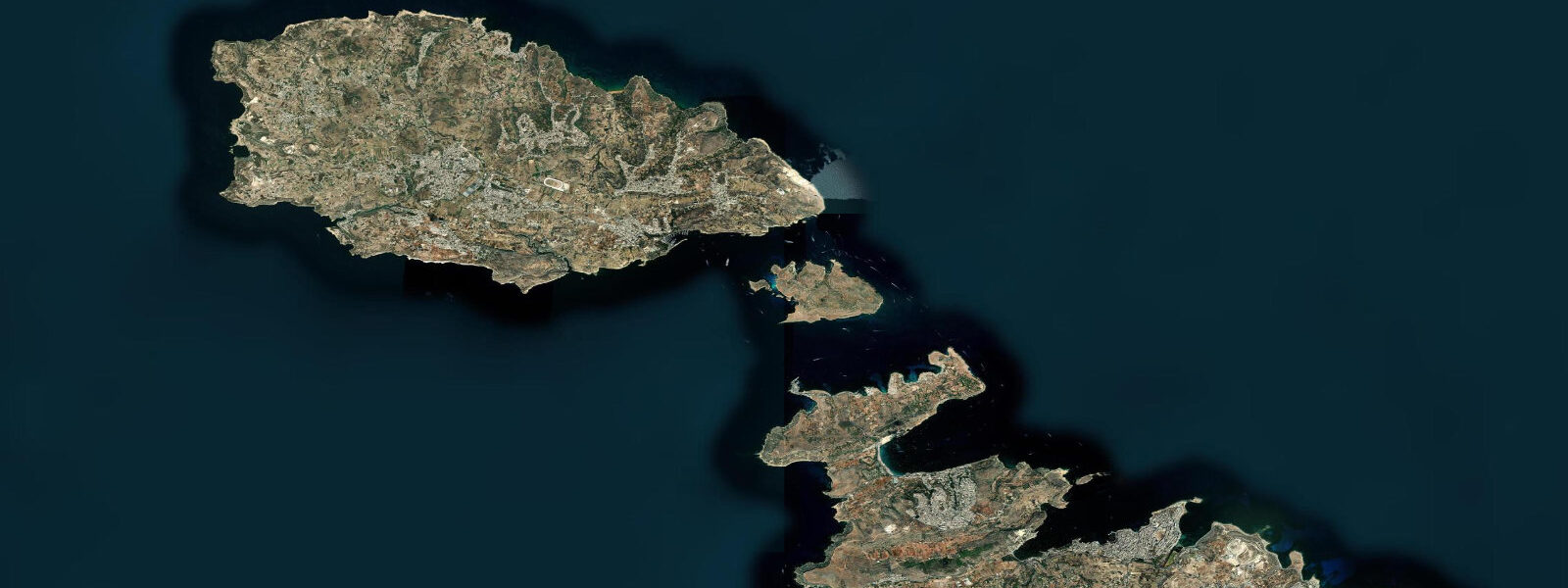
Ramla Bay is Gozo's largest and most distinctive beach: a wide sandy cove on the north coast of the island, the sand coloured red-orange by iron oxide minerals in the Globigerina limestone detritus that supplies the beach. The colour is the first thing visitors notice — not yellow or white but distinctly ochre, deepening to burnt orange in wet sand at the waterline. The beach is backed by a shallow dune zone that grades into a valley floor of mature tamarisk trees and scrub, with the ruins of a Roman villa (Villa of Calypso) in the dunes at the eastern end of the bay.
The Villa of Calypso association connects Ramla Bay to one of the more persistent debates in Homeric geography. Gozo (ancient Gaulos) has been proposed since antiquity as the island of Ogygia where the nymph Calypso detained Odysseus for seven years in the Odyssey. The cave on the headland above the bay's western end — Calypso's Cave — looks down over Ramla Bay and the north coast of Gozo with a viewpoint that has drawn literary tourists since the 18th century. The evidence connecting Gozo specifically to Ogygia is circumstantial; the Roman villa ruins in the dunes are historical fact, with mosaics and foundation walls visible under protective covers.
The beach faces northeast — into the direct fetch of the Sicilian Channel and the central Mediterranean — and receives more swell than the sheltered western and southern Gozo coast. In the calm months (May through September) Ramla is a straightforward family beach: clear blue-green water, gentle slope, and good swimming depth from the waterline. In autumn and winter the northeast quadrant opens to larger Mediterranean swell and the beach can be rough; the winter sea replenishes the sand supply that summer visitor traffic and occasional summer storms remove from the upper beach.
Loggerhead sea turtles (Caretta caretta) have occasionally been documented nesting on Ramla Bay — the warm sand and the relatively low nighttime disturbance level make it one of the more plausible turtle nesting sites in the Maltese islands, though documented nesting events are rare and not predictable. The Environmental Resource Authority (ERA) in Malta coordinates sea turtle nest protection; if a nest is discovered, sections of the beach are temporarily roped off.
The Mediterranean tidal regime at Ramla Bay is microtidal: mean spring range 0.3 to 0.4 m. The northeast exposure means that actual sea conditions at Ramla Bay are more strongly influenced by the swell forecast than by the tide. Low water on a calm day exposes a wider sand flat at the base of the dunes; high water on a moderate swell day may push the waterline to the dune base and cover the full beach. Predictions on this page come from Open-Meteo Marine gridded model. For authoritative Maltese tide data, Transport Malta and the University of Malta publish tide tables for Gozo waters.
Tide questions about Ramla Bay
Quick answers to the most common questions about tide times, range, and water access at Ramla Bay.
When is the next high tide at Ramla Bay?
The hero block at the top of this page shows the next predicted high at Ramla Bay in local Central European Time (CET/CEST, UTC+1/UTC+2). Ramla Bay has a Mediterranean microtidal regime with a spring range of 0.3 to 0.4 m. The northeast-facing exposure means swell conditions have a larger effect on the beach waterline than the astronomical tide. Transport Malta and the University of Malta publish the authoritative tide tables for Maltese waters including Gozo.
What is the tidal range at Ramla Bay?
Mean spring range is 0.3 to 0.4 m — the Mediterranean standard. Neap range compresses to 0.1 to 0.2 m. At Ramla Bay the northeast-facing exposure means that swell from the central Mediterranean often contributes more to the apparent waterline position than the astronomical tide. The winter northeast quadrant (October to April) brings larger swell to this beach than the sheltered west and south Gozo coast experiences; summer (May to September) is calmer.
Where do these tide predictions come from?
Open-Meteo Marine, a free gridded global ocean model. At Ramla Bay's 0.3 to 0.4 m spring range, the model's typical accuracy (plus or minus 45 minutes, 0.2 to 0.3 m) is comparable to the total signal. For authoritative Maltese tide data, Transport Malta and the Physical Oceanography Research Group at the University of Malta publish tide tables. The swell forecast from ECMWF or Copernicus Marine Service is more actionable than the tide prediction for day-to-day Ramla Bay sea conditions.
Is Ramla Bay good for families with young children?
In the calm summer months (May to September) Ramla Bay is an excellent family beach: gently shelving red sand, clear water, good swimming depth from the waterline, and a relatively remote location that limits crowd density compared to the main Malta island beaches. The northeast exposure means that weather checks are worth doing — if there is a northeast wind forecast, Ramla can be choppy while the sheltered west Gozo beaches are calm. The dune vegetation and the Roman villa site give children something to explore beyond the waterline. No lifeguard is present; standard beach supervision applies. Water shoes help on the occasional coarse sand sections.
Is this safe to use for navigation?
No. TideTurtle is a planning tool for recreational coastal activity, not a navigation resource. Ramla Bay is an open anchorage exposed to the northeast; the approach requires awareness of rocks off the eastern headland. Transport Malta publishes the authoritative charts for Maltese waters. Open-Meteo Marine gridded predictions do not replace authoritative navigation sources.
8-day tide table — Ramla Bay
Heights relative to MSL. Predictions: Open-Meteo Marine (MeteoFrance SMOC, 0.08° grid) — heights relative to MSL (not chart datum / LAT). Model-derived.
| Day | Type | Time | Height |
|---|---|---|---|
| Tue 04 Aug | Low | 02:00 | -0.4m |
| High | 06:10 | -0.3m | |
| Wed 05 Aug | — | ||
| Thu 06 Aug | — | ||
| Fri 07 Aug | — | ||
| Sat 08 Aug | Low | 07:00 | -0.4m |
| Sun 09 Aug | — | ||
| Mon 10 Aug | High | 14:50 | -0.3m |
| Low | 20:50 | -0.5m | |
| Tue 11 Aug | High | 01:00 | -0.3m |