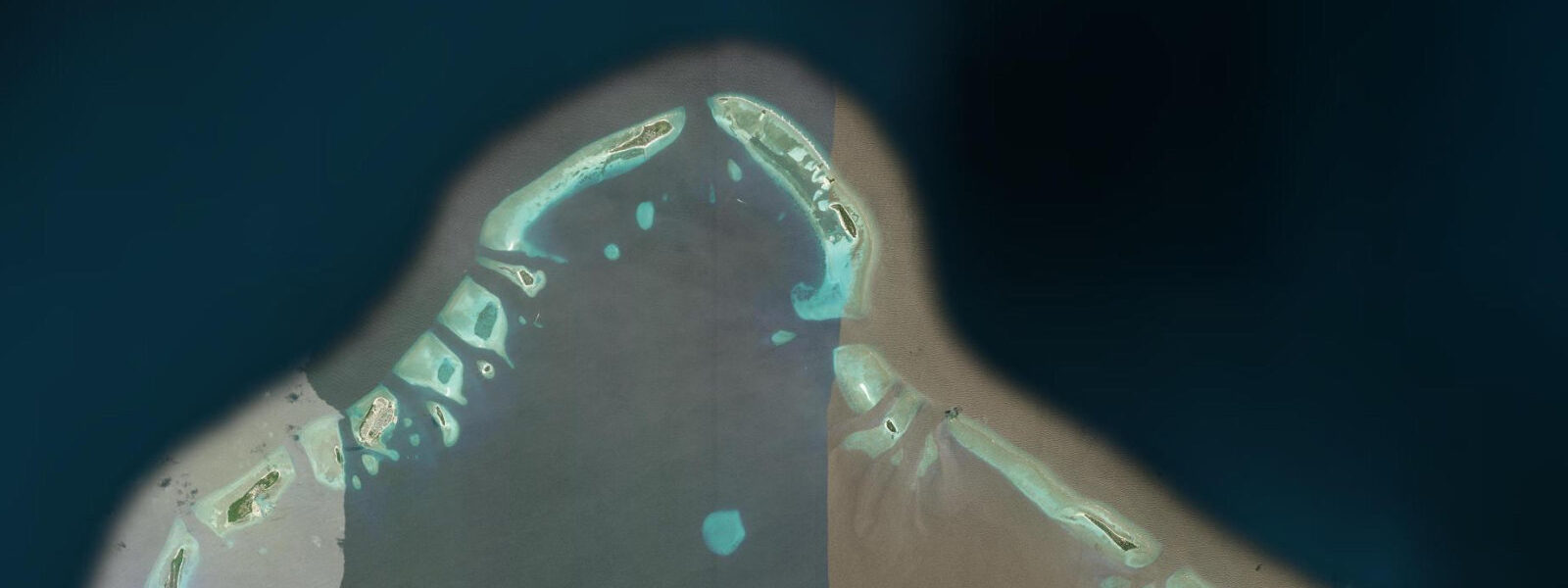
Kuredu, Lhaviyani Atoll, Maldives tide times
Kuredu, Lhaviyani Atoll, Maldives tide forecast — heights relative to MSL.
Today's tide times for Kuredu, Lhaviyani Atoll, Maldives
Tide times at Kuredu, Lhaviyani Atoll, Maldives on Tuesday, 4 August 2026: first high tide at 05:00, first low tide at 09:07, second high tide at 15:03, second low tide at 21:38. Sunrise 06:01, sunset 18:22.
Tide chart for Kuredu, Lhaviyani Atoll, Maldives
24-hour cosine-interpolated curve around the present moment. Heights relative to MSL. Predictions: Predictions: Open-Meteo Marine (MeteoFrance SMOC, 0.08° grid).
Sun, moon and conditions on Tue 04 Aug
Snapshot at build time — refreshes daily. Sea state from Open-Meteo Marine.
Highs and lows next 7 days
Every predicted high and low for the next week, with the daily tidal coefficient (0–120; higher = bigger swing, > 95 means stronger currents).
Other spots nearby
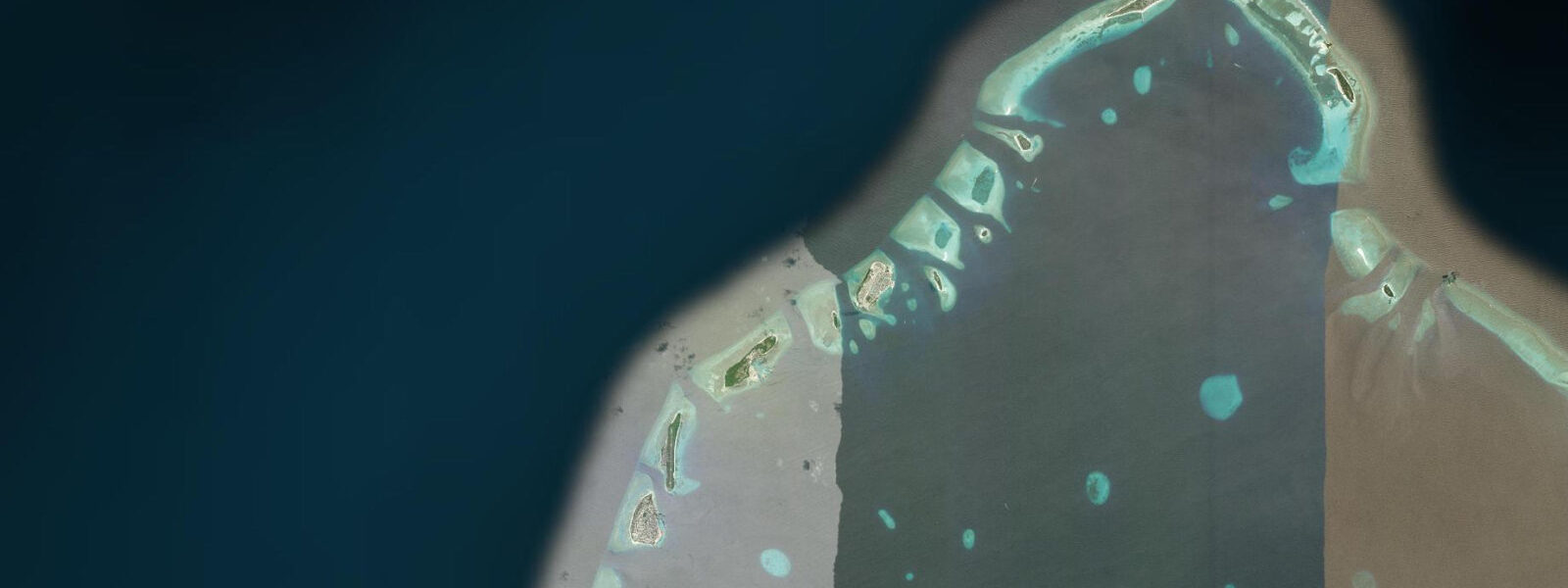
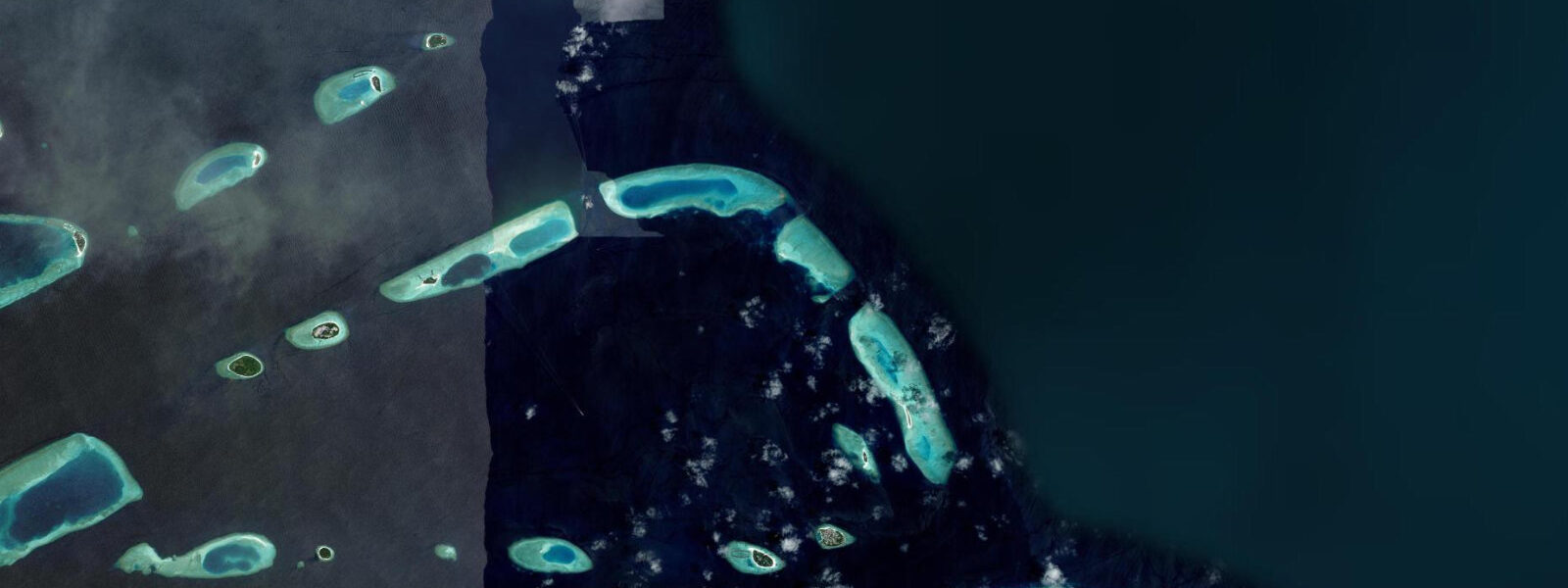
The three closest curated TideTurtle locations to Kuredu, Lhaviyani Atoll, Maldives, measured by great-circle distance.
Today's solunar windows
Solunar tradition: major periods are the ≈3h windows around moon transit and opposition; minor are ≈2h around moonrise and moonset. Pair with the local tide stage and wind for the best read.
Cycle dates near Kuredu, Lhaviyani Atoll, Maldives
Last spring tide on Tue 04 Aug (range 0.7m). Next neap on Mon 10 Aug.
Spring tides cluster around new and full moons (biggest swings). Neap tides land on quarter moons (smallest swings). See the spring tide and neap tide glossary entries for the why.
About tides at Kuredu, Lhaviyani Atoll, Maldives
A short guide to the coastline at Kuredu, Lhaviyani Atoll, Maldives — geography, sea state, and what the tide is actually doing under your feet.
Kuredu Island Resort occupies a 3 km island at the western edge of Lhaviyani Atoll (Faadhippolhu), one of the northern Maldivian atolls. The island is large by Maldivian standards — long enough that walking a full beach circuit takes 45 minutes at an easy pace — with four dive centres, a kite surf school, and a beach circuit that passes through forest-shaded midday shade as well as open-water beach sections. Access is by seaplane from Malé (35 minutes) or by domestic flight to Kaadedhdhoo and speedboat transfer.
The dive site that made Kuredu internationally known among drift divers is the Kuredu Express: a channel dive on the outer reef wall of Lhaviyani Atoll directly offshore from the island. The tidal flow through the Lhaviyani Atoll on the ebb builds to 1.5 to 2.5 knots over the outer reef slope, carrying the diver along the wall past overhanging soft coral gardens, schools of fusilier and snapper feeding in the current, and — at the right season and lunar phase — hammerhead sharks using the channel upwelling. The dive is planned entirely around tidal state: operators calculate departure so divers enter the water 30 to 40 minutes before the predicted ebb maximum, beginning a 20 to 30 minute drift along the wall before the current builds to its peak. Slack water on the Kuredu Express lasts 20 to 40 minutes; divers who miss the timing arrive to flat water and sit on the wall waiting.
The lagoon on the leeward side of Kuredu is shallow — 0.5 to 1.5 m at mid-tide — and serves as the kite surf training area and the flat-water stand-up paddleboard zone. At the lowest spring tides (around new and full moons), sections of the lagoon flat are exposed entirely: sand and seagrass in the direct sun, scattered coral heads rising above the tide line, and the striking visual of a dry reef flat stretching 100 to 200 m inside the lagoon. Kite surfers and paddleboarders plan their sessions around this low-water exposure — shallow water is easiest for self-rescue after a crash, though very shallow sections require awareness of coral contact.
The Indian Ocean tidal regime at Lhaviyani is mixed semidiurnal, spring range 0.8 to 1.2 m. The range is modest in height terms, but the atoll channel geometry concentrates the flow through the outer reef wall passages and produces the drift diving current reliably. Lhaviyani's outer reef drops sharply into deep Indian Ocean water; the pelagic species that use the channel include whale sharks during the plankton season and great hammerheads on the deeper sections of the Kuredu Express wall from November to May. Predictions on this page come from Open-Meteo Marine (gridded model, ±45 min / ±0.2–0.3 m). The Express current timing is refined by the Kuredu dive centres from local observation; the model gives the open-ocean baseline. The seaplane transfer from Malé to Kuredu takes 35 minutes; it operates during daylight hours on a schedule matched to flight arrivals at Malé International Airport. The seaplane cannot land in rough seas, which occasionally causes delays during the southwest monsoon (June–September). The Kuredu dive centre runs four dive trips per day timed to the tidal cycle; the first morning dive departs before 07:00 on days when the Kuredu Express ebb timing is early. Non-diving activities — the sunset catamaran cruise, the outer island excursion by dhow — do not require tidal timing and are available throughout the day. The lagoon at Kuredu extends roughly 3 km from the island to the outer rim of Lhaviyani Atoll and dries on the lowest spring tides near the sandbanks at the lagoon's shallowest point. The resort water sports operation launches paddleboards and kayaks only when the lagoon is at mid-flood or above, since the sandbank crossings require at least 0.5 m of water. The house reef on the ocean side of the island has a spectacular drop-off at 8 m; wall diving conditions are largely tide-independent, but the schooling fish on the reef top are most concentrated on the incoming flood. Lhaviyani Atoll is less visited than North Male or Ari atolls, and the outer channel near Kuredu sees minimal vessel traffic — making independent kayaking from island to sandbank a viable activity during the right tidal window. The island's dive school runs early-morning dives at the outer reef, timed to the slack water that follows the spring ebb when visibility is best before suspended material re-enters the atoll on the early flood.
Tide questions about Kuredu, Lhaviyani Atoll, Maldives
Quick answers to the most common questions about tide times, range, and water access at Kuredu, Lhaviyani Atoll, Maldives.
When is the next high tide at Kuredu?
The hero block shows the next predicted high at Kuredu in Maldives Time (MVT, UTC+5). Mixed semidiurnal, spring range 0.8 to 1.2 m. The Kuredu Express drift dive runs on the outgoing tide — the ebb maximum at the outer reef channel follows the predicted high by approximately 2 to 3 hours. The dive centres use the tidal prediction to schedule departures and apply a local offset calibrated from observation. Predictions from Open-Meteo Marine (gridded model, ±45 min / ±0.2–0.3 m).
What is the tidal range at Kuredu / Lhaviyani Atoll?
Spring range runs 0.8 to 1.2 m; neap range about 0.4 to 0.6 m. The significance of the tide at Kuredu is the current it generates through the atoll channels rather than the height: on spring tides the Kuredu Express channel runs 1.5 to 2.5 knots, fast enough for an effortless 20 to 30 minute wall drift. At neap tides the current drops to 0.5 to 1.0 knots and the drift is slower and less dramatic. The drift quality at Kuredu Express is most dependent on the spring/neap cycle: spring tides (new and full moon) produce 1.5 to 2.5 knot current and the best pelagic aggregations; neap tides drop to 0.5 to 1.0 knots and the drift is slower.
Where do these predictions come from?
Open-Meteo Marine, a free gridded global ocean model, accuracy ±45 min / ±0.2–0.3 m. The Maldives Meteorological Service publishes authoritative tidal data for Maldivian waters. Kuredu's four dive centres maintain an empirical tidal timing log for the Express channel that refines the model prediction by 10 to 20 minutes for that specific site; ask at the dive centre for the day's predicted ebb maximum before planning your day. The dive centre timing log at Kuredu is calibrated against actual current observations at the Express channel over multiple years; it gives a more reliable entry window than any model-based prediction alone.
Can I kite surf at Kuredu at low tide?
Yes — the leeward lagoon flat is the primary kite area and is specifically suited to low tide. At the lowest spring tides, sections of the flat are completely exposed, allowing easy self-rescue and immediate relaunching after a crash. The kite school operates from the lagoon flat at mid-tide down to low tide; at the lowest spring lows, some sections drop below 20 cm, which limits powered riding but is ideal for learning and for board-walking between coral heads. The school staff brief each session on the day's tidal state and the safe zones.
Is this safe to use for navigation?
No. TideTurtle is a planning tool. Lhaviyani Atoll's outer reef passages and the inter-island channels require proper chart navigation. The outer reef drop-off adjacent to the Kuredu Express is a sheer wall from 5 m to over 1,000 m depth; the 1.5 to 2.5 knot channel current at the reef edge creates significant hazard for any vessel that loses engine power. Use Maldives Ports Authority chart products for vessel operations. The outer reef wall at Kuredu Express drops to over 1,000 m; liveaboards and yachts operating near the outer reef should use Maldives Ports Authority chart products and be aware of the tidal current set.
8-day tide table — Kuredu, Lhaviyani Atoll, Maldives
Heights relative to MSL. Predictions: Open-Meteo Marine (MeteoFrance SMOC, 0.08° grid) — heights relative to MSL (not chart datum / LAT). Model-derived.
| Day | Type | Time | Height |
|---|---|---|---|
| Tue 04 Aug | High | 05:00 | 0.6m |
| Low | 09:07 | 0.2m | |
| High | 15:03 | 0.8m | |
| Low | 21:38 | 0.1m | |
| Wed 05 Aug | High | 15:21 | 0.8m |
| Low | 22:12 | 0.1m | |
| Thu 06 Aug | High | 05:00 | 0.7m |
| Low | 22:52 | 0.0m | |
| Fri 07 Aug | High | 06:10 | 0.6m |
| Low | 10:50 | 0.5m | |
| High | 15:50 | 0.6m | |
| Low | 23:42 | 0.1m | |
| Sat 08 Aug | High | 09:00 | 0.6m |
| Sun 09 Aug | Low | 01:10 | 0.1m |
| Mon 10 Aug | High | 21:50 | 0.4m |
| Tue 11 Aug | Low | 04:00 | 0.1m |