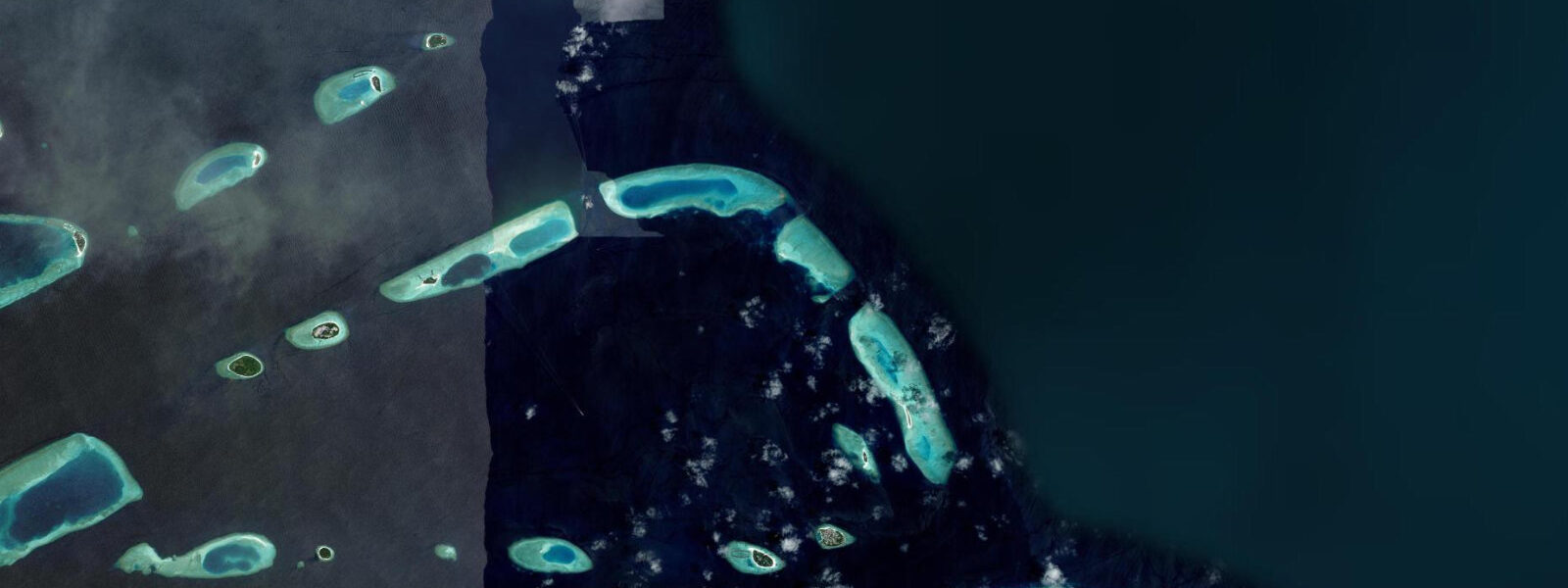
Hinnavaru, Lhaviyani Atoll tide times
Hinnavaru, Lhaviyani Atoll tide forecast — heights relative to MSL.
Today's tide times for Hinnavaru, Lhaviyani Atoll
Tide times at Hinnavaru, Lhaviyani Atoll on Tuesday, 4 August 2026: first high tide at 05:00, first low tide at 08:40, second high tide at 14:38, second low tide at 21:22. Sunrise 06:03, sunset 18:24.
Tide chart for Hinnavaru, Lhaviyani Atoll
24-hour cosine-interpolated curve around the present moment. Heights relative to MSL. Predictions: Predictions: Open-Meteo Marine (MeteoFrance SMOC, 0.08° grid).
Sun, moon and conditions on Tue 04 Aug
Snapshot at build time — refreshes daily. Sea state from Open-Meteo Marine.
Highs and lows next 7 days
Every predicted high and low for the next week, with the daily tidal coefficient (0–120; higher = bigger swing, > 95 means stronger currents).
Other spots nearby
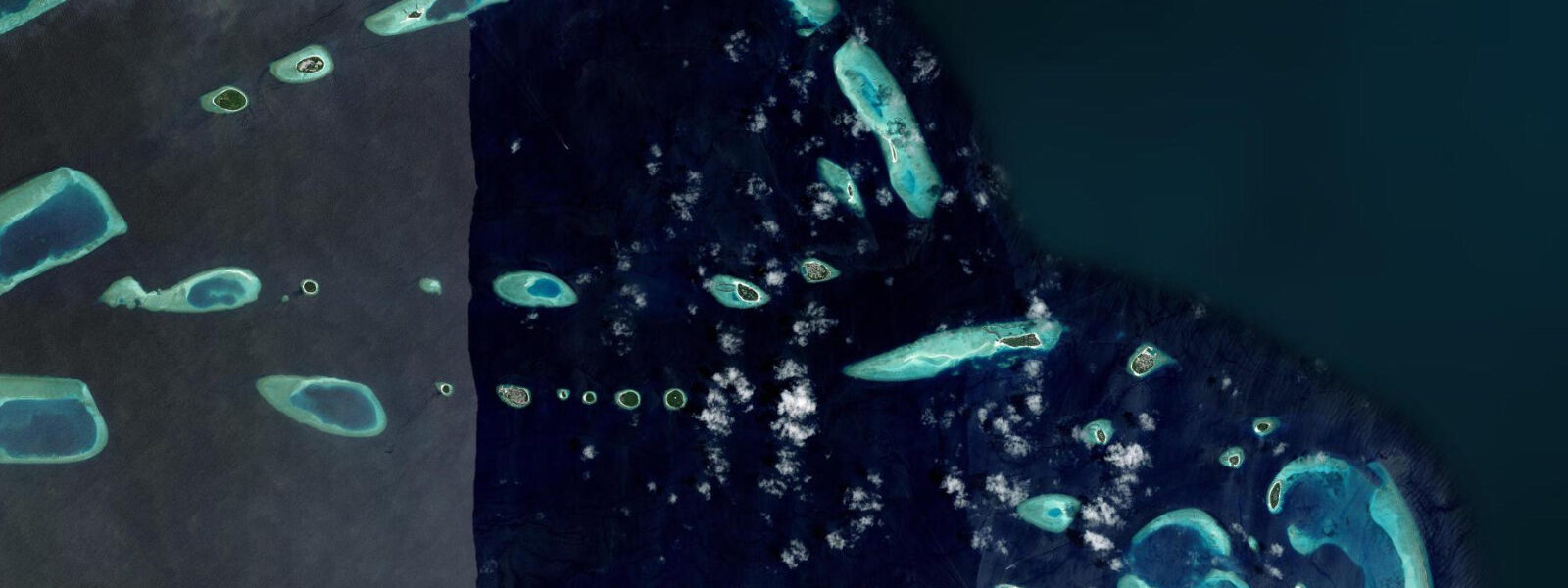
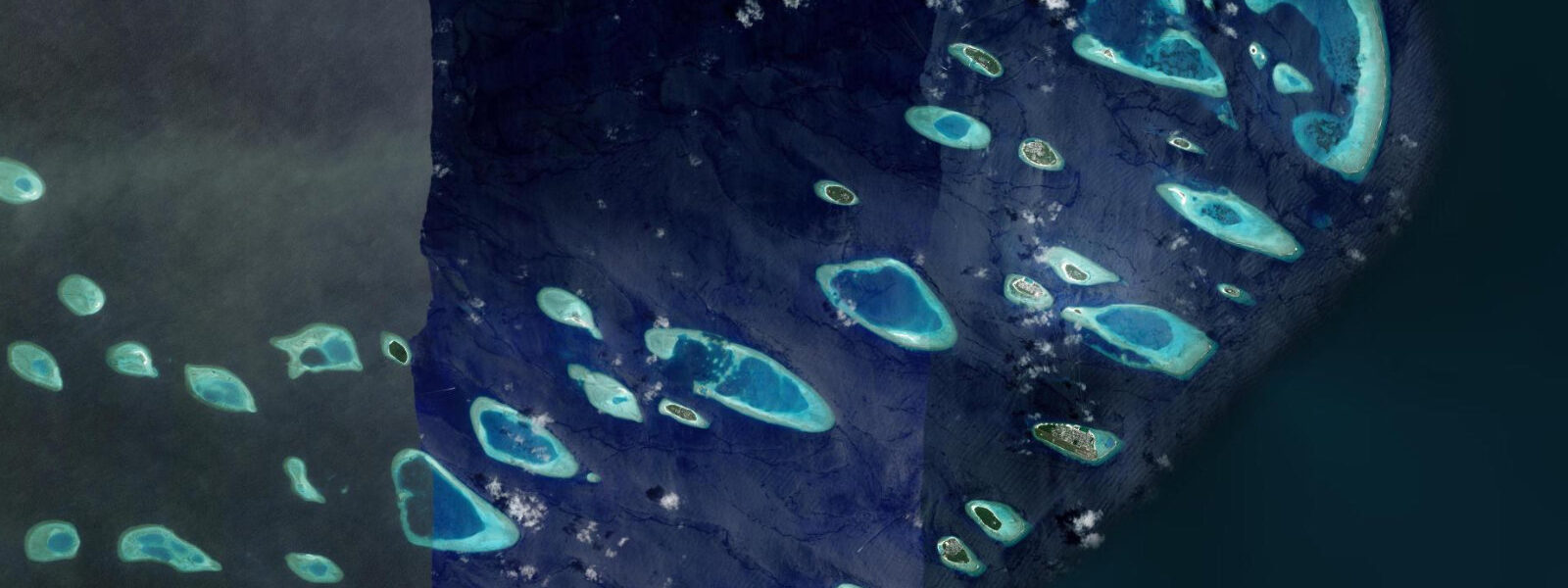
The three closest curated TideTurtle locations to Hinnavaru, Lhaviyani Atoll, measured by great-circle distance.
Today's solunar windows
Solunar tradition: major periods are the ≈3h windows around moon transit and opposition; minor are ≈2h around moonrise and moonset. Pair with the local tide stage and wind for the best read.
Cycle dates near Hinnavaru, Lhaviyani Atoll
Next spring tide on Wed 05 Aug (range 0.8m). Next neap on Fri 07 Aug.
Spring tides cluster around new and full moons (biggest swings). Neap tides land on quarter moons (smallest swings). See the spring tide and neap tide glossary entries for the why.
About tides at Hinnavaru, Lhaviyani Atoll
A short guide to the coastline at Hinnavaru, Lhaviyani Atoll — geography, sea state, and what the tide is actually doing under your feet.
Hinnavaru is one of the most populous inhabited islands in Lhaviyani Atoll, sitting on the eastern rim of the atoll roughly 35 kilometres from the resort-heavy western reaches. The community is a fishing settlement in the traditional Maldivian sense: the pole-and-line tuna fleet operates out of Hinnavaru, and the social and economic fabric of the island is built around the sea rather than tourism infrastructure. That distance from the resort network — both physical and cultural — is what makes Hinnavaru a distinct destination for visitors wanting contact with a working Maldivian community rather than a curated resort experience.
Tide data for Hinnavaru is sourced from Open-Meteo Marine, a global gridded ocean model. Accuracy is ±45 minutes on timing and ±0.2 to 0.3 metres on height. Lhaviyani Atoll's tidal regime is mixed semidiurnal — two unequal highs and two unequal lows each day — with a spring range of 0.6 to 1.0 metres. The eastern rim position of Hinnavaru means its immediate reef environment responds slightly differently from the western atoll sites: the eastern reef edge faces the atoll's interior lagoon, and the exposed outer reef flat faces northward toward open water passages.
For divers, the eastern rim of Lhaviyani Atoll offers several recognised dive sites within dhoni range of Hinnavaru. The reef wall along the atoll's eastern edge drops to 20 to 25 metres with overhangs and crevices holding resting white-tip reef sharks, leaf scorpionfish, and dense clouds of anthias in the shallower zones. The tidal current at this edge runs along the wall rather than through a pass, creating a slower and more consistent drift than the big channel dives on the western rim. The window two to three hours after the predicted high gives the most manageable current speed for wall-following dive profiles.
For snorkellers, the house reef immediately off Hinnavaru's beach — accessible from shore without a boat — has coral bommies in 1.5 to 3.0 metres of water at high tide. The best snorkel conditions are the two hours around high water, when the reef heads are fully submerged and the depth over the shallowest sections is workable. At low water, the reef flat shallows to 0.3 to 0.5 metres at some points; reef-safe footwear is needed if walking the flat.
For fishing, Hinnavaru is part of the active pole-and-line skipjack tuna fishery that supplies the Maldivian pole-and-line certification programme. The fleet targets skipjack aggregations that follow baitfish schools, which in turn are influenced by the tidal and current cycles around the atoll rim. Local boat hire for fishing is available; the trips run to the outer channel areas and the reef edge rather than deep pelagic water. Grouper, snapper, and reef jacks are the reliable species on light tackle.
Beach conditions on the inhabited-island side of Hinnavaru are typical of eastern atoll islands: a calm, shallow lagoon on the atoll-interior face with sand over coral rubble, and a more exposed reef flat on the northern and eastern faces. The swimming beach used by residents is on the western face — the most sheltered side. High tide gives the cleanest swimming. Low-water swimming is possible but the lagoon shallows, and sea urchins are present on the reef patches exposed at low water.
Wildlife photographers working the outer reef areas near Hinnavaru should plan around tidal light: the best combination is an early-morning high tide on a day with light northeast wind. The coral gardens shallow enough to photograph well are on the reef top at 1.0 to 2.5 metres — maximum available light penetration — and the fish life is most active in the two hours after sunrise before the mid-morning heat builds. Turtles are regularly seen on the reef flats around Hinnavaru; hawksbill turtles feed on the sea-grass patches in the lagoon.
The inter-island ferry network connects Hinnavaru to other Lhaviyani Atoll inhabited islands and to the domestic airport at Felivaru, from which flights connect to Malé. Travel time from Malé's international airport is typically three to four hours including flight and boat transfers. Guesthouse accommodation exists but is limited; advance booking in the peak dry season (November to March) is necessary.
The freshwater lens beneath the island — a natural aquifer of rain-derived fresh water sitting above the denser salt water in the coral limestone — is a finite resource managed carefully by the community. This is not directly relevant to visitors, but it explains the importance of the seasonal rainfall pattern: dry-season visitors are arriving when the community's freshwater budget is under most pressure. Conservation habits around fresh water use matter more in the inhabited Maldivian islands than in the resort context where desalination handles supply.
Tide questions about Hinnavaru, Lhaviyani Atoll
Quick answers to the most common questions about tide times, range, and water access at Hinnavaru, Lhaviyani Atoll.
What tidal conditions apply at Hinnavaru on the eastern rim of Lhaviyani Atoll?
Hinnavaru sits on the eastern rim of Lhaviyani Atoll and experiences mixed semidiurnal tides with a spring range of 0.6 to 1.0 metres. Two unequal high tides and two unequal low tides occur each day. The eastern rim position means the outer reef edge faces northward toward atoll passage water rather than the deep ocean channel. Tidal current on this reef wall runs along the edge rather than through a cut, making for a more gradual drift profile. Tide predictions here come from Open-Meteo Marine — accuracy ±45 minutes on timing and ±0.2 to 0.3 metres on height.
Is there a house reef accessible from shore at Hinnavaru?
The reef immediately off Hinnavaru's beach is accessible from shore without a boat. At high tide, the reef heads are at 1.5 to 3.0 metres depth — good snorkel territory. The two hours around high water are the best window before the reef flat shallows. At low water the flat drops to 0.3 to 0.5 metres at the shallowest points, which makes comfortable snorkelling difficult and risks coral contact. Reef-safe footwear is needed if walking the exposed flat at low tide. Sea urchins are present on exposed reef patches; barefoot walking on the flat is not recommended.
How does Hinnavaru differ from a resort Maldives experience?
Hinnavaru is a working fishing community, not a resort. There are no private beach zones, no swim-up bars, and no structured activity programmes. Alcohol is not available on the island. Guesthouses are the accommodation option — basic to mid-range, locally run. The direct benefit is contact with a functioning Maldivian fishing economy: the pole-and-line tuna fleet, the social organisation of the fishing community, the daily boat traffic at the harbour. This is not a curated version of Maldivian life. Visitors who arrive expecting resort service levels will be disappointed; those who arrive prepared for a local-island experience will find it genuine.
What is the pole-and-line tuna fishery that operates from Hinnavaru?
Maldivian pole-and-line fishing targets skipjack tuna using live bait and a simple hook-and-line technique that has virtually zero bycatch. Boats locate baitfish schools, attract skipjack to the surface, then crew members line the rails and flip fish aboard at high speed. Hinnavaru's fleet is part of the MSC-certified Maldivian skipjack fishery, which supplies tuna to markets where pole-and-line labelling commands a premium. Skipjack aggregations follow bait schools around the atoll rim, and fleet movements track these. The most active season is during the southwest monsoon (May to November) when baitfish are most abundant.
What marine wildlife is commonly seen around Hinnavaru?
Hawksbill turtles feed in the seagrass patches of the lagoon and are regularly seen from shore and on snorkel. White-tip reef sharks rest in crevices on the eastern reef wall at diveable depth (10 to 20 metres). The reef top coral gardens hold a standard Indo-Pacific reef assemblage: parrotfish, wrasse, moorish idols, and lionfish. Occasional black-tip reef sharks patrol the reef edge at the atoll-interior boundary. Eagle rays are sighted periodically on the reef slope. Pelagic encounters — trevally, barracuda, dogtooth tuna — are more likely at the outer atoll rim sites accessed by dhoni than on the house reef.
8-day tide table — Hinnavaru, Lhaviyani Atoll
Heights relative to MSL. Predictions: Open-Meteo Marine (MeteoFrance SMOC, 0.08° grid) — heights relative to MSL (not chart datum / LAT). Model-derived.
| Day | Type | Time | Height |
|---|---|---|---|
| Tue 04 Aug | High | 05:00 | 0.6m |
| Low | 08:40 | 0.3m | |
| High | 14:38 | 0.8m | |
| Low | 21:22 | 0.0m | |
| Wed 05 Aug | High | 03:54 | 0.7m |
| Low | 09:10 | 0.3m | |
| High | 14:55 | 0.8m | |
| Low | 21:52 | 0.0m | |
| Thu 06 Aug | High | 04:54 | 0.7m |
| Low | 09:42 | 0.4m | |
| High | 15:06 | 0.7m | |
| Low | 22:37 | -0.0m | |
| Fri 07 Aug | High | 06:10 | 0.6m |
| Low | 10:10 | 0.5m | |
| High | 15:15 | 0.7m | |
| Low | 23:20 | -0.0m | |
| Sat 08 Aug | — | ||
| Sun 09 Aug | — | ||
| Mon 10 Aug | High | 11:15 | 0.7m |
| Tue 11 Aug | Low | 04:00 | 0.0m |