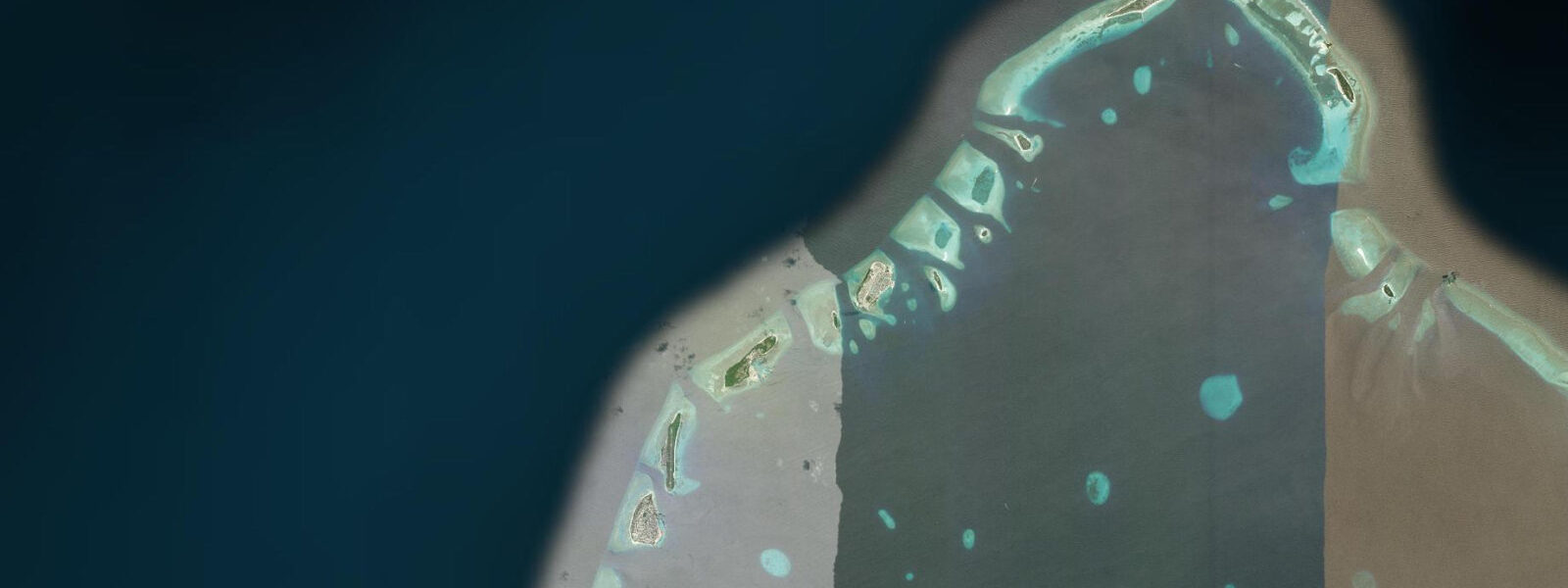
Naifaru, Lhaviyani Atoll tide times
Naifaru, Lhaviyani Atoll tide forecast — heights relative to MSL.
Today's tide times for Naifaru, Lhaviyani Atoll
Tide times at Naifaru, Lhaviyani Atoll on Tuesday, 4 August 2026: first high tide at 05:00, first low tide at 09:04, second high tide at 14:56, second low tide at 21:38. Sunrise 06:02, sunset 18:23.
Tide chart for Naifaru, Lhaviyani Atoll
24-hour cosine-interpolated curve around the present moment. Heights relative to MSL. Predictions: Predictions: Open-Meteo Marine (MeteoFrance SMOC, 0.08° grid).
Sun, moon and conditions on Tue 04 Aug
Snapshot at build time — refreshes daily. Sea state from Open-Meteo Marine.
Highs and lows next 7 days
Every predicted high and low for the next week, with the daily tidal coefficient (0–120; higher = bigger swing, > 95 means stronger currents).
Other spots nearby
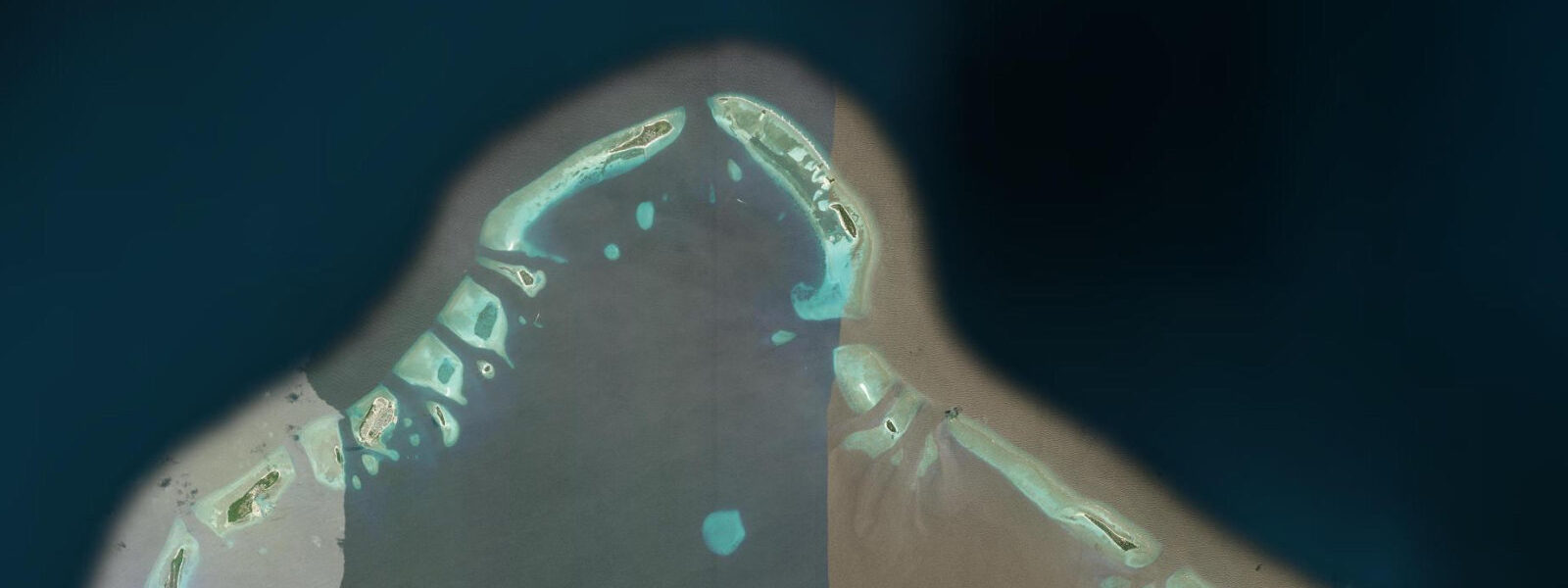
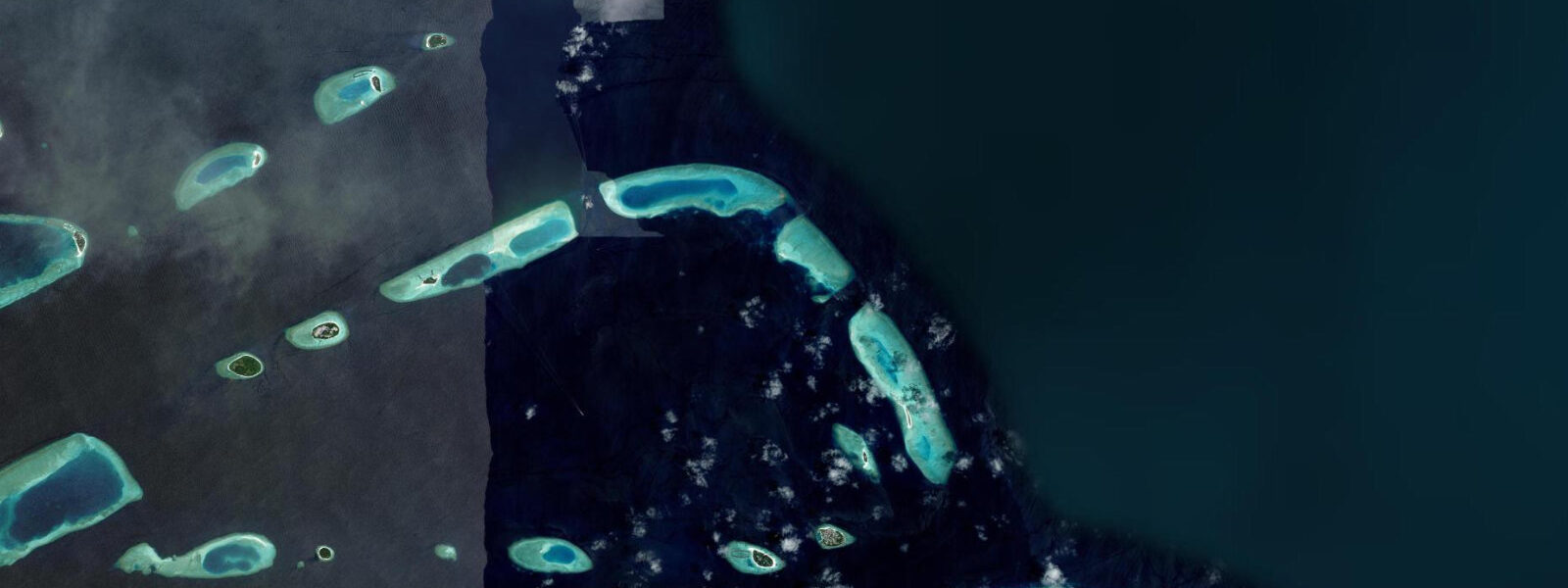
The three closest curated TideTurtle locations to Naifaru, Lhaviyani Atoll, measured by great-circle distance.
Today's solunar windows
Solunar tradition: major periods are the ≈3h windows around moon transit and opposition; minor are ≈2h around moonrise and moonset. Pair with the local tide stage and wind for the best read.
About tides at Naifaru, Lhaviyani Atoll
A short guide to the coastline at Naifaru, Lhaviyani Atoll — geography, sea state, and what the tide is actually doing under your feet.
Naifaru is the capital island of Lhaviyani Atoll, home to roughly 4,000 people — one of the more significant inhabited local islands in the northern Maldives and one of the few in the atoll where visitors arrive without a resort transfer. The island sits on the northwestern rim of the atoll, close to the main channel passage that connects the open Indian Ocean to the atoll interior. That position gives Naifaru a character defined by movement: dhoni traffic, inter-atoll cargo, and the daily rhythm of a working fishing and boat-building community.
The dhoni-building industry at Naifaru is the most directly observable traditional craft left in the northern atolls. The traditional Maldivian vessel — a wooden, inboard-engined boat with high prow and painted trim — is still built and repaired in the boatyards on the island's shore. Walking the eastern foreshore at any hour of the working day, you will find craftsmen planing timber, caulking hull seams with coconut fibre, and fitting out vessels for the tuna-fishing fleet. The wood used in modern dhonis comes from imported timber — the Maldives' own forests cannot sustain the demand — but the hull forms and building methods retain centuries of evolution.
Tidal data for Naifaru comes from Open-Meteo Marine, a global gridded ocean model. Timing accuracy is typically within ±45 minutes of the actual high or low; height accuracy is typically ±0.2 to 0.3 metres. Lhaviyani Atoll experiences mixed semidiurnal tides, with a spring range of roughly 0.6 to 1.0 metres. The diurnal inequality is marked: the two daily highs and two daily lows differ noticeably in height. The tidal range is modest by global standards, but on the shallow reef flats that surround Naifaru, a 0.8-metre spring tide moves the edge of the walkable flat by 50 to 100 metres.
For divers and snorkellers, the channel passages near Naifaru are the primary draw. The outer reef of Lhaviyani Atoll has several faru (reef platforms) within 20 to 40 minutes by dhoni, and the channel between the atoll rim and the ocean produces drift dives when tidal current is running. The current peaks approximately two hours after the predicted high or low at Naifaru; slack water runs for 20 to 30 minutes. The reef walls at the channel edge drop to 20 to 30 metres with good coral cover, and oceanic species — grey reef sharks, hammerheads on occasion, eagle rays — move through the pass on the ebb.
For kayakers, the atoll interior northwest of Naifaru is sheltered flat water. The reef that rings the atoll on the northwestern side keeps ocean swell out; the interior lagoon is calm unless the kandu (northwest) wind builds. Paddling the fringing reef at high tide gives access to coral gardens at 0.5 to 1.5 metres depth — visible from above without getting in the water. At low tide the reef flat dries to a few centimetres in places; paddle the marked boat channels to avoid grounding.
For fishing, the reef edge around Naifaru produces grouper, snapper, and parrotfish on hand lines and light tackle from a dhoni. The traditional Maldivian fishing method — pole-and-line tuna fishing — works the oceanic waters around the outer channel during skipjack aggregations, typically concentrated in the northwest monsoon season (May to November). Boat hire is available through local operators rather than resort infrastructure.
Naifaru is accessible by scheduled domestic flight from Malé to Lhaviyani Atoll's Felivaru airstrip, followed by a short ferry or speedboat. The island has guesthouses — part of the local island tourism structure that opened the non-resort Maldives to independent travellers after 2009. It is not a resort experience: there are no swimming pools, no all-inclusive menus, and no private beach zones. The reef and the community are the experience.
The north-facing beach on the outer rim of the atoll, accessible by dhoni, gives an unobstructed view to the northwest — useful for watching weather build in the inter-monsoon period and for the clean horizon photography that this exposure offers at sunset. The southerly facing shore of Naifaru itself faces into the atoll interior; its shallow water and calm conditions make it the preferred snorkelling zone for non-divers.
Water temperature in Lhaviyani Atoll holds between 27°C and 30°C year-round, with the warmest surface water in the pre-monsoon months (March to April) and a small dip during the southwest monsoon (June to August) when upwelling along the atoll edge can bring cooler water to the surface.
Tide questions about Naifaru, Lhaviyani Atoll
Quick answers to the most common questions about tide times, range, and water access at Naifaru, Lhaviyani Atoll.
What is the tidal range at Naifaru in Lhaviyani Atoll?
Naifaru experiences mixed semidiurnal tides with a spring range of roughly 0.6 to 1.0 metres. The two daily highs and two daily lows differ noticeably in height due to the diurnal inequality typical of the northern Indian Ocean. Neap tides reduce the range to around 0.3 to 0.5 metres. Tide data here comes from Open-Meteo Marine's global model — expect ±45 minutes on timing and ±0.2 to 0.3 metres on height. On the shallow reef flats surrounding the island, even a 0.8-metre tide shifts the edge of the walkable flat by 50 to 100 metres.
When is the best time to dive the channel passages near Naifaru?
The channel passages on the outer rim of Lhaviyani Atoll produce the strongest drift dives when tidal current is running — approximately two hours after the predicted high or low. Slack water lasts 20 to 30 minutes and allows more controlled reef wall work. Grey reef sharks, eagle rays, and occasional hammerheads move through the pass on the ebb. Dive operators from Naifaru time boat departures to arrive at the channel during the transition from slack to early ebb. Morning departures combined with an ebb tide typically deliver the best current and visibility conditions together.
Can independent travellers visit Naifaru without booking a resort?
Yes. Naifaru is a local island with guesthouses opened to independent travellers after the Maldives' 2009 guesthouse regulations. There are no private beach zones or resort-style infrastructure. Accommodation is basic to mid-range, guesthouse style. Visitors should be aware of local island norms: alcohol is not available on inhabited islands, and modest dress applies in the village. The island is accessible by scheduled domestic flight to Lhaviyani Atoll's Felivaru airstrip followed by a short boat transfer — no seaplane connection is needed.
What traditional craft can I see at Naifaru?
Naifaru's boatyards on the eastern foreshore are active daily with dhoni construction and repair. The traditional Maldivian dhoni — a wooden inboard-engined vessel with a distinctive high prow — is built here using methods refined over centuries, though with imported timber now replacing the depleted local wood supply. The best time to observe work is between 07:00 and 12:00 on weekdays when craftsmen are planing timber, caulking seams with coconut fibre, and fitting out hulls. This is a working yard, not a demonstration — respectful observation from the shore is the norm.
Is kayaking around Naifaru suitable for beginners?
The atoll interior waters northwest of Naifaru are well-suited to beginner kayaking: sheltered from ocean swell by the outer atoll rim, with calm flat water when the northwest wind is light. High tide is the best window — the reef flat snorkelling is accessible and there is enough depth to paddle freely over the coral. At low tide, sections of the inner reef dry and navigating the marked channels becomes necessary to avoid grounding. Avoid the outer atoll edge and channel passages unless paddling with a guide — tidal current in the passes can reach 2 knots on springs.
8-day tide table — Naifaru, Lhaviyani Atoll
Heights relative to MSL. Predictions: Open-Meteo Marine (MeteoFrance SMOC, 0.08° grid) — heights relative to MSL (not chart datum / LAT). Model-derived.
| Day | Type | Time | Height |
|---|---|---|---|
| Tue 04 Aug | High | 05:00 | 0.6m |
| Low | 09:04 | 0.3m | |
| High | 14:56 | 0.8m | |
| Low | 21:38 | 0.0m | |
| Wed 05 Aug | High | 15:12 | 0.8m |
| Low | 22:10 | 0.0m | |
| Thu 06 Aug | High | 05:00 | 0.7m |
| Low | 22:47 | 0.0m | |
| Fri 07 Aug | High | 15:45 | 0.6m |
| Sat 08 Aug | — | ||
| Sun 09 Aug | — | ||
| Mon 10 Aug | Low | 03:10 | 0.1m |
| High | 21:45 | 0.4m | |
| Tue 11 Aug | Low | 04:00 | 0.1m |