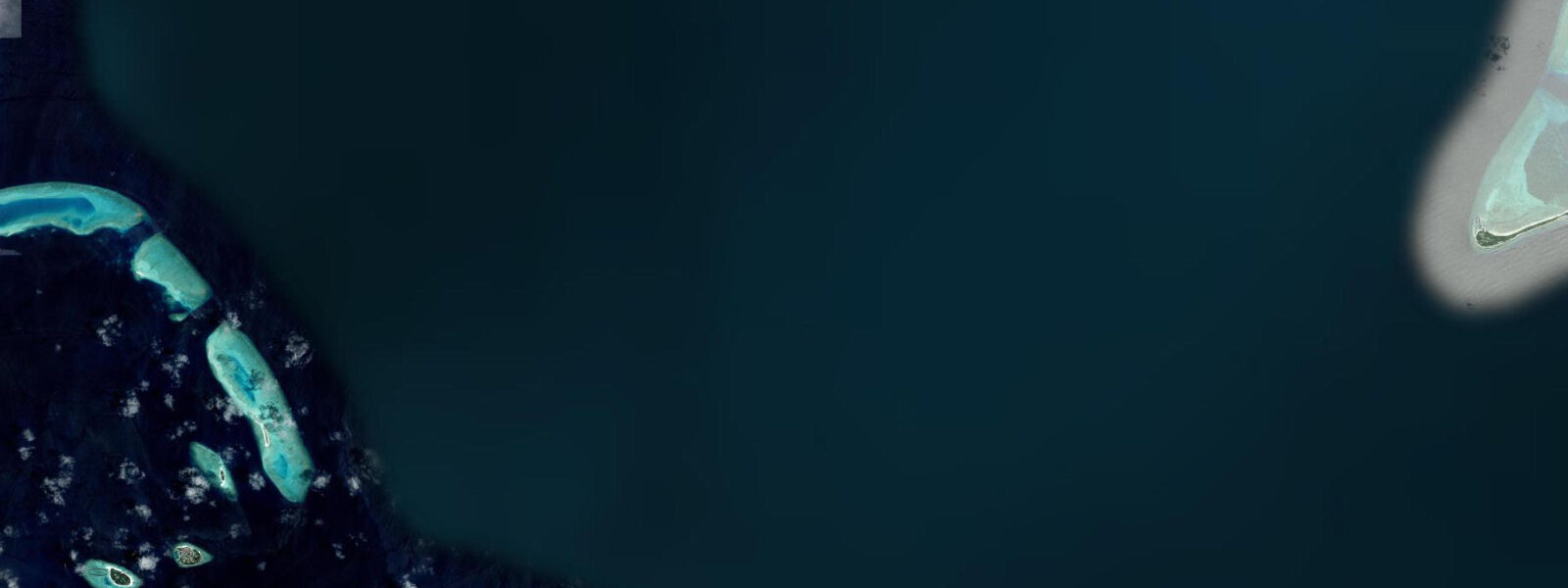
Fulidhoo, Baa Atoll, Maldives tide times
Fulidhoo, Baa Atoll, Maldives tide forecast — heights relative to MSL.
Today's tide times for Fulidhoo, Baa Atoll, Maldives
Tide times at Fulidhoo, Baa Atoll, Maldives on Tuesday, 4 August 2026: first high tide at 05:00, first low tide at 09:04, second high tide at 14:55, second low tide at 21:37. Sunrise 06:03, sunset 18:23.
Tide chart for Fulidhoo, Baa Atoll, Maldives
24-hour cosine-interpolated curve around the present moment. Heights relative to MSL. Predictions: Predictions: Open-Meteo Marine (MeteoFrance SMOC, 0.08° grid).
Sun, moon and conditions on Tue 04 Aug
Snapshot at build time — refreshes daily. Sea state from Open-Meteo Marine.
Highs and lows next 7 days
Every predicted high and low for the next week, with the daily tidal coefficient (0–120; higher = bigger swing, > 95 means stronger currents).
Other spots nearby
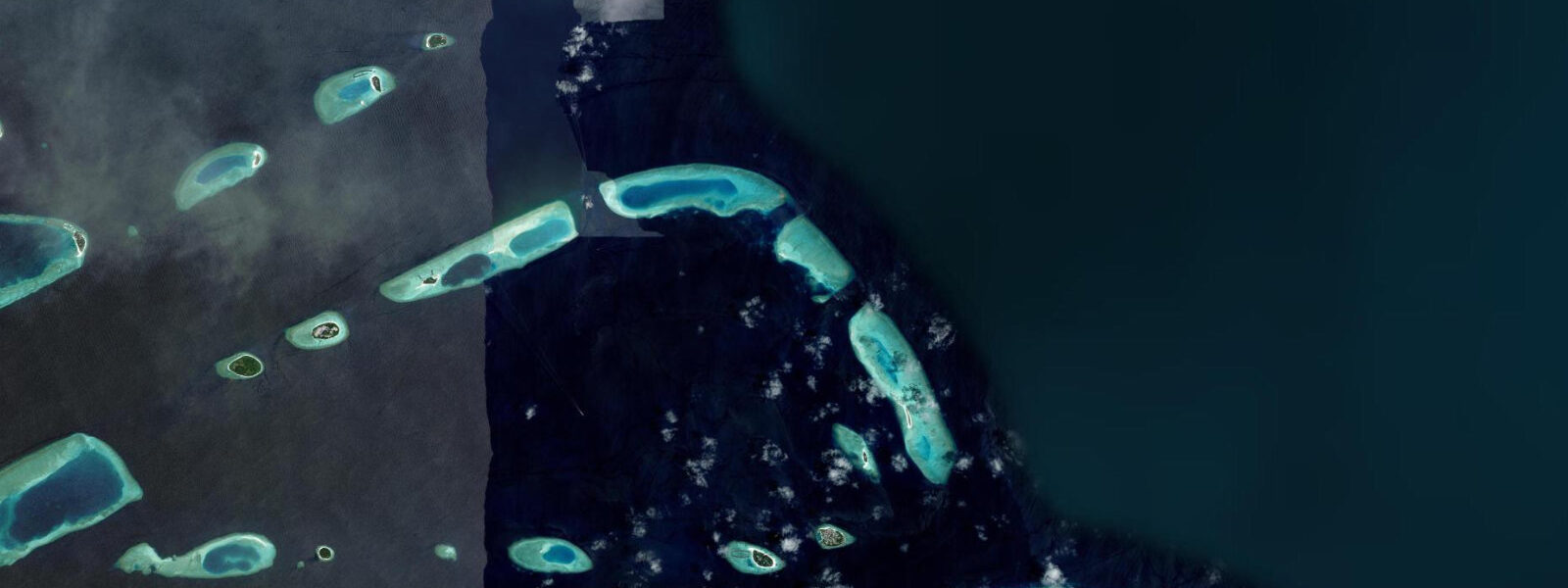
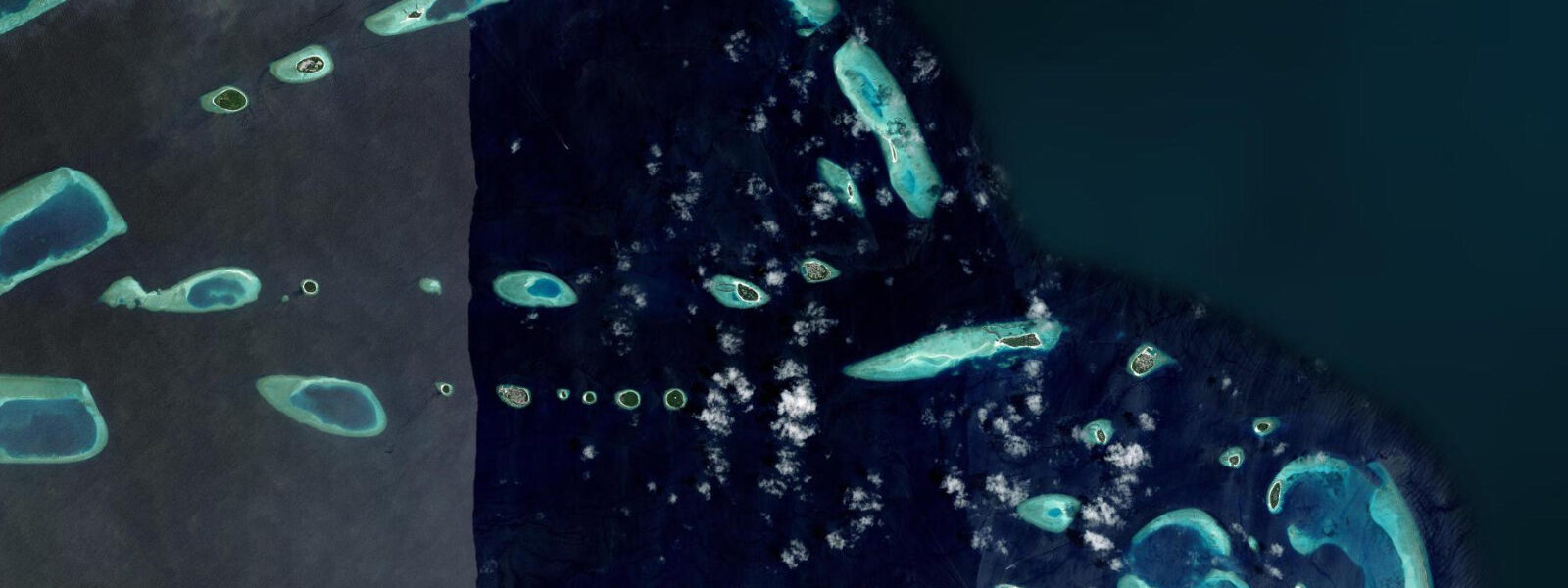
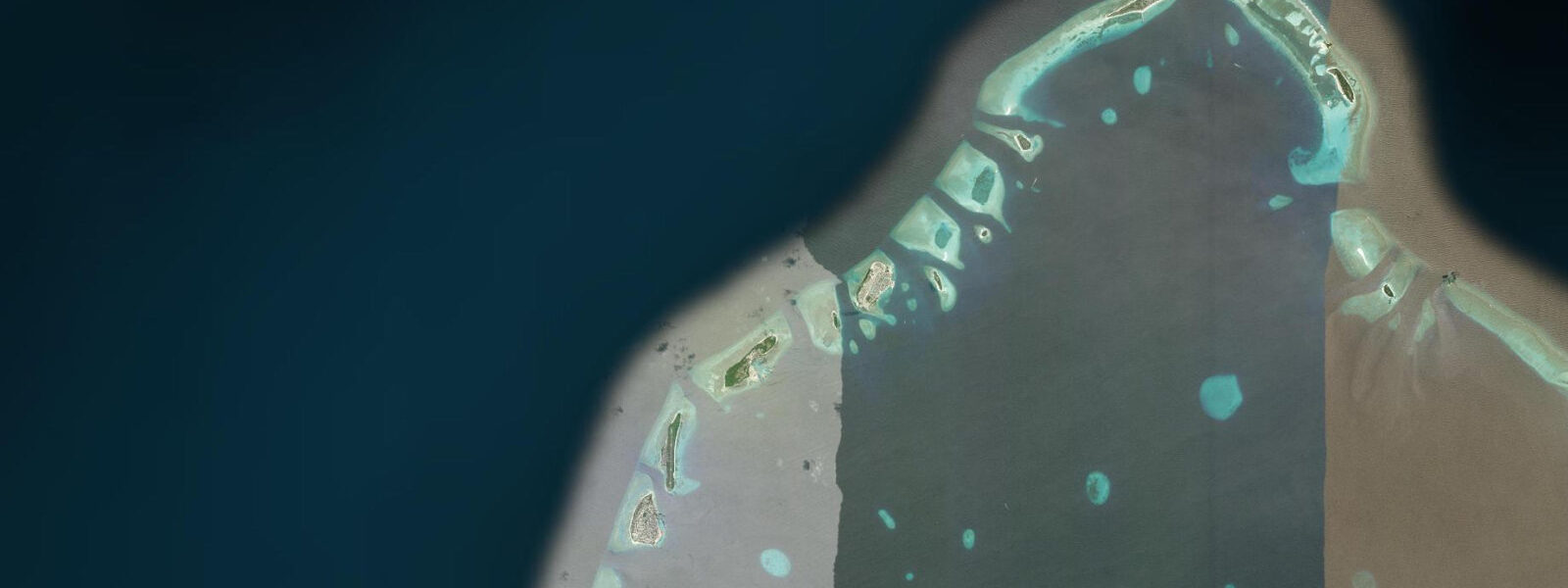
The three closest curated TideTurtle locations to Fulidhoo, Baa Atoll, Maldives, measured by great-circle distance.
Today's solunar windows
Solunar tradition: major periods are the ≈3h windows around moon transit and opposition; minor are ≈2h around moonrise and moonset. Pair with the local tide stage and wind for the best read.
Cycle dates near Fulidhoo, Baa Atoll, Maldives
Last spring tide on Tue 04 Aug (range 0.7m). Next neap on Mon 10 Aug.
Spring tides cluster around new and full moons (biggest swings). Neap tides land on quarter moons (smallest swings). See the spring tide and neap tide glossary entries for the why.
About tides at Fulidhoo, Baa Atoll, Maldives
A short guide to the coastline at Fulidhoo, Baa Atoll, Maldives — geography, sea state, and what the tide is actually doing under your feet.
Fulidhoo is a small inhabited island in Baa Atoll — a local island in the Maldivian administrative sense, which means it has a permanent resident Maldivian community rather than operating as a tourist resort. The island is roughly 700 m long and 300 m wide, its population around 500, with a school, mosque, harbour, a small medical station, and since 2011 a handful of community guesthouses operating under the local island tourism rules that opened the non-resort Maldives to independent travellers.
The daily rhythms of a local Maldivian island are different from the resort bubble. The morning fish auction at the harbour jetty runs on the incoming tide when the night's catch arrives: handline-caught tuna, various reef species, and the occasional larger pelagic are sold directly from the boat to the island families. The dhow-building workshop on the northeast corner of the island uses traditional woodworking techniques — hand adze, caulking with coconut fibre, coats of lime paint — on wooden fishing dhows; the craft is maintained by a handful of families and is visible to visitors who walk that section of the island without needing any particular arrangement. The Friday mosque and the community meeting hall are part of the island's social architecture; visitors who stay respectfully at the margin can observe the Friday gathering without being intrusive.
The house reef on the eastern side of Fulidhoo has good snorkel coverage: coral at 1 to 3 m depth with resident feeding turtles visible from the surface, particularly at the coral head cluster 200 m from the beach. The Indian Ocean tidal regime is mixed semidiurnal, spring range 0.8 to 1.2 m. The reef flat adjacent to the beach is exposed on the lower spring lows, extending the accessible area by 50 to 80 m and allowing reef-flat walking in 10 to 30 cm of water. On the highest spring tides, the beach narrows to a few metres and the water reaches the vegetation line at the lowest-lying sections. Dhow taxi services connect Fulidhoo to the Baa Atoll ferry network and to the Hanifaru Bay day trip boats during the manta aggregation season, which runs from late May to November.
Guesthouse stays are simple and clean: air-conditioned rooms, breakfast and dinner included, guided house reef snorkelling available from the guesthouse operators. Bikinis are permitted only on the designated bikini beach (signed); village beach and town areas require covered clothing. Predictions on this page come from Open-Meteo Marine (gridded model, ±45 min / ±0.2–0.3 m). The dhow taxi service connecting Fulidhoo to the Baa Atoll ferry network runs on the public ferry schedule from Malé via the northern Maldives route; guesthouses can advise on the current schedule, which changes seasonally. The ferry from Malé to the northern Baa Atoll islands takes approximately 5 to 6 hours on the public service. A speedboat transfer from Malé directly to Fulidhoo reduces the journey to 45 minutes but at a significant cost premium. Visiting Fulidhoo as part of a wider local-island itinerary — combining it with Kendhoo or Dhonfanu in the same atoll — is the practical approach for a week-long trip. Fulidhoo's reef system extends east from the island and drops to a sandy channel at around 18 m depth. The channel is a reliable spot for eagle rays and occasional hammerheads, particularly on the late flood when current from the outer atoll rim sweeps over the channel lip. The shallow reef top west of the island is accessible to snorkellers only on the flood high enough to cover the substrate at 0.5 m; at spring low water the reef is largely exposed. The fishing community at Fulidhoo is small and the quay handles primarily day-trip boats from resorts in the wider Baa Atoll. Guest houses on the island are few; visitors typically arrive on a morning liveaboard or speedboat transfer and depart before the afternoon sea breeze builds on the outer ocean. Sunset from the west beach at Fulidhoo is over open water toward the Maalhosmadulu Dhekunuburi atoll channel, and the best photographic light arrives when the water is at mid-flood and the reef is partly covered with clear incoming ocean water.
Tide questions about Fulidhoo, Baa Atoll, Maldives
Quick answers to the most common questions about tide times, range, and water access at Fulidhoo, Baa Atoll, Maldives.
When is the next high tide at Fulidhoo?
The hero block shows the next predicted high at Fulidhoo in Maldives Time (MVT, UTC+5). Mixed semidiurnal, spring range 0.8 to 1.2 m. On the highest spring tides, the beach narrows and the water reaches the vegetation line; on the lowest spring lows, the reef flat adjacent to the beach is walkable in 10 to 30 cm of water for 1 to 2 hours. Predictions from Open-Meteo Marine (gridded model, ±45 min / ±0.2–0.3 m). The spring tides around new and full moon give the highest highs and the lowest lows; the beach narrows most at the spring high and the reef flat is widest at the spring low.
What is the tidal range at Fulidhoo?
Spring range runs 0.8 to 1.2 m; neap range about 0.4 to 0.6 m. The mixed semidiurnal pattern delivers two slightly unequal tidal cycles per day. The reef flat exposure on the lowest spring lows allows reef-flat access in very shallow water — the most useful window for families wading to the coral heads without needing to swim. The house reef snorkel zone off the beach is accessible at all tide states. The reef flat exposure in 10 to 30 cm of water at the spring low is the most useful window for shallow-water wading with young children; the coral heads are visible directly without snorkelling equipment.
Where do these predictions come from?
Open-Meteo Marine, a free gridded global ocean model, accuracy ±45 min / ±0.2–0.3 m. The Maldives Meteorological Service publishes authoritative tidal predictions for Maldivian waters; the nearest Baa Atoll reference station is available through the MMS website and provides gauge-calibrated timing if precise window planning is needed. Maldives Meteorological Service publishes tidal predictions for Maldivian waters; the Baa Atoll reference station timing is available through the MMS website for gauge-calibrated planning. For navigation-grade predictions in Maldivian waters, use chart products published by the Maldives Meteorological Service and the Maritime Safety Administration.
What makes Fulidhoo different from a resort island?
A local island is governed by the resident Maldivian community, not by a resort management structure. Guesthouses are family-run businesses; meals are home cooking, not buffet service. The dhow-building workshop, the morning fish auction, and the Friday mosque are real community activities that happen whether or not there are guests. The social protocols — modest dress in the village, bikinis restricted to the designated beach — reflect the local Islamic community's norms, and visitors are expected to follow them. The trade-off is a more authentic and less expensive experience than any resort.
Is this safe to use for navigation?
No. TideTurtle is a planning tool. The Baa Atoll reef passages and the inter-island channels require proper chart navigation. The shallow reef sections around Fulidhoo that are exposed at low tide are a grounding hazard for any vessel drawing more than 0.5 m at those states. Use Maldives Ports Authority chart products for vessel operations in the atoll. Baa Atoll passages require knowledge of the reef heads and limited navigational marking; use Maldives Ports Authority chart products for vessel operations in the atoll.
8-day tide table — Fulidhoo, Baa Atoll, Maldives
Heights relative to MSL. Predictions: Open-Meteo Marine (MeteoFrance SMOC, 0.08° grid) — heights relative to MSL (not chart datum / LAT). Model-derived.
| Day | Type | Time | Height |
|---|---|---|---|
| Tue 04 Aug | High | 05:00 | 0.6m |
| Low | 09:04 | 0.3m | |
| High | 14:55 | 0.8m | |
| Low | 21:37 | 0.0m | |
| Wed 05 Aug | High | 04:15 | 0.7m |
| Low | 09:20 | 0.3m | |
| High | 15:12 | 0.8m | |
| Low | 22:07 | 0.0m | |
| Thu 06 Aug | High | 05:06 | 0.7m |
| Low | 22:47 | 0.0m | |
| Fri 07 Aug | High | 06:10 | 0.6m |
| Low | 10:45 | 0.5m | |
| High | 15:45 | 0.6m | |
| Low | 23:21 | 0.0m | |
| Sat 08 Aug | — | ||
| Sun 09 Aug | — | ||
| Mon 10 Aug | High | 21:10 | 0.4m |
| Tue 11 Aug | Low | 04:00 | 0.0m |