Eydhafushi tide times
Eydhafushi tide forecast — heights relative to MSL.
Today's tide times for Eydhafushi
Tide times at Eydhafushi on Tuesday, 4 August 2026: first high tide at 05:00, first low tide at 08:50, second high tide at 14:45. Sunrise 06:04, sunset 18:23.
Tide chart for Eydhafushi
24-hour cosine-interpolated curve around the present moment. Heights relative to MSL. Predictions: Predictions: Open-Meteo Marine (MeteoFrance SMOC, 0.08° grid).
Sun, moon and conditions on Tue 04 Aug
Snapshot at build time — refreshes daily. Sea state from Open-Meteo Marine.
Highs and lows next 7 days
Every predicted high and low for the next week, with the daily tidal coefficient (0–120; higher = bigger swing, > 95 means stronger currents).
Other spots nearby
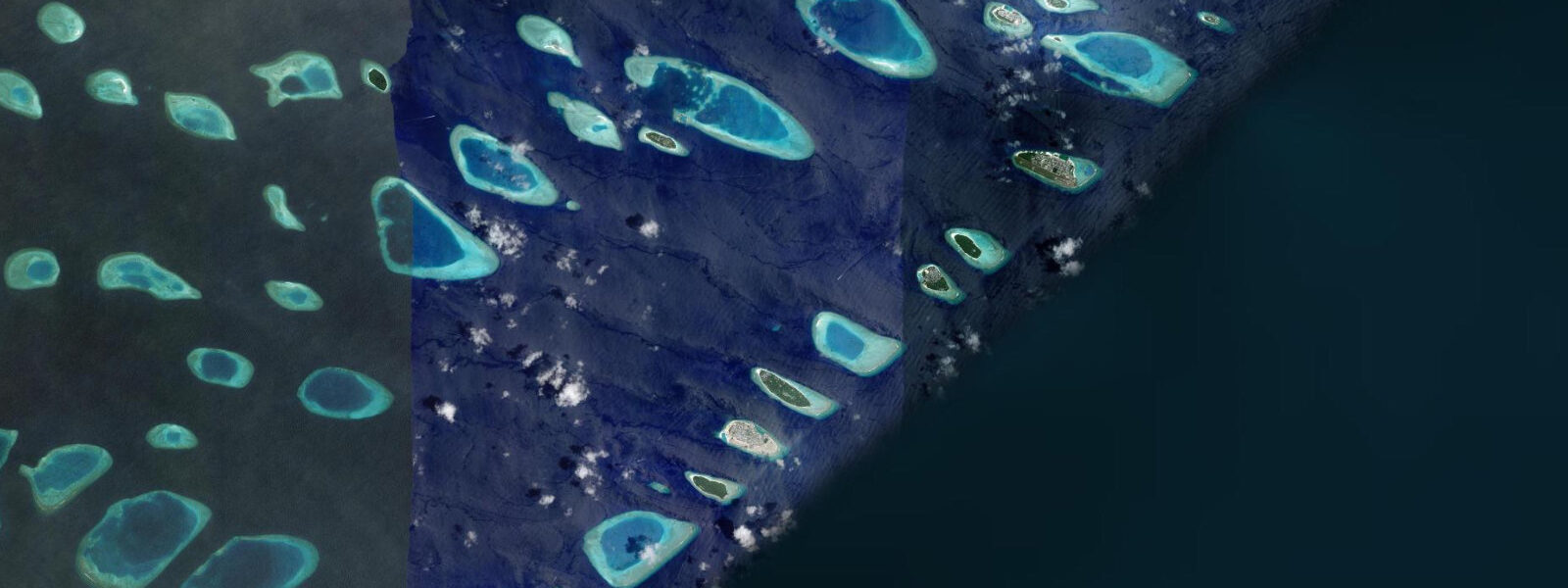
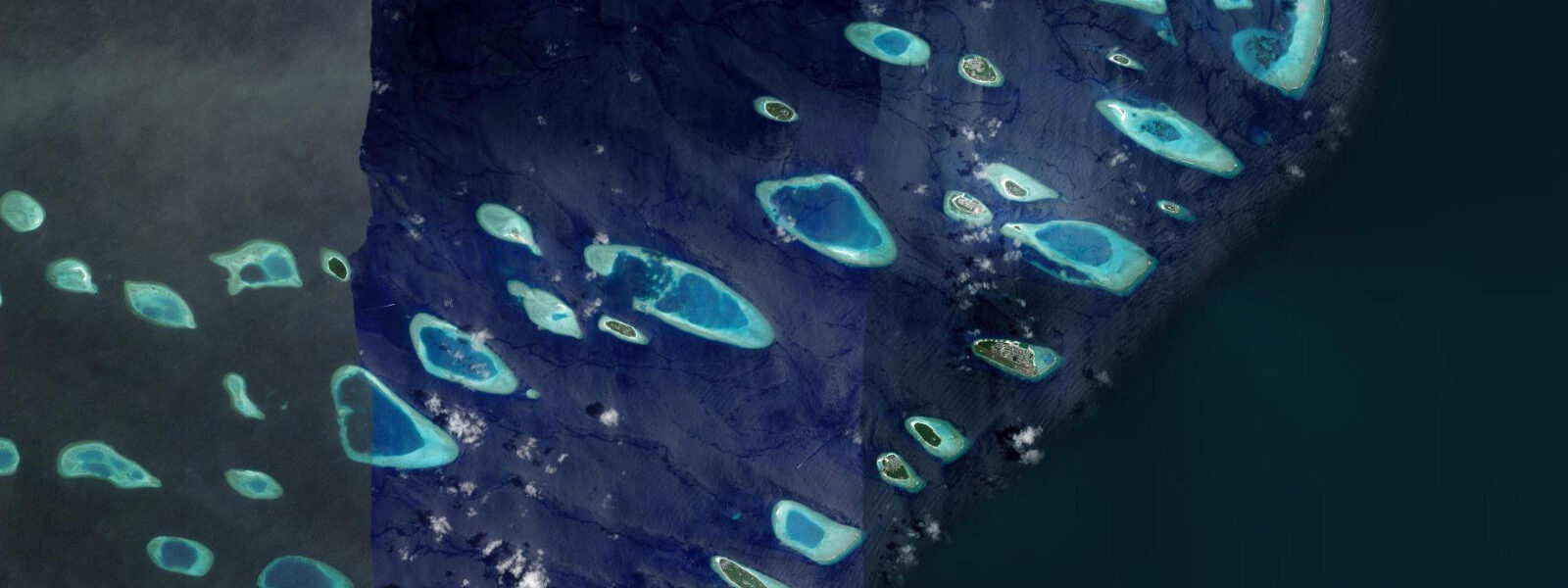
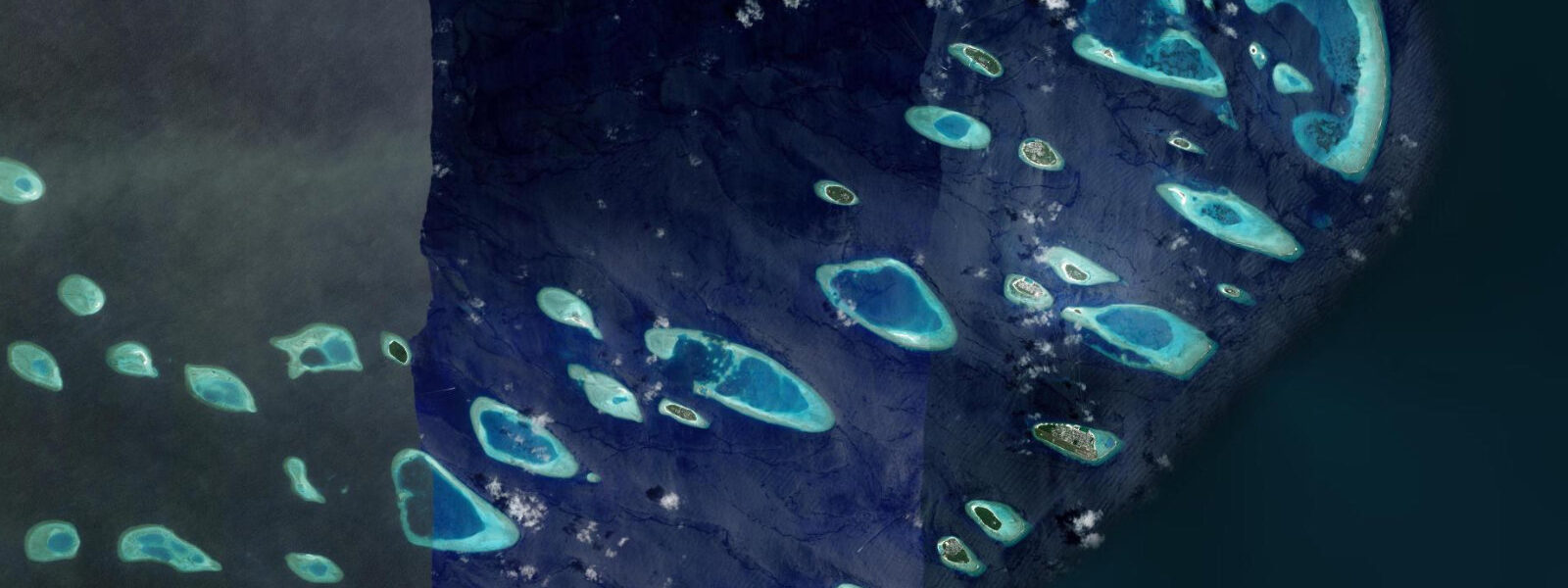
The three closest curated TideTurtle locations to Eydhafushi, measured by great-circle distance.
Today's solunar windows
Solunar tradition: major periods are the ≈3h windows around moon transit and opposition; minor are ≈2h around moonrise and moonset. Pair with the local tide stage and wind for the best read.
About tides at Eydhafushi
A short guide to the coastline at Eydhafushi — geography, sea state, and what the tide is actually doing under your feet.
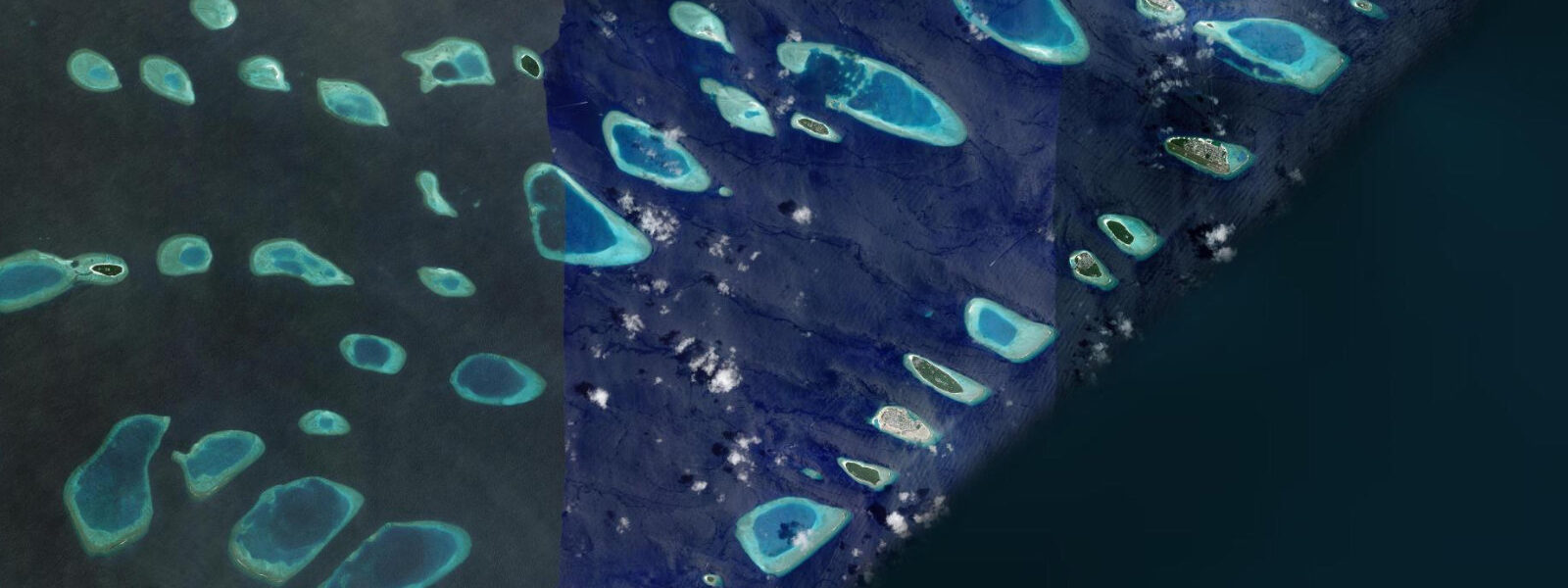
Eydhafushi is the capital of Baa Atoll and the administrative hub for the atoll that contains the Hanifaru Bay UNESCO Biosphere Reserve. The island sits on the southern rim of Baa Atoll's central lagoon, a position that gives it access to both the inner lagoon and the outer reef environment. As an inhabited island — home to approximately 3,000 residents — Eydhafushi operates outside the resort economy that dominates much of Maldivian tourism. Daily life follows the rhythms of a fishing and administrative community: the harbour has local fishing dhoni (traditional Maldivian boats), the town centre has a market and government offices, and the ferry connections link the island to the rest of the atoll.
The tidal regime at Eydhafushi is mixed semidiurnal, with a spring range of approximately 0.8 to 1.2 metres. The atoll lagoon's enclosed geometry moderates the tidal exchange with the open Indian Ocean — water moves in and out through the atoll's rim passages, and the lagoon level rises and falls more slowly than the open ocean outside. The main functional consequence of the tidal cycle for visitors is the state of the inter-tidal reef flat on the island's outer (western) face: at low water springs, the reef flat drops sufficiently to expose the upper coral zone and the shallow sandy areas behind the reef crest. This low-water window, typically 1.5 to 2 hours around low water springs, is when the inter-tidal community is accessible by reef walk without snorkelling gear.
Dhoni boat-building is one of the traditional crafts associated with Baa Atoll's inhabited islands. The dhoni — a narrow, wooden hull derived from Arab dhow design — was the Maldivian all-purpose vessel for fishing, inter-island travel, and cargo transport for centuries. Fibreglass and outboard motors have replaced most traditional dhoni for working use, but wood-hulled dhoni are still commissioned for ceremonial and tourism purposes on some islands. Observing the boat-building process, where it still occurs, requires arranging access through community contacts or a local guide.
For visitors using Eydhafushi as a base for Baa Atoll exploration, the key practical point is the local ferry network. Scheduled government ferries connect Eydhafushi to Dharavandhoo, Kendhoo, Fehendhoo, and other inhabited islands of the atoll; the schedule changes seasonally. A private speedboat hire from Eydhafushi to Hanifaru Bay takes approximately 20 minutes and is the standard excursion for guests staying at the island's guesthouses.
Fishing from the island's reef edge at dusk and dawn targets reef fish that feed on the tidal current — grouper, snapper, and jack are the primary species. Traditional Maldivian pole-and-line skipjack tuna fishing takes place in the outer atoll waters; Eydhafushi's fishing fleet works the tuna grounds around the atoll rim at dawn on the outgoing tide, when the current accelerates through the atoll passages and concentrates baitfish.
The island has several guesthouses operating under the Maldives guesthouse licence scheme, which opened local-island accommodation to tourism in 2011. Guesthouse guests must observe the local customs regarding dress and behaviour on the inhabited island, including the designated bikini beach on the outer reef flat. The bikini beach is accessible only at low water — the inter-tidal walk across the reef flat to the beach platform requires a falling tide.
Predictions on this page come from Open-Meteo Marine, a gridded global ocean model. Accuracy is typically within plus or minus 45 minutes on timing and 0.2 to 0.3 metres on height — model-derived, not from a local gauge. The local tide authority is the Maldives Meteorological Service.
Tide questions about Eydhafushi
Quick answers to the most common questions about tide times, range, and water access at Eydhafushi.
How do I get to Eydhafushi from Malé?
By domestic flight to Dharavandhoo Airport (approximately 25 minutes from Velana International Airport, Malé) followed by a 5-minute speedboat transfer to Eydhafushi. Alternatively, by scheduled ferry from Malé North Harbour — the government ferry service to Baa Atoll runs several days per week and takes approximately 8 hours. Speedboat transfers from Dharavandhoo to Eydhafushi are arranged by guesthouses. Some liveaboards operating in Baa Atoll pick up from Eydhafushi directly. The domestic airline schedules are subject to change; confirm bookings well in advance, particularly in peak season (July to October).
What is the best excursion from Eydhafushi?
Hanifaru Bay, approximately 20 minutes by speedboat, is the primary reason most visitors choose Eydhafushi as a base. The excursion is tide-dependent — the manta ray aggregation occurs on the flood phase of spring tides, typically June to October. Outside the manta season, the main excursions are reef snorkel and dive sites within Baa Atoll, dolphin-watch cruises in the outer atoll waters at dusk, and local island visits to neighbouring inhabited islands by ferry or private boat. Arrange all excursions through your guesthouse or a licensed local operator.
Is Eydhafushi a good option for budget travellers visiting the Maldives?
Compared to resort islands, yes. The guesthouse scheme on inhabited islands like Eydhafushi allows independent travellers to stay in the Maldives without booking an all-inclusive resort package. Guesthouse accommodation includes a room, breakfast, and access to the island's bikini beach (designated outer reef flat). Meals are available at guesthouse restaurants and local cafes. The main trade-off: no overwater bungalow, no in-house reef access from your room, and the need to respect local customs on the inhabited island. Excursions to Hanifaru Bay are the primary additional cost; these are significantly cheaper when booked through a local guesthouse than through a resort.
What is the tidal range at Eydhafushi?
Spring tidal range at Eydhafushi is approximately 0.8 to 1.2 metres. The regime is mixed semidiurnal with a moderate diurnal inequality. The enclosed atoll lagoon moderates the tidal exchange — water level changes more slowly than in open ocean conditions. At low water springs, the reef flat on the island's outer face is exposed, including the path to the designated bikini beach. Predictions here come from Open-Meteo Marine (±45 minutes on timing, ±0.3 m on height). Not for navigation; consult the Maldives Meteorological Service for reference station predictions.
Where can I see traditional dhoni boat-building in Baa Atoll?
Wood-hulled dhoni construction is less common than it was — fibreglass has replaced traditional materials for most working boats. Inquire through your guesthouse whether any active boat-building is occurring on Eydhafushi or neighbouring islands; the practice still takes place on some inhabited islands in the atoll when a traditional dhoni is commissioned. The Maldives National Museum in Malé has exhibits on traditional dhoni construction and Maldivian maritime heritage. If boat-building is occurring on an island, ask your guide or guesthouse to arrange an introduction — turning up unannounced at a private workshop is not appropriate.
8-day tide table — Eydhafushi
Heights relative to MSL. Predictions: Open-Meteo Marine (MeteoFrance SMOC, 0.08° grid) — heights relative to MSL (not chart datum / LAT). Model-derived.
| Day | Type | Time | Height |
|---|---|---|---|
| Tue 04 Aug | High | 05:00 | 0.6m |
| Low | 08:50 | 0.3m | |
| High | 14:45 | 0.8m | |
| Wed 05 Aug | Low | 09:18 | 0.3m |
| High | 15:00 | 0.7m | |
| Low | 21:55 | 0.0m | |
| Thu 06 Aug | High | 04:54 | 0.7m |
| Low | 09:45 | 0.4m | |
| High | 15:06 | 0.7m | |
| Low | 22:38 | 0.0m | |
| Fri 07 Aug | High | 06:00 | 0.6m |
| Low | 23:20 | 0.0m | |
| Sat 08 Aug | High | 14:00 | 0.6m |
| Sun 09 Aug | — | ||
| Mon 10 Aug | — | ||
| Tue 11 Aug | Low | 04:00 | 0.0m |