Dharavandhoo tide times
Dharavandhoo tide forecast — heights relative to MSL.
Today's tide times for Dharavandhoo
Tide times at Dharavandhoo on Tuesday, 4 August 2026: first high tide at 05:00, first low tide at 09:00, second high tide at 14:52, second low tide at 21:37. Sunrise 06:03, sunset 18:23.
Tide chart for Dharavandhoo
24-hour cosine-interpolated curve around the present moment. Heights relative to MSL. Predictions: Predictions: Open-Meteo Marine (MeteoFrance SMOC, 0.08° grid).
Sun, moon and conditions on Tue 04 Aug
Snapshot at build time — refreshes daily. Sea state from Open-Meteo Marine.
Highs and lows next 7 days
Every predicted high and low for the next week, with the daily tidal coefficient (0–120; higher = bigger swing, > 95 means stronger currents).
Other spots nearby
The three closest curated TideTurtle locations to Dharavandhoo, measured by great-circle distance.
Today's solunar windows
Solunar tradition: major periods are the ≈3h windows around moon transit and opposition; minor are ≈2h around moonrise and moonset. Pair with the local tide stage and wind for the best read.
Cycle dates near Dharavandhoo
Last spring tide on Tue 04 Aug (range 0.7m). Next neap on Fri 07 Aug.
Spring tides cluster around new and full moons (biggest swings). Neap tides land on quarter moons (smallest swings). See the spring tide and neap tide glossary entries for the why.
About tides at Dharavandhoo
A short guide to the coastline at Dharavandhoo — geography, sea state, and what the tide is actually doing under your feet.
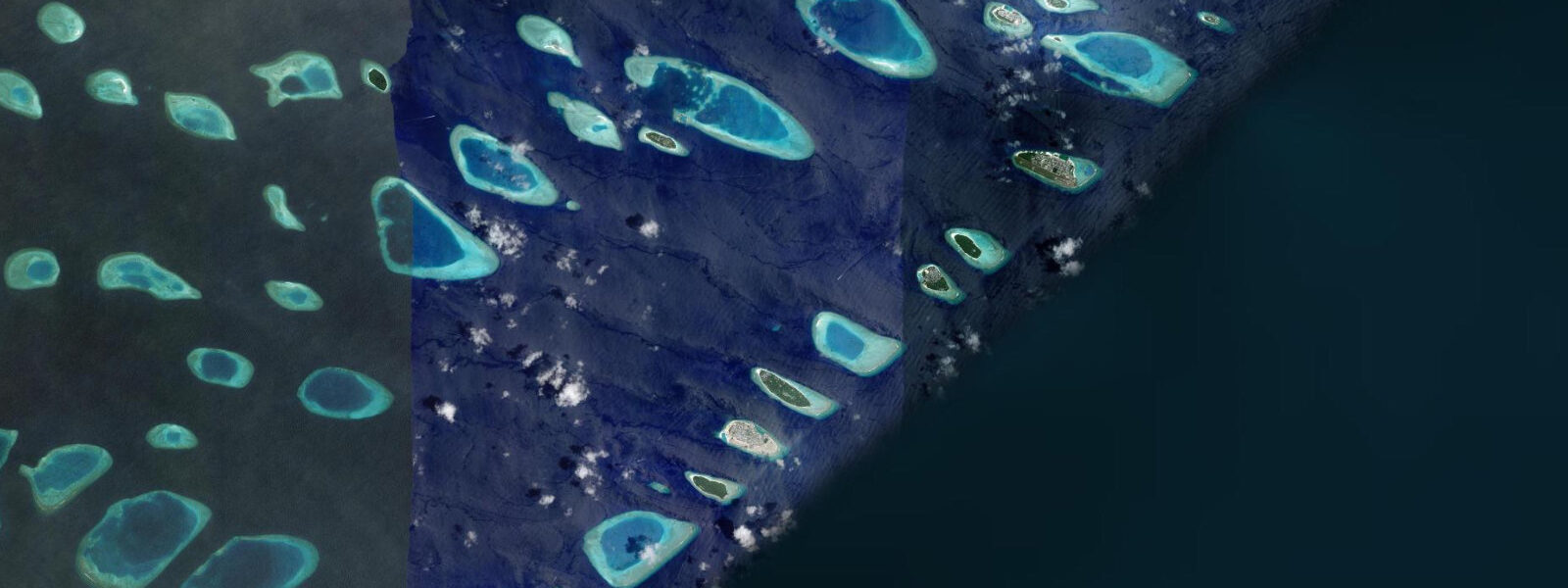
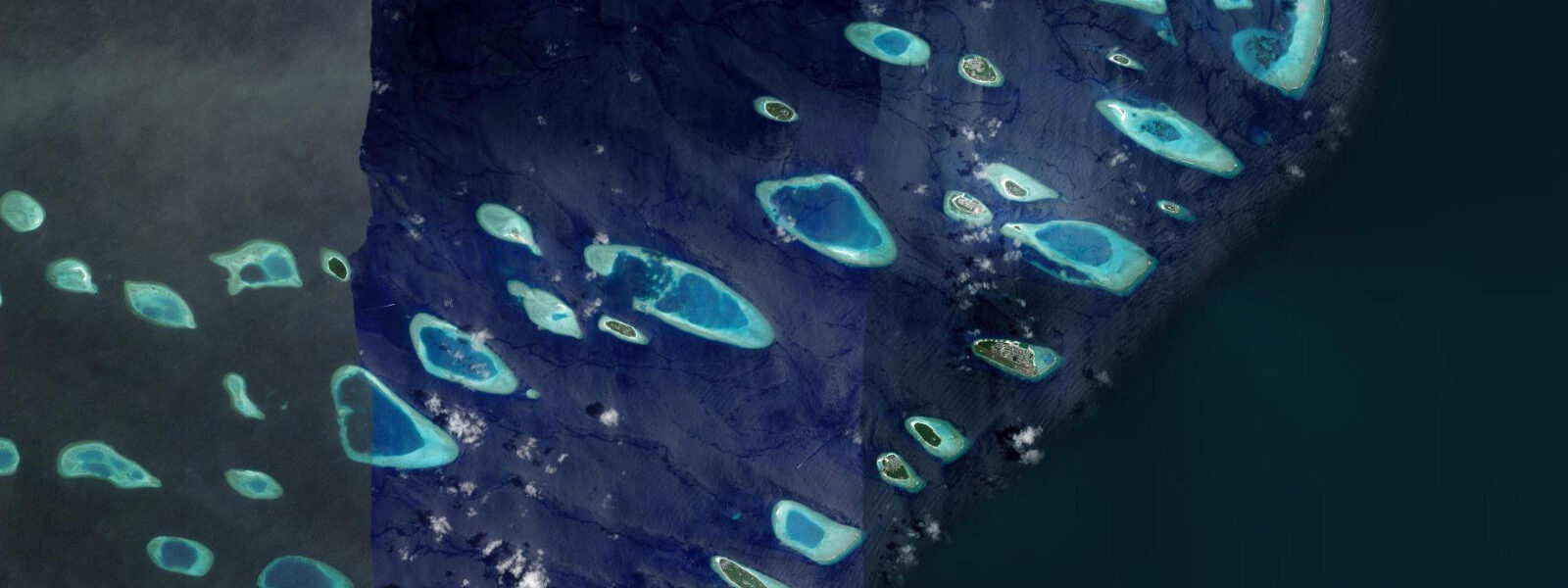
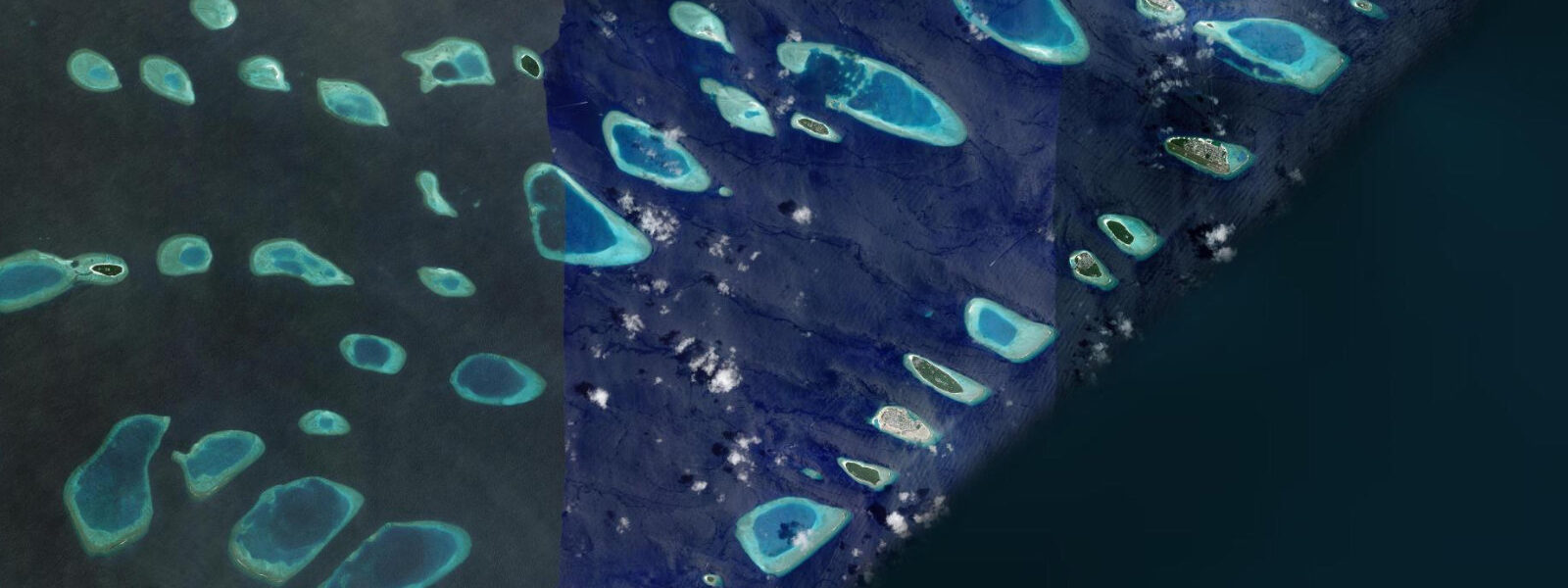
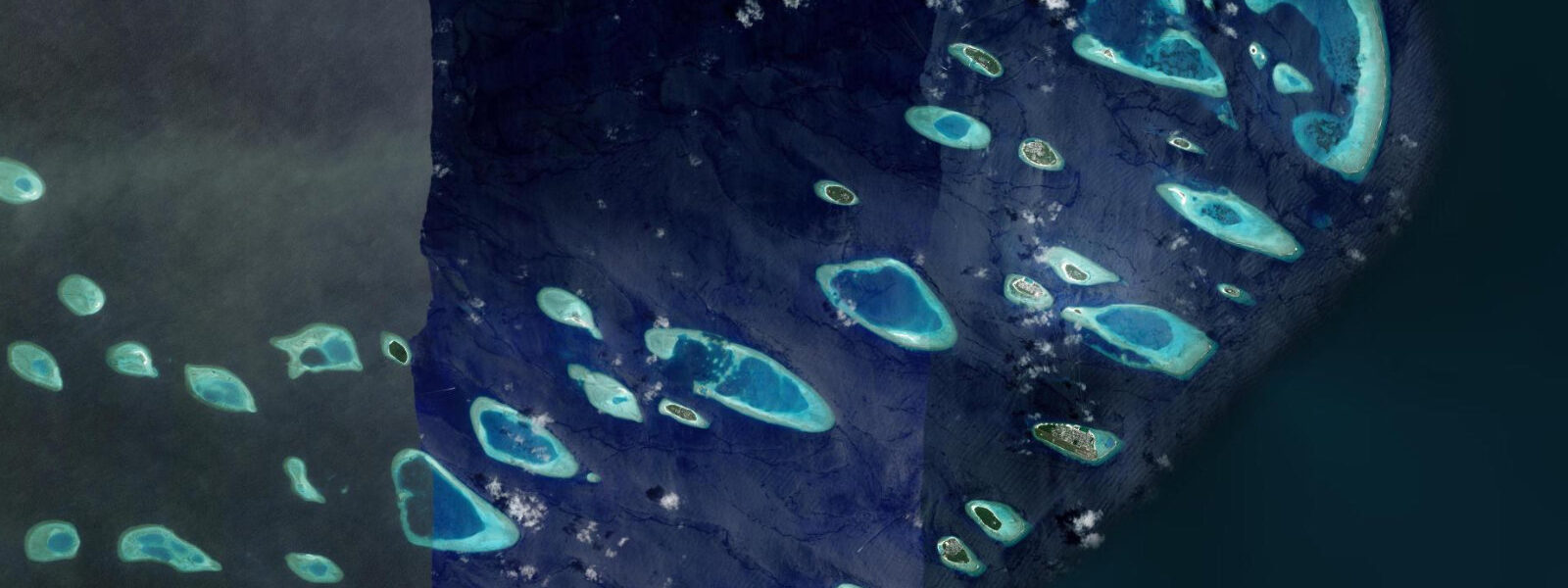
Dharavandhoo sits on the southern rim of Baa Atoll, one of the Maldives' UNESCO Biosphere Reserve atolls, and it punches well above its size for visitors who want reef access without resort pricing. The island has a permanent population of around 1,500, its own domestic airport (DRV), and a handful of guesthouses along the lagoon-facing shore. That combination — inhabited-island atmosphere, working dhoni jetty, and direct proximity to some of the atoll's best dive and snorkel sites — makes it a practical base for anyone navigating Baa Atoll independently.
Tides here run mixed semidiurnal: two unequal high waters and two unequal low waters each day, with a typical range of 0.6 to 1.0 metres. Open-Meteo Marine forecasts are accurate to roughly ±45 minutes on timing and ±0.2 to 0.3 metres on height — adequate for planning dhoni departures and reef entries but not for critical passages through shallow bommies. Check the forecast the morning of any reef trip and build a 30-minute buffer either side of your target low.
The reef edge is the main draw. From the island jetty, local dhoni operators run the ten-minute crossing to the outer reef slope, where the atoll wall drops sharply past 20 metres. At low tide, the shallow lagoon platform inside the reef flat is exposed in places, so snorkellers walking out from the beach need to watch their footing. At high tide, the same platform becomes swimmable and the current pressure on the outer wall eases slightly — useful for less experienced divers.
Baa Atoll is one of the most reliable places in the Indian Ocean to encounter manta rays and whale sharks, particularly between May and November when plankton blooms concentrate around the atoll's channel entrances. Hanifaru Bay, a UNESCO-protected feeding aggregation site roughly 20 kilometres north of Dharavandhoo, receives government-controlled visitor quotas — book the permit through a registered operator before arrival, not on the day. Entry is by snorkel only; scuba is prohibited inside Hanifaru.
For fishing-focused visitors, the tidal rhythm matters in a different way. The channel entrances on either side of Dharavandhoo reef flush nutrients with each tidal cycle, and local fishers target trevally and grouper on the flooding current in the early morning. Spinning from the jetty extension at first light on an incoming tide is a low-effort option; serious anglers should arrange a half-day dhoni trip to the outer passes.
Practical logistics: the domestic airport handles Twin Otter and ATR flights from Velana International, typically two to three connections daily. Seaplane transfers serve the resort islands nearby but not Dharavandhoo directly. The island has a basic grocery store, a few cafes, and accommodation priced far below resort equivalents. Alcohol is not available on local islands — bring any supplies from Malé if that matters to your trip.
Current patterns shift seasonally. During the southwest monsoon (May–October), surface currents across Baa Atoll run generally north to northeast inside the atoll lagoon; during the northeast monsoon (November–April), they reverse. Dhoni skippers know the local variation well, but self-guided kayakers should check both the Open-Meteo forecast and ask at the guesthouse before paddling beyond the lagoon edge. The atoll's scale makes surface currents deceptively significant over longer distances.
Diving certification levels determine what is accessible on the outer wall. The top of the reef slope sits at 5 to 8 metres; the wall itself drops to beyond 30 metres before transitioning to a sand slope. Open Water certification is sufficient for the upper plateau and the first section of the wall; for the deeper bommies and overhangs below 18 metres, Advanced Open Water or equivalent experience is the practical minimum. The guesthouses on Dharavandhoo maintain contacts with Baa Atoll dive operators who run equipment rental alongside guided dives — solo divers without their own gear can equip from these contacts, though availability of specific sizes of wetsuits and BCDs varies by season. Book dive slots alongside accommodation, not as an afterthought the morning of departure.
Tide questions about Dharavandhoo
Quick answers to the most common questions about tide times, range, and water access at Dharavandhoo.
When is the best time to snorkel with manta rays near Dharavandhoo?
Manta ray aggregations in Baa Atoll peak between May and November, driven by plankton blooms in the atoll's channel entrances. The best encounters happen around Hanifaru Bay, about 20 kilometres north of Dharavandhoo. Entry to Hanifaru is by permit only and snorkel only — no scuba — so book through a registered operator in advance. Morning sessions before 10:00 local time tend to have calmer conditions and stronger tidal flush, which concentrates the mantas. The Open-Meteo Marine tide forecast, accurate to ±45 minutes, helps you time your arrival at the bay entrance when current is actively running — that is when feeding aggregations form.
How big are the tides at Dharavandhoo and does it affect reef access?
Tides at Dharavandhoo are mixed semidiurnal with a range of roughly 0.6 to 1.0 metres. That sounds modest, but on a shallow reef flat with centimetre-scale water depths at chart datum, even 0.4 metres of extra range exposes or covers large sections of coral. At low tide, the inner lagoon platform can be too shallow to swim across without damaging coral — plan reef entries to coincide with a rising or high tide. For the outer reef wall, strong tidal currents run through the channel gaps during both the flood and ebb; intermediate divers should target slack water within about 90 minutes of high. Open-Meteo Marine forecasts the timing to ±45 minutes and height to ±0.2–0.3 metres, so allow that margin in your planning.
Can visitors reach Dharavandhoo without a seaplane transfer?
Yes. Dharavandhoo has its own domestic airport (IATA: DRV), served by Maldivian Airlines and Island Aviation with Twin Otter and ATR-72 flights from Velana International Airport in Malé. Journey time is about 40 minutes. Seaplanes do not serve Dharavandhoo directly — they service the nearby resort islands. The domestic flight is both cheaper and more predictable than seaplane transfers, which are weather-dependent and only operate in daylight. From the airport, guesthouses are within five minutes on foot or by bicycle. Pre-book accommodation before arrival; the island's guesthouse capacity is limited relative to demand during peak manta season.
What fishing opportunities exist around Dharavandhoo?
The reef channels on either side of Dharavandhoo are productive on both flood and ebb tides. Local fishers target giant trevally, yellowfin tuna in the outer passes, and grouper on the reef slope. The most accessible option for visiting anglers is spinning from the jetty extension at first light on an incoming tide — no boat required. For offshore and channel fishing, arrange a half-day dhoni trip through your guesthouse; most operators will know the tidal windows that produce best. Trolling between the outer reef markers for bonito and skipjack is productive during the inter-monsoon months (April and October to November) when baitfish aggregations are highest. Keep in mind that the Hanifaru Bay zone has a strict no-fishing buffer.
Is whale shark diving possible from Dharavandhoo?
Whale shark sightings in Baa Atoll occur year-round but are most frequent from May to October when plankton concentrations are highest. Encounters typically happen in the open water on the outside of the reef, not in the lagoon. Several dive operators based on Dharavandhoo or at adjacent island resorts run dedicated whale shark search trips, usually departing at first light when surface visibility is best. The interaction rules in the biosphere reserve require swimmers to stay 3 metres from the body and 4 metres from the tail, and approach from the side rather than ahead. Encounters are not guaranteed on any given day; building in at least three days increases the probability significantly.
8-day tide table — Dharavandhoo
Heights relative to MSL. Predictions: Open-Meteo Marine (MeteoFrance SMOC, 0.08° grid) — heights relative to MSL (not chart datum / LAT). Model-derived.
| Day | Type | Time | Height |
|---|---|---|---|
| Tue 04 Aug | High | 05:00 | 0.6m |
| Low | 09:00 | 0.3m | |
| High | 14:52 | 0.8m | |
| Low | 21:37 | 0.0m | |
| Wed 05 Aug | High | 15:10 | 0.7m |
| Low | 22:04 | 0.0m | |
| Thu 06 Aug | High | 05:00 | 0.7m |
| Low | 10:00 | 0.4m | |
| High | 15:18 | 0.7m | |
| Low | 22:47 | 0.0m | |
| Fri 07 Aug | High | 06:10 | 0.6m |
| Low | 23:21 | 0.0m | |
| Sat 08 Aug | High | 09:00 | 0.6m |
| Sun 09 Aug | — | ||
| Mon 10 Aug | Low | 02:50 | 0.1m |
| High | 11:42 | 0.7m | |
| Low | 19:00 | 0.4m | |
| High | 21:00 | 0.4m | |
| Tue 11 Aug | Low | 04:00 | 0.0m |