Pantai Cenang, Langkawi, Kedah tide times
Pantai Cenang, Langkawi, Kedah tide forecast — heights relative to MSL.
Today's tide times for Pantai Cenang, Langkawi, Kedah
Tide times at Pantai Cenang, Langkawi, Kedah on Tuesday, 4 August 2026: first low tide at 08:55am, first high tide at 02:43pm, second low tide at 09:17pm. Sunrise 07:15am, sunset 07:38pm.
Tide chart for Pantai Cenang, Langkawi, Kedah
24-hour cosine-interpolated curve around the present moment. Heights relative to MSL. Predictions: Predictions: Open-Meteo Marine (MeteoFrance SMOC, 0.08° grid).
Sun, moon and conditions on Tue 04 Aug
Snapshot at build time — refreshes daily. Sea state from Open-Meteo Marine.
Highs and lows next 7 days
Every predicted high and low for the next week, with the daily tidal coefficient (0–120; higher = bigger swing, > 95 means stronger currents).
Other spots nearby
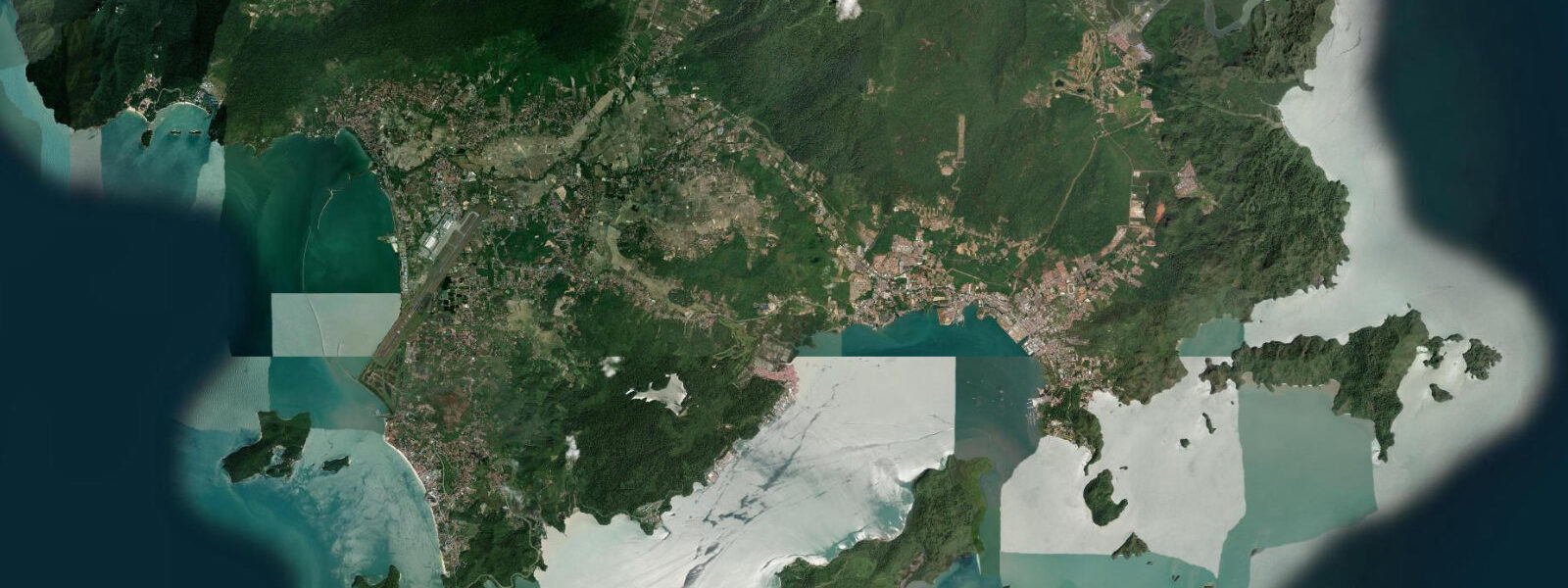
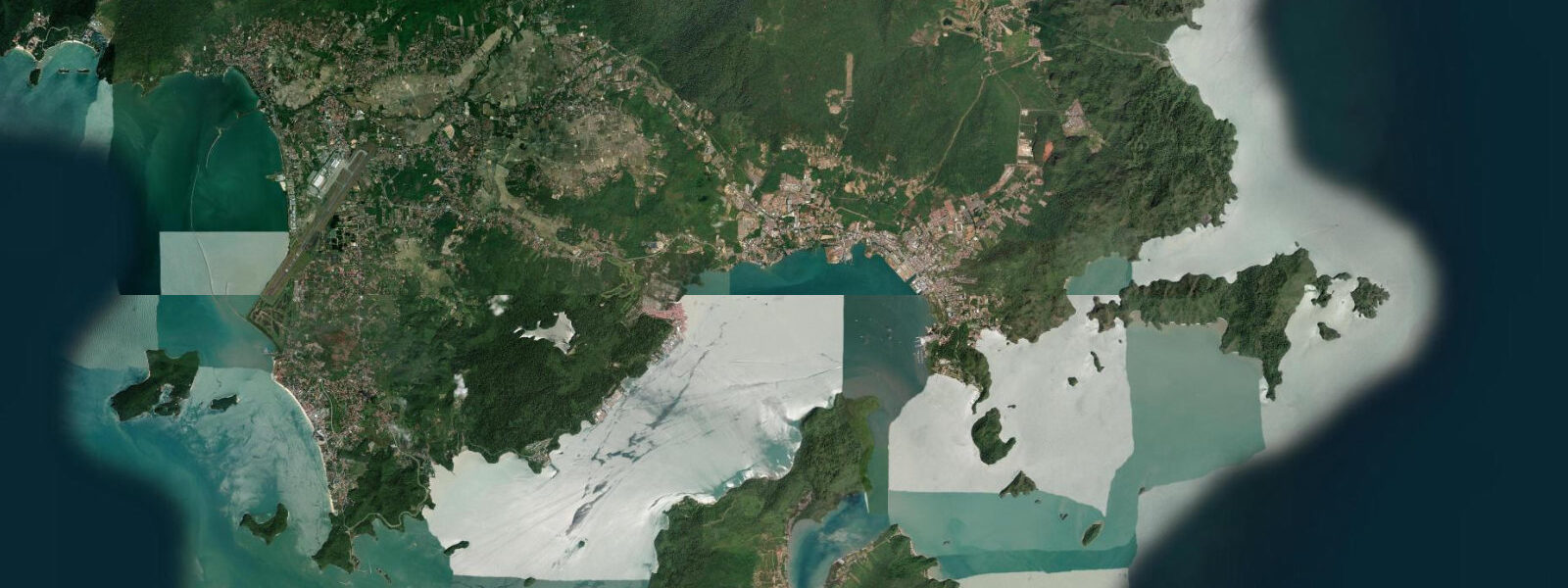
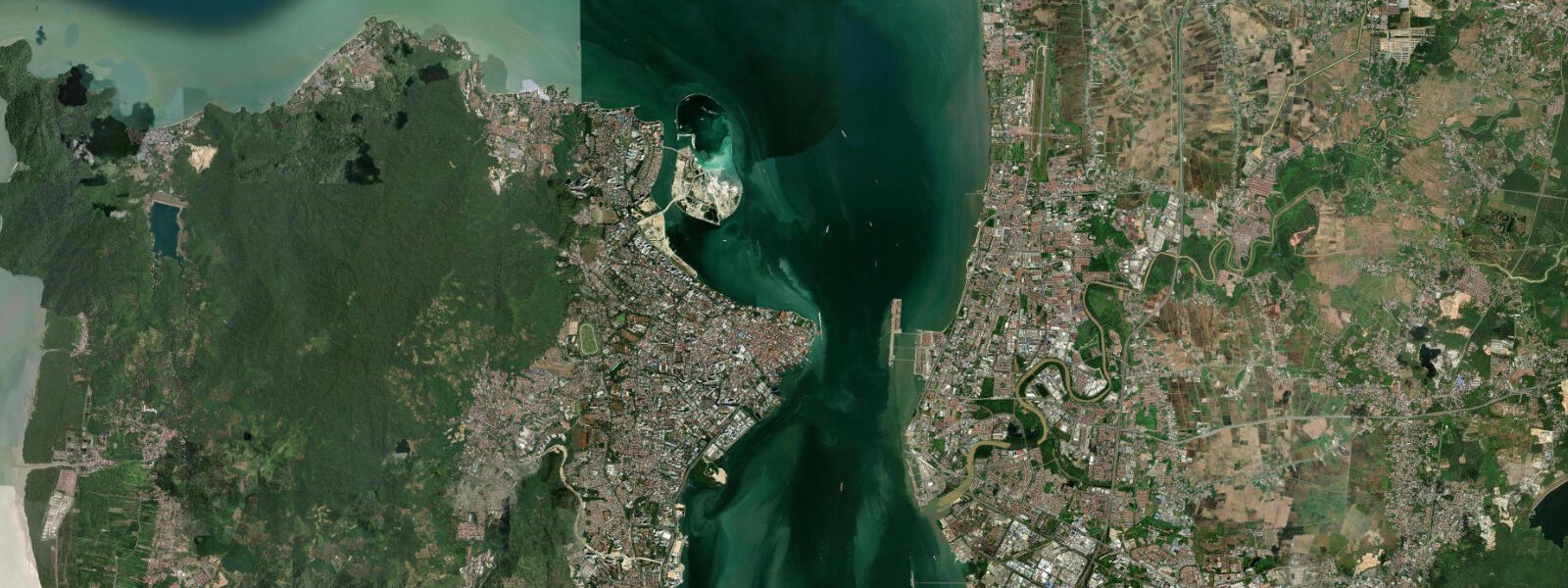
The three closest curated TideTurtle locations to Pantai Cenang, Langkawi, Kedah, measured by great-circle distance.
Today's solunar windows
Solunar tradition: major periods are the ≈3h windows around moon transit and opposition; minor are ≈2h around moonrise and moonset. Pair with the local tide stage and wind for the best read.
Cycle dates near Pantai Cenang, Langkawi, Kedah
Last spring tide on Tue 04 Aug (range 1.8m). Next spring tide on Mon 10 Aug (range 1.6m). Next neap on Sat 08 Aug.
Spring tides cluster around new and full moons (biggest swings). Neap tides land on quarter moons (smallest swings). See the spring tide and neap tide glossary entries for the why.
About tides at Pantai Cenang, Langkawi, Kedah
A short guide to the coastline at Pantai Cenang, Langkawi, Kedah — geography, sea state, and what the tide is actually doing under your feet.
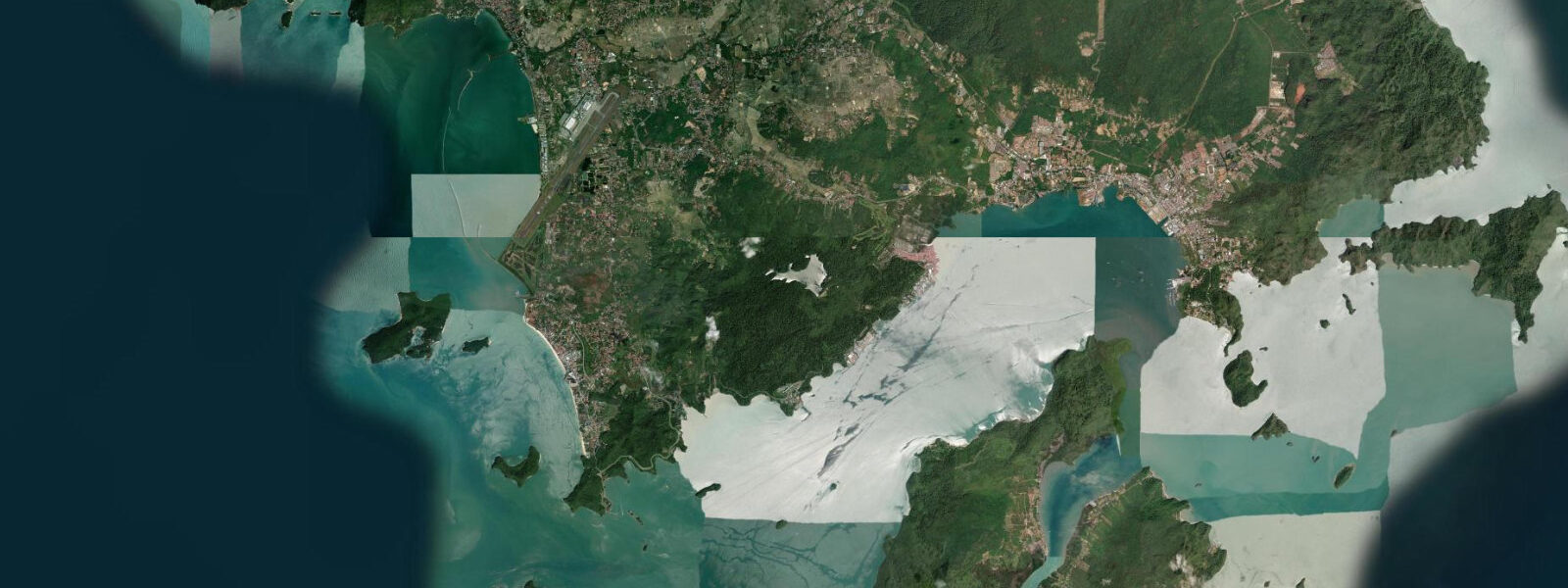
Pantai Cenang runs along Langkawi Island's southwest coast, facing south-southwest across the Strait of Malacca toward Sumatra. It is Langkawi's most visited beach — bars, restaurants, and dive shops lined up behind casuarina trees, with a view that opens to open water and the occasional tanker moving up the strait. The beach itself is about 2 km of white sand between two rocky headlands.
The tidal regime on Langkawi's southwest coast is diurnal-dominated, the same Malacca Strait pattern: one principal high and one principal low each day, with a secondary oscillation of smaller magnitude superimposed. Mean range on spring tides runs 2.0 to 3.0 m — slightly smaller than on Penang's coast because Langkawi sits further into the open strait. The diurnal character means that the single daily low water is the governing event for most beach and water activities.
At low spring water, Pantai Cenang extends 80 to 120 m further from the tree line than at high tide. The exposed sand is firm and walkable. More practically: the rocky headland at the southern end of the beach, which at high water is partially submerged and blocks the connection to the next bay, drops below sea level by around 0.4 to 0.8 m at high spring water but exposes entirely at low spring water. When that happens, you can walk dry-footed around the headland and connect directly to Pantai Tengah, the quieter beach immediately south. The connection is only possible in the hour either side of a spring low; a neap low often doesn't expose the crossing point fully. Check the predicted height — a low below 0.5 m chart datum is a reliable indicator the headland walk will go.
Pulau Rebak Besar Island sits 1.5 km offshore from Pantai Cenang, housing a marina and resort. The channel between the island and the mainland is navigable at all tides but shoals to 2 to 3 m at low spring water — yachts drawing more than 1.5 m should approach on the flood or at high water. Boat taxis running between Pantai Cenang and Pulau Rebak Besar operate at all states of tide; the landing pontoon at the island is floating. The shoaling in the channel is relevant to anyone on a charter boat or a deep-keeled vessel.
Underwater World Langkawi, the large aquarium, sits directly behind the beach at the northern end of the main strip — useful context for families with children who want to combine beach time with an indoor option during the midday heat or on a windy day when the water is rough.
The shallow fringing reef lies approximately 300 m offshore and is accessible by snorkel at all states of tide, but the quality changes substantially. At low water the reef sits in 0.5 to 1.0 m of water above the coral, which makes it uncomfortably shallow — some coral heads are almost at the surface and navigating without touching them requires care. At high water the same coral is under 1.5 to 2.5 m, which is snorkelling range and allows you to hover above the structure without risk. The best snorkelling window is the two hours around high water on a spring tide: maximum water depth above the coral, reduced suspended sediment as the current slackens, and the coral fish more active in the afternoon light. Swim parallel to the beach from the main stretch; the reef edge is visible from the surface as a colour change from sand to dark structure.
Anglers: the sandy beach offers little structure for bottom fishing, but the headlands at low water and the reef edge at high water both hold fish. Local fishermen work the headland rock on the flood. Shore casting from the exposed headland at low tide — targeting the reef edge 200 m out — is more productive than fishing from the open beach.
Paddlers: the bay is open to the southwest and swell can build on windy afternoons. Morning is the most consistent window for flat water. The reef at 300 m is a reasonable destination for sea kayakers at high water — paddle slowly and peer down into the coral. Give the shallow sections at low water a wide berth.
Langkawi's cable car is visible on the Machinchang Cambrian Geoforest hills to the north, providing orientation from the beach. On clear mornings the Gunung Machinchang ridge catches the first light before the beach comes into sun — good for photography in the hour before 08:00.
Tide data for Pantai Cenang, Langkawi, Kedah comes from the Open-Meteo Marine API, a gridded model product. Timing accuracy is ±45 minutes, height accuracy ±0.3 m — usable for trip planning, not for navigation.
Tide questions about Pantai Cenang, Langkawi, Kedah
Quick answers to the most common questions about tide times, range, and water access at Pantai Cenang, Langkawi, Kedah.
Can I walk from Pantai Cenang to Pantai Tengah at low tide?
Yes, but only at low spring water and only for about an hour either side of the low. The rocky headland separating the two beaches exposes at low spring tide — the key threshold is a predicted low below roughly 0.5 m chart datum. When the headland is exposed, the walk around it takes about five minutes over the rocks. At neap tides the headland often does not expose fully, and at any high tide it is impassable without swimming. Check the predicted tide height the evening before: if the low is below 0.5 m and the timing is convenient — mid-morning or late afternoon — the walk is on. The ±45-minute accuracy margin in Open-Meteo's times means you should arrive at the headland 30 minutes before the predicted low.
What is the best tide for snorkelling the fringing reef off Pantai Cenang?
High water on a spring tide gives the best conditions. The reef sits roughly 300 m offshore at a depth of 0.5 to 1.0 m above the coral at low water — too shallow for comfortable snorkelling and risky for the coral. At high spring water that becomes 1.5 to 2.5 m of water above the structure, which is the ideal snorkel depth. Current also slackens around high water, reducing the sediment in suspension. Time your swim for the hour before to the hour after high water. The afternoon window — if the tide is right, between 14:00 and 17:00 — combines high water with better fish activity and lower sun angle for underwater visibility.
Does the tide affect the boat crossing to Pulau Rebak Besar?
For passengers on the regular boat taxi, no — the service operates at all tides and the floating pontoon at the island adjusts with the water level. For privately chartered or self-skippered vessels drawing more than 1.5 m, the channel between Pantai Cenang and Pulau Rebak Besar shoals to 2 to 3 m at low spring water, which reduces the margin. Deeper-keeled yachts should approach on the flood or plan to arrive at the island within two hours of high water. The marina on Pulau Rebak Besar accommodates boats on berths; contact the marina directly for approach soundings and tidal advice specific to the current dredge state of the channel.
How wide does Pantai Cenang get at low tide?
On a spring low tide the beach extends 80 to 120 m further seaward than at high water. The vertical range of 2.0 to 3.0 m on spring tides, combined with a gently sloping beach gradient, produces a substantial horizontal shift. The exposed sand is firm — compacted by the receding water — and walkable the length of the beach. At high spring water the sea reaches close to the casuarina trees and the walkable beach narrows to a strip. The difference is most pronounced at the lowest spring lows, which occur around new and full moon. On neap tides the range is smaller — roughly 0.8 to 1.2 m — and the beach width changes by only 30 to 50 m between low and high.
Is Pantai Cenang safe for children to swim at all tidal states?
The beach is generally calm in dry season (April to September) and the water is shallow — suitable for children at most tidal states. The main consideration is that at low spring water the beach gradient is very gentle and the water is extremely shallow for 50 to 80 m from the shoreline, which is ideal for young children who want to wade but less interesting for those who want to swim properly. The reef 300 m out is too far for young swimmers. At high water there is more water close to shore but the swimming depth increases more quickly — suitable for older children who can swim confidently. On windy afternoons, particularly outside dry season, short-period chop develops and the water clarity drops; afternoon visits are better in the morning.
8-day tide table — Pantai Cenang, Langkawi, Kedah
Heights relative to MSL. Predictions: Open-Meteo Marine (MeteoFrance SMOC, 0.08° grid) — heights relative to MSL (not chart datum / LAT). Model-derived.
| Day | Type | Time | Height |
|---|---|---|---|
| Tue 04 Aug | Low | 08:55 | -0.2m |
| High | 14:43 | 1.4m | |
| Low | 21:17 | -0.3m | |
| Wed 05 Aug | High | 03:14 | 1.3m |
| Low | 09:36 | -0.1m | |
| High | 15:18 | 1.3m | |
| Low | 21:52 | -0.2m | |
| Thu 06 Aug | High | 04:00 | 1.3m |
| Low | 10:18 | 0.1m | |
| High | 16:06 | 1.2m | |
| Low | 22:34 | 0.0m | |
| Fri 07 Aug | High | 05:00 | 1.3m |
| Low | 11:40 | 0.3m | |
| High | 17:10 | 1.0m | |
| Low | 23:42 | 0.2m | |
| Sat 08 Aug | High | 19:47 | 0.8m |
| Sun 09 Aug | Low | 01:37 | 0.3m |
| High | 08:46 | 1.2m | |
| Low | 15:36 | 0.1m | |
| High | 21:40 | 0.9m | |
| Mon 10 Aug | Low | 03:24 | 0.2m |
| High | 10:00 | 1.4m | |
| Low | 16:46 | -0.1m | |
| High | 22:44 | 1.2m | |
| Tue 11 Aug | Low | 04:37 | 0.0m |
| High | 07:00 | 0.5m |