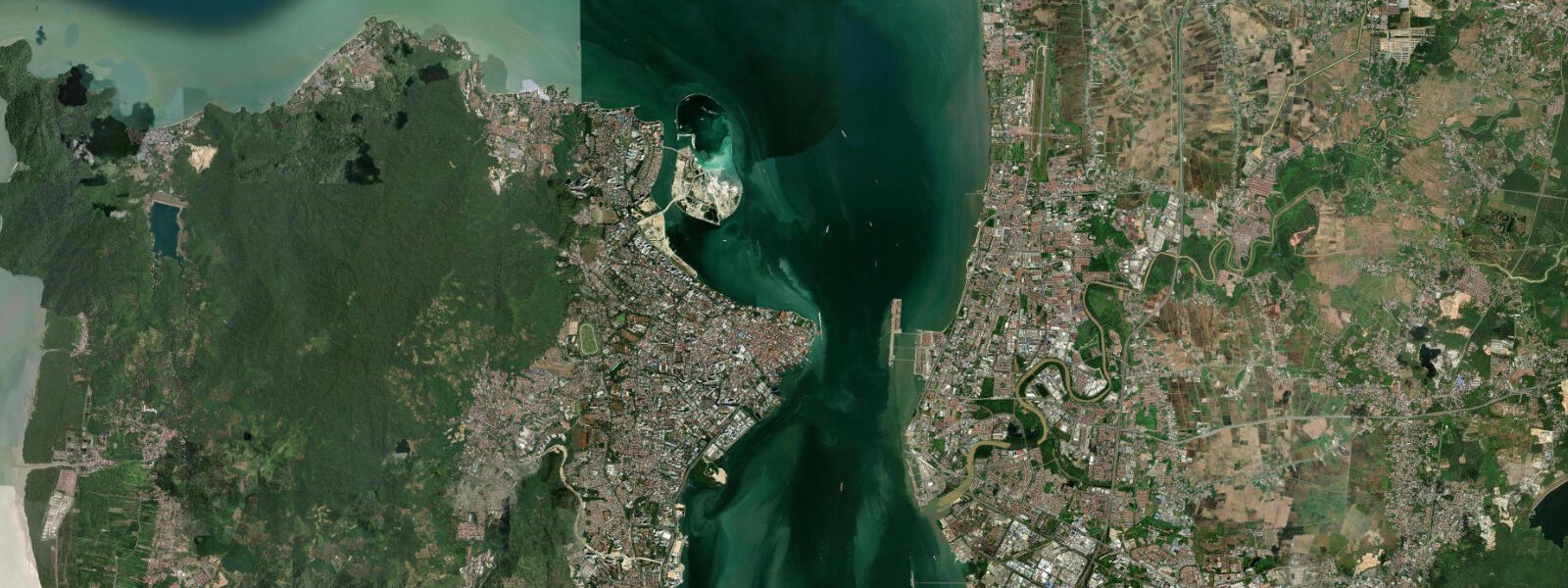
Teluk Bahang, Penang tide times
Teluk Bahang, Penang tide forecast — heights relative to MSL.
Today's tide times for Teluk Bahang, Penang
Tide times at Teluk Bahang, Penang on Tuesday, 4 August 2026: first high tide at 08:00am, first low tide at 09:49am, second high tide at 03:15pm, second low tide at 10:10pm. Sunrise 07:14am, sunset 07:35pm.
Tide chart for Teluk Bahang, Penang
24-hour cosine-interpolated curve around the present moment. Heights relative to MSL. Predictions: Predictions: Open-Meteo Marine (MeteoFrance SMOC, 0.08° grid).
Sun, moon and conditions on Tue 04 Aug
Snapshot at build time — refreshes daily. Sea state from Open-Meteo Marine.
Highs and lows next 7 days
Every predicted high and low for the next week, with the daily tidal coefficient (0–120; higher = bigger swing, > 95 means stronger currents).
Other spots nearby
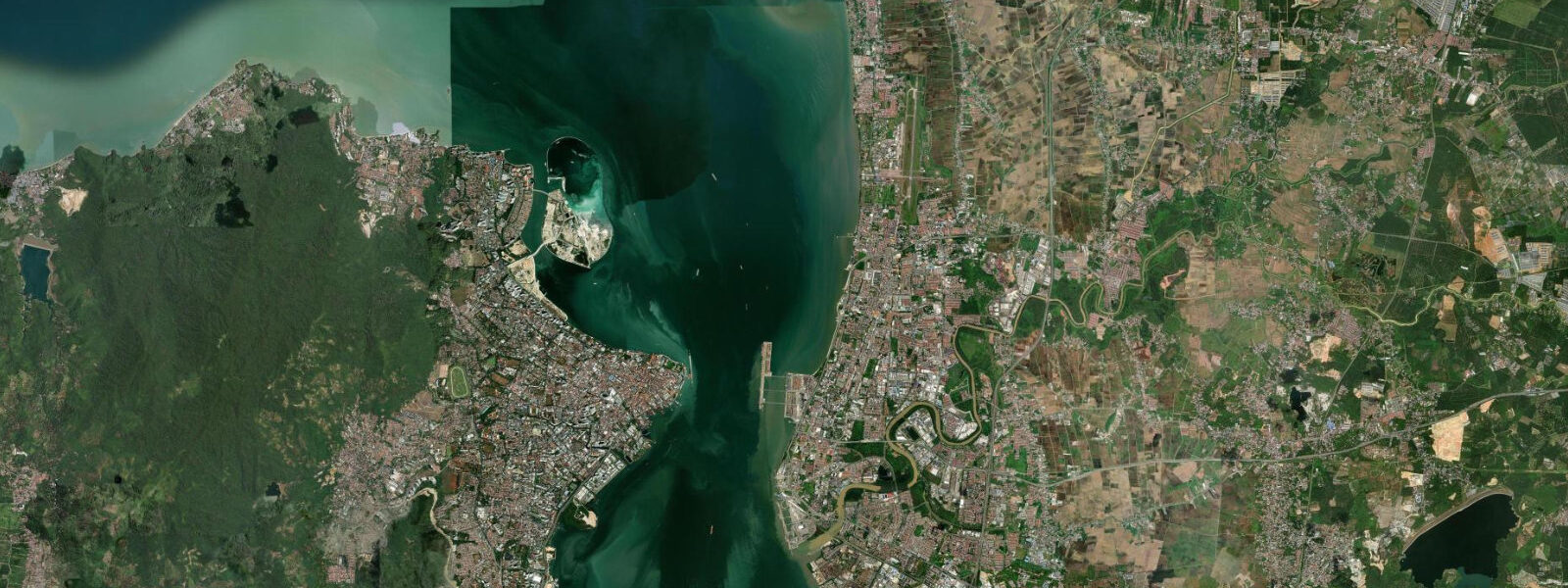
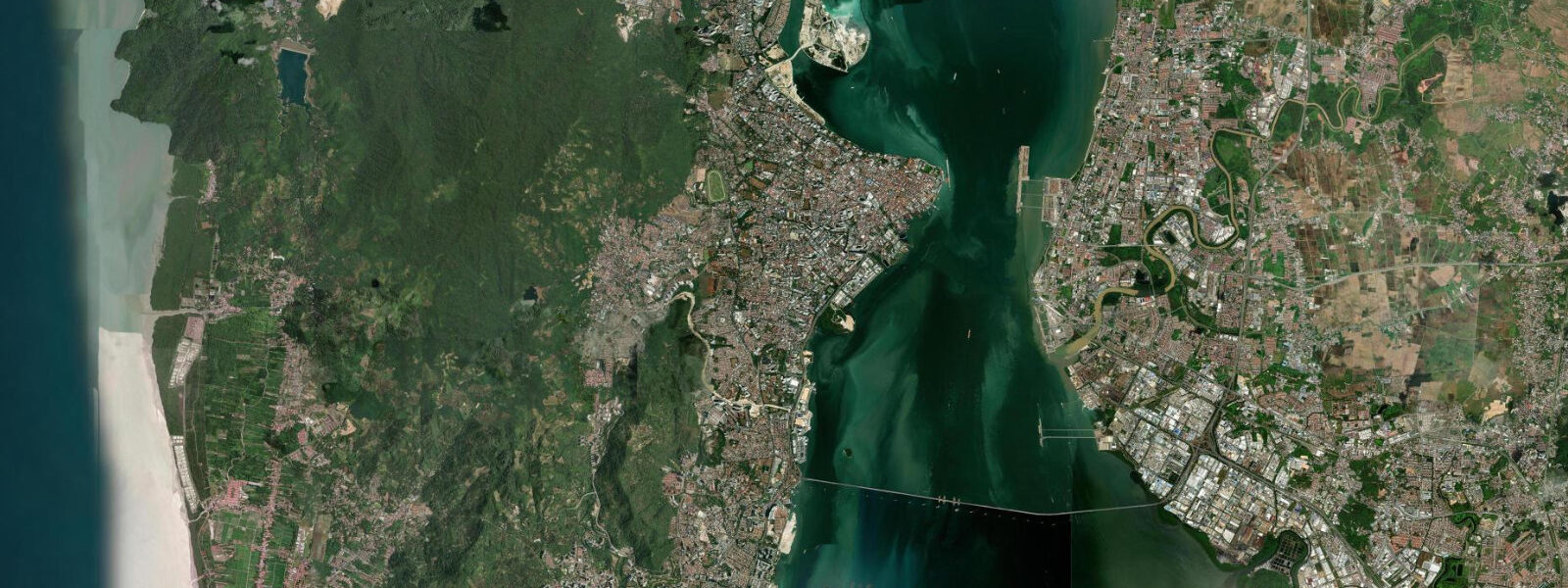
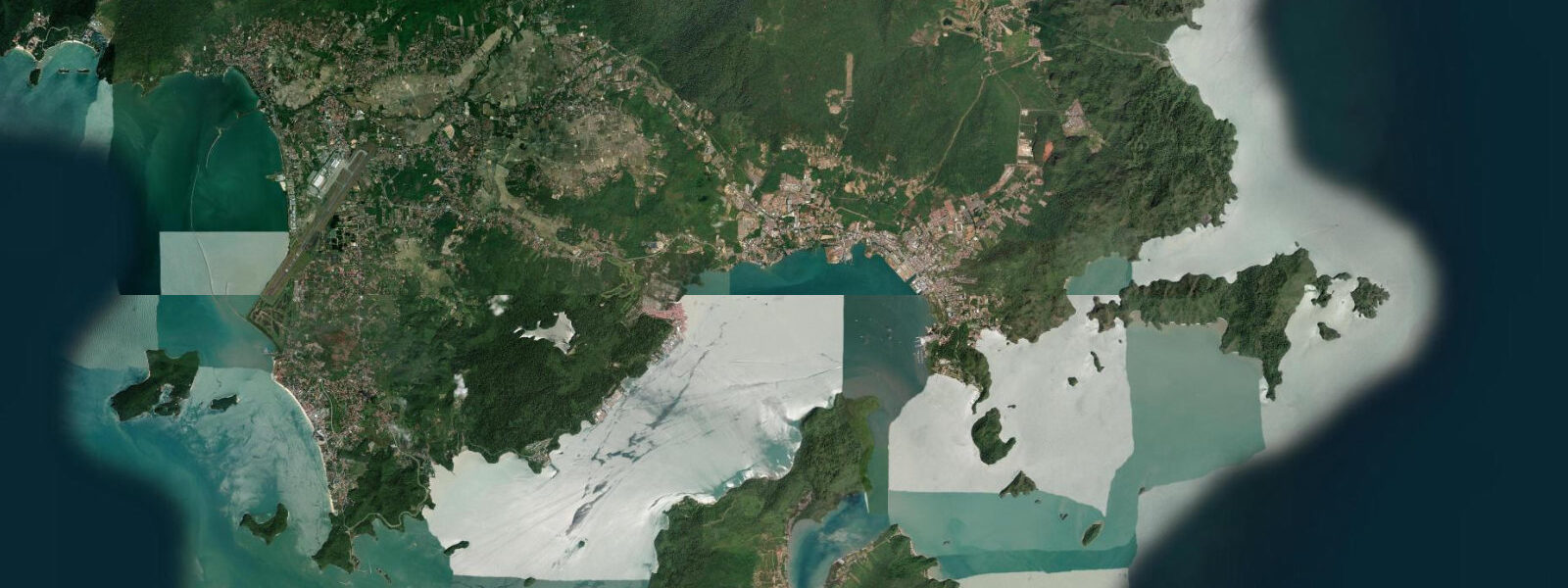
The three closest curated TideTurtle locations to Teluk Bahang, Penang, measured by great-circle distance.
Today's solunar windows
Solunar tradition: major periods are the ≈3h windows around moon transit and opposition; minor are ≈2h around moonrise and moonset. Pair with the local tide stage and wind for the best read.
Cycle dates near Teluk Bahang, Penang
Last spring tide on Tue 04 Aug (range 1.6m). Next spring tide on Mon 10 Aug (range 1.5m). Next neap on Fri 07 Aug.
Spring tides cluster around new and full moons (biggest swings). Neap tides land on quarter moons (smallest swings). See the spring tide and neap tide glossary entries for the why.
About tides at Teluk Bahang, Penang
A short guide to the coastline at Teluk Bahang, Penang — geography, sea state, and what the tide is actually doing under your feet.
Teluk Bahang occupies the northwestern tip of Penang Island, where the road runs out and the national park begins. The village is a working fishing settlement — boats moored at the jetty, nets drying in the compound, the smell of the catch in the morning air — and it doubles as the gateway to one of peninsular Malaysia's least-developed coastlines. Penang National Park starts at the end of the paved road and continues west along a forested coast that is otherwise reachable only on foot or by boat.
The tidal regime here is the same Strait of Malacca diurnal pattern that governs the whole of Penang's west coast: one dominant high and one dominant low per day, with a secondary cycle of smaller amplitude. Mean range on spring tides runs 2.5 to 3.5 m. The consequences of that range are more significant here than at the resort beaches to the east, because the national park's trail network crosses several small streams that connect to the sea — and those crossings change character entirely between high and low water.
The main coastal trail from Teluk Bahang leads to two beaches: Monkey Beach, officially Pantai Kerachut, and Turtle Beach (Pantai Kerachut's turtle nesting section is sometimes called Turtle Beach in guides, but the nesting area is formally the Kerachut Marine Turtle Sanctuary). Behind Pantai Kerachut sits the Kerachut Lake, a meromictic lake — meaning its fresh and saltwater layers do not mix — that is one of only a few such lakes in Malaysia. The lake drains to the beach through a small channel that becomes effectively impassable when spring high tides back the sea up into the drainage. Plan trail crossings for within two hours of low water on spring days; neap tides are more forgiving.
The trail itself is a forest path, not a beach walk — it climbs two substantial ridges between Teluk Bahang and Monkey Beach, a 3.5 km route. The stream crossings are at the low points where the trail descends to beach level. In dry season they run ankle-deep at low water. In the northeast monsoon (October to March) or after heavy rain, the same crossings can be knee-deep even at low water, and impassable at high water on spring days when the sea encroaches 50 to 100 m inland up the stream channels. Rangers at the park entrance post advice on current crossing conditions; ask before you leave.
Green turtles (Chelonia mydas) nest on the beach at Pantai Kerachut from around May to September, with peak nesting activity through June and July. Nesting takes place at night, at or above the high-water line — the turtles orient to the upper beach by the receding tide. Hatchlings emerge after 50 to 60 days and orient to the sea by detecting the horizon light. Nest protection rangers operate during nesting season; access to the nesting section of the beach is managed and restricted at night. Daytime visits are unrestricted.
For anglers: the shoreline from Teluk Bahang around the national park headlands holds grouper, snapper, and barramundi on the flood tide. Shore fishing from the Teluk Bahang Jetty is productive on the incoming tide in the early morning. The jetty also marks the departure point for boat trips into the park — the service is informal, run by local boat operators, and the boats navigate to Monkey Beach and Turtle Beach rather than walking the trail. At high water the boats can approach the beach directly; at low spring water the beach gradient at Monkey Beach is shallow and the skipper anchors further out, meaning a short wade. Departure times are partly negotiable around the tidal state — the operators know the beaches and will advise the best window for each destination.
SUP and kayak paddlers who want to access the park's coast from the water: the sheltered bay in front of Teluk Bahang village is manageable at most states of tide. The open coast beyond the headland to the west is exposed on northeast monsoon days and should be avoided in rough conditions. The meromictic Kerachut Lake is accessible by paddling up the outlet channel on a rising tide or at high water — a genuinely unusual experience. At low water the channel shallows to under 0.2 m and is not navigable by paddle craft.
Photographers: the pre-dawn light on the beach at Pantai Kerachut, with forest coming down to the sand and no resort infrastructure, is one of the few accessible wild-beach dawn shots remaining on Penang Island. Time arrival for the end of the boat trip — depart Teluk Bahang about 45 minutes before first light on a rising tide for the best access.
Tide data for Teluk Bahang, Penang comes from the Open-Meteo Marine API, a gridded model product. Timing accuracy is ±45 minutes, height accuracy ±0.3 m — usable for trip planning, not for navigation.
Tide questions about Teluk Bahang, Penang
Quick answers to the most common questions about tide times, range, and water access at Teluk Bahang, Penang.
Can I hike the coastal trail in Penang National Park at any time of day?
The trail is open during park hours — typically 07:00 to 18:00 — but the timing of your walk matters because of the stream crossings between Teluk Bahang and Pantai Kerachut. On spring tides, with a mean range of 2.5 to 3.5 m, the sea backs up into the drainage channels and makes crossings impassable around high water. Plan to reach the crossings within two hours of low water. The park rangers at the Teluk Bahang entrance post daily advice on crossing conditions; check with them before setting off. On neap tides the crossings are significantly easier and the tidal window is less critical.
How do I get to Monkey Beach from Teluk Bahang — hike or boat?
Both. The trail is 3.5 km over two ridges, taking 1.5 to 2 hours each way, with stream crossings that are tide-dependent. Boat hire from Teluk Bahang Jetty takes about 15 minutes and costs a negotiated rate with the local operators. Boats are a practical option on spring high tides when the stream crossings are difficult, or if you want to be at the beach without committing to the full trek. At high water, boats approach the beach directly. At low spring water the beach gradient shallows and the skipper may anchor short of the sand — expect a short wade of up to 30 m in knee-deep water. Confirm departure timing with the operator on the day.
When do green turtles nest at Pantai Kerachut?
Green turtle nesting at Pantai Kerachut runs from approximately May to September, peaking in June and July. The turtles come ashore at night, typically on the high-tide push, and excavate nests above the high-water line. Hatchlings emerge after 50 to 60 days. The marine turtle sanctuary section of the beach is managed by rangers during nesting season — night access is restricted and controlled. Daytime visits during nesting season are permitted on the main beach. Do not use torches or phone lights on the beach at night during nesting season; the turtles are sensitive to artificial light sources during the approach.
What is the meromictic lake at Pantai Kerachut, and when can I visit it?
Tasik Kerachut — Kerachut Lake — sits in a depression behind the beach at Pantai Kerachut, separated from the sea by the beach berm. It is meromictic, meaning its upper freshwater layer and lower saltwater layer remain permanently stratified without mixing, because the density difference is enough to resist seasonal circulation. The result is an unusual ecosystem. The lake is accessible on foot from the beach — a five-minute walk through the fringe vegetation. Paddling into the lake is possible via the outlet channel at high water or on the flood; at low spring water the channel drains to under 0.2 m depth and is not navigable. The lake surface is open year-round during park hours.
Is shore fishing productive from Teluk Bahang Jetty?
Yes. The jetty at Teluk Bahang is a working fishing pier and produces results on the incoming tide, particularly in the two hours before high water when baitfish push into the bay. Grouper, snapper, and queenfish are the main catches from the jetty and nearby shoreline. Early morning — from 05:30 to 08:00 — is the most productive window if it overlaps with the flood. The area beyond the jetty toward the national park headland holds bottom fish at low water, when the current slackens and bait sits on structure. No permit is required for recreational fishing from the jetty. Boat fishing into the park's coastal waters is subject to national park regulations; check at the park entrance before heading out.
8-day tide table — Teluk Bahang, Penang
Heights relative to MSL. Predictions: Open-Meteo Marine (MeteoFrance SMOC, 0.08° grid) — heights relative to MSL (not chart datum / LAT). Model-derived.
| Day | Type | Time | Height |
|---|---|---|---|
| Tue 04 Aug | High | 08:00 | 0.2m |
| Low | 09:49 | -0.1m | |
| High | 15:15 | 1.3m | |
| Low | 22:10 | -0.3m | |
| Wed 05 Aug | High | 04:00 | 1.2m |
| Low | 10:23 | 0.0m | |
| High | 15:51 | 1.2m | |
| Low | 22:43 | -0.1m | |
| Thu 06 Aug | High | 04:47 | 1.2m |
| Low | 11:14 | 0.2m | |
| High | 16:40 | 1.1m | |
| Low | 23:20 | 0.1m | |
| Fri 07 Aug | High | 05:42 | 1.2m |
| Low | 12:36 | 0.4m | |
| High | 17:55 | 0.9m | |
| Sat 08 Aug | — | ||
| Sun 09 Aug | Low | 02:40 | 0.4m |
| High | 09:36 | 1.2m | |
| Low | 16:43 | 0.1m | |
| Mon 10 Aug | High | 10:47 | 1.4m |
| Low | 17:47 | -0.1m | |
| High | 23:42 | 1.1m | |
| Tue 11 Aug | Low | 05:40 | 0.1m |