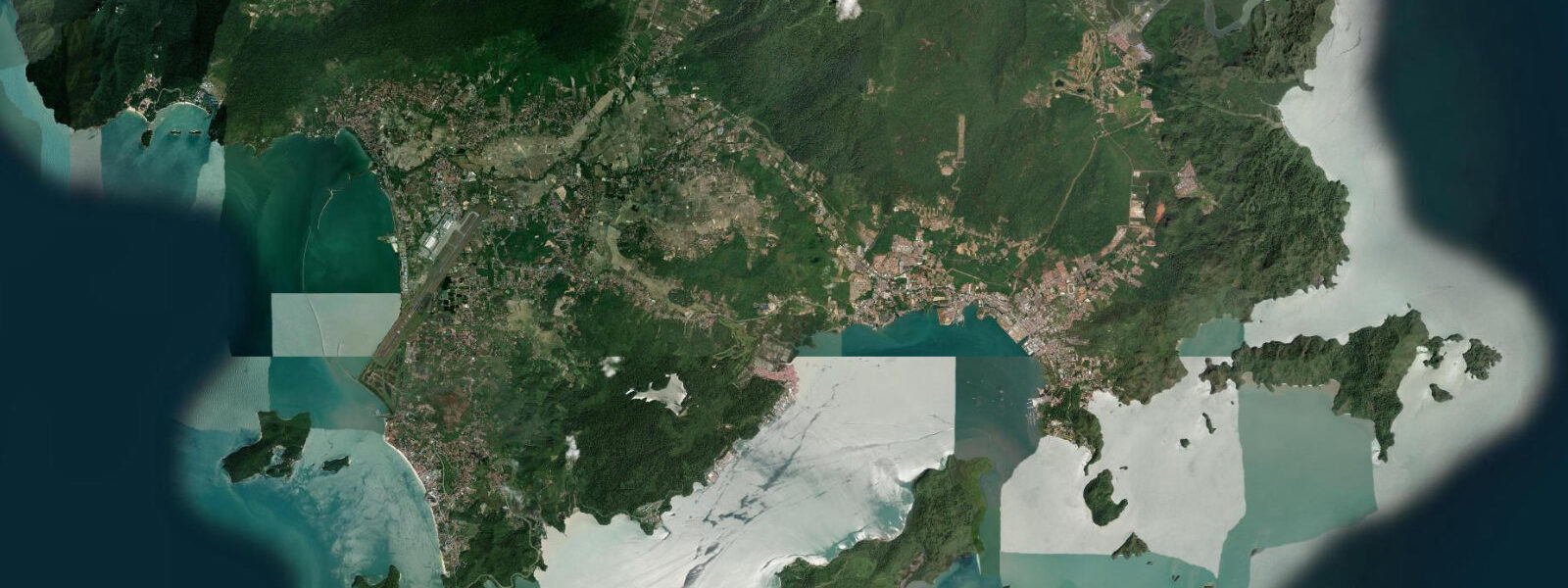
Langkawi tide times
Langkawi tide forecast — heights relative to MSL.
Today's tide times for Langkawi
Tide times at Langkawi on Wednesday, 29 July 2026: first low tide at 08:00am, first high tide at 11:49am, second low tide at 06:23pm. Sunrise 07:15am, sunset 07:39pm.
Tide chart for Langkawi
24-hour cosine-interpolated curve around the present moment. Heights relative to MSL. Predictions: Predictions: Open-Meteo Marine (MeteoFrance SMOC, 0.08° grid).
Sun, moon and conditions on Wed 29 Jul
Snapshot at build time — refreshes daily. Sea state from Open-Meteo Marine.
Highs and lows next 7 days
Every predicted high and low for the next week, with the daily tidal coefficient (0–120; higher = bigger swing, > 95 means stronger currents).
Other spots nearby
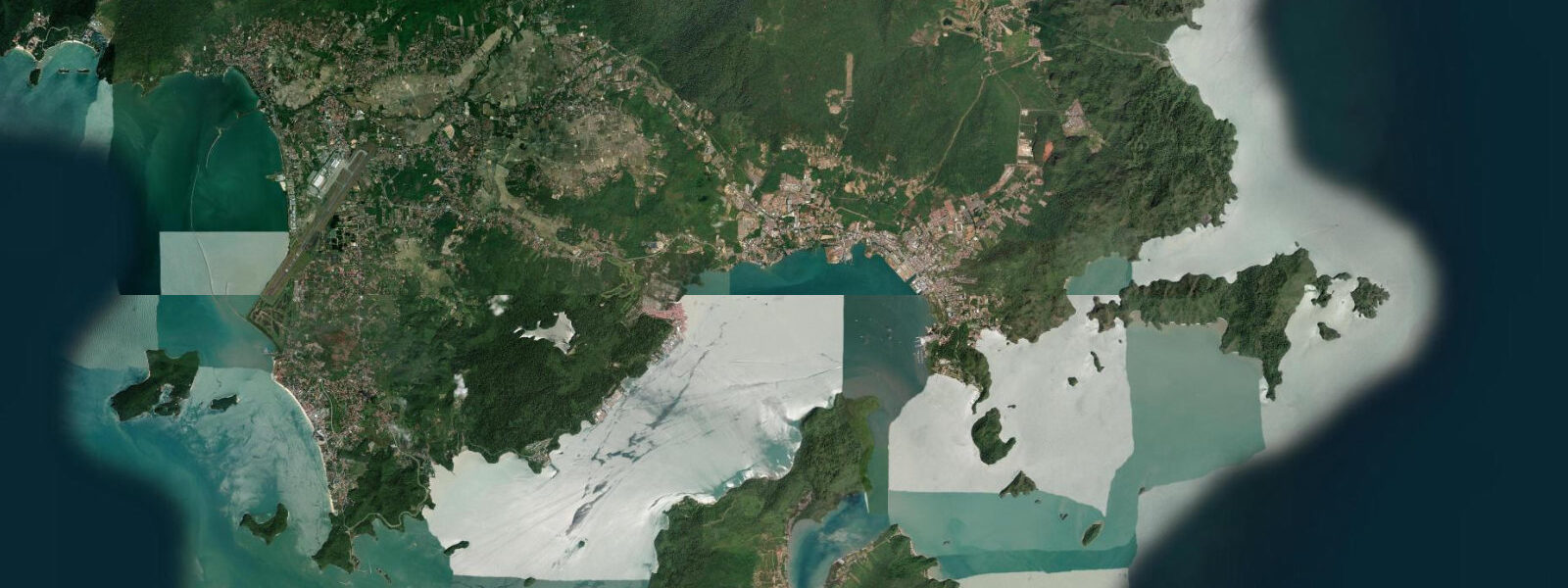
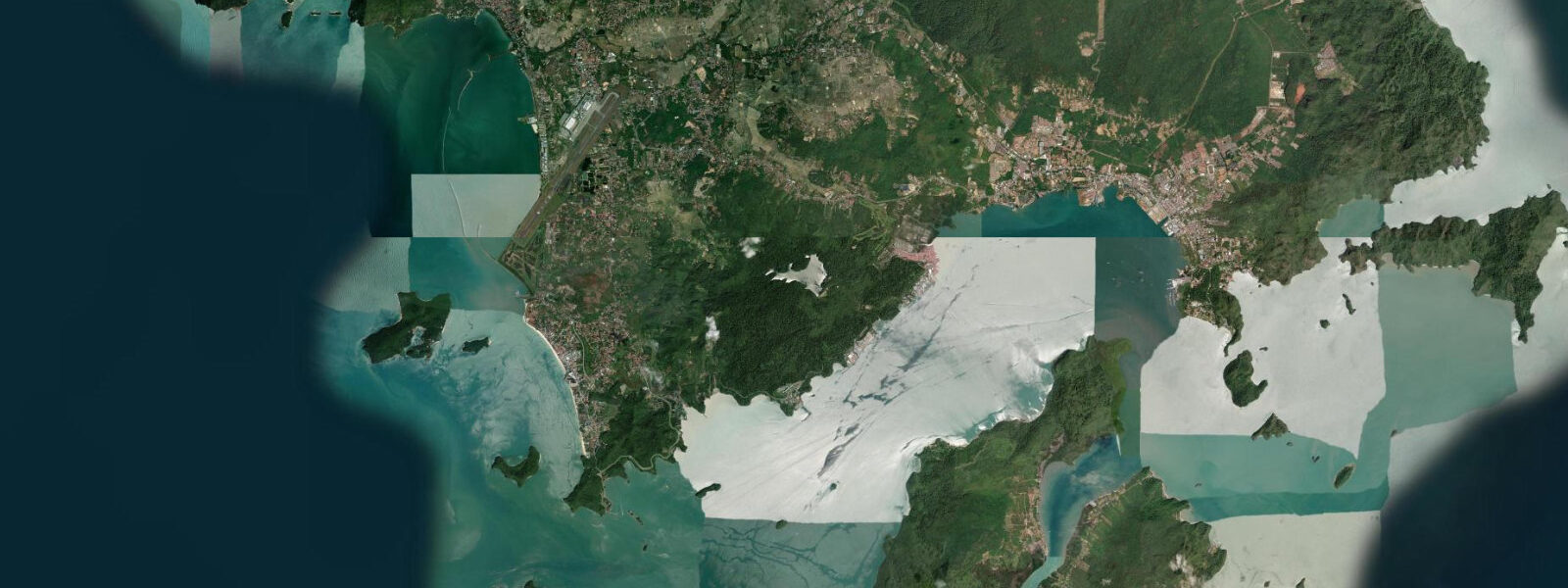
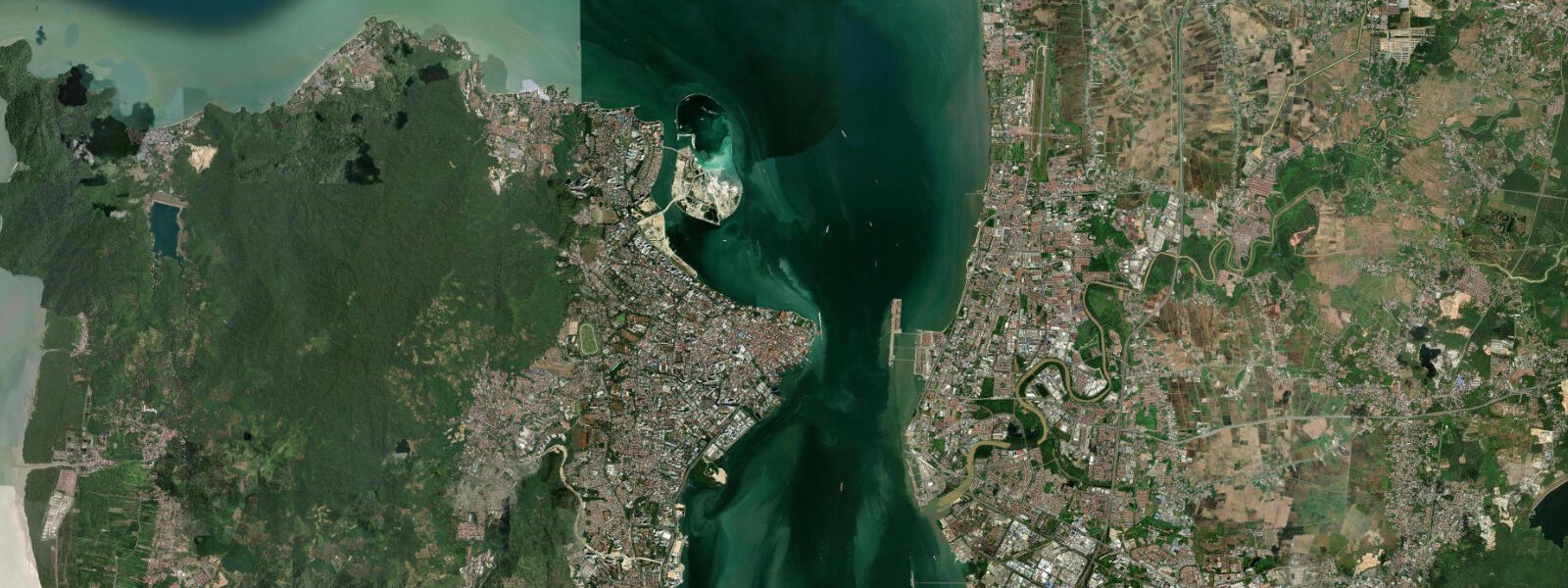
The three closest curated TideTurtle locations to Langkawi, measured by great-circle distance.
Today's solunar windows
Solunar tradition: major periods are the ≈3h windows around moon transit and opposition; minor are ≈2h around moonrise and moonset. Pair with the local tide stage and wind for the best read.
Cycle dates near Langkawi
Next spring tide on Sat 01 Aug (range 2.2m). Last neap on Wed 29 Jul. Next neap on Tue 04 Aug.
Spring tides cluster around new and full moons (biggest swings). Neap tides land on quarter moons (smallest swings). See the spring tide and neap tide glossary entries for the why.
About tides at Langkawi
A short guide to the coastline at Langkawi — geography, sea state, and what the tide is actually doing under your feet.
Langkawi is the largest of a 99-island archipelago in the Andaman Sea off the northwestern coast of Peninsular Malaysia, sitting in Kedah state about 30 kilometres from the Thai border. The archipelago is a mix of limestone karst, granite headlands, and mangrove-lined channels, and the coast is more directly exposed to the open Andaman Sea than the sheltered George Town side of the Strait of Malacca to the south. That exposure shows up in the tide signature.
5 on neaps. Two highs and two lows about twelve and a half hours apart, with the swing meaningfully larger than Penang's because the Andaman exposure carries more open-ocean tidal energy than the funnelled strait. Kuah jetty on the southeastern coast of Pulau Langkawi is the main ferry hub, handling the high-speed boats from Kuala Perlis on the Kedah mainland and the longer crossing from Penang.
Cargo and yacht traffic share the Kuah anchorage with the local fishing fleet, and the night ferry departures from Kuala Perlis time their arrivals to favourable tide for the Kuah berth. The eastern coast of the island runs into the Kilim Geoforest Park, where the limestone karst lagoons and mangrove channels are tidally driven — the eagle-feeding tour boats, the bat-cave at Gua Kelawar, and the longtail-boat passages through the karst all work the rising and falling water. Some of the lagoon entrances are passable only at half-tide and above, and the boat captains read the daily prediction the way bus drivers read a route timetable.
The Tanjung Rhu mangrove channels at the northeastern tip of the island run a similar pattern, with the longtail and kayak operators timing their inner-channel passes to the rising water. On the western coast, Pantai Cenang is the main beach strip and the local sailing and parasailing centre; the wide gentle sand reveals about 50 to 80 metres of shore exposure between high and low water on a typical spring tide, and the late-afternoon low-tide window is when the hawker stalls and beach restaurants set up the widest perimeter on the open sand. Pulau Dayang Bunting, the second-largest island in the archipelago south of Pulau Langkawi, contains the Lake of the Pregnant Maiden — a freshwater lake separated from the sea by a thin limestone wall, reachable only by boat from Pantai Cenang or Kuah, and the boat operators time the crossing to favourable tide and wind across the open channel between the islands.
The Mahsuri tomb at Kampung Mawat is one of the oldest cultural sites on the island, a memorial to the legendary 18th-century princess whose curse local lore credits with seven generations of misfortune that the island only began shedding in the modern era. The Telaga Tujuh seven-wells waterfall on the northwestern coast feeds the same forest river system that drains to the western beaches at low tide. Anglers work the channel between Pulau Tuba and Pulau Dayang Bunting for grouper and snapper on the change of tide, and the Pulau Payar Marine Park snorkelling reefs about 30 km south of Langkawi are tide-sensitive: the boat operators target the slack-water windows between flood and ebb when the visibility on the reef peaks.
Shore foragers along the Seberang Perai mudflats opposite to the eastern coast walk the exposed banks at spring lows for clams and the same tropical mud crabs that the western Penang coast is known for. The predictions on this page come from Open-Meteo Marine, a free gridded global ocean model. The model estimates tidal height from oceanographic equations applied across a geographic grid rather than from harmonic analysis of a measured gauge record.
3 metres on height — small relative to Langkawi's two-and-a-half metre mean swing. For navigation-grade tide data, the Department of Survey and Mapping Malaysia (JUPEM) and the National Hydrographic Centre publish the authoritative Malaysian tide tables for the Andaman Sea coast.
Tide questions about Langkawi
Quick answers to the most common questions about tide times, range, and water access at Langkawi.
When is the next high tide at Langkawi?
The hero block at the top of this page shows the next predicted high at Langkawi in local Malaysia Standard Time (MYT, UTC+8, no daylight-saving). For the full week, scroll to the 7-day table. Predictions come from Open-Meteo Marine, a gridded global ocean model. For authoritative Langkawi tide data and navigation-grade tables, the Department of Survey and Mapping Malaysia (JUPEM) and the National Hydrographic Centre operate the official Malaysian coastal gauge network and publish the definitive tide tables for the Andaman Sea coast.
What's the typical tide range at Langkawi?
Mean astronomical range at Langkawi is roughly 2.0 to 2.7 metres above chart datum — meaningfully larger than Penang and George Town to the south because the Andaman Sea exposure carries more open-ocean tidal energy than the funnelled Strait of Malacca. Spring tides around new and full moons can push the range past 3.0 metres; neap tides during the quarter moons compress toward 1.5 metres. The pattern is semidiurnal — two highs and two lows of comparable size each day, about twelve and a half hours apart.
Where do these tide predictions come from?
Open-Meteo Marine, a free gridded global ocean model that estimates tidal height across a geographic grid. Accuracy is typically within plus or minus 45 minutes on timing and within roughly 0.3 metres on height. For Langkawi's two-and-a-half metre mean swing the gridded uncertainty is small relative to the actual signal, but for navigation, port operations, and any activity where precise water level matters, the Department of Survey and Mapping Malaysia (JUPEM) and the National Hydrographic Centre are the authoritative sources.
When is the best tide for the Kilim Geoforest Park boat tour?
The mangrove channels and limestone karst lagoons of the Kilim Geoforest Park on the eastern coast are tidally driven. Some of the lagoon entrances at Gua Kelawar (the bat cave) and the inner mangrove passages are passable only at half-tide and above, and the longtail-boat operators read the daily table closely. The most reliable window is from about two hours before high water through the high and into the first hour of the ebb — roughly a four-hour bracket. Avoid the lowest spring lows around new and full moons if the operator is taking you to the inner cave system. Check the 7-day table on this page for the predicted highs and confirm with the boat operator before booking.
Is this safe to use for navigation?
No. For ferry operations between Kuah and Kuala Perlis or Penang, yacht navigation through the archipelago, and any commercial transit through the Andaman Sea approaches to the Strait of Malacca, use the official Malaysian Admiralty tide tables published by the Department of Survey and Mapping Malaysia (JUPEM) and the National Hydrographic Centre. The Open-Meteo Marine gridded predictions on this page are useful for daily activity planning but do not replace gauge-calibrated harmonic data for navigation.
8-day tide table — Langkawi
Heights relative to MSL. Predictions: Open-Meteo Marine (MeteoFrance SMOC, 0.08° grid) — heights relative to MSL (not chart datum / LAT). Model-derived.
| Day | Type | Time | Height |
|---|---|---|---|
| Wed 29 Jul | Low | 08:00 | 0.4m |
| High | 11:49 | 1.6m | |
| Low | 18:23 | -0.3m | |
| Thu 30 Jul | High | 00:19 | 1.3m |
| Low | 06:10 | -0.2m | |
| High | 12:20 | 1.7m | |
| Low | 18:55 | -0.4m | |
| Fri 31 Jul | High | 00:49 | 1.4m |
| Low | 06:43 | -0.2m | |
| High | 12:52 | 1.8m | |
| Low | 19:22 | -0.4m | |
| Sat 01 Aug | High | 01:18 | 1.4m |
| Low | 07:16 | -0.2m | |
| High | 13:16 | 1.8m | |
| Low | 19:53 | -0.5m | |
| Sun 02 Aug | High | 01:45 | 1.4m |
| Low | 07:52 | -0.2m | |
| High | 13:46 | 1.7m | |
| Low | 20:20 | -0.5m | |
| Mon 03 Aug | High | 02:13 | 1.4m |
| Low | 08:24 | -0.2m | |
| High | 14:13 | 1.5m | |
| Low | 20:48 | -0.4m | |
| Tue 04 Aug | High | 02:43 | 1.4m |
| Low | 08:58 | -0.2m | |
| High | 14:43 | 1.4m | |
| Low | 21:18 | -0.3m | |
| Wed 05 Aug | High | 03:18 | 1.3m |
| Low | 07:00 | 0.4m |