Jūrmala tide times
Jūrmala tide forecast — heights relative to MSL.
Today's tide times for Jūrmala
Tide times at Jūrmala on Tuesday, 4 August 2026: first low tide at 11:00am, first high tide at 08:00pm. Sunrise 05:27am, sunset 09:33pm.
Tide chart for Jūrmala
24-hour cosine-interpolated curve around the present moment. Heights relative to MSL. Predictions: Predictions: Open-Meteo Marine (MeteoFrance SMOC, 0.08° grid).
Sun, moon and conditions on Tue 04 Aug
Snapshot at build time — refreshes daily. Sea state from Open-Meteo Marine.
Highs and lows next 7 days
Every predicted high and low for the next week, with the daily tidal coefficient (0–120; higher = bigger swing, > 95 means stronger currents).
Other spots nearby
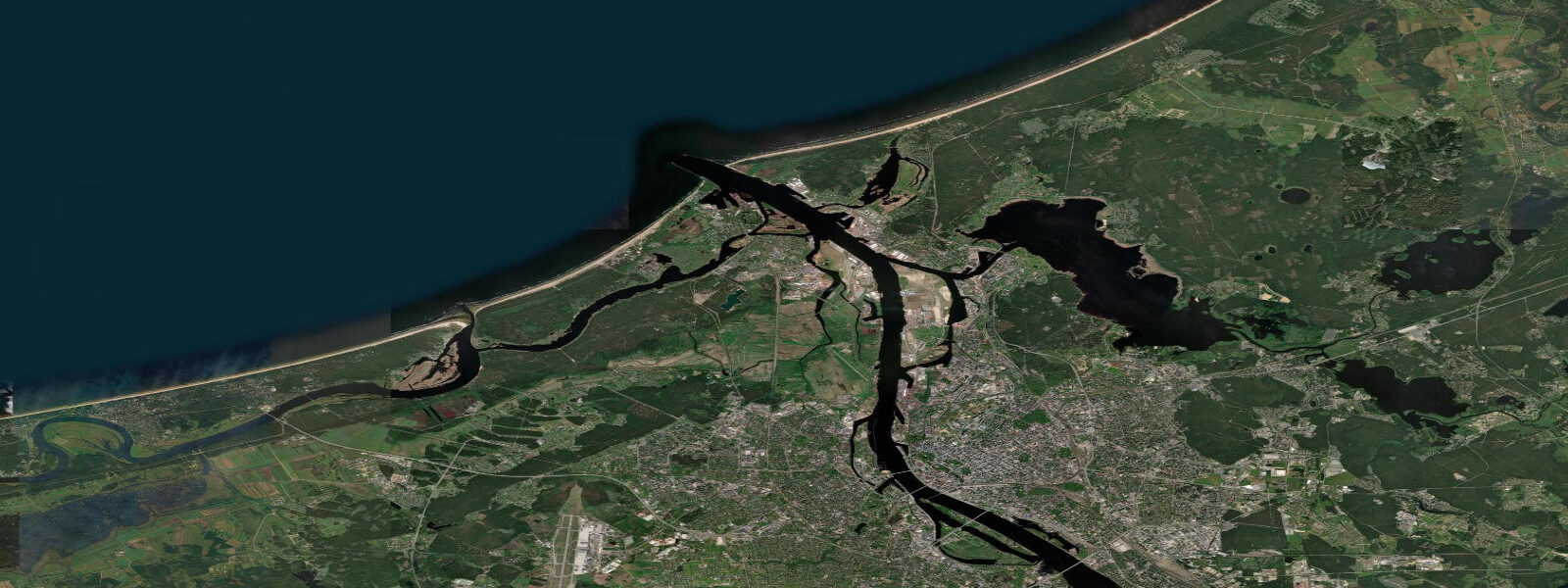
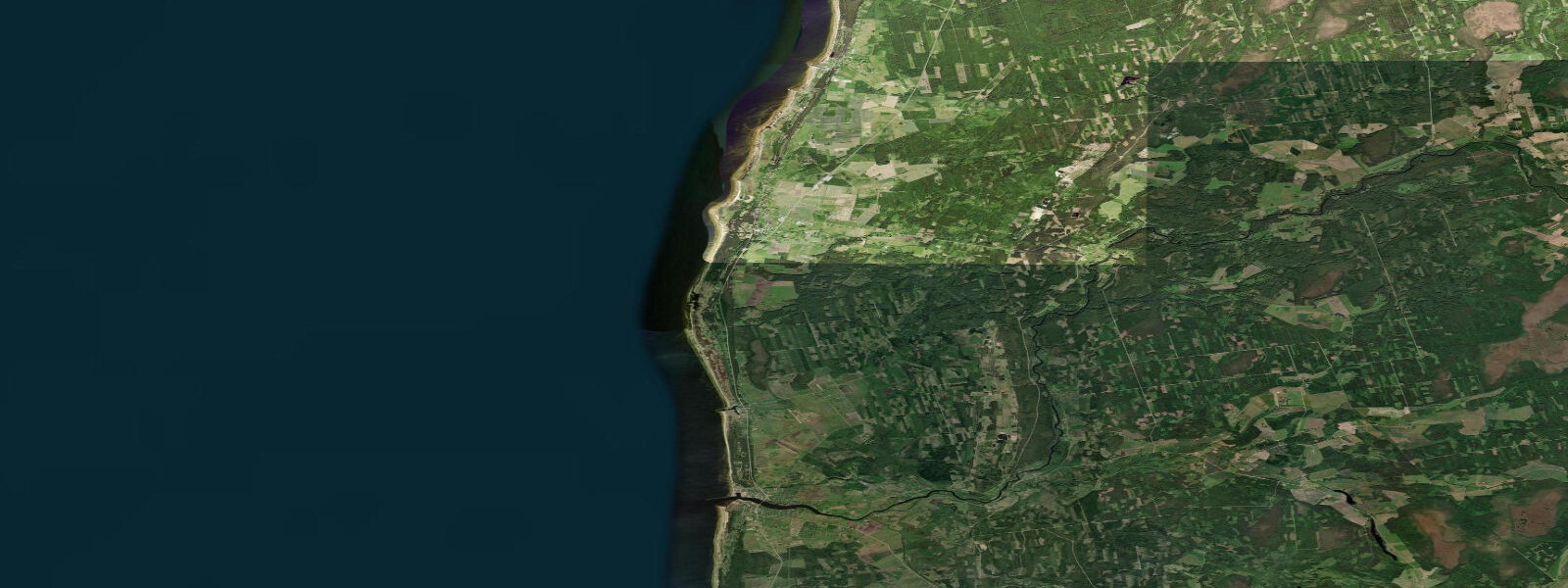
The three closest curated TideTurtle locations to Jūrmala, measured by great-circle distance.
Today's solunar windows
Solunar tradition: major periods are the ≈3h windows around moon transit and opposition; minor are ≈2h around moonrise and moonset. Pair with the local tide stage and wind for the best read.
About tides at Jūrmala
A short guide to the coastline at Jūrmala — geography, sea state, and what the tide is actually doing under your feet.
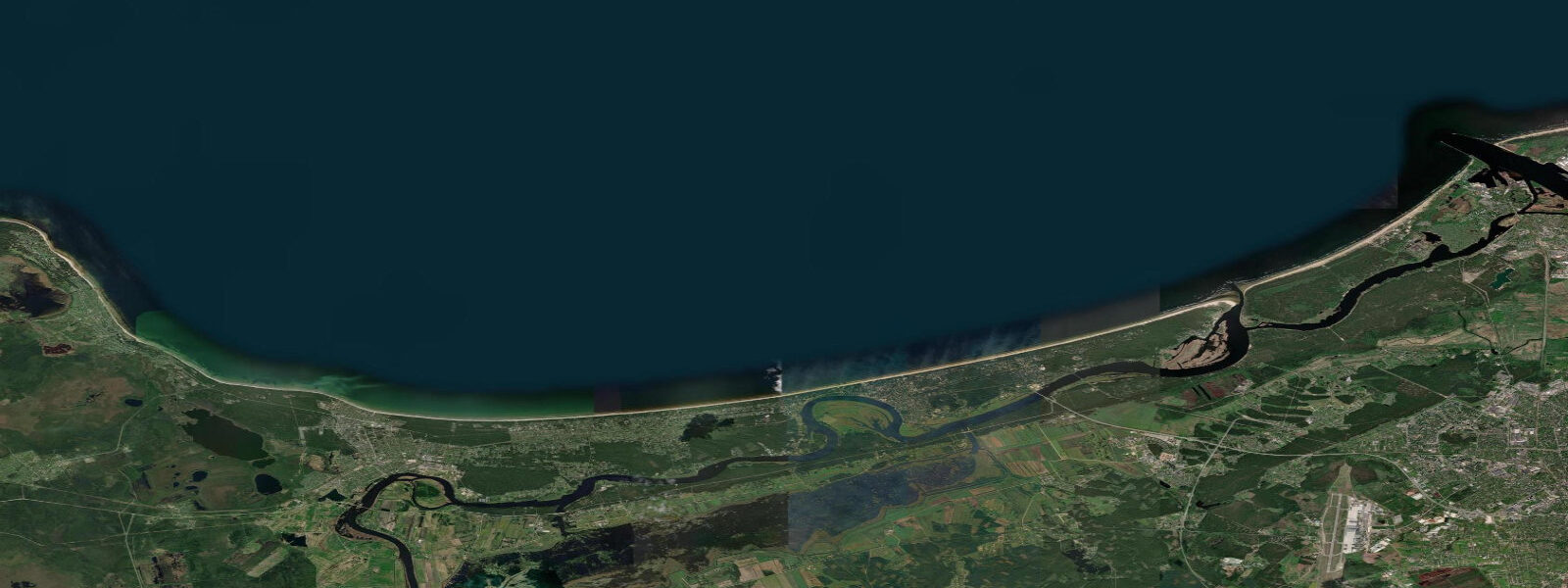
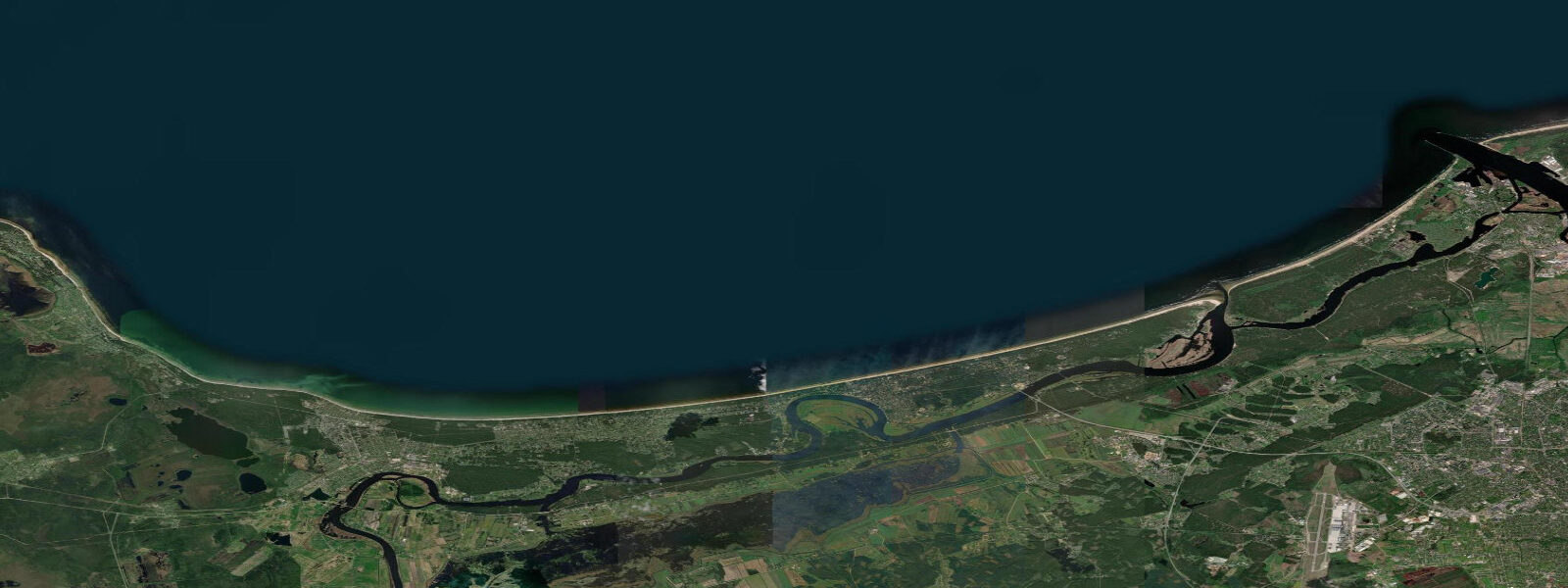
Jūrmala is Latvia's primary beach resort, strung along 33 km of white-sand beach on the narrow peninsula that separates the Lielupe River from the Gulf of Riga. The name simply means 'seashore' in Latvian, and the town has functioned as the Baltic coast resort for Riga's population since the 19th century, when the tsarist aristocracy built wooden summer villas here. Many of those ornate wooden houses survive in the Majori and Dzintari districts, alongside Soviet-era sanatoriums and a newer generation of luxury hotels.
The beach at Jūrmala is one of the finest in the eastern Baltic: 33 km of near-continuous fine white sand, 40–80 m wide in places, backed by pine forest. The Gulf of Riga is shallower and warmer than the open Baltic — sea temperatures in the Gulf peak at 19–22 °C in late July, 3–5 °C warmer than the open Baltic coast at the same latitude. The water clarity varies; after westerly storm events, the shallow Gulf resuspends bottom sediment and visibility drops.
Tidal range at Jūrmala is 2–5 cm — negligible. Water level on the beach is controlled by wind. A sustained westerly across the Gulf pushes water against the eastern shore and Jūrmala's beach faces east-northeast, so the fetch for a westerly is across the full width of the Gulf (100–120 km). Wind-driven setup can raise the waterline by 0.3–0.8 m above the calm-weather position. In practice, Jūrmala swimmers experience this as a wider or narrower beach and higher or lower wave energy rather than as a tidal cycle: there is no predictable daily rhythm, just weather.
The beach faces northeast across the Gulf, which means it catches the morning light fully. Sunrise from Jūrmala beach in summer (first light around 04:15 in June) is a strong photography draw. The soft white sand and pine forest backdrop appear as the light angle flattens in the first hour after sunrise. Late afternoon the beach is in shadow from the pine tree line on its western edge; the best landscape light is morning.
For families, Jūrmala is a practical summer destination. The beach is wide, the sand is fine and clean, and the Gulf water is warmer and calmer than the open Baltic. The gentle beach gradient means the swim zone is 15–20 m from the waterline before reaching 1.0 m depth — safe for supervised children. Lifeguard coverage operates at the main Majori and Dzintari sections in July and August. The pine forest immediately behind the beach provides shade for hot-day retreats.
Seasonal water level at Jūrmala shows a persistent pattern beyond the day-to-day wind variability: spring (April–May) water levels in the Gulf of Riga tend to run 0.2–0.3 m higher than the annual mean due to reduced saline inflow from the Baltic during snowmelt-dominated Baltic freshwater discharge periods. Autumn storm surges (October–November) bring the risk of the highest water events — the combination of strong westerlies and low barometric pressure that has historically pushed the Jūrmala beachfront 1.0–1.5 m above normal.
Anglers at Jūrmala use the beach for flat-fish and perch. Flounder is the most productive beach-casting target on the Gulf shore, worked on a slow bottom rig along the sand-to-grass interface. The estuary mouth of the Lielupe River at the western end of Jūrmala (Lielupe district) provides a productive mixed-habitat fishing zone with sea trout entering on their autumn run.
All tide predictions for Jūrmala come from the Open-Meteo Marine gridded model. Timing accuracy is ±45 minutes; height accuracy is ±0.3 m above Chart Datum. At Jūrmala, the 2–5 cm astronomical tidal range is well within the model's height uncertainty. Wind determines beach and water conditions here; check Latvian LVGMC forecasts for water level alerts.
Tide questions about Jūrmala
Quick answers to the most common questions about tide times, range, and water access at Jūrmala.
Is Jūrmala's beach affected by tides, and what actually changes the waterline?
Jūrmala's astronomical tidal range is 2–5 cm — invisible against the noise of wave action and wind. What changes the waterline is wind. A sustained westerly across the Gulf of Riga, which has a 100–120 km fetch to Jūrmala's east-northeast-facing beach, can push the waterline 0.3–0.8 m higher up the beach within hours. Autumn storm surges have historically raised the Jūrmala beachfront 1.0–1.5 m above the calm-weather position. There is no predictable daily tidal rhythm. Beach width and wave height at Jūrmala follow the weather forecast, not a tide table.
How warm is the Gulf of Riga at Jūrmala and when is the swimming season?
The Gulf of Riga is shallower and measurably warmer than the open Baltic at the same latitude. Jūrmala's sea temperature peaks at 19–22 °C in late July and early August. The swimming season runs mid-June through late August; May and September are swimmable for cold-water tolerant adults but borderline for most. After extended westerly storm events, the shallow Gulf resuspends bottom sediment and water clarity drops significantly for 2–3 days. The Gulf is ice-covered for parts of December through March in average winters; during cold winters the ice extends to the beach.
Is Jūrmala beach safe for children?
Jūrmala is one of the better family beach destinations in the eastern Baltic. The fine sand beach is 40–80 m wide, the gradient is gentle, and the Gulf of Riga is significantly calmer and warmer than the open Baltic coast. Swimming depth of 1.0 m is reached 15–20 m from the waterline. Lifeguard coverage operates at the Majori and Dzintari sections in July and August. The main risk for children is wind-driven wave increase: when westerly wind builds above 15 km/h, wave height on the beach can increase rapidly to 0.5–1.0 m, creating rough shorebreak not suitable for small children. Monitor weather forecasts and exit the water if wind builds.
What is the best time of day to photograph Jūrmala beach?
Jūrmala's beach faces northeast across the Gulf, which means it is front-lit by the low morning sun from first light until approximately 09:00–10:00 in summer. Sunrise in late June is around 04:15 local time — very early, but the soft light on the white sand and the pine forest backdrop is unique at that hour. The beach transitions to harsh midday side-lighting by 10:00 and into shadow from the pine tree line by mid-afternoon. Evening light falls behind the trees and does not reach the beach face. For landscapes: morning. For people on the beach: mid-morning (08:00–10:00) when the light is still warm but people are present.
Can anglers catch flounder from Jūrmala beach?
Flounder (Platichthys flesus) is the primary beach-casting target on Jūrmala's Gulf shore. Bottom rigs with ragworm or mussel bait worked slowly along the sand-to-seagrass interface at 30–60 m casting distance produce the most consistent results. Fishing is best in early morning before swimmers arrive and in the evening after they leave; flat-fish retreat from disturbed sand and are sensitive to beach activity. The Lielupe River estuary at the western end of Jūrmala is more productive for mixed species including sea trout in autumn. There is no tidal phase to time sessions around; wind conditions and time of day are the practical variables.
1-day tide table — Jūrmala
Heights relative to MSL. Predictions: Open-Meteo Marine (MeteoFrance SMOC, 0.08° grid) — heights relative to MSL (not chart datum / LAT). Model-derived.
| Day | Type | Time | Height |
|---|---|---|---|
| Tue 04 Aug | Low | 11:00 | -0.0m |
| High | 20:00 | 0.0m |