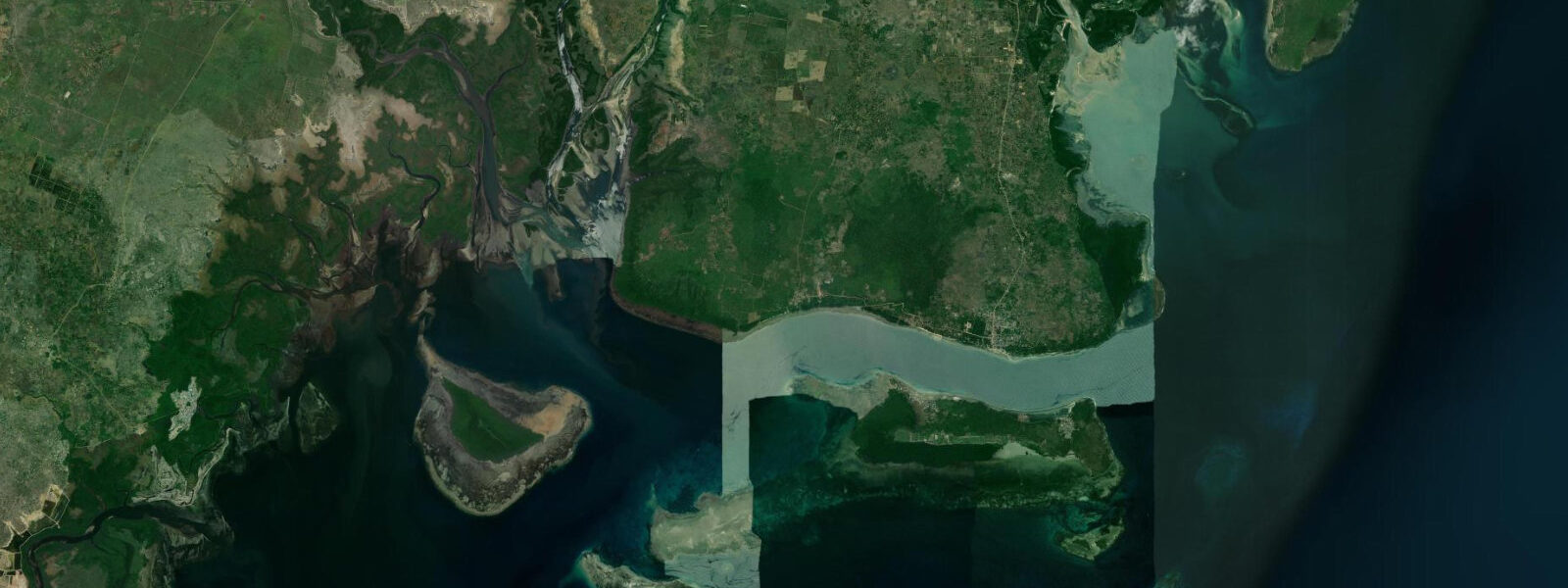
Funzi Island tide times
Funzi Island tide forecast — heights relative to MSL.
Today's tide times for Funzi Island
Tide times at Funzi Island on Tuesday, 4 August 2026: first low tide at 03:00am, first high tide at 06:50am, second low tide at 12:59pm, second high tide at 07:00pm. Sunrise 06:31am, sunset 06:26pm.
Tide chart for Funzi Island
24-hour cosine-interpolated curve around the present moment. Heights relative to MSL. Predictions: Predictions: Open-Meteo Marine (MeteoFrance SMOC, 0.08° grid).
Sun, moon and conditions on Tue 04 Aug
Snapshot at build time — refreshes daily. Sea state from Open-Meteo Marine.
Highs and lows next 7 days
Every predicted high and low for the next week, with the daily tidal coefficient (0–120; higher = bigger swing, > 95 means stronger currents).
Other spots nearby
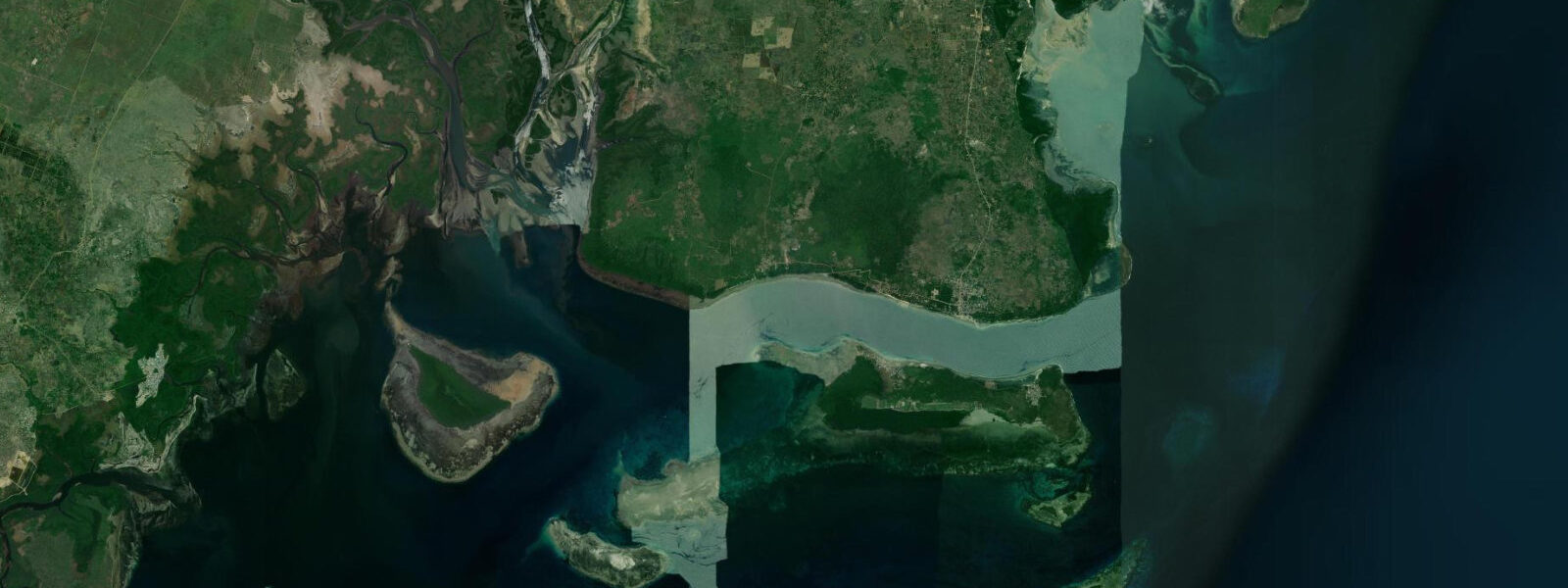
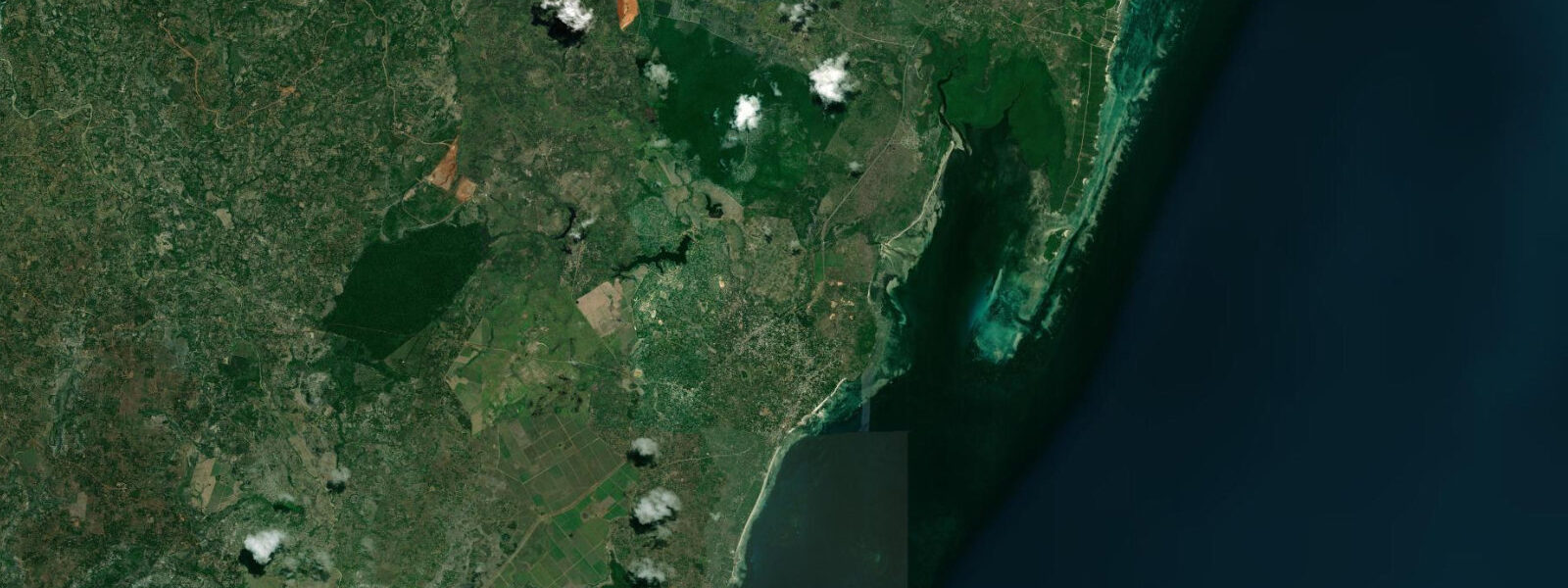
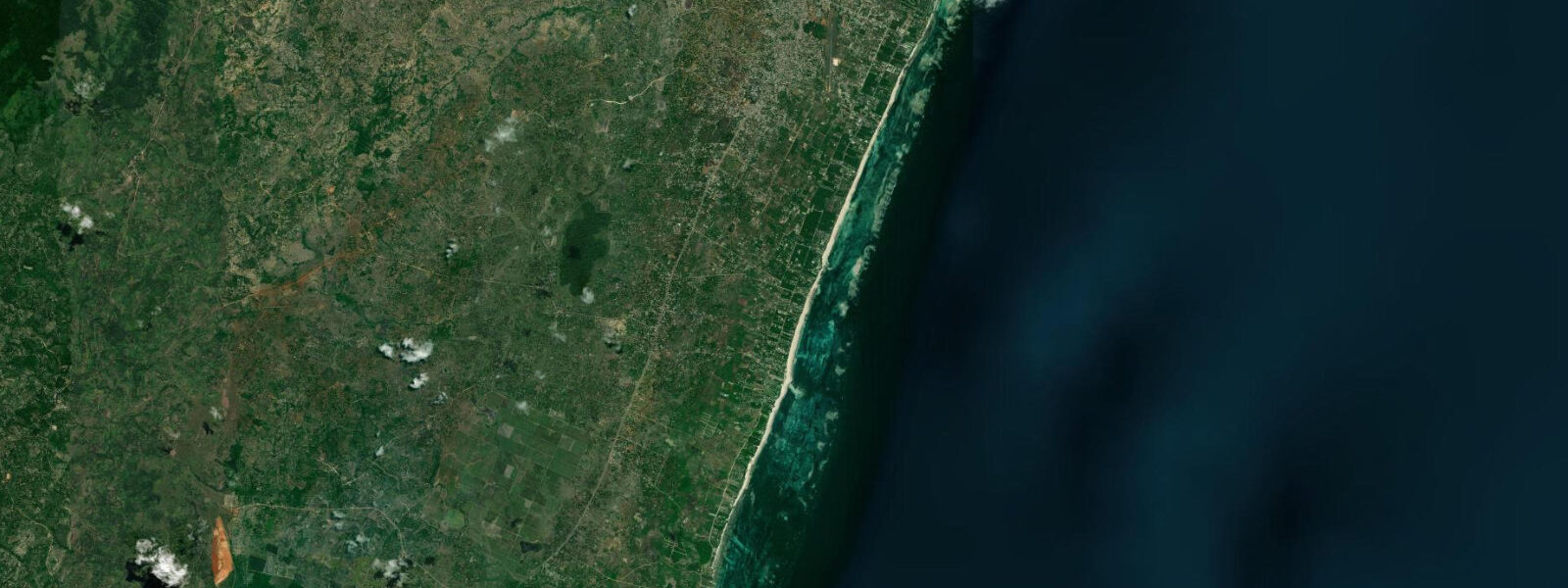
The three closest curated TideTurtle locations to Funzi Island, measured by great-circle distance.
Today's solunar windows
Solunar tradition: major periods are the ≈3h windows around moon transit and opposition; minor are ≈2h around moonrise and moonset. Pair with the local tide stage and wind for the best read.
Cycle dates near Funzi Island
Last spring tide on Tue 04 Aug (range 2.7m). Next spring tide on Mon 10 Aug (range 2.5m). Next neap on Sat 08 Aug.
Spring tides cluster around new and full moons (biggest swings). Neap tides land on quarter moons (smallest swings). See the spring tide and neap tide glossary entries for the why.
About tides at Funzi Island
A short guide to the coastline at Funzi Island — geography, sea state, and what the tide is actually doing under your feet.
Funzi Island sits near Kenya's southern border, separated from the mainland by tidal channels that drain significantly on each cycle. The island is mangrove-fringed on most sides, and the channels around it are navigable by boat at high tide but require local knowledge at low water when depth decreases and sandbanks emerge. 0 metres — enough to produce noticeable current in the main channel, particularly during the two hours either side of low and high water.
The channel current is relevant for anyone in a kayak or dhow; timing a crossing around slack water is the straightforward approach. Access to Funzi is by boat from Shimoni, roughly 8 kilometres by water. Shimoni is also the gateway to Kisite-Mpunguti Marine National Park, one of Kenya's best-rated coral reef systems.
The Shimoni to Funzi route passes through channels used by local fishermen in traditional ngalawa outriggers and fibre-glass skiffs. The Indo-Pacific bottlenose dolphin (Tursiops aduncus) is regularly sighted in the tidal channels around Funzi. These are coastal dolphins, not pelagic, and they use the channels for feeding — following fish movement on the tide.
Sightings are most frequent on the flood tide, when fish move into the channels from the bay. The dolphins are habituated to boat traffic to a degree, but approaching closely or cutting off a group is discouraged under Kenya Wildlife Service guidelines. The Funzi fishing community lives on the island itself.
The community practises traditional line and net fishing in the channels and the open waters offshore — targeting kingfish, snapper, and rabbitfish primarily. There is a small eco-camp on the island that operates on a low-impact basis and sources fish locally. For visitors arriving on a day trip from Shimoni, the standard sequence is a timed boat crossing at mid-flood tide, time on the island, and a return crossing at mid-ebb — which allows a full exploration of the island perimeter and the mangrove fringe during the slack water period.
Shimoni village, on the mainland opposite, holds the slave caves — coral limestone caves cut into the cliff face above the waterline that were used to hold captives awaiting shipment across the Indian Ocean during the 19th-century slave trade. At low spring tide, the base of the cliff is accessible and a lower cave entrance is exposed. At high water, the lower entrance floods.
The caves extend roughly 50 metres into the cliff and are open to the visiting public; entry involves a brief descent and a tight passage. The Shimoni Slave Caves are maintained by the National Museums of Kenya. Birdwatching around Funzi's mangrove margin is productive, with fish eagle, kingfisher, and wader species comparable to Gazi.
The island's interior forest patches add sunbirds and a handful of coastal forest species. A full tide cycle — arriving at high water, walking the island, watching the channels drain through low water, and departing on the following flood — gives the most complete view of how the tidal dynamic shapes what is otherwise a quiet and low-key site. Predictions on this page come from Open-Meteo Marine, a gridded global ocean model.
3 metres on height — model-derived, not from a local gauge. The regional tidal reference is the Kenya Meteorological Department gauge at Mombasa, operated in coordination with Kenya Ports Authority.
Tide questions about Funzi Island
Quick answers to the most common questions about tide times, range, and water access at Funzi Island.
How do I get to Funzi Island from Shimoni?
Funzi Island is accessed by boat from Shimoni village, approximately 8 kilometres by water. Local boatmen at the Shimoni jetty run crossings throughout the day; the journey takes 20 to 40 minutes depending on the boat and tide state. Timing the crossing at mid-flood tide avoids the shallowest water over sandbanks in the channel. The eco-camp on Funzi can arrange transfer from Shimoni if booked in advance. Shimoni itself is about 75 kilometres south of Mombasa by the B8 road — roughly 2 hours by car from Diani.
What dolphins are seen around Funzi Island?
Indo-Pacific bottlenose dolphins (Tursiops aduncus) use the tidal channels around Funzi for feeding. Unlike offshore spinner or common dolphins, these are coastal animals tied to specific channel systems; sightings are consistent rather than seasonal. The flood tide tends to concentrate fish in the channels and dolphin activity follows. Sightings from a slow-moving boat or from the island shore are most likely in the two hours after the tide turns from low. Kenya Wildlife Service guidelines ask that boats do not approach within 50 metres or cut across a group's direction of travel.
What are the Shimoni Slave Caves and when can they be visited?
The Shimoni Slave Caves are coral limestone caves cut into the cliff above the harbour at Shimoni village. They were used in the 19th century to hold captives — primarily from raids in the interior — before transit across the Indian Ocean. The caves extend approximately 50 metres into the cliff, with a lower entrance that floods at high tide and is exposed at low spring tide. They are managed by the National Museums of Kenya and open to visitors daily; an entry fee applies. At low spring tide the base of the cliff and the lower cave entrance are accessible on foot. At high water, the lower section floods and only the upper entrance is usable.
What fish species are caught around Funzi Island?
The tidal channels and open water around Funzi support a community-based line and net fishery targeting kingfish (Scomberomorus commerson), snapper (Lutjanidae), rabbitfish (Siganus species), and barracuda. The fishing is most productive on the flood tide when fish move up into the channels from the bay. There is no established recreational or sport fishing operation based at Funzi itself; the eco-camp can sometimes arrange fishing trips with local fishermen on request. Current Kenya Fisheries Service regulations apply; check size and species restrictions before targeting reef fish.
Is Funzi Island suitable for kayaking?
The tidal channels around Funzi are suitable for sea kayak exploration, but tidal timing matters significantly. The most manageable windows are around high water slack and low water slack — roughly 45 minutes either side of each turn. During the mid-flood and mid-ebb, the current through the main channels can reach 1.5 to 2 knots at springs, which is manageable for an experienced paddler but tiring over distance for a beginner. The mangrove fringe on the island's north side is accessible at mid-to-high tide and is a good focal point for a timed kayak excursion. Bring a tide chart; download times are not intuitive when you are physically in the channels.
8-day tide table — Funzi Island
Heights relative to MSL. Predictions: Open-Meteo Marine (MeteoFrance SMOC, 0.08° grid) — heights relative to MSL (not chart datum / LAT). Model-derived.
| Day | Type | Time | Height |
|---|---|---|---|
| Tue 04 Aug | Low | 03:00 | -0.0m |
| High | 06:50 | 1.9m | |
| Low | 12:59 | -0.7m | |
| High | 19:00 | 1.6m | |
| Wed 05 Aug | Low | 01:07 | -0.8m |
| High | 07:27 | 1.8m | |
| Low | 13:42 | -0.5m | |
| High | 19:39 | 1.4m | |
| Thu 06 Aug | Low | 01:46 | -0.6m |
| High | 08:15 | 1.6m | |
| Fri 07 Aug | Low | 02:33 | -0.4m |
| High | 09:20 | 1.4m | |
| Low | 16:03 | -0.1m | |
| High | 21:51 | 0.8m | |
| Sat 08 Aug | Low | 03:53 | -0.2m |
| High | 10:58 | 1.3m | |
| Low | 18:02 | -0.1m | |
| Sun 09 Aug | High | 00:02 | 0.7m |
| Low | 05:46 | -0.1m | |
| High | 12:45 | 1.5m | |
| Low | 19:37 | -0.4m | |
| Mon 10 Aug | High | 01:40 | 1.0m |
| Low | 07:21 | -0.3m | |
| High | 13:56 | 1.8m | |
| Low | 20:37 | -0.7m | |
| Tue 11 Aug | High | 02:00 | 1.2m |