Shimoni tide times
Shimoni tide forecast — heights relative to MSL.
Today's tide times for Shimoni
Tide times at Shimoni on Tuesday, 4 August 2026: first low tide at 03:00am, first high tide at 06:50am, second low tide at 12:59pm, second high tide at 07:00pm. Sunrise 06:31am, sunset 06:26pm.
Tide chart for Shimoni
24-hour cosine-interpolated curve around the present moment. Heights relative to MSL. Predictions: Predictions: Open-Meteo Marine (MeteoFrance SMOC, 0.08° grid).
Sun, moon and conditions on Tue 04 Aug
Snapshot at build time — refreshes daily. Sea state from Open-Meteo Marine.
Highs and lows next 7 days
Every predicted high and low for the next week, with the daily tidal coefficient (0–120; higher = bigger swing, > 95 means stronger currents).
Other spots nearby
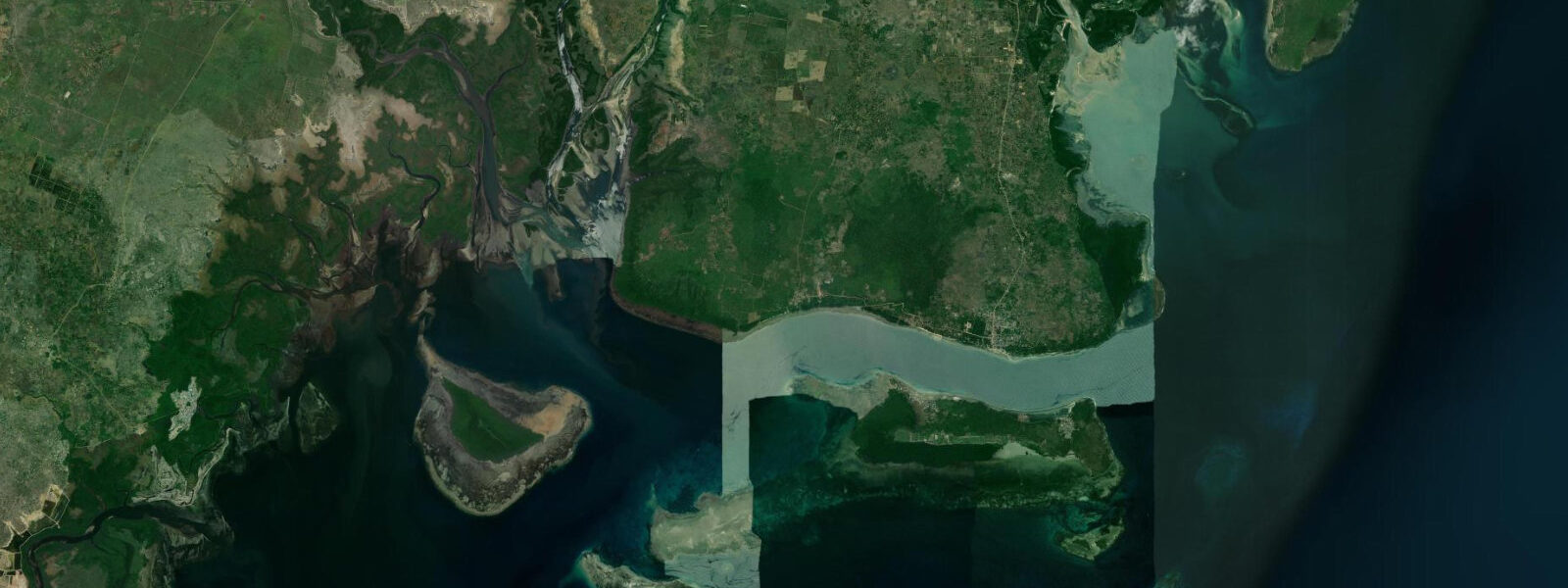
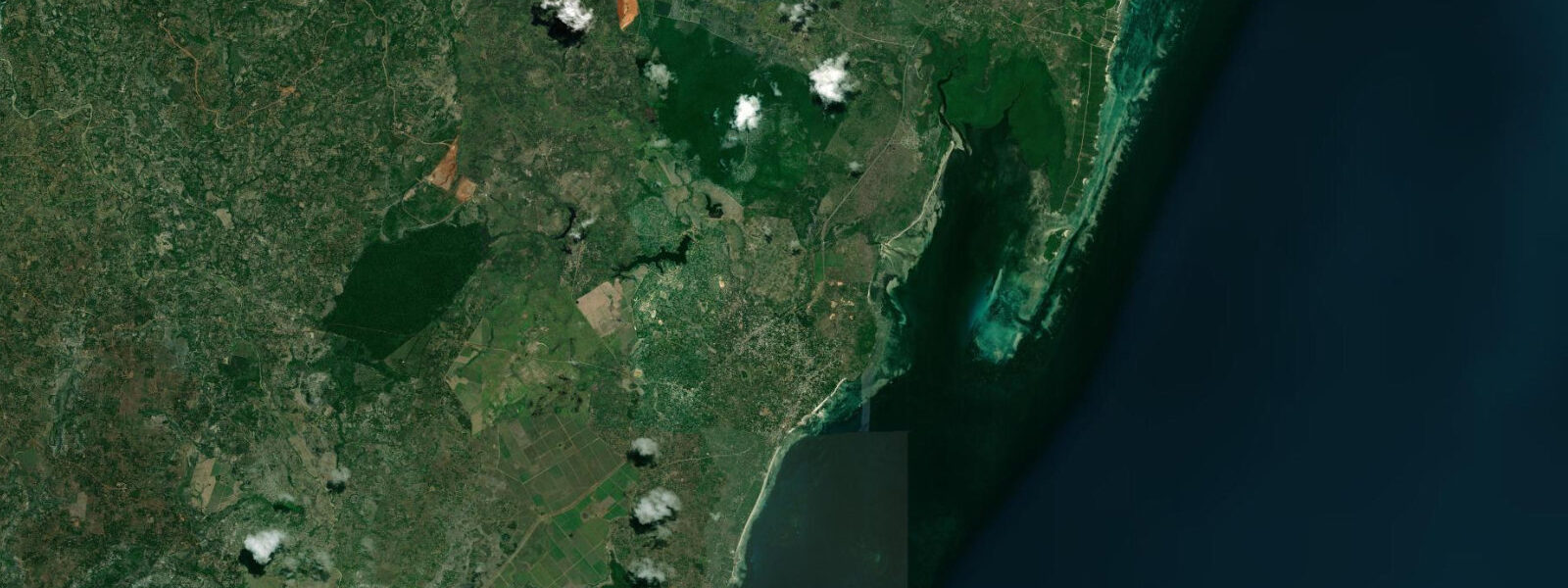
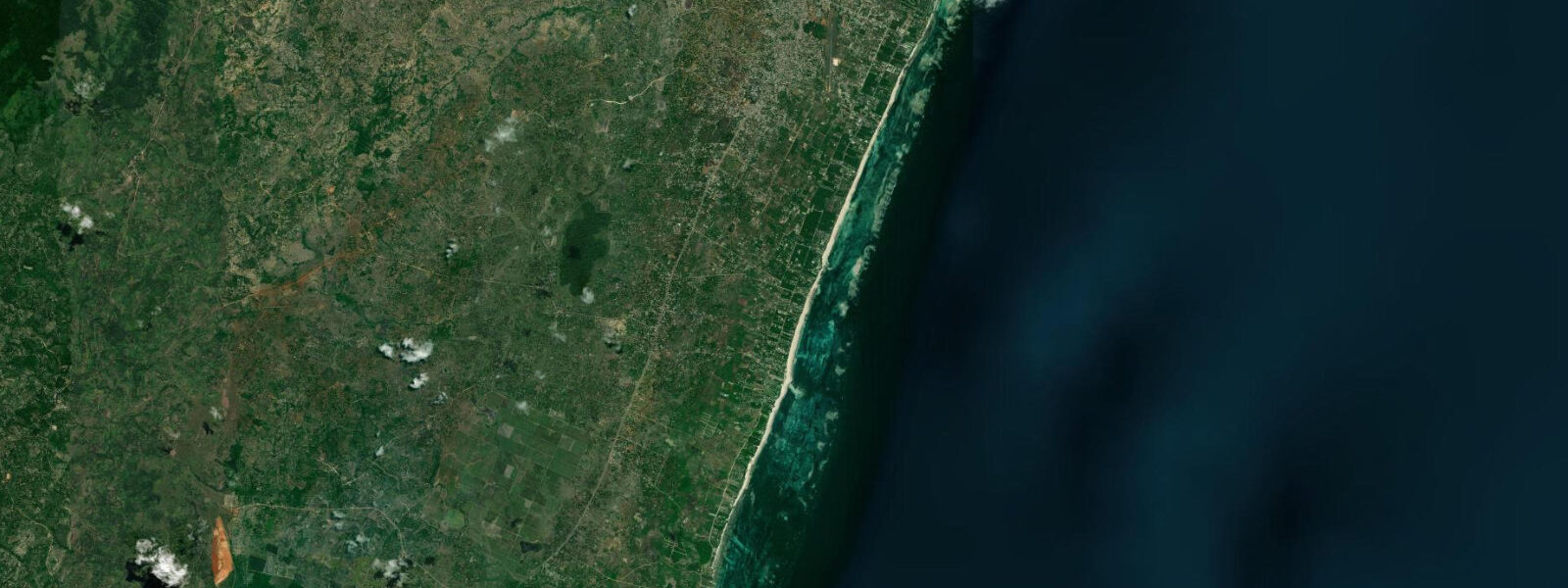
The three closest curated TideTurtle locations to Shimoni, measured by great-circle distance.
Today's solunar windows
Solunar tradition: major periods are the ≈3h windows around moon transit and opposition; minor are ≈2h around moonrise and moonset. Pair with the local tide stage and wind for the best read.
Cycle dates near Shimoni
Last spring tide on Tue 04 Aug (range 2.7m). Next spring tide on Mon 10 Aug (range 2.5m). Next neap on Sat 08 Aug.
Spring tides cluster around new and full moons (biggest swings). Neap tides land on quarter moons (smallest swings). See the spring tide and neap tide glossary entries for the why.
About tides at Shimoni
A short guide to the coastline at Shimoni — geography, sea state, and what the tide is actually doing under your feet.
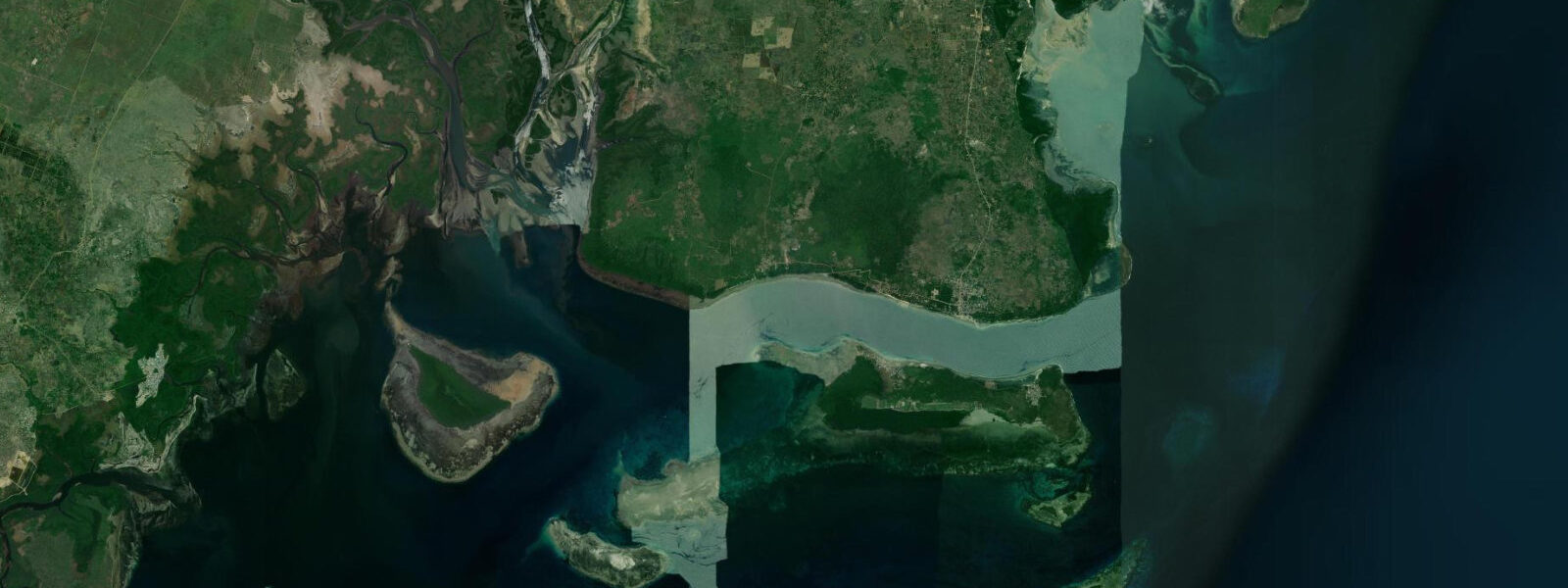
Shimoni is the southernmost mainland village in Kenya, sitting on a narrow peninsula about 80 kilometres south of Mombasa near the Tanzanian border. The name means 'place of the hole' in Swahili — a direct reference to the coral caves that run beneath the peninsula, used as holding pens for enslaved people during the 19th-century Arab slave trade. Those caves, preserved and managed by the community as a heritage site, are among the most tangible physical links to the Swahili Coast slave trade that exists anywhere on the East African seaboard.
Tides at Shimoni are macrotidal by Indian Ocean standards — one of the more extreme tidal ranges on the East African coast, running 2.5 to 4.0 metres on spring tides. The pattern is semidiurnal with a small diurnal inequality. This large range transforms the coastal landscape twice daily: at low water the reef flat extends 300 to 400 metres seaward, exposing channels, pools, and coral heads that are 3 metres underwater at high tide. Open-Meteo Marine forecasts for this part of the Indian Ocean are accurate to ±45 minutes on timing and ±0.2 to 0.3 metres on height. For a 4-metre range, that height accuracy is a proportionally smaller margin than on microtidal coasts, but the timing accuracy of ±45 minutes is the critical variable — tides turn fast on a large range, and a reef flat walk that starts at low water can see the tide pushing back in rapidly within 90 minutes.
Kisite-Mpunguti Marine National Park, accessible by boat from Shimoni's dhow jetty, is the primary draw for marine activity. The park covers 39 square kilometres of reef, seagrass, and open water around several small offshore islands — Kisite, Mpunguti ya Juu, and Mpunguti ya Chini. Entry fees apply; park rangers board at the jetty before departure. Dolphin pods (primarily Indo-Pacific bottlenose) are resident in the channel between Shimoni and Kisite throughout the year; early morning departures, timed to catch the dolphins feeding on the tidal current running through the channel on the flood, give the most reliable sightings. Snorkelling on Kisite's coral gardens is best at high water when the reef flat is navigable without wading through exposed coral.
Whale sharks are a seasonal draw between November and February, feeding on fish spawn aggregations associated with the neap tides in that period. The whale sharks work the channel entrances and outer reef slopes; sightings are not guaranteed on any given day but are common enough that most operators run dedicated whale shark search trips during the season. Boat captains and park rangers communicate sighting locations informally — a trip that departs after 07:00 often benefits from sightings reported by earlier boats.
The slave caves beneath the Shimoni peninsula extend over 100 metres into the coral rock. Inside, the ceiling height drops in places and the passage narrows; a guided tour with a torch takes about 30 minutes. Iron rings once used to restrain captives are visible in the rock walls. The cave is not tidal in the sense that water doesn't flood it with each high tide, but the humidity and the pervasive cool air reflect the proximity of the seawater table. The guided tour cost goes to the community trust that maintains the site.
For fishing, Shimoni is one of the best-positioned bases on the East African coast for big-game offshore work. The deep Shimoni Channel between the peninsula and Wasini Island produces marlin, sailfish, and large yellowfin tuna; the best fishing is on the turn of the ebb tide when baitfish concentrate along the channel edge. Charter vessels operate out of the Pemba Channel Fishing Club, one of Kenya's oldest fishing lodges, which sits on the peninsula above the dhow jetty.
Access from Mombasa is by road — south on the B8 highway to Lungalunga, turning off at Shimoni junction. The drive takes about 90 minutes in normal traffic. Wasini Island, directly opposite Shimoni across the channel, has no vehicles and is reached by short dhow crossing; the village there is one of the most intact examples of Swahili coastal architecture in Kenya.
Tide questions about Shimoni
Quick answers to the most common questions about tide times, range, and water access at Shimoni.
What are the tides like at Shimoni and how do they affect reef access?
Shimoni has one of the largest tidal ranges on the East African coast — 2.5 to 4.0 metres on spring tides, semidiurnal pattern. At low water on a spring tide, the reef flat extends 300 to 400 metres seaward from the beach, exposing coral heads, rock pools, and tidal channels. At high water, that entire platform is under 2 to 3 metres of water. Open-Meteo Marine forecasts timing to ±45 minutes and height to ±0.2–0.3 metres — on a 4-metre range, that ±0.3 metres error is proportionally small but the timing margin is significant because the tide turns quickly. Reef flat walks must be started well before the forecast low and finished before the flood has been running for more than 60 minutes. For snorkelling in the marine park, target high water when the reef flat is navigable without walking on coral. A 30-minute safety margin on timing forecasts is a minimum, not a preference.
When is the best time to see whale sharks at Shimoni?
Whale sharks appear in the Shimoni Channel and outer reef approaches most reliably between November and February. The peak coincides with fish spawn aggregations associated with neap tides in that period — whale sharks are filter-feeding on the spawn and associated zooplankton. Sightings are more frequent in the early morning when the animals are active near the surface; boats that depart by 06:30 to 07:00 have the best odds, and park rangers often relay fresh sighting locations from earlier vessels. The interaction guidelines inside Kisite-Mpunguti Marine National Park require maintaining a 3-metre distance from the animal and no touching; park rangers aboard the boat enforce these rules. A single-day trip during November to February gives a reasonable probability of a sighting; three-day visits across the season are close to reliable.
What is the history of the Shimoni slave caves and how are they visited?
The coral caves beneath the Shimoni peninsula were used during the 19th-century Arab slave trade as holding chambers for enslaved people awaiting dhow transport north to Zanzibar, Oman, and the Persian Gulf. The caves extend over 100 metres into the coral rock; iron rings set into the walls were used to restrain captives. The caves are managed by a community trust and are visited on a guided tour (approximately 30 minutes) with a torch provided at the entrance. The guide fee goes directly to the trust. The caves are not flooded by tides but the humidity is high and the air cool — wear closed shoes as the ground is uneven. The site is part of the broader Swahili Coast heritage narrative that Kenya has submitted as part of its UNESCO World Heritage bid; it is one of the most historically significant coastal sites in East Africa.
What dolphin and snorkelling trips operate from Shimoni to Kisite-Mpunguti Marine Park?
Multiple operators run morning dhow trips from Shimoni jetty to Kisite-Mpunguti Marine National Park, departing around 07:00 to 08:00 and returning by early afternoon. Standard itinerary includes dolphin watching in the channel (Indo-Pacific bottlenose dolphins are resident year-round), snorkelling on Kisite reef, and a seafood lunch on Wasini Island. Park entry fees are paid at the jetty ranger post before departure. The best dolphin encounters happen when the flood tide is running through the Shimoni Channel — morning departures timed to the flood generally coincide with peak dolphin feeding activity. Snorkelling is best at or near high water when the reef flat has adequate water depth. Open-Meteo Marine tide forecasts help you judge which morning tide state aligns best with your planned departure.
What big-game fishing is available from Shimoni?
Shimoni is one of Kenya's premier big-game fishing bases. The Shimoni Channel between the peninsula and Wasini Island produces black marlin, striped marlin, sailfish, and large yellowfin tuna, with the best action concentrated on the turn of the ebb tide when baitfish stack along the channel edge. The Pemba Channel Fishing Club, sitting above the dhow jetty, is one of Kenya's oldest fishing lodges and the established operator for offshore charters. The season for sailfish and striped marlin peaks between October and March; black marlin are more seasonal, with October and November being the most productive months. Boats work the deep water beyond the reef edge rather than the reef itself; the drop-off from reef to channel happens quickly and the deep water runs close to shore. Tag-and-release is standard for billfish at most professional operations.
8-day tide table — Shimoni
Heights relative to MSL. Predictions: Open-Meteo Marine (MeteoFrance SMOC, 0.08° grid) — heights relative to MSL (not chart datum / LAT). Model-derived.
| Day | Type | Time | Height |
|---|---|---|---|
| Tue 04 Aug | Low | 03:00 | -0.0m |
| High | 06:50 | 1.9m | |
| Low | 12:59 | -0.7m | |
| High | 19:00 | 1.6m | |
| Wed 05 Aug | Low | 01:07 | -0.8m |
| High | 07:27 | 1.8m | |
| Low | 13:42 | -0.5m | |
| High | 19:39 | 1.4m | |
| Thu 06 Aug | Low | 01:46 | -0.6m |
| High | 08:15 | 1.6m | |
| Fri 07 Aug | Low | 02:33 | -0.4m |
| High | 09:20 | 1.4m | |
| Low | 16:03 | -0.1m | |
| High | 21:51 | 0.8m | |
| Sat 08 Aug | Low | 03:53 | -0.2m |
| High | 10:58 | 1.3m | |
| Low | 18:02 | -0.1m | |
| Sun 09 Aug | High | 00:02 | 0.7m |
| Low | 05:46 | -0.1m | |
| High | 12:45 | 1.5m | |
| Low | 19:37 | -0.4m | |
| Mon 10 Aug | High | 01:40 | 1.0m |
| Low | 07:21 | -0.3m | |
| High | 13:56 | 1.8m | |
| Low | 20:37 | -0.7m | |
| Tue 11 Aug | High | 02:00 | 1.2m |