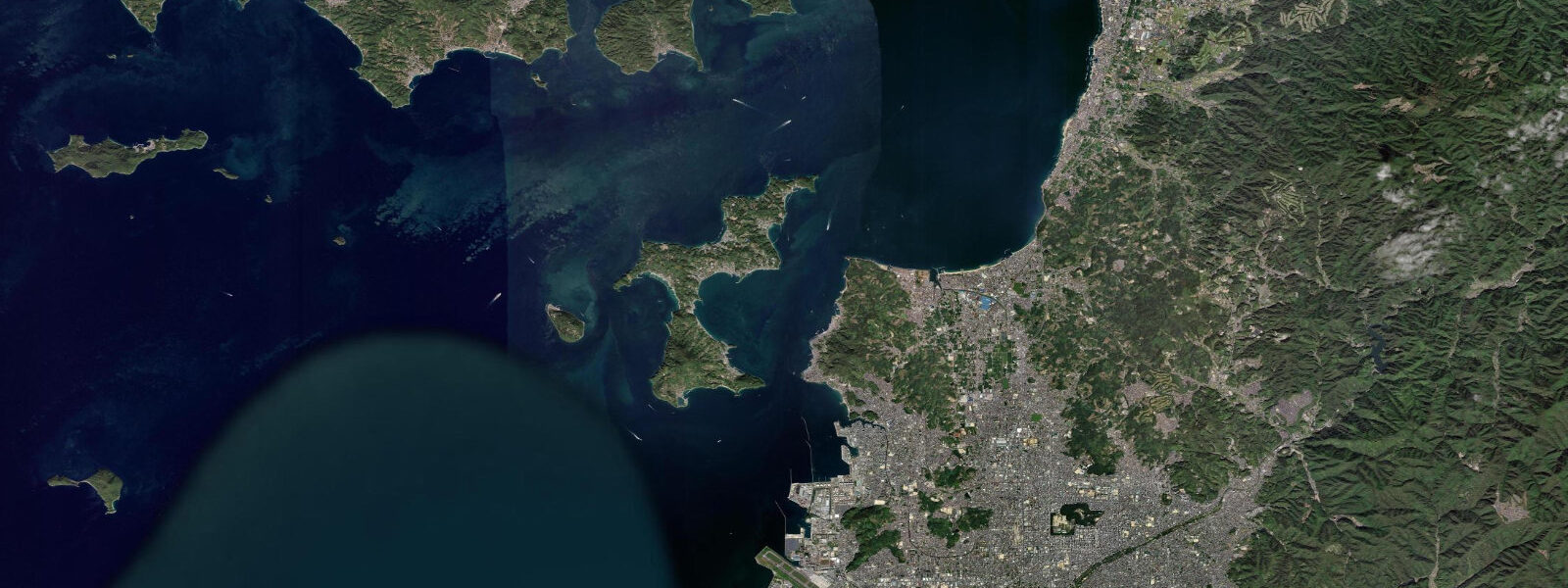
Matsuyama tide times
Matsuyama tide forecast — heights relative to MSL.
Today's tide times for Matsuyama
Tide times at Matsuyama on Tuesday, 4 August 2026: first low tide at 09:00, first high tide at 11:56, second low tide at 17:37, second high tide at 23:54. Sunrise 05:22, sunset 19:08.
Tide chart for Matsuyama
24-hour cosine-interpolated curve around the present moment. Heights relative to MSL. Predictions: Predictions: Open-Meteo Marine (MeteoFrance SMOC, 0.08° grid).
Sun, moon and conditions on Tue 04 Aug
Snapshot at build time — refreshes daily. Sea state from Open-Meteo Marine.
Highs and lows next 7 days
Every predicted high and low for the next week, with the daily tidal coefficient (0–120; higher = bigger swing, > 95 means stronger currents).
Other spots nearby
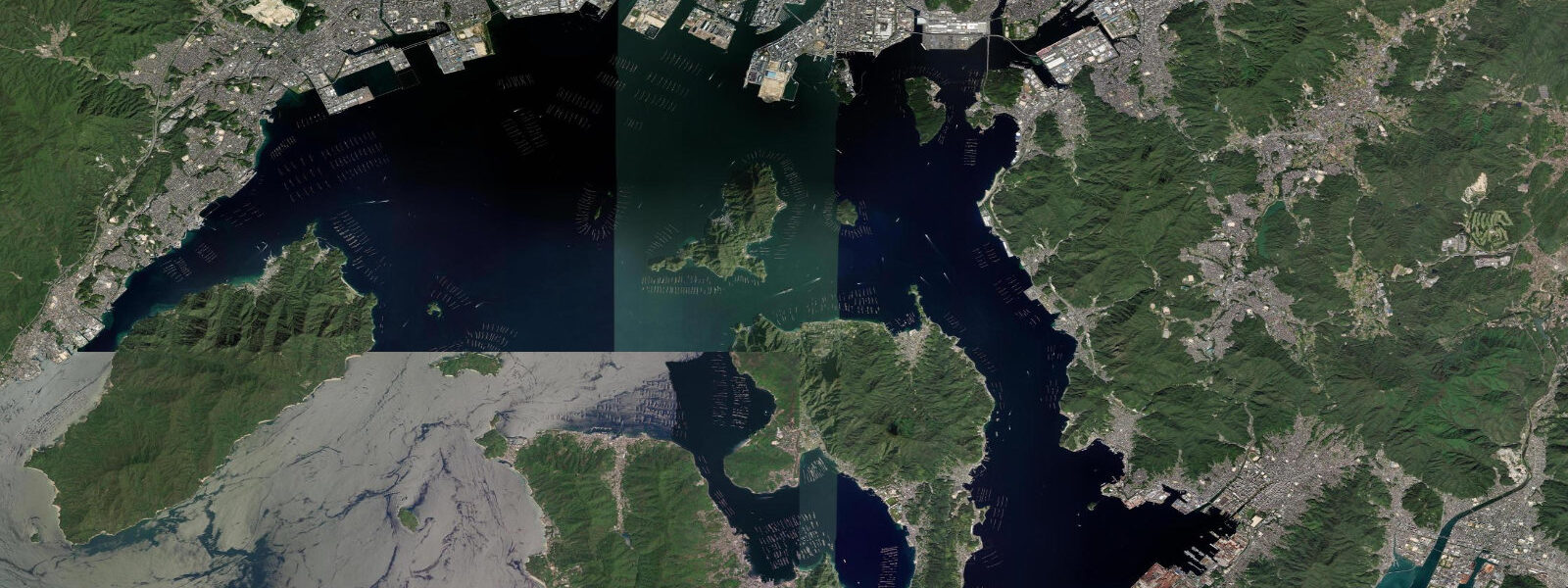
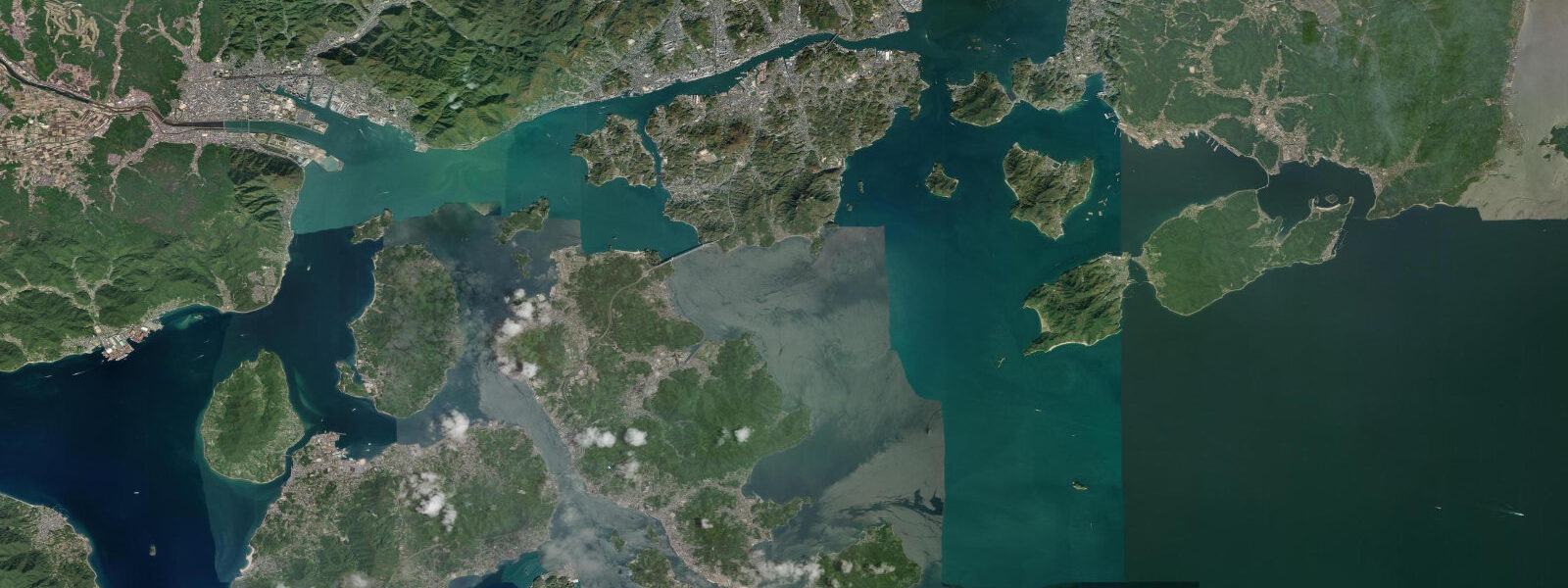
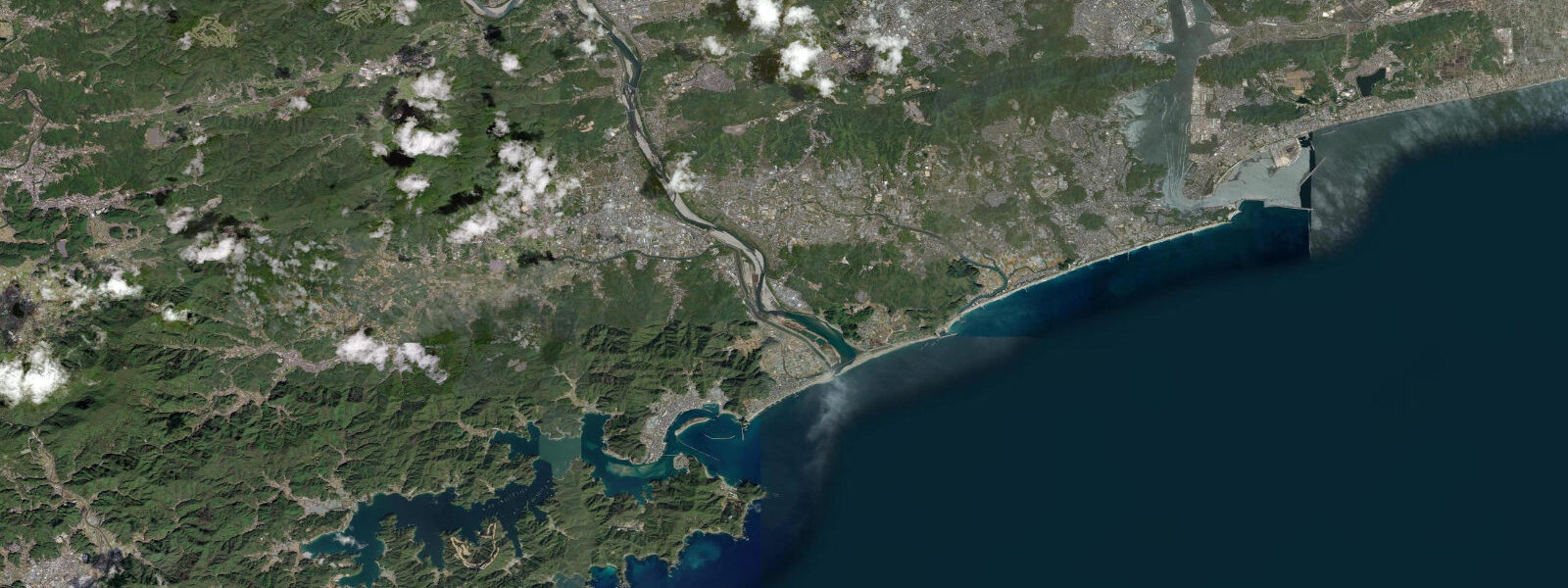
The three closest curated TideTurtle locations to Matsuyama, measured by great-circle distance.
Today's solunar windows
Solunar tradition: major periods are the ≈3h windows around moon transit and opposition; minor are ≈2h around moonrise and moonset. Pair with the local tide stage and wind for the best read.
Cycle dates near Matsuyama
Last spring tide on Tue 04 Aug (range 1.8m). Next spring tide on Mon 10 Aug (range 2.3m). Next neap on Sat 08 Aug.
Spring tides cluster around new and full moons (biggest swings). Neap tides land on quarter moons (smallest swings). See the spring tide and neap tide glossary entries for the why.
About tides at Matsuyama
A short guide to the coastline at Matsuyama — geography, sea state, and what the tide is actually doing under your feet.
Matsuyama is the largest city on Shikoku and the capital of Ehime Prefecture, on the Seto Inland Sea coast between the Bungo Channel to the west and Hiroshima Bay to the northeast. Matsuyama Castle sits at 132 m on the city hilltop; Dōgo Onsen — Japan's oldest hot spring resort — is 3 km inland. The tidal regime is semidiurnal with a spring range of approximately 2.5 m above Chart Datum. Mean high water springs reaches about 1.9 m; mean low water springs drops to roughly 0.4 m. Neap range narrows to 1.0–1.2 m.
The Seto Inland Sea is an enclosed water body between Honshu, Shikoku, and Kyushu; its tidal hydraulics are complex. In the passages between the hundreds of islands throughout the sea, tidal currents accelerate well above open-water predictions. In Matsuyama Bay itself, mid-channel current runs 1.0–2.0 knots on springs. In the passages between offshore islands it can reach 3.0–4.0 knots at peak flow. The Kurushima Kaikyō (Kurushima Straits), 30 km northeast near Imabari, carry 10–11 knots at peak spring flow through channels less than 300 m wide. The Nishiseto Expressway (Shimanami Kaidō) bicycle route crosses these straits on bridges; the view from the bridges during peak tidal flow is a cascade of standing waves and eddy lines.
The Naruto Strait, 100 km to the east near Tokushima, produces tidal currents of 15–20 km/h (8–11 knots) and whirlpools up to 20 m in diameter at spring tides. For small-boat operators on the Seto Inland Sea around Matsuyama, tidal planning is essential. Transit the narrow inter-island passages at or near slack water and use the main tidal stream for passage-making rather than fighting it.
The defining tidal activity on the Matsuyama foreshore is asari clam digging on the intertidal flats. At the city beach at Mitsuhama, 3 km west of the city centre, the 2.5 m spring range exposes a tidal flat extending 150–200 m beyond the high-water mark. These flats support a traditional clamming culture; families with buckets and rakes appear at spring low tides in spring and autumn. Spring low tides in the 05:00–09:00 window produce the maximum flat exposure.
Fishing from Matsuyama targets sea bream (tai) — Ehime is Japan's largest farmed sea bream producer, but wild bream are also targeted by sport anglers around the offshore islands. Wild bream concentrate on rock and reef structures at the edges of tidal current rips; the best windows are 60–90 minutes either side of the current peak, when bream move onto the current edge to feed on baitfish swept through the passage. Charter fishing boats out of Matsuyama port time their runs to these current transitions.
Ferry routes from Matsuyama port connect to Hiroshima (70 minutes by high-speed ferry), Ōshima island, and Yamaguchi Prefecture. The high-speed hydrofoil services run regardless of tidal state, but the inter-island ferries navigating inner channels are occasionally delayed by strong current conditions in the straits.
For photographers, the city beach at Mitsuhama at spring low water exposes the full tidal flat — a wide expanse of wet sand and shallow channels that reflects Matsuyama Castle and the surrounding hills in still conditions. Early morning spring low tides in April and October are the optimal combination of light and maximum flat exposure.
All tide predictions for Matsuyama come from the Open-Meteo Marine gridded model. Timing accuracy is ±45 minutes; height accuracy is ±0.3 m above Chart Datum.
Tide questions about Matsuyama
Quick answers to the most common questions about tide times, range, and water access at Matsuyama.
What is the tidal range at Matsuyama and how does it affect the tidal flats?
Matsuyama has a semidiurnal spring tidal range of approximately 2.5 m above Chart Datum. At the city beach at Mitsuhama, this range exposes a tidal flat extending 150–200 m beyond the high-water mark at spring low water. The flats are used for traditional asari and hamaguri clam gathering and are most accessible on spring low tides in the early morning in spring and autumn. At high water the flat is fully submerged and swimming is possible from the beach. Tide predictions carry ±45 minutes timing uncertainty and ±0.3 m height uncertainty.
How do tidal currents affect boating in the Seto Inland Sea near Matsuyama?
Tidal currents in the inter-island passages near Matsuyama are among the strongest in Japan. The Kurushima Straits near Imabari, 30 km northeast, reach 10–11 knots at peak spring flow. Mid-channel current in Matsuyama Bay runs 1.0–2.0 knots on springs. Small-boat operators must transit the narrow passages at or near slack water and plan routes to use the main tidal stream rather than fight it. The Japanese Hydrographic and Oceanographic Department publishes detailed current tables for Seto Inland Sea passages — use these for passage timing rather than the generic tide table.
Where can anglers catch wild sea bream near Matsuyama?
Wild sea bream (madai) concentrate on rock and reef structures at the edges of tidal current rips around the offshore islands — Kashima and Kurojima in Matsuyama Bay are the primary targets. The best fishing windows are 60–90 minutes on either side of the current peak, when bream move onto the current edge to feed on baitfish swept through the passage. Boat fishing using the tidal drift across reef tops is the standard technique. Charter fishing boats operate from Matsuyama port; confirm the captain's current-table timing when booking.
Can visitors see the Naruto whirlpools from Matsuyama?
The Naruto whirlpools are 100 km east of Matsuyama, accessible by road across Shikoku or by ferry combination. They form in the Naruto Strait when spring tidal currents of 15–20 km/h create vortices up to 20 m in diameter. Most spectacular on spring tides (2–3 days after full or new moon), they can be viewed from the Uzu-no-Michi walkway under the Ōnaruto Bridge or from observation tour boats. Time the visit to the Naruto current tables, not the Matsuyama tide table — the two are on different tidal systems.
When is clamming season on the Matsuyama tidal flats?
Traditional clam gathering on the Matsuyama tidal flats is most active in March–May and September–October. The best sessions are on spring low tides in the early morning — typically 05:00–09:00 — when the flats are exposed at their maximum extent. The 2.5 m spring range exposes flats completely submerged at high water; check the tide table for days when low water falls below 0.4 m above Chart Datum for maximum flat exposure. Permitted take and equipment regulations apply — confirm with Ehime Prefecture fisheries.
8-day tide table — Matsuyama
Heights relative to MSL. Predictions: Open-Meteo Marine (MeteoFrance SMOC, 0.08° grid) — heights relative to MSL (not chart datum / LAT). Model-derived.
| Day | Type | Time | Height |
|---|---|---|---|
| Tue 04 Aug | Low | 09:00 | 0.4m |
| High | 11:56 | 1.1m | |
| Low | 17:37 | -0.2m | |
| High | 23:54 | 1.4m | |
| Wed 05 Aug | Low | 06:21 | -0.5m |
| High | 12:46 | 1.1m | |
| Low | 18:19 | 0.1m | |
| Thu 06 Aug | High | 00:17 | 1.3m |
| Low | 07:05 | -0.4m | |
| High | 13:51 | 1.2m | |
| Low | 19:15 | 0.4m | |
| Fri 07 Aug | High | 00:50 | 1.2m |
| Low | 08:02 | -0.4m | |
| High | 15:24 | 1.1m | |
| Sat 08 Aug | Low | 09:24 | -0.4m |
| Sun 09 Aug | High | 02:50 | 0.8m |
| Low | 11:02 | -0.6m | |
| High | 19:00 | 1.4m | |
| Mon 10 Aug | Low | 01:08 | 0.4m |
| High | 05:36 | 0.7m | |
| Low | 12:20 | -0.7m | |
| High | 19:54 | 1.6m | |
| Tue 11 Aug | Low | 01:57 | 0.3m |
| High | 07:02 | 0.9m |