Onomichi, Chugoku tide times
Onomichi, Chugoku tide forecast — heights relative to MSL.
Today's tide times for Onomichi, Chugoku
Tide times at Onomichi, Chugoku on Tuesday, 4 August 2026: first low tide at 09:00, first high tide at 14:54, second low tide at 20:56. Sunrise 05:19, sunset 19:07.
Tide chart for Onomichi, Chugoku
24-hour cosine-interpolated curve around the present moment. Heights relative to MSL. Predictions: Predictions: Open-Meteo Marine (MeteoFrance SMOC, 0.08° grid).
Sun, moon and conditions on Tue 04 Aug
Snapshot at build time — refreshes daily. Sea state from Open-Meteo Marine.
Highs and lows next 7 days
Every predicted high and low for the next week, with the daily tidal coefficient (0–120; higher = bigger swing, > 95 means stronger currents).
Other spots nearby
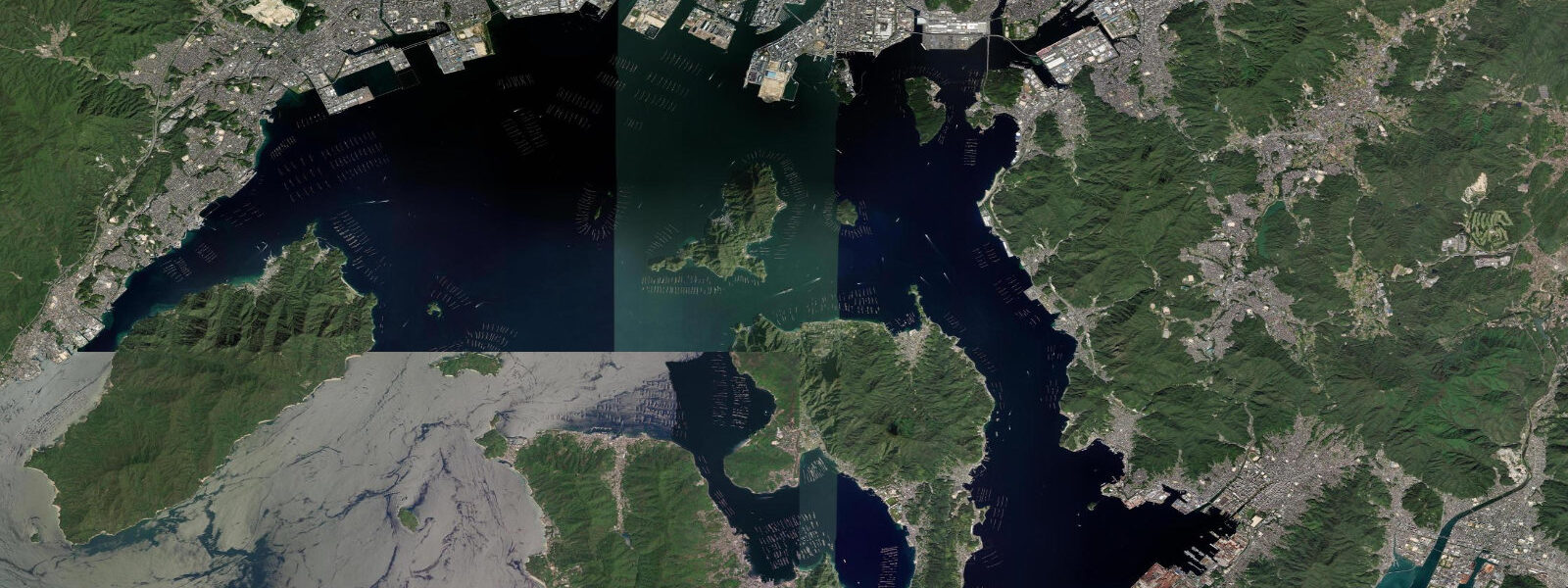
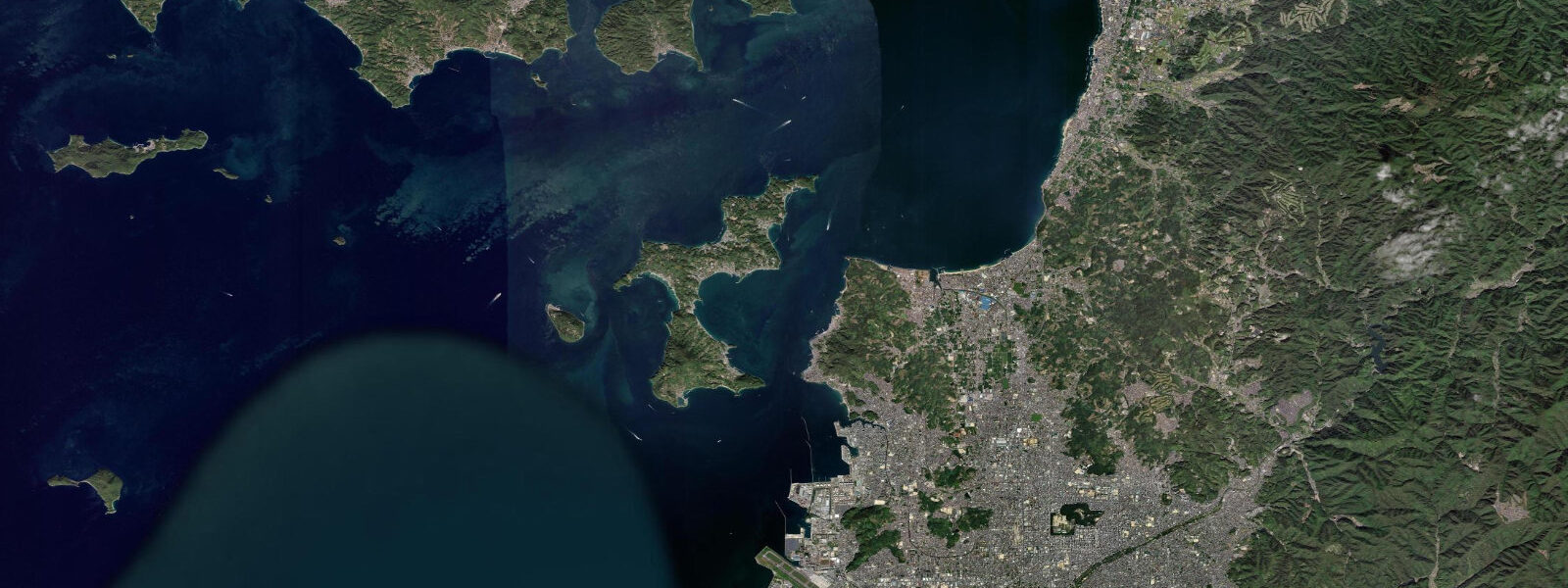
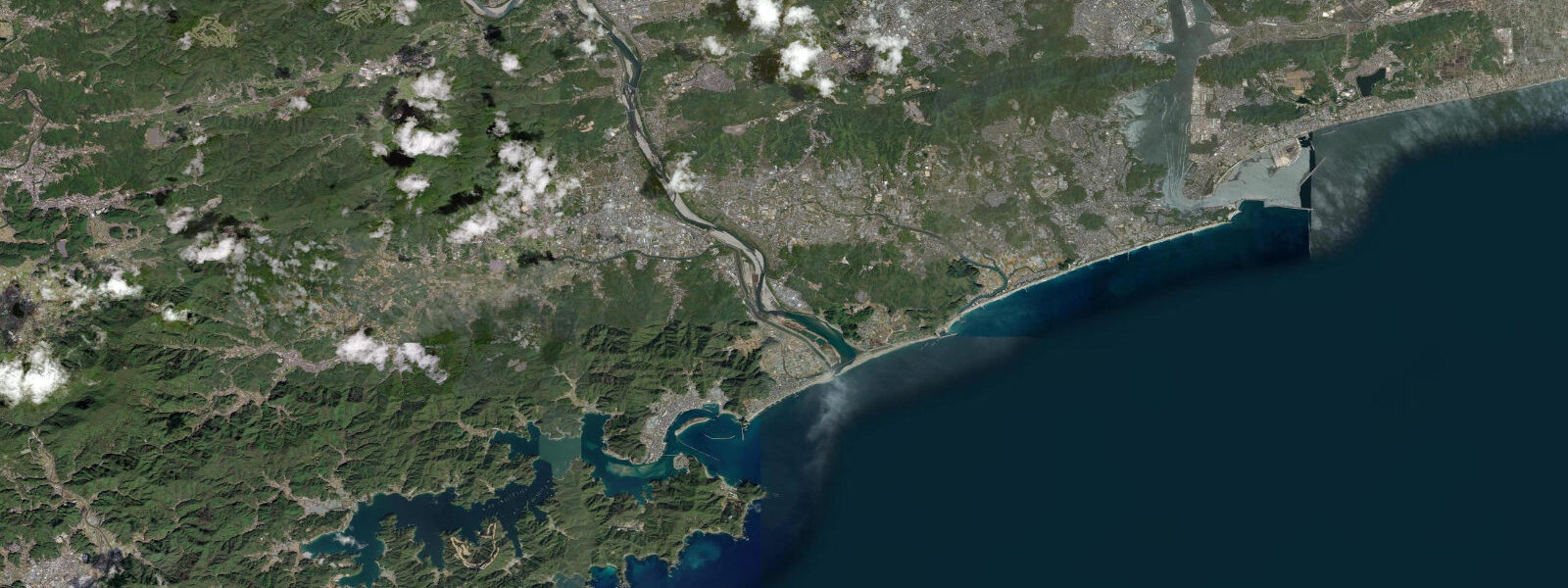
The three closest curated TideTurtle locations to Onomichi, Chugoku, measured by great-circle distance.
Today's solunar windows
Solunar tradition: major periods are the ≈3h windows around moon transit and opposition; minor are ≈2h around moonrise and moonset. Pair with the local tide stage and wind for the best read.
Cycle dates near Onomichi, Chugoku
Last spring tide on Tue 04 Aug (range 3.2m). Next spring tide on Mon 10 Aug (range 4.9m). Next neap on Sat 08 Aug.
Spring tides cluster around new and full moons (biggest swings). Neap tides land on quarter moons (smallest swings). See the spring tide and neap tide glossary entries for the why.
About tides at Onomichi, Chugoku
A short guide to the coastline at Onomichi, Chugoku — geography, sea state, and what the tide is actually doing under your feet.
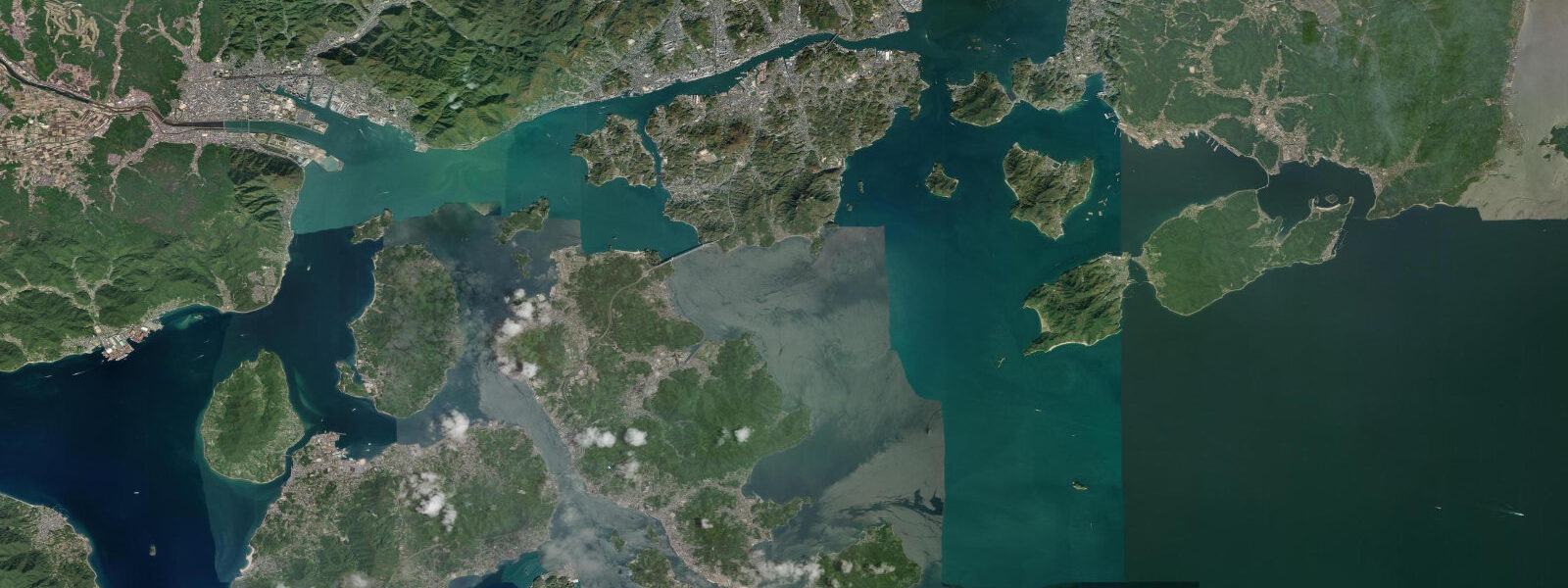
Onomichi lines the Honshū shore of the Seto Inland Sea, its waterfront pressed between steep hillside and the narrow Onomichi Channel. The channel — 400 m wide between the city and Mukaishima Island — is the introduction to the Seto Inland Sea for most people who arrive by train. The water is in constant visible motion: the passenger ferry between Onomichi and Mukaishima runs every 10 minutes, the tidal current runs 0.5 to 1.5 knots through the channel depending on the tidal phase, and freighters transit toward the inner sea or outbound to open water throughout the day.
The Seto Inland Sea operates on a semidiurnal tidal cycle with a mean range of 1.5 to 2.0 m at Onomichi — moderate by Japanese standards, consistent enough that the tidal rhythm is readable in the channel without consulting a table. The current through the Onomichi Channel floods eastward (toward the interior of the Inland Sea) and ebbs westward. At peak spring ebb the surface current is visible from the waterfront — a clear directional set across the 400-metre gap.
The Shimanami Kaidō begins at Onomichi. The 70 km cycling and walking route connects six islands across Seto Inland Sea bridges from Honshū to Shikoku, and Onomichi is the conventional starting point on the Honshū end. The route is one of the most heavily used cycle touring routes in Japan; on weekends the Onomichi waterfront cycle rental shops and the start-line staging area are active from 07:00 onward. The first bridge crossing — to Mukaishima Island — uses a floating pontoon dock at the Onomichi waterfront that allows boarding regardless of tidal height. The pontoon rises and falls with the tide, keeping the boarding ramp at a consistent angle. This is the tidal infrastructure that makes the Shimanami Kaidō launch independent of the tide table: cyclists can start at any hour and any tidal state.
The ferry crossing to Mukaishima, by contrast, is the constant pulse of the channel. Departure every 10 minutes, 3-minute crossing, continuous from early morning to late evening. The ferry does not wait for tidal conditions and the crossing is safe at all states. What changes with the tide is the approach angle and how the current pulls on the hull mid-channel. Local ferry operators have run this crossing long enough that the adjustment is automatic, but on spring tides an observer on the waterfront can watch the hull angle shift perceptibly between morning flood and afternoon ebb.
Above the waterfront, Onomichi's hillside is threaded by the Onomichi Temple Walk — 25 temples along approximately 3 km of stone paths, stairs, and narrow lanes that climb the hill from the harbour district. The walk ends near Senkoji Park at the top of the hill, where the view opens south over the full width of the Onomichi Channel, Mukaishima Island, and the sequence of bridges and islands reaching toward Shikoku. At high water the channel appears broader and the water line runs higher against the Mukaishima shore; at low water the rocks below Mukaishima are partially exposed. The tidal shift in the landscape is visible from this height.
Tenneiji — the cat temple — is one of the 25 temples on the hillside walk. The temple keeps cats as part of its character and has done so long enough that it has become a distinct feature of the Onomichi walking experience. It is not the largest or most historically significant temple on the walk, but it is the most photographed.
For photographers, the Onomichi Channel gives consistent material in both directions: the ferry crossing mid-channel with the hillside backdrop to the north, or the view from Senkoji Park across the islands to the south. Morning light hits the Mukaishima shore from the east while the Onomichi hillside is still in shadow — a clean separation that works well in the first hour after sunrise. On foggy mornings in autumn and winter, the channel often holds low mist while the hilltops are clear.
Anglers fish the Onomichi Channel from the waterfront rocks and from small boats. Seto Inland Sea species — sea bream (tai), flounder, and small blue-fin tuna in season — are the targets. The tidal current concentrates baitfish in the main channel, and the two hours either side of the tide turn (both flood and ebb) are the productive windows. The seawall and rock sections of the waterfront west of the ferry terminal are the most used spots for shore casting.
Tide data for Onomichi, Chugoku comes from the Open-Meteo Marine API, a gridded model product. Timing accuracy is ±45 minutes, height accuracy ±0.3 m — usable for trip planning, not for navigation.
Tide questions about Onomichi, Chugoku
Quick answers to the most common questions about tide times, range, and water access at Onomichi, Chugoku.
Does the tide affect the start of the Shimanami Kaidō cycling route from Onomichi?
The start of the Shimanami Kaidō from the Onomichi waterfront is tidal-independent. The floating pontoon dock that connects to the first bridge approach rises and falls with the tide, keeping the boarding ramp at a consistent angle regardless of water height. Cyclists can begin the route at any tidal state and any hour of day. The mean tidal range at Onomichi is 1.5 to 2.0 m — large enough that a fixed dock would create an awkward ramp gradient at low water on spring tides. The pontoon design specifically solves this. Cycle rental shops on the waterfront open from 07:00; weekend mornings from late April through November see the highest demand and the longest queues.
What is the tidal current like in the Onomichi Channel, and does it affect the ferry crossing to Mukaishima?
The Onomichi Channel runs 0.5 to 1.5 knots of tidal current through its 400-metre width between the city waterfront and Mukaishima Island. The current floods eastward (into the interior of the Seto Inland Sea) and ebbs westward. On spring tides the surface set is visible from the waterfront. The ferry to Mukaishima crosses every 10 minutes and does not wait for slack water — operators adjust their approach angle to compensate for the current direction. The 3-minute crossing is safe at all tidal states. What you see from the ferry at peak spring ebb: the bow is angled significantly upstream while the hull tracks toward the pier on the far side.
What is the best viewpoint over the Onomichi Channel and the Shimanami Kaidō islands, and does tide state matter?
Senkoji Park, at the top of the Onomichi Temple Walk hillside, gives the best overview: the full width of the Onomichi Channel below, Mukaishima Island across the water, and the chain of bridges and islands extending south toward Shikoku. The tidal state changes the view in a specific way — at high water the channel looks broader and the water runs close to the Mukaishima treeline; at low water the rocks below Mukaishima are exposed and the channel looks narrower. Morning light (first 90 minutes after sunrise) hits the Mukaishima shore from the east while the hillside is in softer light, which is the best photography window. Senkoji Park is accessible via ropeway from the shopping street below or by walking the temple trail.
Where do anglers fish the Onomichi Channel, and which tide state is most productive?
Shore anglers use the seawall and rock sections west of the Onomichi ferry terminal as the main casting positions. Seto Inland Sea species — sea bream (tai, madai), flounder (hirame), and small pelagics in season — move through the channel on the tidal current. The two hours either side of the tide turn, both on the flood and the ebb, are the productive windows: current concentrates baitfish in the channel midpoint and predator fish follow. Slack water at the tide turn itself is usually slow. Small-boat anglers fish the deeper mid-channel; shore casters work the near-side rocks. The Onomichi waterfront is a functional fishing spot without requiring any particular gear or local knowledge beyond the tide table.
How long is the Onomichi Temple Walk and what is the Tenneiji cat temple?
The Onomichi Temple Walk connects 25 temples along approximately 3 km of stone paths, stairs, and hillside lanes above the city. The route climbs from the harbour district to Senkoji Park near the hilltop. A complete walk through all 25 temples takes 2 to 3 hours depending on pace and how much time is spent at each site. Tenneiji is one of the 25 temples on the route — a small hillside temple that has kept cats as part of its character for long enough that it has become one of the most photographed stops on the walk. It sits roughly mid-route on the hillside. The temple has no particular restriction on visiting hours beyond the standard morning-to-dusk access common to most Onomichi temples.
8-day tide table — Onomichi, Chugoku
Heights relative to MSL. Predictions: Open-Meteo Marine (MeteoFrance SMOC, 0.08° grid) — heights relative to MSL (not chart datum / LAT). Model-derived.
| Day | Type | Time | Height |
|---|---|---|---|
| Tue 04 Aug | Low | 09:00 | -1.3m |
| High | 14:54 | 1.8m | |
| Low | 20:56 | -0.7m | |
| Wed 05 Aug | High | 02:49 | 1.9m |
| Low | 09:26 | -1.1m | |
| High | 15:49 | 1.6m | |
| Thu 06 Aug | Low | 10:20 | -0.8m |
| High | 17:22 | 1.5m | |
| Low | 23:15 | 0.2m | |
| Fri 07 Aug | High | 04:35 | 1.2m |
| Low | 11:43 | -0.6m | |
| High | 19:17 | 1.7m | |
| Sat 08 Aug | Low | 01:37 | 0.2m |
| High | 20:44 | 2.0m | |
| Sun 09 Aug | Low | 03:04 | -0.2m |
| High | 08:32 | 1.3m | |
| Low | 14:48 | -1.4m | |
| High | 21:41 | 2.6m | |
| Mon 10 Aug | Low | 04:01 | -0.8m |
| High | 09:40 | 1.7m | |
| Low | 15:49 | -1.8m | |
| High | 22:28 | 3.0m | |
| Tue 11 Aug | Low | 04:43 | -1.2m |
| High | 08:00 | 0.8m |