Gamagori tide times
Gamagori tide forecast — heights relative to MSL.
Today's tide times for Gamagori
Tide times at Gamagori on Tuesday, 4 August 2026: first high tide at 09:00, first low tide at 14:18, second high tide at 20:45. Sunrise 05:02, sunset 18:52.
Tide chart for Gamagori
24-hour cosine-interpolated curve around the present moment. Heights relative to MSL. Predictions: Predictions: Open-Meteo Marine (MeteoFrance SMOC, 0.08° grid).
Sun, moon and conditions on Tue 04 Aug
Snapshot at build time — refreshes daily. Sea state from Open-Meteo Marine.
Highs and lows next 7 days
Every predicted high and low for the next week, with the daily tidal coefficient (0–120; higher = bigger swing, > 95 means stronger currents).
Other spots nearby
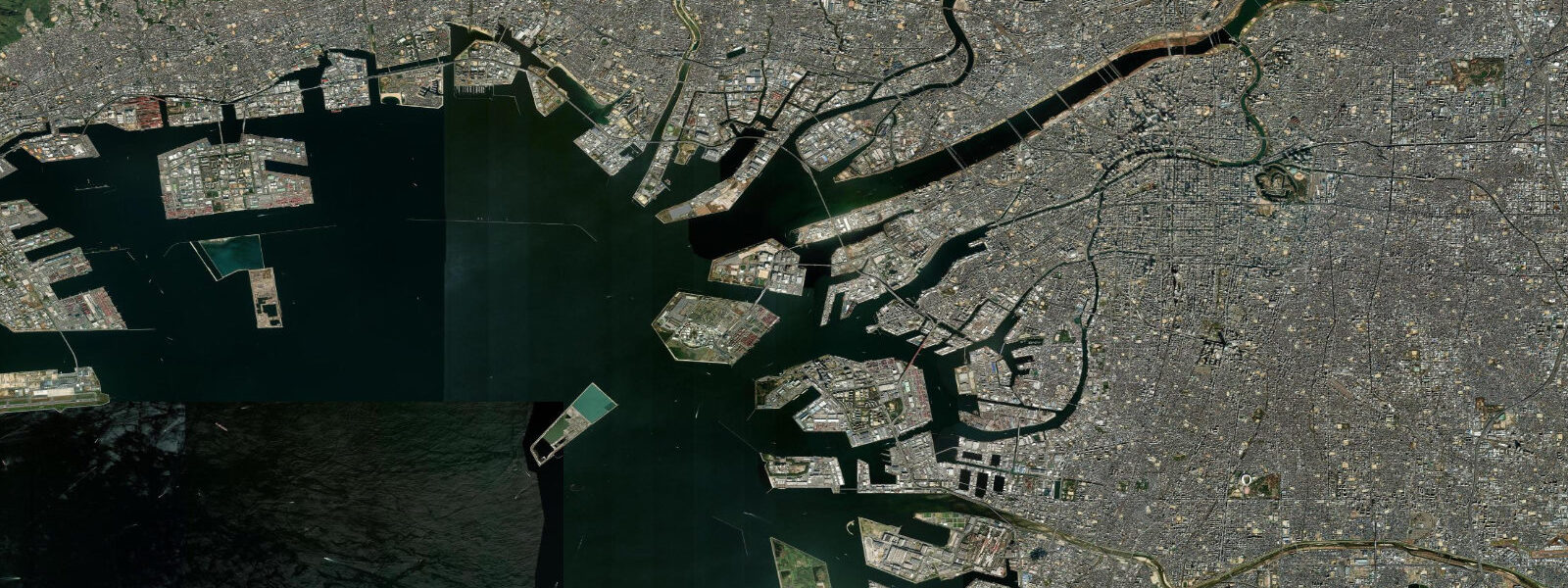
The three closest curated TideTurtle locations to Gamagori, measured by great-circle distance.
Today's solunar windows
Solunar tradition: major periods are the ≈3h windows around moon transit and opposition; minor are ≈2h around moonrise and moonset. Pair with the local tide stage and wind for the best read.
Cycle dates near Gamagori
Next spring tide on Mon 10 Aug (range 1.7m). Next neap on Sun 09 Aug.
Spring tides cluster around new and full moons (biggest swings). Neap tides land on quarter moons (smallest swings). See the spring tide and neap tide glossary entries for the why.
About tides at Gamagori
A short guide to the coastline at Gamagori — geography, sea state, and what the tide is actually doing under your feet.
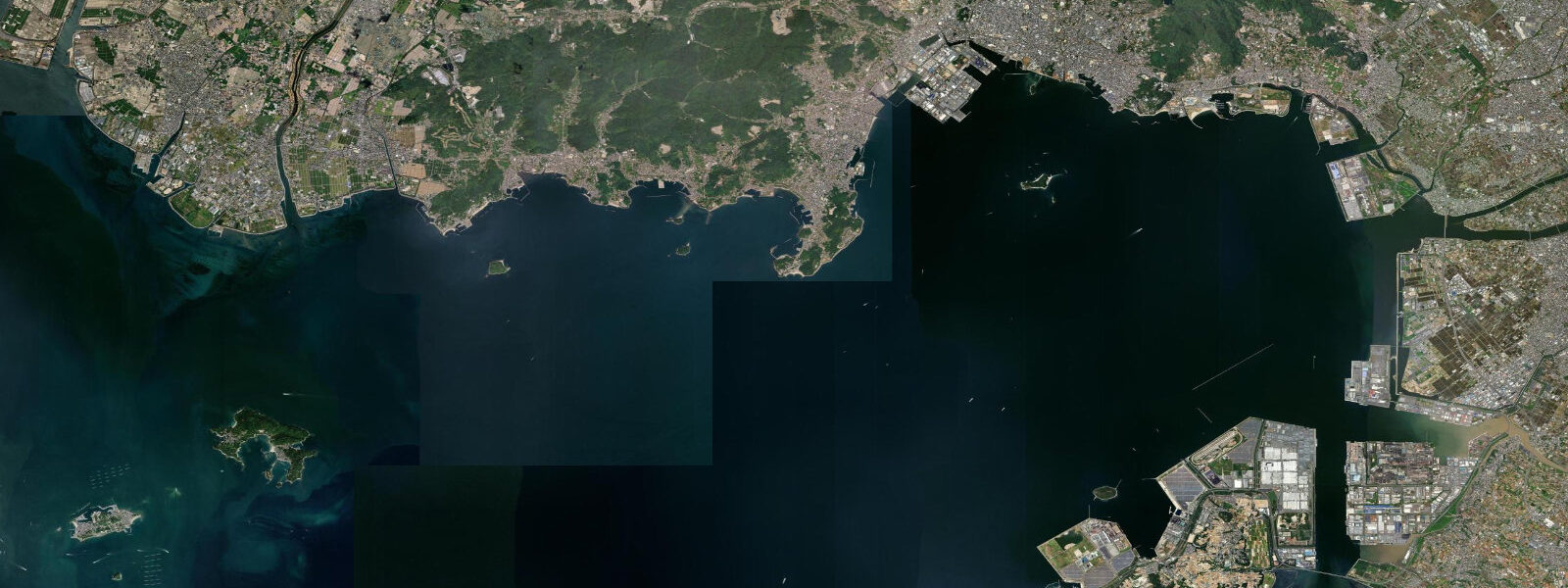
Gamagori is a coastal city of around 80,000 on the southern edge of Aichi Prefecture, at the entrance to Mikawa Bay — the inner bay of the western Ise Bay system. The city sits where the Mikawa coastline narrows toward the bay mouth, sheltered from open Pacific swell by the Atsumi Peninsula to the south. Takeshima Island, a 3-minute bridge walk from the city waterfront, is Gamagori's visual centrepiece: a forested islet ringed by tidal rock platforms connected to the shore by a 387 m pedestrian bridge that becomes a narrow path at high water on the platform faces.
The tidal regime at Gamagori is semidiurnal with a spring range of approximately 2.5 m above Chart Datum. Mean high water springs is around 1.9 m; mean low water springs around 0.4 m. Neap range narrows to 1.0–1.2 m. Mikawa Bay concentrates the tidal exchange of the Ise Bay system; current in the bay-mouth passages between the Atsumi Peninsula and Chita Peninsula runs 1.0–2.0 knots on springs.
The defining tidal activity at Gamagori is asari clam digging on the intertidal flats. The Mikawa Bay tidal flats — exposed for 100–200 m at spring low water on the sheltered inner bay shores — support one of the most productive asari (Manila clam) fisheries in Japan. Gamagori's asari are a regional brand; the city promotes spring clam-digging season (March–May) as the primary tidal activity for families. Spring low tides in the 04:00–09:00 window produce maximum flat exposure. Permits and daily take limits are set by the Aichi Fisheries Cooperative.
For kayakers and stand-up paddlers, Mikawa Bay provides sheltered inner-bay water with gentle tidal current in most of the bay body. The passage between the mainland and Takeshima Island can be kayaked at mid-to-high tide when depth permits a close approach to the island's rock platforms. At spring low water the rock platforms emerge fully — wading distance from the bridge — and provide access to rock pools, anemones, and the extensive intertidal community.
Boat anglers on Mikawa Bay target flounder (karei), sea bass (suzuki), and striped mullet (bora) on the tidal flats. The productive tidal window for flounder is the flooding tide onto the flats: flounder move from deeper channels to the flat margins as the tide rises, hunting small crustaceans exposed by the advancing water. The bay-mouth current rip between the Atsumi and Chita peninsulas holds sea bass on both ebb and flood transitions.
Accommodation in the Gamagori area concentrates in the onsen ryokan on the bay shore at Nishiura, 5 km north. The ryokan sit directly above the bay; many have seawater baths fed from the bay, and tidal state affects the inlet to these systems, with spring low water sometimes reducing flow rate to bay-fed facilities.
All tide predictions for Gamagori come from the Open-Meteo Marine gridded model. Timing accuracy is ±45 minutes; height accuracy is ±0.3 m above Chart Datum.
Tide questions about Gamagori
Quick answers to the most common questions about tide times, range, and water access at Gamagori.
When is the asari clam digging season at Gamagori and what tidal conditions are best?
Gamagori's asari clam-digging season runs March through May, peaking in April. Spring low tides in the early morning (04:00–09:00) produce maximum flat exposure — the 2.5 m spring range drops the water surface to its lowest and exposes the richest outer sections of the flat. Check the tide table for days when low water falls below 0.5 m above Chart Datum for best exposure. The Aichi Fisheries Cooperative sets daily take limits and permitted dig zones; confirm current season rules before visiting. Tide predictions carry ±45 minutes timing uncertainty.
Can visitors walk to Takeshima Island and how does the tide affect access?
Takeshima Island is connected to the Gamagori waterfront by a 387 m pedestrian bridge; the bridge deck is above spring high water and accessible at all tidal stages. The island's tidal rock platforms at the island rim are accessible at mid-to-low tide when the rocks emerge. At spring high water the platforms are fully submerged. The rock pools at low water hold sea anemones, small crabs, and intertidal fish — spring low-water windows in early morning give the best rock-pool exploration conditions.
What fish species can be caught from boats in Mikawa Bay?
Flounder (karei), sea bass (suzuki), striped mullet (bora), and puffer fish (fugu, season-regulated) are the main boat-fishing targets in Mikawa Bay. Flounder move onto the tidal flats on the flooding tide from deeper channels; the productive window is the rising tide from 30 minutes after low water to high water. Sea bass hold at the bay-mouth current rip at the ebb and flood transitions. Striped mullet are targeted across the maximum flat area in the last 60–90 minutes before high water. Charter boats operate from Gamagori port.
Is Mikawa Bay safe for kayaking and paddleboarding?
The inner Mikawa Bay is sheltered from Pacific swell and has tidal current of 0.3–1.0 knots in the bay body — suitable for intermediate kayakers and paddleboarders in normal weather. The bay-mouth passages between the Atsumi and Chita peninsulas carry stronger current (1.0–2.0 knots) and should be timed at slack water for small craft. The area around Takeshima Island is best paddled at mid-to-high tide when rock clearance is adequate. Kayak and SUP rentals are available at the Gamagori waterfront.
What is the tidal range at Gamagori and when does it produce the lowest water?
Gamagori has a semidiurnal spring tidal range of approximately 2.5 m above Chart Datum. Mean high water springs is around 1.9 m; mean low water springs around 0.4 m. The lowest tides of the year occur when the lunar perigee coincides with new or full moon in March–April and September–October. These king low tides expose maximum flat extent and are the best times for clam digging and rock-pool exploration. Neap tides narrow the range to 1.0–1.2 m and reduce flat exposure significantly. Open-Meteo predictions carry ±45 minutes timing uncertainty and ±0.3 m height uncertainty.
8-day tide table — Gamagori
Heights relative to MSL. Predictions: Open-Meteo Marine (MeteoFrance SMOC, 0.08° grid) — heights relative to MSL (not chart datum / LAT). Model-derived.
| Day | Type | Time | Height |
|---|---|---|---|
| Tue 04 Aug | High | 09:00 | 0.8m |
| Low | 14:18 | -0.2m | |
| High | 20:45 | 1.0m | |
| Wed 05 Aug | Low | 03:11 | -0.2m |
| High | 21:13 | 1.0m | |
| Thu 06 Aug | Low | 04:06 | -0.2m |
| High | 10:45 | 0.7m | |
| Low | 15:50 | 0.3m | |
| High | 21:50 | 0.9m | |
| Fri 07 Aug | — | ||
| Sat 08 Aug | Low | 07:00 | -0.4m |
| High | 15:00 | 0.7m | |
| Low | 19:42 | 0.4m | |
| Sun 09 Aug | High | 00:10 | 0.7m |
| Low | 08:20 | -0.5m | |
| High | 16:00 | 0.8m | |
| Low | 21:07 | 0.4m | |
| Mon 10 Aug | High | 02:03 | 0.8m |
| Low | 09:22 | -0.7m | |
| High | 16:43 | 1.0m | |
| Low | 22:06 | 0.3m | |
| Tue 11 Aug | High | 03:12 | 0.9m |
| Low | 08:00 | -0.3m | |