Pink Beach Flores tide times
Pink Beach Flores tide forecast — heights relative to MSL.
Today's tide times for Pink Beach Flores
Tide times at Pink Beach Flores on Tuesday, 4 August 2026: first low tide at 08:00, first high tide at 13:10, second low tide at 19:13. Sunrise 06:16, sunset 18:01.
Tide chart for Pink Beach Flores
24-hour cosine-interpolated curve around the present moment. Heights relative to MSL. Predictions: Predictions: Open-Meteo Marine (MeteoFrance SMOC, 0.08° grid).
Sun, moon and conditions on Tue 04 Aug
Snapshot at build time — refreshes daily. Sea state from Open-Meteo Marine.
Highs and lows next 7 days
Every predicted high and low for the next week, with the daily tidal coefficient (0–120; higher = bigger swing, > 95 means stronger currents).
Other spots nearby
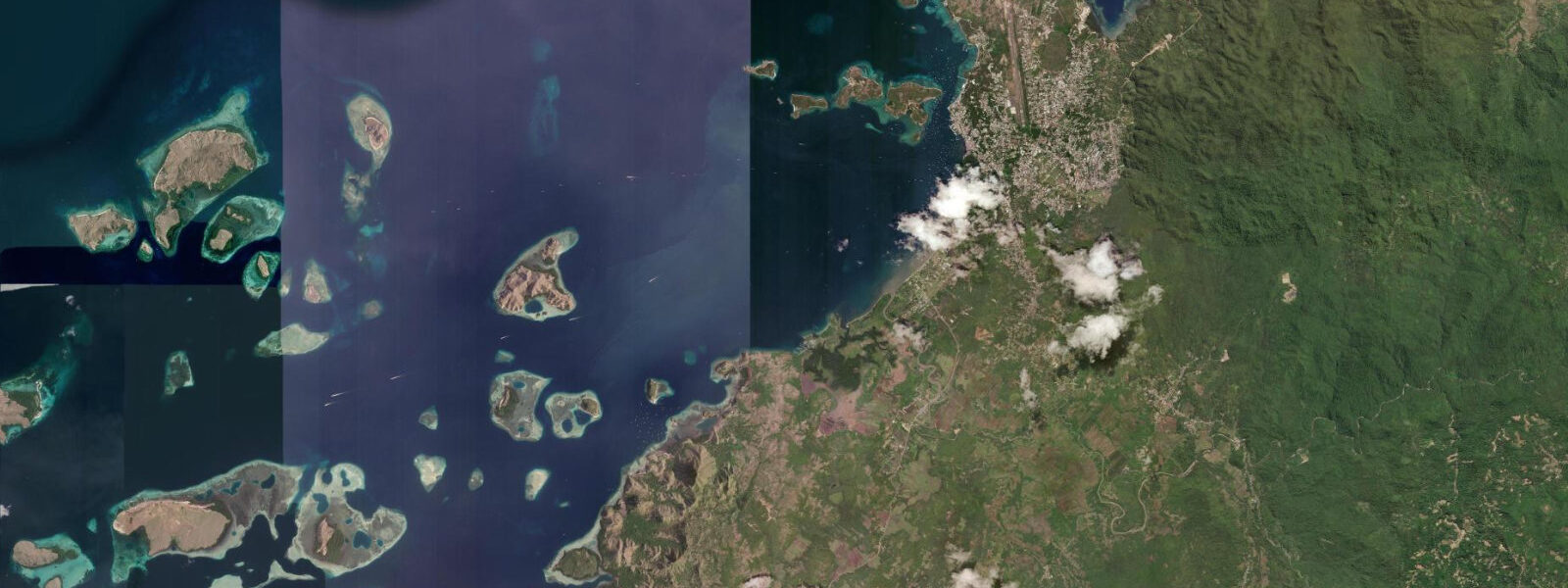
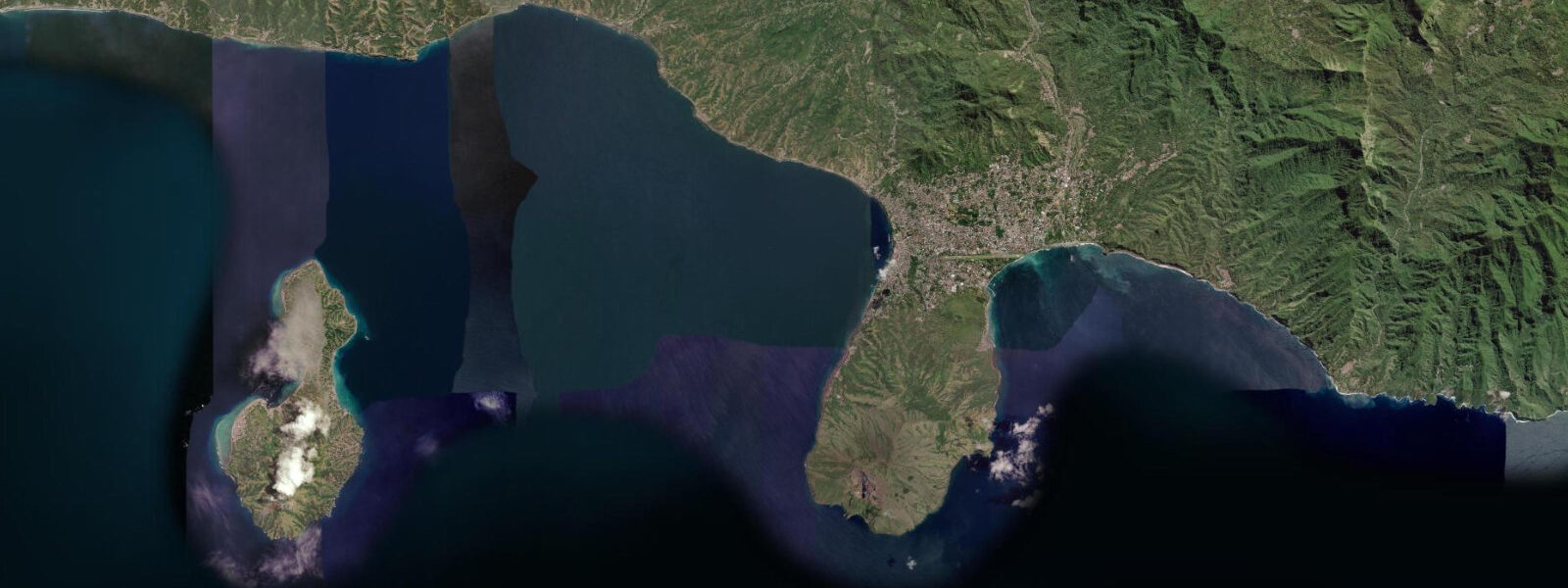
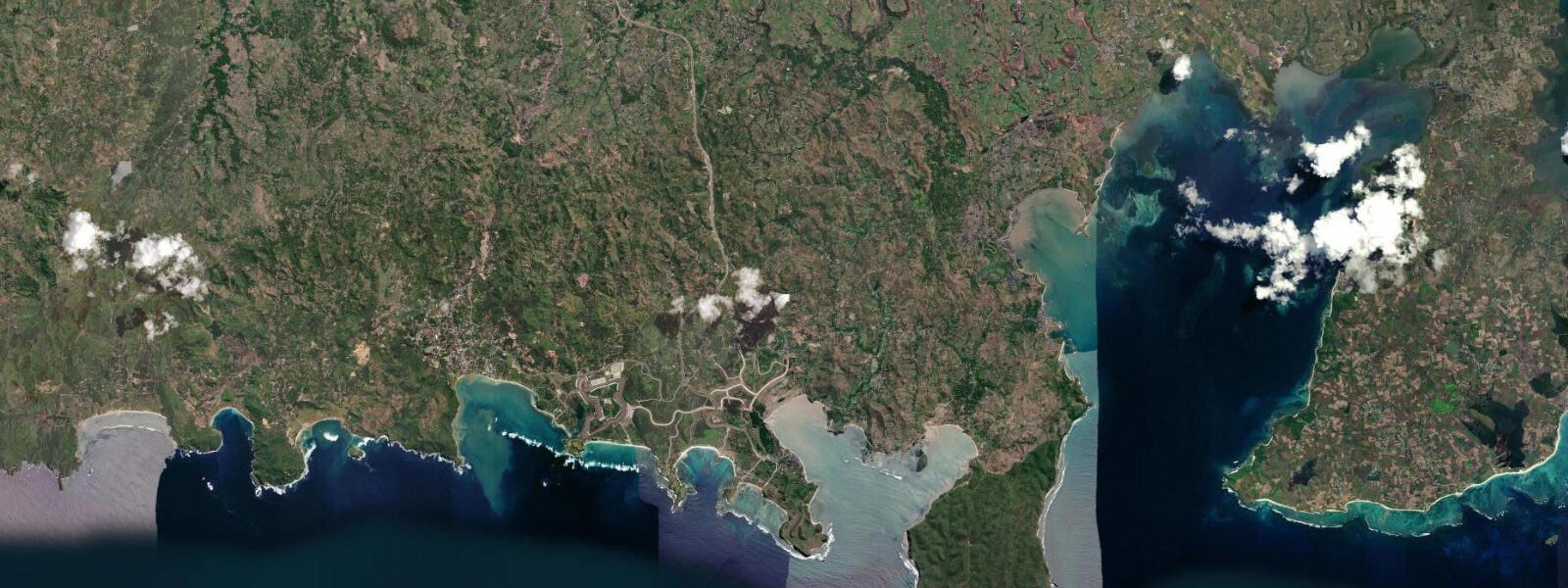
The three closest curated TideTurtle locations to Pink Beach Flores, measured by great-circle distance.
Today's solunar windows
Solunar tradition: major periods are the ≈3h windows around moon transit and opposition; minor are ≈2h around moonrise and moonset. Pair with the local tide stage and wind for the best read.
Cycle dates near Pink Beach Flores
Last spring tide on Tue 04 Aug (range 2.0m). Next spring tide on Mon 10 Aug (range 1.8m). Next neap on Sat 08 Aug.
Spring tides cluster around new and full moons (biggest swings). Neap tides land on quarter moons (smallest swings). See the spring tide and neap tide glossary entries for the why.
About tides at Pink Beach Flores
A short guide to the coastline at Pink Beach Flores — geography, sea state, and what the tide is actually doing under your feet.
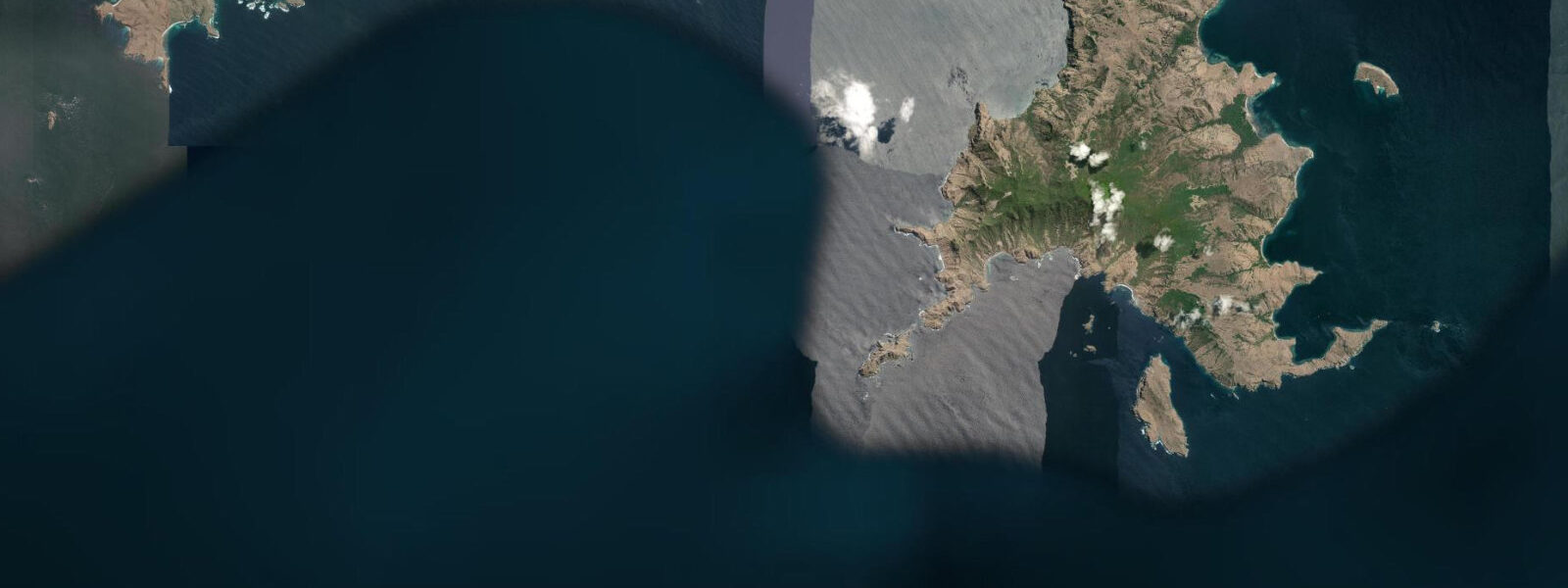
Pink Beach (Pantai Merah — the name translates directly as Red Beach in Indonesian, though the English convention calls it Pink Beach) sits on the eastern coast of Komodo Island, within Komodo National Park. The beach faces southeast into a sheltered bay; the limestone and volcanic headlands on both sides protect it from the direct swell that affects the park's more exposed western coasts. The famous pink colour of the sand comes from the shell fragments of Marginopora vertebralis — a foraminifera, a single-celled marine organism that grows a calcite shell with a distinctive reddish-pink colouration when living and fades to pink-white when broken into fragments.
These fragments are mixed into the standard white silica and coral sand of the beach, producing the pink tint that gives the beach its name. The ratio of Foraminifera fragments to silica varies along the beach, and the colour is most concentrated at the eastern end, below the rocky outcrop where the foraminifera colony is densest in the shallows. Light quality matters more than tide state for the colour: overcast sky or the low-angle light of early morning and late afternoon renders the pink most vividly, because the soft light does not bleach the colour the way direct overhead sun does.
Midday photographs in bright sun can make the beach look pale beige. 5 m, matching the rest of the Komodo National Park area. 0 m depth — snorkellable but shallow, and fins need to be managed carefully to avoid touching coral.
5 m of water overhead — the most comfortable snorkelling depth, with clear visibility down to the coral structure. The recommended snorkel window is mid-to-high tide, in the two hours before and after the predicted high. The reef at Pink Beach is a mix of hard and soft coral, with fish diversity typical of the Komodo park system — high biomass relative to most Indonesian reef sites, reflecting the nutrient upwelling driven by the park's tidal currents.
The outer reef drop-off on the southeastern headland (accessed by swimming 150 m from the main beach) starts at 5–6 m and drops to 20 m; the wall supports gorgonian fans and crinoids. Dive boats anchor in the bay on the protective side of the headland; the anchor site holds in moderate current, and the bay is sheltered from the main park channel current. 5–3 hours by fast boat or 3–4 hours by standard day-trip boat.
The typical schedule arrives at Pink Beach mid-morning (10:00–11:00), which often aligns with the mid-to-high tide window, though this varies with the daily tidal cycle — check the prediction for the specific date. Komodo dragons are occasionally sighted on or near the beach — the park's dragon population roams freely across Komodo Island, and the coastal vegetation behind Pink Beach is within the animals' range. Rangers accompany all visitor groups in the National Park; do not approach dragons independently.
The beach has no shade structure (shade is limited to the headland rocks) and no fresh water — carry adequate sun protection and water for the visit. Boats moor in the bay and use a dinghy or wade to reach the beach; at low spring, the dinghy may ground in shallow water 30–40 m from the sand and passengers wade the last section. 3 m.
BIG (Badan Informasi Geospasial) is the authoritative Indonesian source.
Tide questions about Pink Beach Flores
Quick answers to the most common questions about tide times, range, and water access at Pink Beach Flores.
What makes Pink Beach pink and when does the colour look best?
The pink colour comes from fragments of Marginopora vertebralis, a foraminifera — a single-celled marine organism that builds a reddish-pink calcite shell. When these shells break up and mix into the standard white silica and coral sand, they produce the beach's characteristic tint. The colour is most concentrated at the eastern end of the beach, below the rocky outcrop where the foraminifera colony is densest in the shallows. Light quality determines how vivid the pink appears: overcast sky or low-angle morning and late-afternoon light renders the colour most clearly. Midday sun bleaches it to pale beige in photographs. The practical photography window is the first 2 hours of daylight (06:00–08:00) or the final 90 minutes before sunset. Day trips from Labuan Bajo arrive mid-morning, which is not optimal for colour photography but is the standard schedule.
When is the best time to snorkel at Pink Beach?
Mid-to-high tide is the recommended snorkel window at Pink Beach. Spring range in the Komodo park area is approximately 2.5 m. At low spring (predicted low 0.1–0.2 m above Chart Datum), the reef flat in Pink Beach bay sits at 0.5–1.0 m depth — snorkellable but shallow, requiring careful fin technique to avoid coral contact. At high spring (2.4–2.5 m), the reef flat has 2.0–2.5 m of water overhead: clear, comfortable, and the best visibility down to the coral structure. The outer reef drop-off on the southeastern headland (150 m swim from the beach) starts at 5–6 m and is accessible at any tidal stage. Day trips from Labuan Bajo typically arrive 10:00–11:00; check whether that aligns with the mid-to-high window on your visit date using the tide prediction on this page.
Are there komodo dragons at Pink Beach?
Komodo dragons range freely across Komodo Island, which is entirely within the national park. The coastal vegetation behind Pink Beach is within their territory; sightings at the beach are not unusual, particularly in the early morning when dragons move to warmer open ground. The National Park requires all visitors to be accompanied by a park ranger at all times on Komodo Island; this rule applies at Pink Beach as on the ranger-station trails. Rangers maintain a safety perimeter around any dragon encountered. Do not leave the group or approach a dragon independently. The rangers at Pink Beach are stationed there during day-visit hours. The standard Pink Beach day trip from Labuan Bajo includes ranger escort as part of the park entry arrangement.
How do I reach Pink Beach from Labuan Bajo?
Pink Beach is on Komodo Island's east coast, 3–4 hours from Labuan Bajo by standard day-trip boat or 2.5 hours by fast boat. It is not accessible overland — Komodo Island has no road network. Day trips are booked through operators in Labuan Bajo and typically combine Pink Beach with a snorkel stop at another site (Bat Island, Manta Point, or Batu Bolong), a komodo dragon walk on Rinca or Komodo Island, and a sunset stop. Full-day tours depart 07:00–08:00 and return by 18:00–19:00. Liveaboard dive boats include Pink Beach as a standard itinerary stop. National park entry fees apply and are usually included in the day-trip price; check whether the fee is bundled or payable separately.
Where do the tide predictions for Pink Beach come from?
Predictions on this page are from Open-Meteo Marine, a free gridded global ocean model, with typical accuracy of ±45 minutes on timing and ±0.2–0.3 m on height. The tidal predictions here are useful for planning the snorkel window at Pink Beach — whether to expect shallow or deep water over the reef flat on arrival. For vessel operations in Komodo National Park waters, use BIG (Badan Informasi Geospasial) official tide tables and the park's current charts. Day-trip and liveaboard operators in Labuan Bajo have site-specific current knowledge for the park channels. Not for navigation.
8-day tide table — Pink Beach Flores
Heights relative to MSL. Predictions: Open-Meteo Marine (MeteoFrance SMOC, 0.08° grid) — heights relative to MSL (not chart datum / LAT). Model-derived.
| Day | Type | Time | Height |
|---|---|---|---|
| Tue 04 Aug | Low | 08:00 | -0.6m |
| High | 13:10 | 1.3m | |
| Low | 19:13 | -0.7m | |
| Wed 05 Aug | High | 13:46 | 1.1m |
| Low | 19:40 | -0.5m | |
| Thu 06 Aug | High | 02:01 | 1.4m |
| Low | 08:35 | -0.5m | |
| High | 14:26 | 0.8m | |
| Low | 20:05 | -0.3m | |
| Fri 07 Aug | High | 02:40 | 1.3m |
| Low | 09:37 | -0.4m | |
| High | 15:24 | 0.5m | |
| Low | 20:42 | -0.1m | |
| Sat 08 Aug | High | 03:38 | 1.2m |
| Low | 11:06 | -0.3m | |
| Sun 09 Aug | High | 05:12 | 1.1m |
| Low | 13:05 | -0.4m | |
| High | 20:06 | 0.4m | |
| Mon 10 Aug | Low | 00:21 | 0.2m |
| High | 07:02 | 1.1m | |
| Low | 14:34 | -0.6m | |
| High | 21:13 | 0.7m | |
| Tue 11 Aug | Low | 02:07 | -0.0m |
| High | 07:00 | 1.2m |