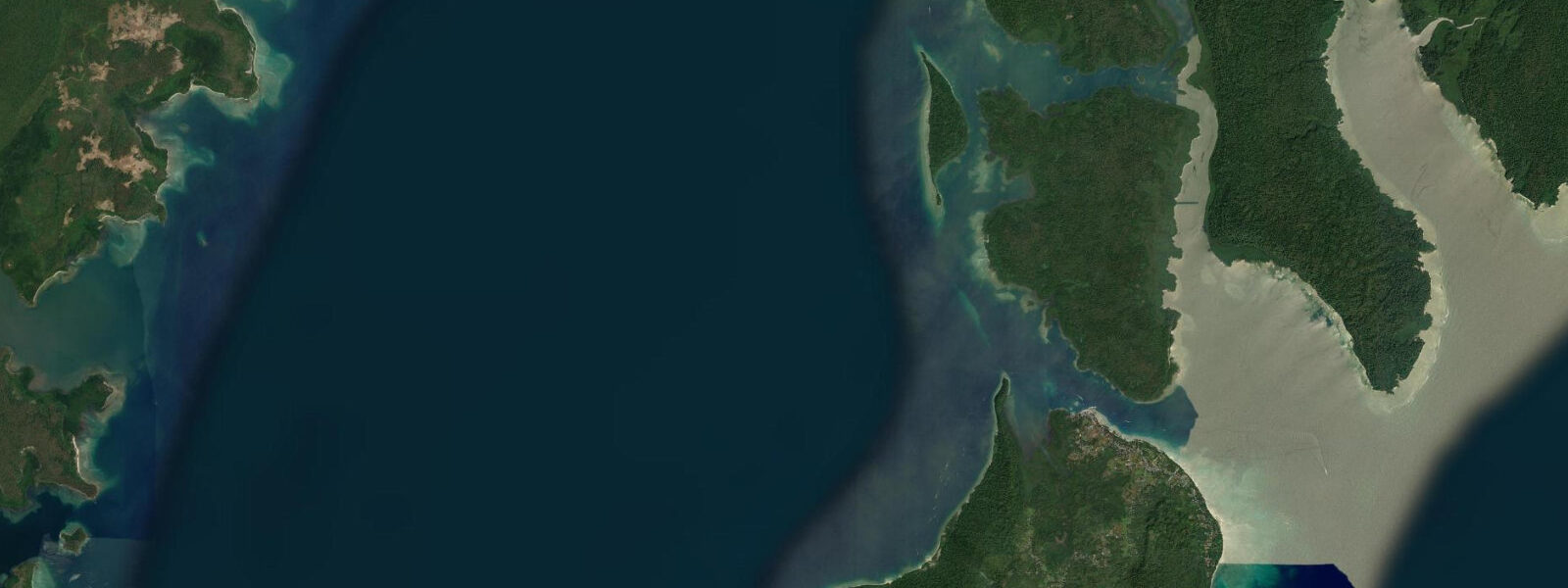
Havelock Island tide times
Havelock Island tide forecast — heights relative to MSL.
Today's tide times for Havelock Island
Tide times at Havelock Island on Tuesday, 4 August 2026: first low tide at 05:30, first high tide at 11:28, second low tide at 17:45. Sunrise 05:05, sunset 17:43.
Tide chart for Havelock Island
24-hour cosine-interpolated curve around the present moment. Heights relative to MSL. Predictions: Predictions: Open-Meteo Marine (MeteoFrance SMOC, 0.08° grid).
Sun, moon and conditions on Tue 04 Aug
Snapshot at build time — refreshes daily. Sea state from Open-Meteo Marine.
Highs and lows next 7 days
Every predicted high and low for the next week, with the daily tidal coefficient (0–120; higher = bigger swing, > 95 means stronger currents).
Other spots nearby
The three closest curated TideTurtle locations to Havelock Island, measured by great-circle distance.
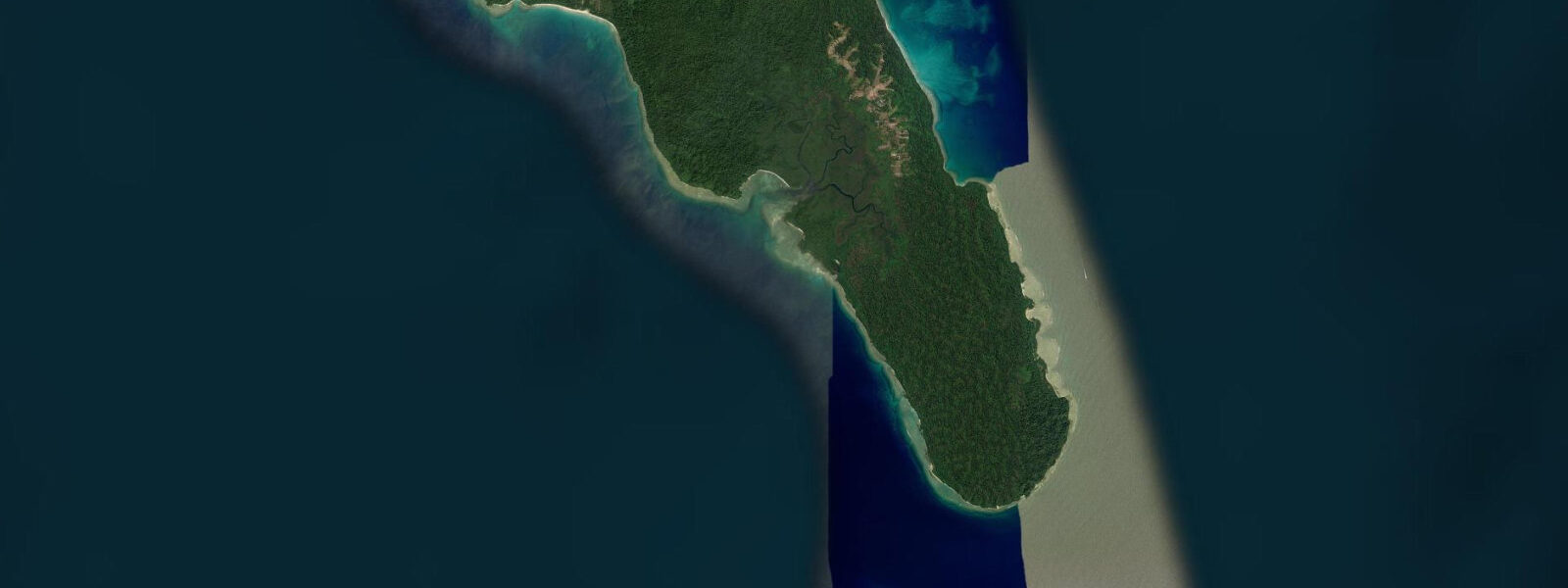
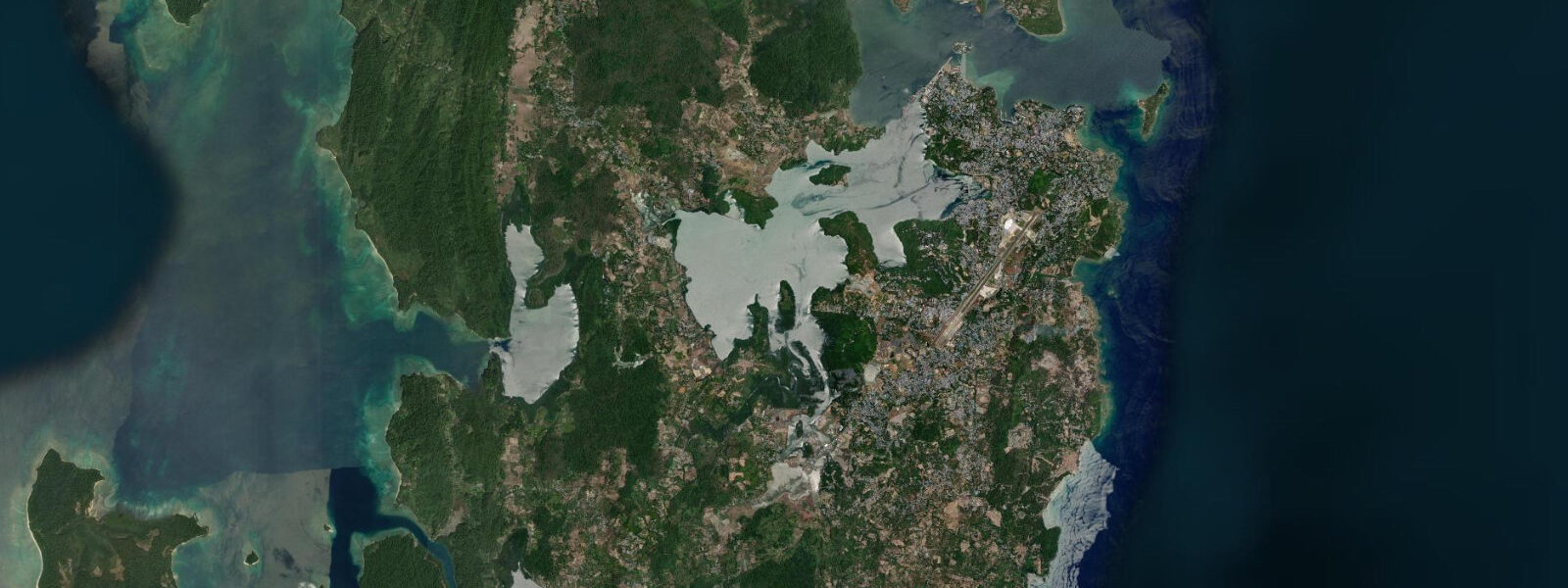
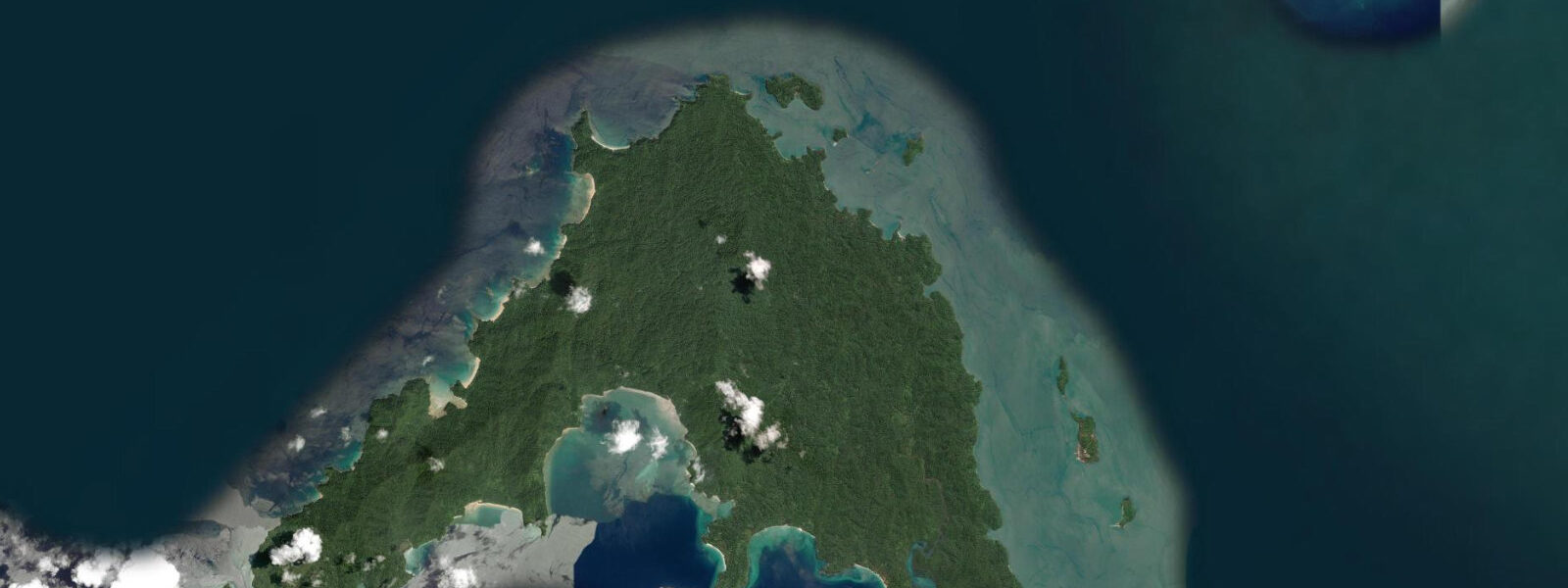
Today's solunar windows
Solunar tradition: major periods are the ≈3h windows around moon transit and opposition; minor are ≈2h around moonrise and moonset. Pair with the local tide stage and wind for the best read.
Cycle dates near Havelock Island
Last spring tide on Tue 04 Aug (range 1.6m). Next spring tide on Mon 10 Aug (range 1.4m). Next neap on Sat 08 Aug.
Spring tides cluster around new and full moons (biggest swings). Neap tides land on quarter moons (smallest swings). See the spring tide and neap tide glossary entries for the why.
About tides at Havelock Island
A short guide to the coastline at Havelock Island — geography, sea state, and what the tide is actually doing under your feet.
Havelock Island — officially renamed Swaraj Dweep in 2018, though the colonial name persists in everyday usage — is the most visited island in the Andaman archipelago, 39 kilometres northeast of Port Blair. The island is 13 kilometres long and 7 kilometres wide, densely forested with tropical rainforest that comes to within 50 metres of the beach at most points. Seven beaches are numbered under the original British survey system; the most celebrated, Beach 7 (Radhanagar), faces west across the Andaman Sea.
The tidal range at Havelock is 2.8–3.2 m on spring tides, semidiurnal. The drop between high and low water at Radhanagar Beach is among the most dramatic visual tidal effects in the Andamans: at high spring water the sea reaches the base of the treeline fringe behind the beach; at low spring water, 80–100 metres of flat, clean white sand are exposed between the treeline and the waterline. The same 3-metre tidal range drives the inter-island currents in the passages between Havelock and the surrounding islands — Neil Island to the south, Long Island to the northeast — at 2–4 knots at peak spring ebb.
Radhanagar Beach on the west coast is the primary attraction. The beach faces west and catches the full Andaman Sea sunset — the western horizon is open ocean all the way to Sri Lanka 1,200 kilometres distant, with no island obstruction. The beach width at low spring water is 80–100 metres; at high spring water it narrows to 20–30 metres but the water depth increases to 1.5–2.5 m within 30 metres of shore, making the high-water period the best swimming window. The wave energy here is moderate — the Andaman Sea does not have the fetch of the open Indian Ocean, but southwest monsoon swells from May through September produce surf of 1.0–1.5 m that is managed but not trivial. Outside the monsoon (October through April), the beach is calmer.
Big Beach north of Radhanagar and Beach 5 (Vijay Nagar) on the northeast coast face different directions and catch different swell patterns. Vijay Nagar's beach faces east-northeast, sheltered from the southwest monsoon but exposed to the northeast monsoon from October through January. The reef flat fronting Beach 5 is one of the better snorkelling sites accessible directly from the beach — coral coverage at the outer edge of the reef flat is highest from 2 hours before to 2 hours after high water, when depth is sufficient to snorkel comfortably over the coral heads without risk of contact.
Beach 3 (Govindnagar) on the east coast fronts the best shallow-reef snorkelling on Havelock accessible without a boat. The fringing reef extends 150–200 metres from the beach at this point, with the outer reef edge at 3–5 m depth at high tide. Visibility at Beach 3 is typically 10–20 m on calm days — somewhat lower than the outer dive sites but reliable for fish-watching and coral identification. The best snorkelling window is mid-tide through high water on neap tides; during spring tide ebb the current runs noticeably across the reef flat and makes snorkelling toward the outer edge work.
Scuba diving from Havelock accesses sites including Aquarium (shallow reef, excellent for entry-level divers), Barracuda City (pelagic species, best on the ebb current), and the Maze (complex reef topography, suitable for experienced divers). The dive boats from the jetty at Beach 5 time their departures to arrive at the target site during the slack water window, typically at the end of the flood or the end of the ebb — 30 minutes before predicted slack and 30 minutes after. The dive operators on the island have detailed local knowledge of the current patterns at each site and plan accordingly.
For kayakers, the calm water on the east side of Havelock during the October–April northeast monsoon season is well suited to paddling between the beaches. The passage from Beach 5 north to Elephant Beach (about 5 km by sea) follows a sheltered shoreline; the north-coast passage is open to the northeast and rougher from October through January. Kayak rentals are available at Beach 5 and Radhanagar; no guided infrastructure exists for the inter-island passages between Havelock and Neil, which involve spring-ebb currents of 2–4 knots unsuitable for casual paddling.
All tide predictions for Havelock Island come from the Open-Meteo Marine gridded model. Timing accuracy is ±45 minutes; height accuracy is ±0.3 m above Chart Datum.
Tide questions about Havelock Island
Quick answers to the most common questions about tide times, range, and water access at Havelock Island.
How wide is Radhanagar Beach at high tide versus low tide?
At high spring water, Radhanagar Beach is 20–30 m wide between the treeline and the waterline. At low spring water, the tidal drop of 2.8–3.2 m exposes 80–100 m of flat, clean white sand. The tidal range is large enough that the same beach looks fundamentally different at opposite tidal extremes: at low water it is a wide expanse suitable for walking the full length; at high water it is a narrower strip where the sea reaches almost to the coconut palms. Swimming is best at high water when depth within 30 m of shore is 1.5–2.5 m. The October–April dry season gives the clearest water and most manageable swell conditions. Open-Meteo predictions carry ±45 minutes and ±0.3 m uncertainty.
What are the inter-island current conditions between Havelock and Neil Island?
The passage between Havelock (Swaraj Dweep) and Neil Island (Shaheed Dweep) narrows to approximately 12 km at the closest point, with the tidal flow running northeast–southwest as the tide rises and falls. Spring ebb currents in the passages reach 2–4 knots in the narrows between the islands. The government ferries and private launches running the route are unaffected by this current range, but sea kayakers planning to cross between the islands need to account for significant set — a 4-knot current over a 12-km crossing moves an unpowered craft approximately 3–4 km off course. Experienced sea kayakers cross at slack water (30-minute windows near high and low water); recreational kayakers should not attempt the inter-island passage.
Which beach on Havelock is best for snorkelling from shore and when?
Beach 3 (Govindnagar) on the east coast provides the most accessible from-shore snorkelling on Havelock. The fringing reef extends 150–200 m from the beach with the outer edge at 3–5 m depth at high water. The best window is mid-tide through high water on neap tides, when depth is adequate and the current across the reef flat is minimal. During spring ebb the current runs across the outer reef and tires snorkellers working against it. Visibility is typically 10–20 m. Beach 5 (Vijay Nagar) also has a reef flat accessible from shore; the outer edge is slightly shallower. Radhanagar Beach's reef is accessible by short boat transfer from the beach — the nearest significant coral is 400–600 m offshore.
When is the best season for diving around Havelock and how do tides affect dive timing?
October through April is the primary dive season — the northeast monsoon brings calmer conditions and visibility regularly exceeding 20 m on the outer reef sites. May through September, the southwest monsoon makes conditions rougher, some sites inaccessible, and visibility 8–15 m. Dive boats from Beach 5 time departures for the 30-minute slack-water window at each site, when current drops below 0.5 knots. Sites such as Barracuda City are dived on the ebb current when pelagic species are active at the reef edge. Dive operators hold site-specific current tables — use these rather than the harbour tide prediction alone.
Is kayaking safe on the east coast of Havelock and what are the conditions?
The east coast of Havelock from Beach 5 north to Elephant Beach is a sheltered paddling environment during the October–April northeast monsoon season, protected from the southwest swell by the island's bulk. The 5 km passage from Beach 5 to Elephant Beach follows a shoreline with multiple landing points. Current along the east coast is 0.3–0.8 knots on spring tides — manageable. October through January the northeast monsoon generates 0.5–1.0 m chop on the exposed north coast; paddlers should stay on the east side in that period. May through September, the southwest monsoon makes the west coast (Radhanagar, Big Beach) unsuitable for kayaking. Kayak rentals are available at Beach 5; no commercial kayak guiding infrastructure exists for multi-day passages.
8-day tide table — Havelock Island
Heights relative to MSL. Predictions: Open-Meteo Marine (MeteoFrance SMOC, 0.08° grid) — heights relative to MSL (not chart datum / LAT). Model-derived.
| Day | Type | Time | Height |
|---|---|---|---|
| Tue 04 Aug | Low | 05:30 | 0.0m |
| High | 11:28 | 1.5m | |
| Low | 17:45 | -0.1m | |
| Wed 05 Aug | High | 00:06 | 1.4m |
| Low | 06:07 | 0.1m | |
| High | 12:07 | 1.4m | |
| Low | 18:26 | -0.0m | |
| Thu 06 Aug | High | 00:52 | 1.3m |
| Low | 07:04 | 0.2m | |
| High | 12:55 | 1.1m | |
| Low | 19:13 | 0.1m | |
| Fri 07 Aug | High | 14:06 | 1.0m |
| Low | 20:30 | 0.2m | |
| Sat 08 Aug | High | 03:18 | 1.2m |
| Low | 10:06 | 0.3m | |
| High | 15:52 | 0.9m | |
| Sun 09 Aug | Low | 11:45 | 0.2m |
| High | 17:43 | 0.9m | |
| Low | 23:41 | 0.1m | |
| Mon 10 Aug | High | 06:22 | 1.4m |
| Low | 12:56 | -0.0m | |
| High | 18:55 | 1.1m | |
| Tue 11 Aug | Low | 00:46 | -0.0m |
| High | 04:30 | 0.9m |