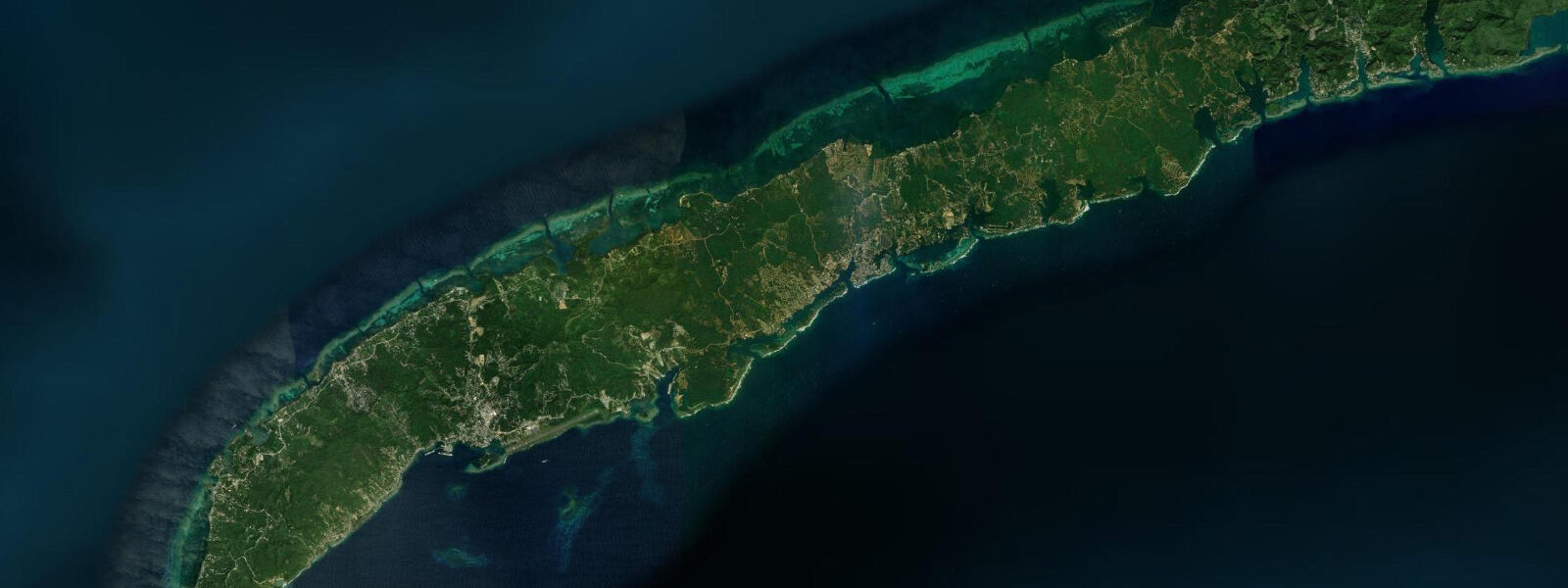
Coxen Hole, Roatan tide times
Coxen Hole, Roatan tide forecast — heights relative to MSL.
Tide chart for Coxen Hole, Roatan
24-hour cosine-interpolated curve around the present moment. Heights relative to MSL. Predictions: Predictions: Open-Meteo Marine (MeteoFrance SMOC, 0.08° grid).
Sun, moon and conditions on Mon 03 Aug
Snapshot at build time — refreshes daily. Sea state from Open-Meteo Marine.
Highs and lows next 7 days
Every predicted high and low for the next week, with the daily tidal coefficient (0–120; higher = bigger swing, > 95 means stronger currents).
Other spots nearby
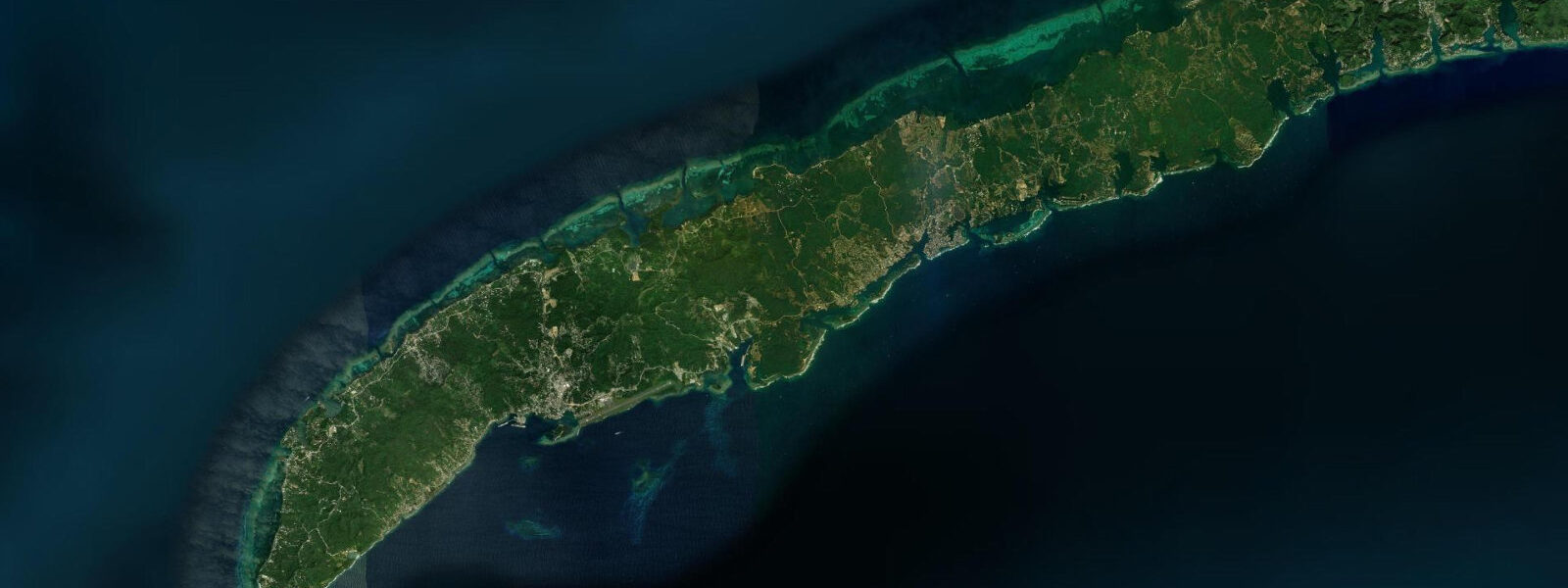
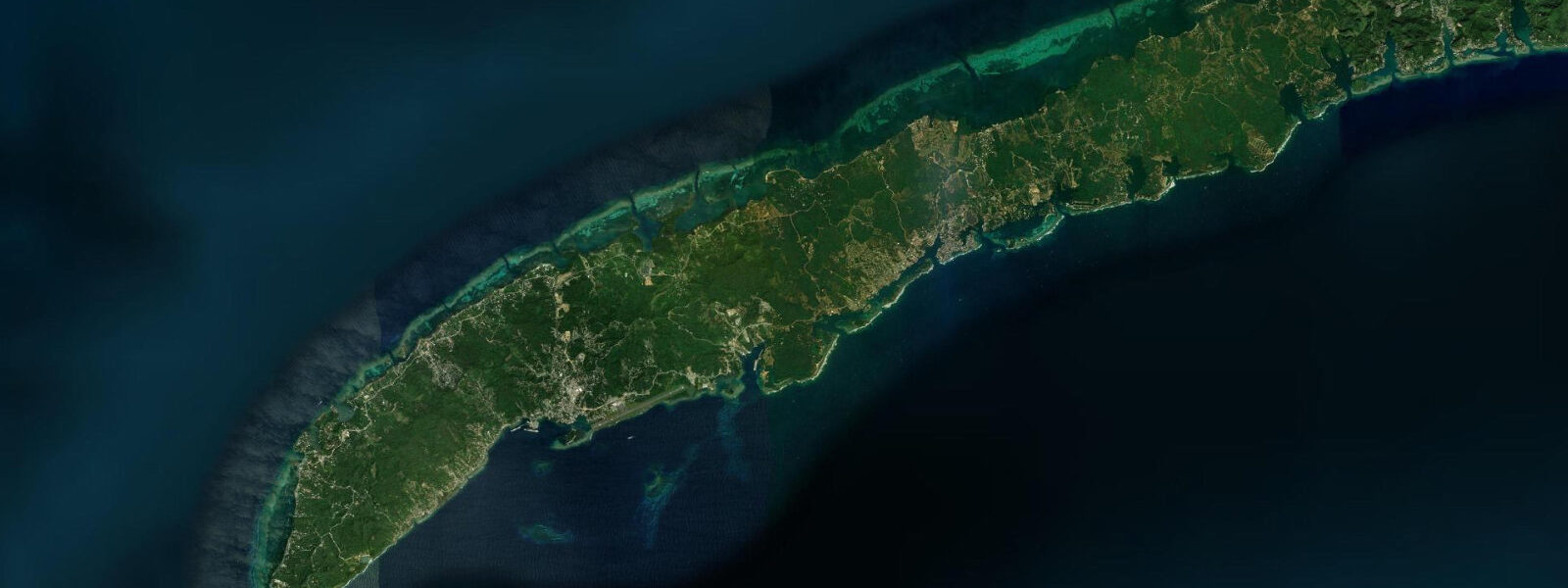
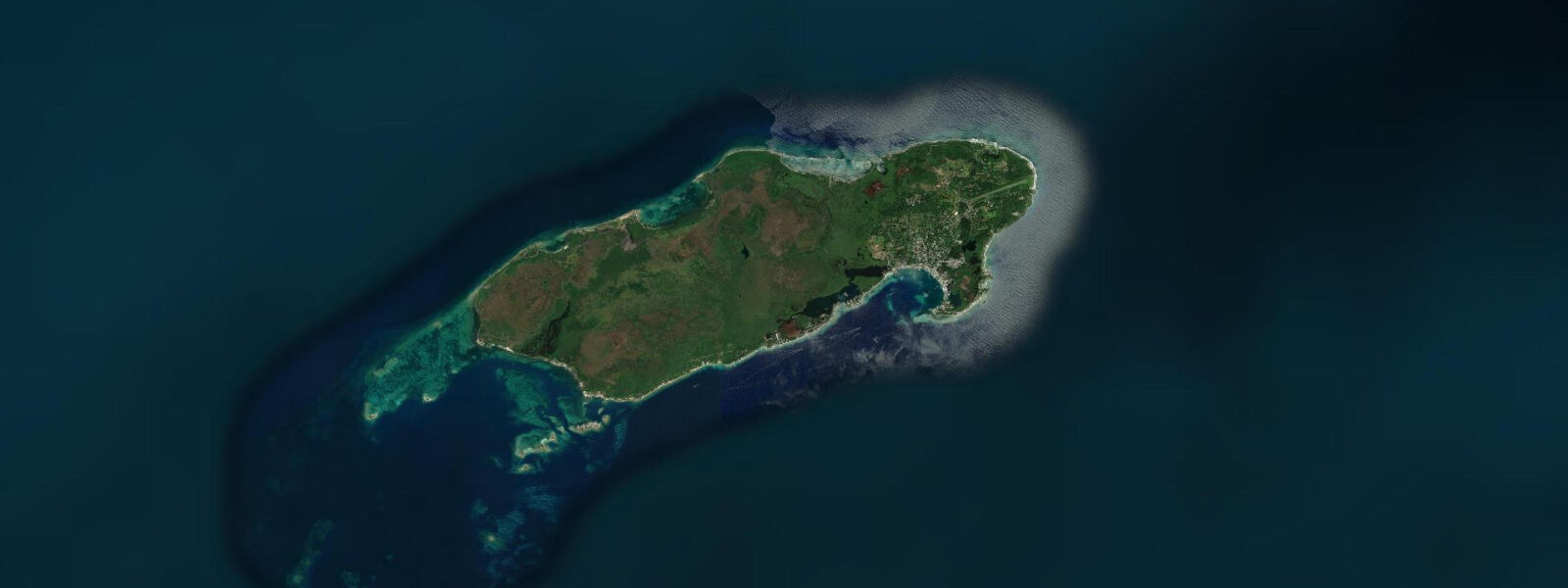
The three closest curated TideTurtle locations to Coxen Hole, Roatan, measured by great-circle distance.
Today's solunar windows
Solunar tradition: major periods are the ≈3h windows around moon transit and opposition; minor are ≈2h around moonrise and moonset. Pair with the local tide stage and wind for the best read.
Cycle dates near Coxen Hole, Roatan
Next spring tide on Sat 08 Aug (range 0.3m). Last neap on Mon 03 Aug. Next neap on Sun 09 Aug.
Spring tides cluster around new and full moons (biggest swings). Neap tides land on quarter moons (smallest swings). See the spring tide and neap tide glossary entries for the why.
About tides at Coxen Hole, Roatan
A short guide to the coastline at Coxen Hole, Roatan — geography, sea state, and what the tide is actually doing under your feet.
Coxen Hole is Roatan’s main town and the functional capital of the Bay Islands department of Honduras. It is not a beach destination. What it is: the ferry terminal for services to La Ceiba on the mainland, the main commercial hub of the island, and the port of entry for anyone arriving by air at Juan Manuel Gálvez International Airport, 3 km to the east. The waterfront here is functional infrastructure — fuel dock, freight pier, ferry terminal — not a resort beach.
The tidal regime is the same as the rest of Roatan: mixed semidiurnal, spring range 0.3–0.5 m above Chart Datum, neap range 0.1–0.2 m. In a working port context, these small increments still matter. The ferry dock has a fixed pier height calibrated to the mid-tide level; at spring high water the gangway angle is shallower and boarding is more comfortable. At spring low water the gangway steepens and there is 0.3–0.4 m more drop from the pier edge to the ferry deck. This is not a safety issue under normal conditions but it affects the ramp angle for passengers with heavy luggage or mobility constraints.
For the Hedman Alas and Galaxy Wave catamaran ferries that link Coxen Hole to La Ceiba (roughly 2 hours; services typically at 07:30 and 14:30, timetables subject to change), the operational consideration is dock-face water depth rather than gangway angle. The ferry dock is in 2.5–4.0 m of water at mid-tide; at spring low water, depth drops to 2.0–3.5 m. These catamarans draw 1.0–1.5 m fully loaded; there is adequate clearance at all tidal stages. The practical impact of the tide at the ferry dock is negligible for scheduled services operating to the current timetables.
For private boat operators and liveaboard dive vessels using the Coxen Hole anchorage, the picture is more nuanced. The anchorage area east of the ferry pier is in 3–8 m, exposed to the northwest quadrant. At spring low water, vessels anchored in 3–4 m have reduced scope options; deeper-draft vessels — anything over 2.5 m — should anchor in the 5–8 m zone east of the main pier. The holding is reported as moderate over sand and rock; divers have described the bottom as mixed sand and coral rubble, which means anchors can foul on reef structure.
The town itself is compact and walkable from the ferry terminal. The main commercial street has grocery stores, a pharmacy, a hardware store, and the Municipalidad (town hall). The fish market near the main pier is the practical resource for anglers looking to sell catch or buy live bait; it is open from roughly 06:00 to noon on weekdays, with the best selection arriving with the early-morning panga fleet. Tidal timing affects this: pangas working the outer reef depart around 05:00 on the ebb and return when their catch is full, typically 07:00–09:00 on a morning fish.
For photographers, Coxen Hole’s visual interest is the waterfront life rather than natural scenery. The ferry arrivals and departures, the painted pangas, the fish market — these are the subjects. Low-water mornings, when the dock pilings are fully exposed and the waterline is at its lowest, show the layered wood and barnacle texture of the old pier structure. The east-facing waterfront gets direct morning light until about 10:30.
Anglers passing through Coxen Hole on the way to West Bay or the East End resorts can arrange guide charters through the operators who work out of the main dock. The eastern tip of Roatan — near Punta Gorda and Old Port Royal — has significantly more productive inshore fishing than the tourist-heavy west end; reaching it requires a 45-minute panga ride from Coxen Hole.
All tide predictions for Coxen Hole come from the Open-Meteo Marine gridded model. Timing accuracy is ±45 minutes; height accuracy is ±0.3 m above Chart Datum.
Tide questions about Coxen Hole, Roatan
Quick answers to the most common questions about tide times, range, and water access at Coxen Hole, Roatan.
Does the tide at Coxen Hole affect the ferry schedule or boarding?
The Galaxy Wave and Hedman Alas catamaran ferries operating between Coxen Hole and La Ceiba draw 1.0–1.5 m fully loaded; the dock is in 2.5–4.0 m at mid-tide and retains 2.0–3.5 m at spring low water. There is no tide-related cancellation risk under normal conditions. The gangway angle does steepen at spring low water by roughly 10–15° compared to high water — noticeable if you are carrying heavy bags. Arrive at the terminal at least 30 minutes before departure regardless of tidal state; the catamaran services run to fixed timetables.
Is there anywhere to swim or snorkel near Coxen Hole?
Coxen Hole itself has no public swimming beach — the waterfront is commercial infrastructure. The nearest snorkelling is at West Bay, 6 km west by road or 20 minutes by water taxi. West Bay’s barrier reef is accessible at all tidal stages with the best clearance over the shallowest coral sections on the upper half of the tide. For a day trip, water taxis run from the dock adjacent to the Coxen Hole ferry terminal throughout the day. Roatan’s main diving operations — Anthony’s Key, CoCo View, Reef Gliders — are clustered along the north coast and at the East End, not at Coxen Hole.
What is the tidal range at Coxen Hole and does it affect anchoring?
Coxen Hole has a mixed semidiurnal tidal range of 0.3–0.5 m on springs. For vessels anchoring in the Coxen Hole roadstead, the practical concern is scope: in 3–4 m at mid-tide, a spring low water drop of 0.3–0.4 m reduces effective depth to 2.7–3.7 m. Deeper-draft vessels (over 2.5 m) should anchor in the 5–8 m zone east of the main pier. The holding is mixed sand and coral rubble and anchor fouling on reef structure is reported by visiting vessels. Tie-up at the fuel dock is possible for day stops; check draft clearance directly with the dock operator. Tide predictions from Open-Meteo carry ±45 minutes and ±0.3 m uncertainty.
How do I get from Coxen Hole to the Bay Islands by ferry, and does tide affect departure?
The ferry terminal at Coxen Hole runs catamaran services to La Ceiba on the Honduran mainland, approximately 2 hours each way. Services typically run at 07:30 and 14:30 but timetables change seasonally — confirm with the operator directly. The tidal range of 0.3–0.5 m does not affect scheduled ferry departures; the dock has sufficient depth at all tidal stages for the catamarans in service. Book tickets in advance during the November–April high season. The terminal is a 5-minute taxi ride from the airport.
When does the Coxen Hole fish market run, and how does the tide affect fresh catch availability?
The fish market near the main pier operates from approximately 06:00 to noon on weekdays. Panga fishing boats depart the dock around 05:00 on the ebb tide and return when they have made their catch, typically 07:00–09:00 on a morning run. The freshest catch lands between those hours: yellowtail snapper, grouper, and jack are the most common species. On spring ebb mornings — when outgoing tidal current is at its strongest — boats can reach the outer reef faster; arrival times at the market are 15–20 minutes earlier than on neap mornings. Weekend market activity is reduced.
8-day tide table — Coxen Hole, Roatan
Heights relative to MSL. Predictions: Open-Meteo Marine (MeteoFrance SMOC, 0.08° grid) — heights relative to MSL (not chart datum / LAT). Model-derived.
| Day | Type | Time | Height |
|---|---|---|---|
| Mon 03 Aug | — | ||
| Tue 04 Aug | Low | 06:50 | 0.0m |
| High | 14:00 | 0.2m | |
| Wed 05 Aug | Low | 08:00 | -0.0m |
| High | 15:50 | 0.2m | |
| Thu 06 Aug | Low | 09:00 | -0.1m |
| Fri 07 Aug | High | 03:00 | 0.1m |
| Low | 10:00 | -0.1m | |
| Sat 08 Aug | High | 04:00 | 0.2m |
| Low | 10:50 | -0.1m | |
| High | 18:00 | 0.2m | |
| Low | 23:45 | 0.0m | |
| Sun 09 Aug | High | 05:10 | 0.2m |
| Low | 11:54 | -0.1m | |
| High | 18:45 | 0.2m | |
| Mon 10 Aug | Low | 00:00 | -0.0m |
| High | 06:00 | 0.2m | |