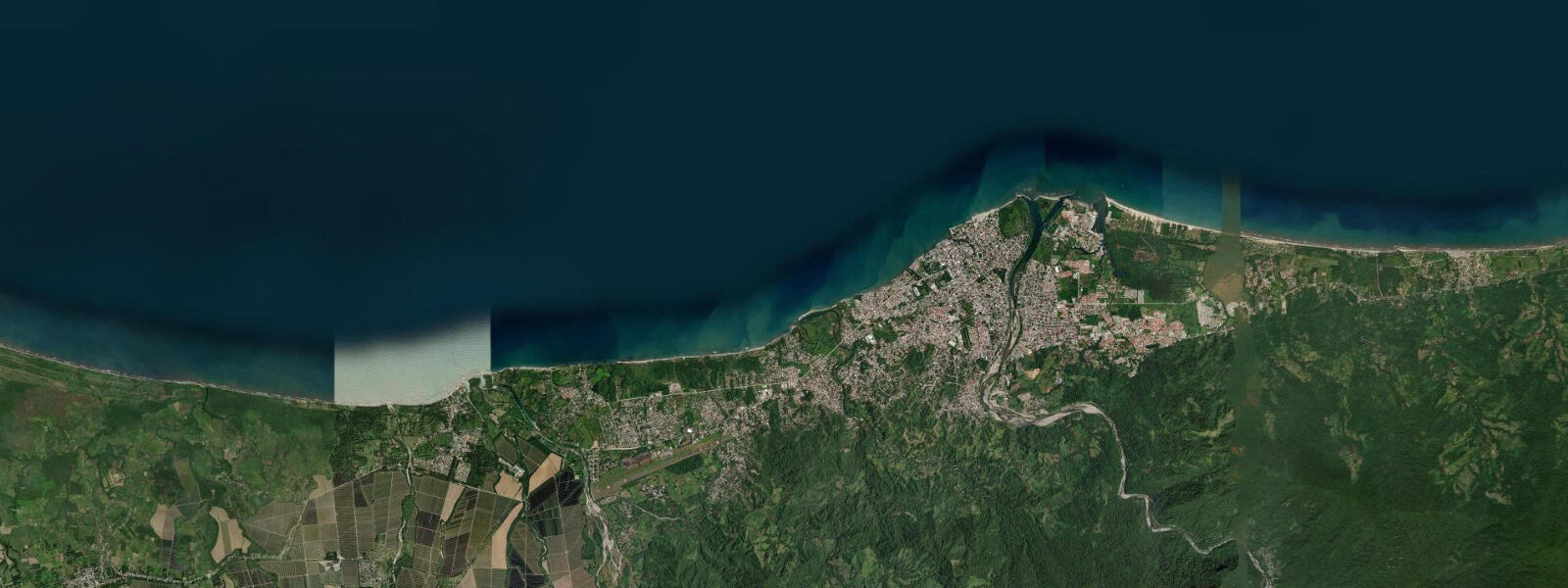
La Ceiba, Honduras tide times
La Ceiba, Honduras tide forecast — heights relative to MSL.
Tide chart for La Ceiba, Honduras
24-hour cosine-interpolated curve around the present moment. Heights relative to MSL. Predictions: Predictions: Open-Meteo Marine (MeteoFrance SMOC, 0.08° grid).
Sun, moon and conditions on Mon 03 Aug
Snapshot at build time — refreshes daily. Sea state from Open-Meteo Marine.
Highs and lows next 7 days
Every predicted high and low for the next week, with the daily tidal coefficient (0–120; higher = bigger swing, > 95 means stronger currents).
Other spots nearby
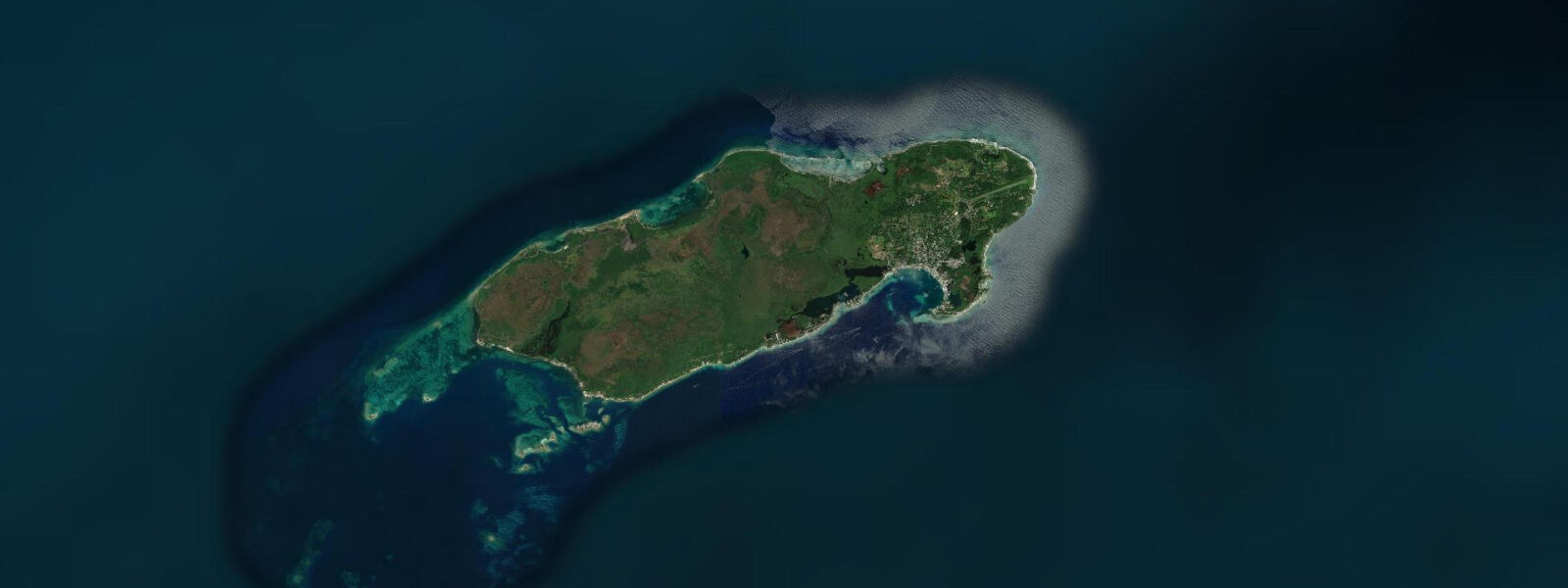
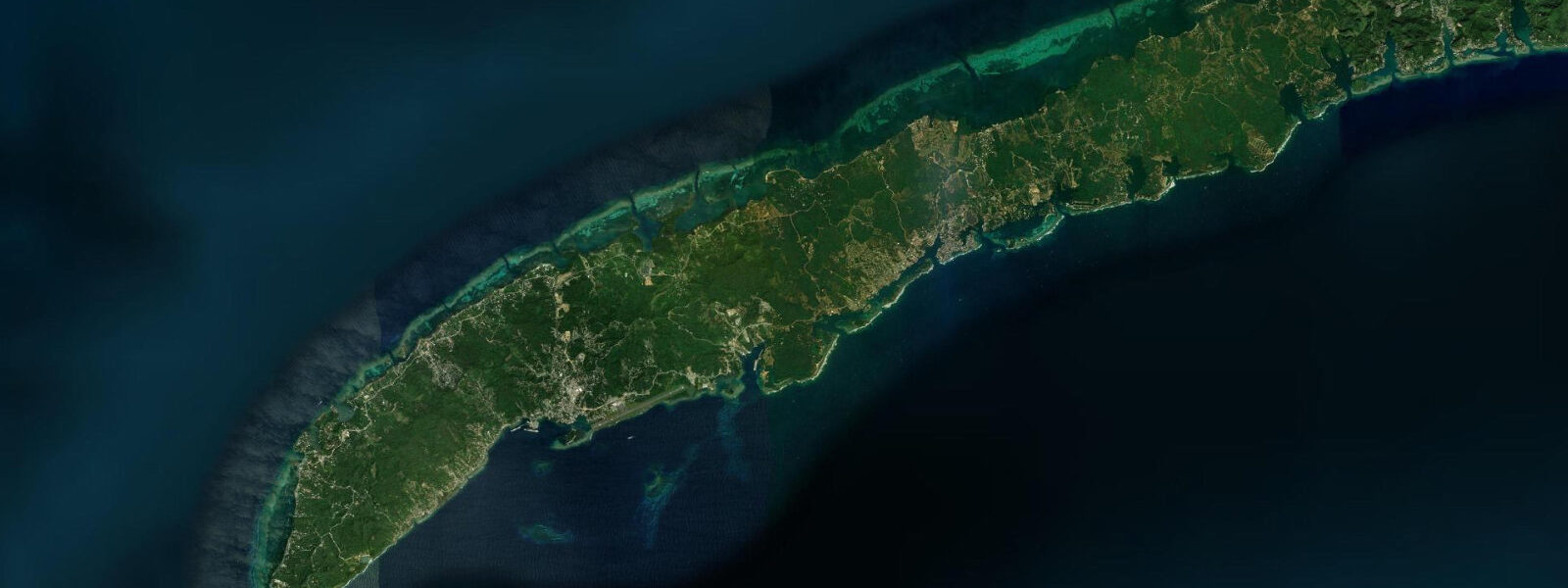
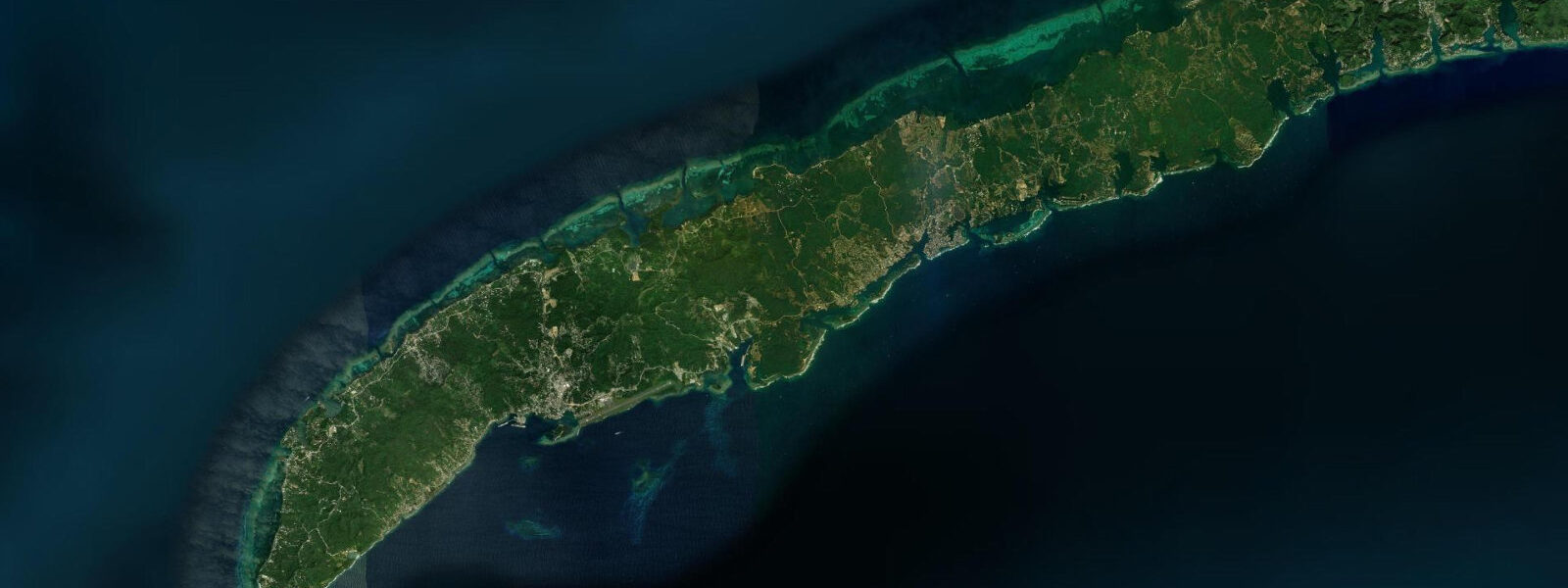
The three closest curated TideTurtle locations to La Ceiba, Honduras, measured by great-circle distance.
Today's solunar windows
Solunar tradition: major periods are the ≈3h windows around moon transit and opposition; minor are ≈2h around moonrise and moonset. Pair with the local tide stage and wind for the best read.
About tides at La Ceiba, Honduras
A short guide to the coastline at La Ceiba, Honduras — geography, sea state, and what the tide is actually doing under your feet.
La Ceiba is Honduras's third-largest city and the principal port on the Caribbean coast, occupying a flat coastal plain between the sea and the dramatic wall of Pico Bonito National Park, whose ridges climb from near sea level to 2,435 m within 15 km of the waterfront. The city is the main departure point for ferries to the Bay Islands and functions as the logistics hub for the north coast. Each May, La Ceiba hosts Honduras's largest carnival, the Feria de San Isidro, drawing crowds from across the country.
The tidal regime is microtidal and mixed semidiurnal. Open-Meteo Marine supplies forecast data for this location — timing accuracy ±45 minutes, height accuracy ±0.2–0.3 m. Spring range runs 20–50 cm. The combination of low tidal range and the predominantly offshore winds during the dry season (November–April) creates calm inshore conditions that benefit local fishing fleets and recreational water users.
For anglers, the Río Cangrejal empties into the Caribbean 8 km east of the city centre, and its lower reach holds tarpon and snook, particularly on incoming tides in the April–August wet season. The city's fishing pier at Playa La Barra sees year-round activity for snappers and jacks. Offshore, the continental shelf narrows quickly east of La Ceiba, bringing mahimahi, wahoo, and sailfish within range of panga charters operating from the small boat harbour.
Kayakers use La Ceiba as the base for the Río Cangrejal gorge, which offers Class III–IV whitewater in the upper sections and calm flat water near the river mouth where it meets the Caribbean. The tidal influence extends a kilometre or so upriver; the window around high tide is the best for paddling the mangrove mouth section, which provides shelter and wildlife contrast against the dramatic mountain backdrop.
Beach families head to Playa La Barra, a 4-km grey sand beach east of the port. The water is warm year-round (27–29°C) and generally calm under prevailing northeast trades. The beach can accumulate sargassum seaweed during the April–August influx season, which varies year to year. Playa Perú, 10 km west, is narrower but typically cleaner.
Photographers positioned on the waterfront in the early morning get one of Central America's more dramatic backdrops: the Caribbean in the foreground, low-rise city in the middle ground, and the near-vertical forested escarpment of Pico Bonito behind, often capped in cloud. The light is best in December–March when the sky stays cleaner for longer after sunrise.
Tide timing note: the forecast reflects open Caribbean conditions off the coast. The Río Cangrejal mouth and the mangrove lagoons immediately east of the city will see a 15–30 minute lag relative to the open-sea forecast timing, with slightly dampened range.
Tide questions about La Ceiba, Honduras
Quick answers to the most common questions about tide times, range, and water access at La Ceiba, Honduras.
What is the tidal range at La Ceiba and how does it affect beach conditions?
Spring tidal range is 20–50 cm — microtidal. The small range means the beach width at Playa La Barra changes by only a few metres between low and high water, so beach conditions are relatively consistent across the tidal cycle. Wind-driven setup from northers (November–March) temporarily raises water level more than the astronomical tide. Open-Meteo Marine provides the tide forecast with ±45-minute timing accuracy and ±0.2–0.3 m height accuracy. For beach users, the tidal state is a secondary planning factor; wind direction and sargassum conditions are more significant day-to-day variables.
How do I get to the Bay Islands from La Ceiba?
Two ferry operators run year-round service from La Ceiba's main pier to Roatán and Utila. The crossing to Roatán takes approximately 75–90 minutes; Utila is about 45–60 minutes. Ferries run at least once daily in each direction, with additional departures on peak days. Small regional aircraft also connect La Ceiba to Guanaja, Roatán, and Utila from Golosón International Airport, which also handles direct flights from San Pedro Sula and Tegucigalpa. Confirm current ferry schedules directly with the operators — the season and demand affect departure times significantly.
What fishing opportunities are there from the La Ceiba waterfront?
The public fishing pier at Playa La Barra is accessible year-round and produces yellowtail snapper, barracuda, and jack crevalle for anglers using cut bait or small lures on light tackle. The pier sees most activity from local fishers in the early morning and late afternoon. Panga charters operating from the small boat harbour near the port offer offshore half-day trips targeting mahimahi and wahoo along the shelf edge, which sits 15–20 km north of the coastline. The Río Cangrejal mouth 8 km east is the prime tarpon location — incoming tide windows in the wet season (April–August) are most productive.
What is the best time of year to visit La Ceiba?
The dry season, November through April, brings the most reliable weather: lower humidity, less rainfall, and calmer seas that make day trips to the Bay Islands straightforward. The carnival in May is the single largest event on the Honduran Caribbean calendar — accommodation books out weeks in advance. The wet season (May–October) brings heavy rain and the risk of tropical systems but also the highest Río Cangrejal flows for whitewater kayaking and the best tarpon fishing conditions in the river mouth. Hurricane risk is real in September and October — check NOAA advisories if travelling in those months.
Can I visit Pico Bonito National Park as a day trip from La Ceiba?
The park entrance on the Río Cangrejal circuit is 15 km from the city — a 30-minute drive on paved and dirt road. Day hikes to the lower waterfalls (Cascada El Popo and the Río Zacate cascade system) are accessible without a guide, though the upper ridges require a licensed guide and a permit from the park administration. The park protects one of the best-preserved stretches of premontane rainforest in Central America, with jaguar, baird's tapir, and keel-billed toucan recorded inside the boundaries. Start early — the trail to the main cascades and back takes 4–6 hours, and afternoon thunderstorms are common year-round.
8-day tide table — La Ceiba, Honduras
Heights relative to MSL. Predictions: Open-Meteo Marine (MeteoFrance SMOC, 0.08° grid) — heights relative to MSL (not chart datum / LAT). Model-derived.
| Day | Type | Time | Height |
|---|---|---|---|
| Mon 03 Aug | — | ||
| Tue 04 Aug | — | ||
| Wed 05 Aug | High | 01:00 | 0.1m |
| Low | 21:10 | 0.0m | |
| Thu 06 Aug | High | 02:00 | 0.1m |
| Low | 09:00 | -0.1m | |
| High | 16:10 | 0.2m | |
| Fri 07 Aug | Low | 09:50 | -0.1m |
| Sat 08 Aug | High | 04:00 | 0.1m |
| Low | 10:50 | -0.1m | |
| High | 18:10 | 0.2m | |
| Sun 09 Aug | Low | 11:50 | -0.1m |
| Mon 10 Aug | High | 06:00 | 0.2m |