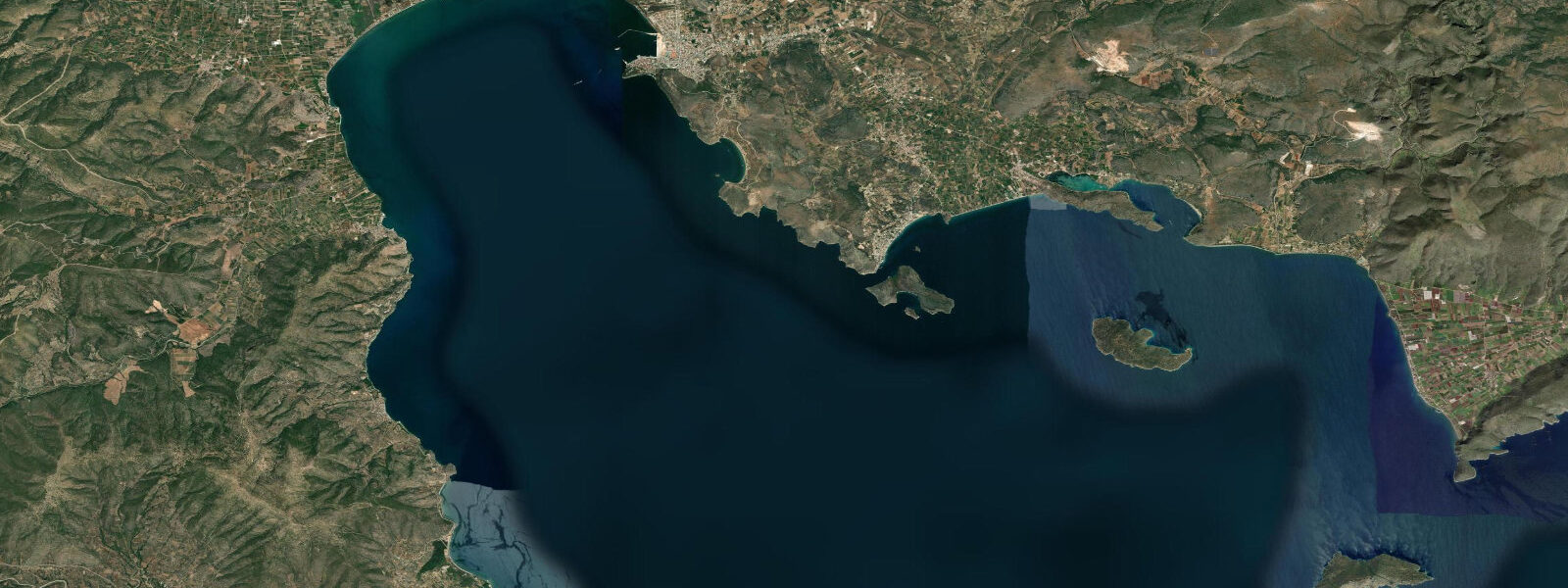
Nafplio tide times
Nafplio tide forecast — heights relative to MSL.
Today's tide times for Nafplio
Tide times at Nafplio on Tuesday, 4 August 2026: first low tide at 03:00. Sunrise 06:34, sunset 20:35.
Tide chart for Nafplio
24-hour cosine-interpolated curve around the present moment. Heights relative to MSL. Predictions: Predictions: Open-Meteo Marine (MeteoFrance SMOC, 0.08° grid).
Sun, moon and conditions on Tue 04 Aug
Snapshot at build time — refreshes daily. Sea state from Open-Meteo Marine.
Highs and lows next 7 days
Every predicted high and low for the next week, with the daily tidal coefficient (0–120; higher = bigger swing, > 95 means stronger currents).
Other spots nearby
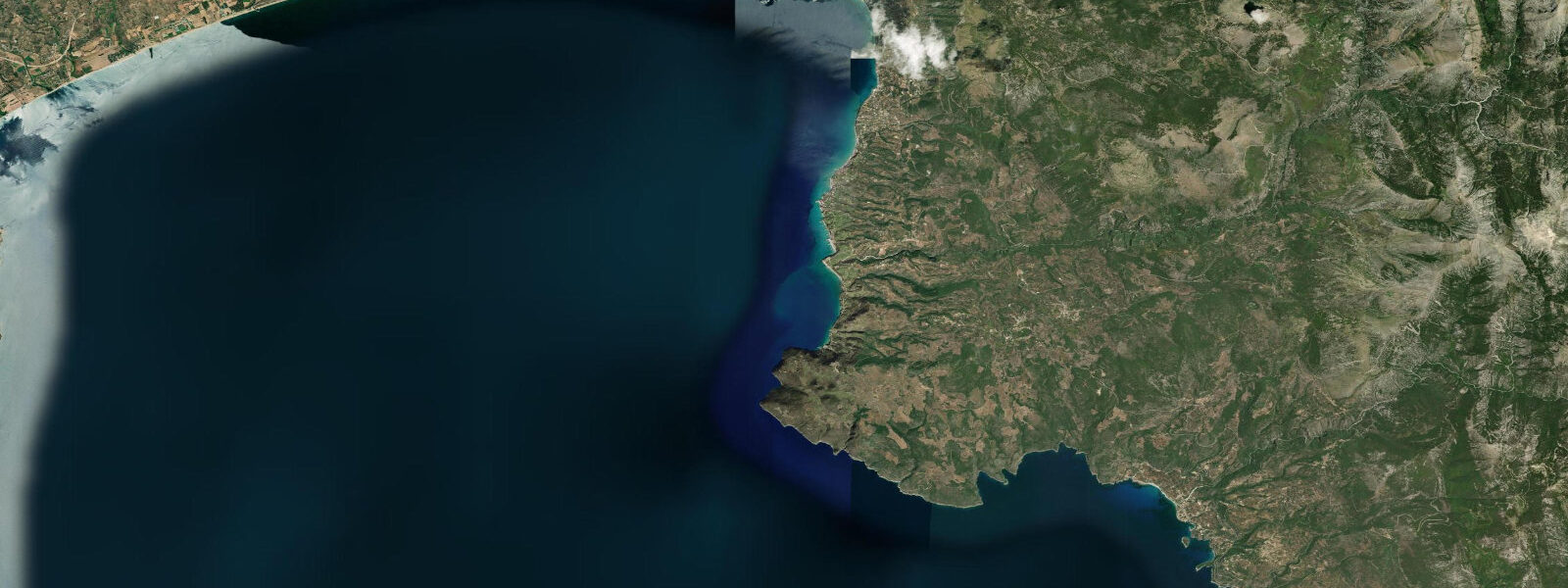
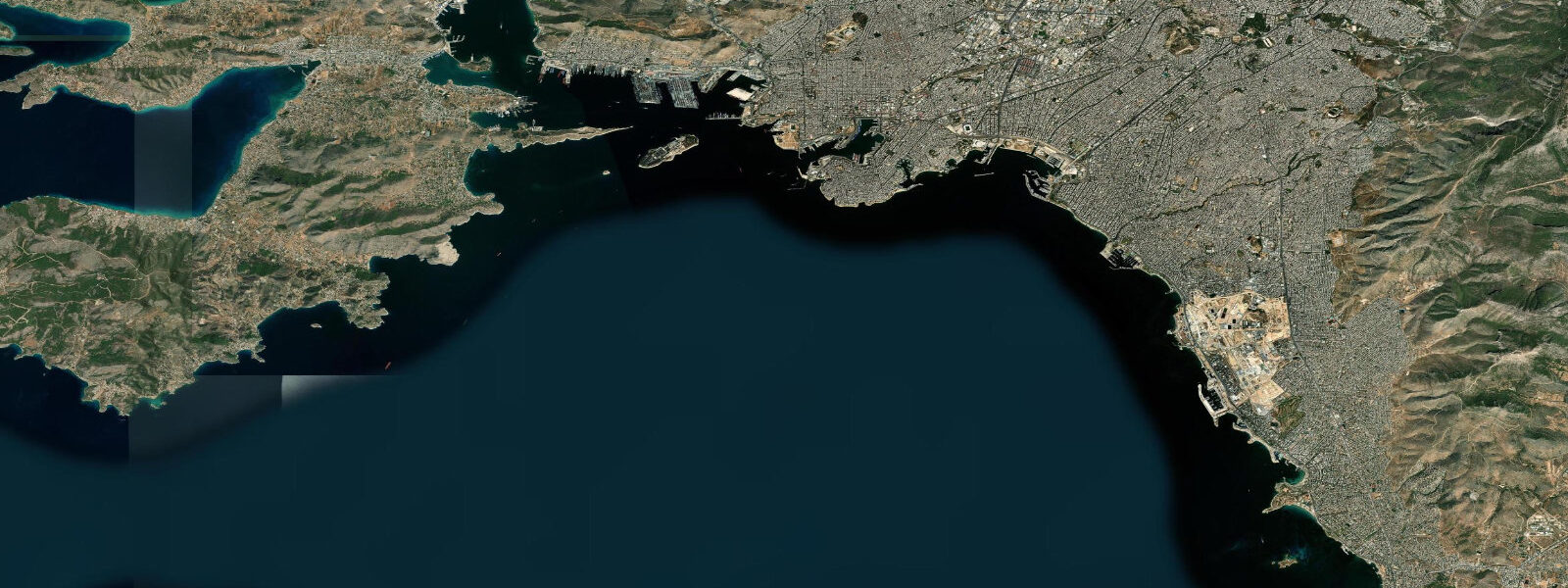
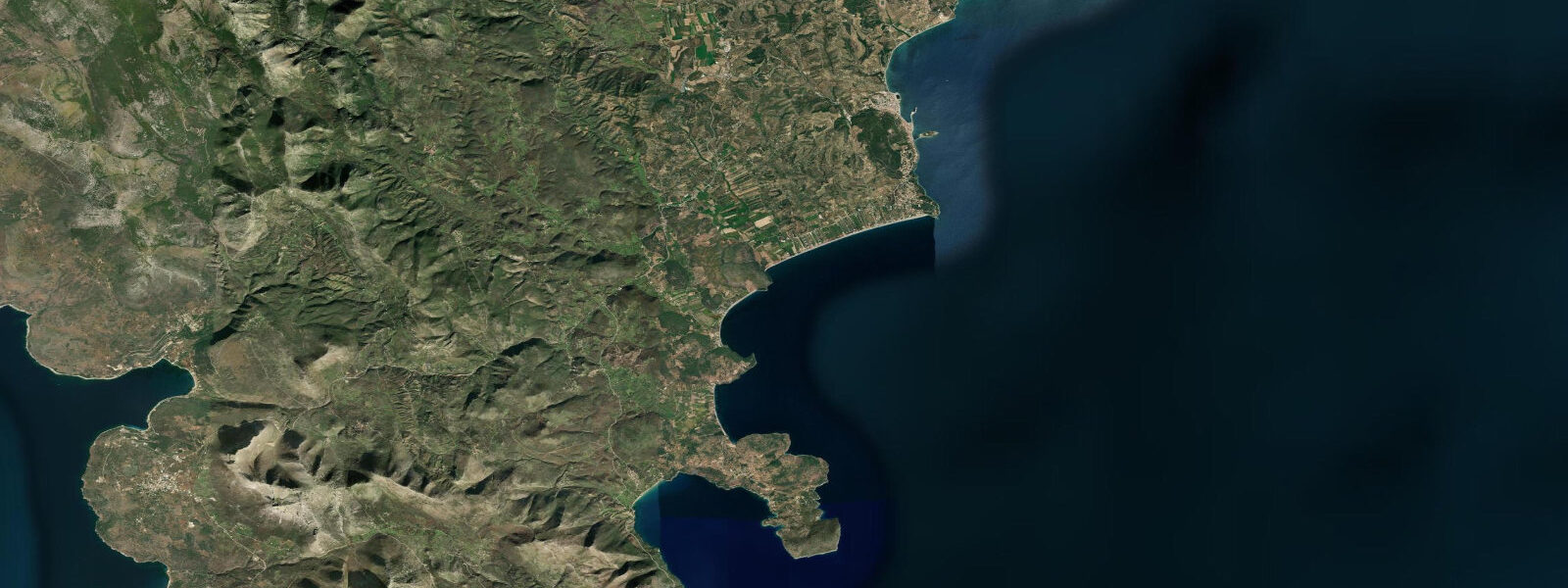
The three closest curated TideTurtle locations to Nafplio, measured by great-circle distance.
Today's solunar windows
Solunar tradition: major periods are the ≈3h windows around moon transit and opposition; minor are ≈2h around moonrise and moonset. Pair with the local tide stage and wind for the best read.
About tides at Nafplio
A short guide to the coastline at Nafplio — geography, sea state, and what the tide is actually doing under your feet.
Nafplio occupies a rocky promontory at the southern end of the Argolic Gulf, 50 km south of Corinth, and carries more historical weight than its population of 14,000 would suggest. It was the first capital of the modern Greek state after independence in 1821 and held that role until 1834. The fortress of Palamidi rises 216 m directly above the old town on a near-vertical limestone cliff, connected to the waterfront by 999 carved stone steps. Out in the harbour on a rocky islet stands the Bourtzi castle, originally built by the Venetians in the 15th century to control the harbour entrance; it is reachable by short boat trip from the main quay.
The tidal regime at Nafplio is microtidal throughout the year. Spring range in the Argolic Gulf is approximately 0.3 m above Chart Datum — two daily cycles of high and low water, each shifting the waterline by perhaps 15 cm either side of mean sea level. The astronomical tide is so small that it disappears entirely into the background of meteorological sea-level variation. The more significant water-level event here is the seiche: storm systems and sustained wind over the enclosed gulf can set up a standing wave that raises and lowers the harbour water by 0.2–0.3 m over periods of 30–90 minutes, independent of tidal prediction. During a winter Sirocco event, the water level at Nafplio harbour can sit 0.2–0.3 m above the predicted height for many hours. Boaters using the town quay should allow for this in their fender and line settings.
For anglers, the microtidal range has a liberating effect: there is no meaningful tidal window to chase. The productive fishing here is driven by time of day, season, and bait presentation rather than tidal state. Octopus and cuttlefish are taken from the rocky promontory south of the old town and from the sea walls at the base of the Palamidi cliff; early morning and late evening are the productive periods regardless of tide. Bream (tsipoura) and sea bass (lavraki) work the harbour edges at night, attracted by waterfront lighting. Squid jigging from the town quay is popular from October through December — the squid move into the bay on the autumn cooling.
For swimmers and families, the beaches immediately north of town — Arvanitia and Karathona — are the main destinations. Arvanitia is a small pebble beach below the old town walls, 10 minutes on foot from the main square. Karathona is a longer sandy beach 3 km south by road, with more facilities. The microtidal range means both beaches are usable at all states of the tide; there is no exposed rock hazard or drainage channel that changes with tidal phase. Water clarity in the inner Argolic Gulf is excellent outside summer — visibility of 15–20 m is routine in April and October.
For sea kayakers, the Argolic Gulf offers a protected paddling environment with a rich historical backdrop. The Bourtzi island is a 10-minute paddle from the main quay; the sea walls and rocky promontories around the old town give interesting cliff-face paddling. The gulf is wide enough for wind chop to build in the afternoon northwesterly (Maistros) that dominates in summer; morning starts are the standard practice for longer paddles down the coast toward Tolo and the Franchthi Cave area.
Photographers find a concentration of subjects in a compact area: the Bourtzi reflected in the harbour at flat calm, the Palamidi walls catching the orange light of early morning from the east, the neoclassical buildings of the old town in afternoon shade. The harbour waterline is consistent enough — with the negligible tidal range — that low-light harbour compositions can be planned from any tide state.
All tide predictions for Nafplio come from the Open-Meteo Marine gridded model. Timing accuracy is ±45 minutes; height accuracy is ±0.3 m above Chart Datum.
Tide questions about Nafplio
Quick answers to the most common questions about tide times, range, and water access at Nafplio.
What is the tidal range at Nafplio and does it affect the harbour?
Nafplio's spring tidal range is approximately 0.3 m above Chart Datum — effectively microtidal. The water level shifts less than 15 cm either side of mean sea level on a typical day. More significant are meteorological seiches: sustained wind or storm systems over the enclosed Argolic Gulf can raise or lower harbour water by 0.2–0.3 m above the astronomical prediction for hours at a time. Boaters mooring at the town quay should set fenders and lines for the full seiche range, not just the nominal tide. All tide predictions carry ±45 minutes timing uncertainty and ±0.3 m height uncertainty from the Open-Meteo Marine model.
What is the best time of year to swim at Nafplio?
Sea temperature in the inner Argolic Gulf peaks at 26–27 °C in August and stays above 20 °C from June through October. Water clarity is best in April–May and again in October–November, when summer algae blooms have cleared and visibility reaches 15–20 m. The microtidal range means both Arvanitia and Karathona beaches are safe and accessible at all tidal states — no tidal hazards affect either beach. The main swimming decision at Nafplio is wind direction: southerly Sirocco brings warm, slightly murky water from the open Mediterranean; northerly Maistros in summer keeps the water clear and slightly cooler.
Is sea kayaking in the Argolic Gulf safe from Nafplio?
The inner Argolic Gulf is one of the most protected kayaking environments in the eastern Mediterranean. The 0.3 m tidal range creates no meaningful current hazard. The main variable is the afternoon Maistros (northwesterly) that builds in summer between 13:00 and 17:00, generating 0.5–1.0 m chop in the open gulf. Morning starts before 10:00 give flat water. The Bourtzi island is a 10-minute paddle from the quay; the coast south toward Tolo is exposed to the northwesterly fetch on windy afternoons. Tide predictions carry ±45 minutes uncertainty — at this range, timing the paddle around weather matters far more than tidal state.
What fishing is available at Nafplio, and does the tide affect it?
The microtidal range at Nafplio means fishing success is driven by time of day and season rather than tidal phase. Octopus and cuttlefish are taken from the sea walls below Palamidi and the rocky promontory south of the old town in early morning and evening. Bream and sea bass work the harbour edges at night, attracted to waterfront lighting. Squid jigging from the town quay peaks October through December. The autumn cooling brings squid into the bay; the seiche-driven water-level variation occasionally produces a minor feeding response in harbour fish, but local anglers track moon phase and season, not the tide table. Tide predictions carry ±45 minutes uncertainty.
How do I reach the Bourtzi castle, and is the crossing affected by tides?
Bourtzi castle sits on a small rocky islet roughly 400 m from the main Nafplio quay. Short boat trips run from the quay during daylight hours in the tourist season (April–October); the crossing takes 5–10 minutes. The 0.3 m tidal range has no meaningful effect on the crossing or landing — the islet has a permanent concrete landing stage accessible at all states of the tide. In winter the boat service is infrequent; confirm departure times at the quay. Sea kayakers can paddle to the island at any tidal state; the landing is a rocky shelf, easier on flat-calm mornings before the afternoon wind builds.
6-day tide table — Nafplio
Heights relative to MSL. Predictions: Open-Meteo Marine (MeteoFrance SMOC, 0.08° grid) — heights relative to MSL (not chart datum / LAT). Model-derived.
| Day | Type | Time | Height |
|---|---|---|---|
| Tue 04 Aug | Low | 03:00 | -0.4m |
| Wed 05 Aug | — | ||
| Thu 06 Aug | — | ||
| Fri 07 Aug | High | 11:00 | -0.3m |
| Sat 08 Aug | Low | 20:00 | -0.3m |
| Sun 09 Aug | High | 13:00 | -0.3m |