Nuku Hiva tide times
Nuku Hiva tide forecast — heights relative to MSL.
Today's tide times for Nuku Hiva
Tide times at Nuku Hiva on Monday, 3 August 2026: first low tide at 02:00pm, first high tide at 06:08pm. Sunrise 05:34am, sunset 05:18pm.
Tide chart for Nuku Hiva
24-hour cosine-interpolated curve around the present moment. Heights relative to MSL. Predictions: Predictions: Open-Meteo Marine (MeteoFrance SMOC, 0.08° grid).
Sun, moon and conditions on Mon 03 Aug
Snapshot at build time — refreshes daily. Sea state from Open-Meteo Marine.
Highs and lows next 7 days
Every predicted high and low for the next week, with the daily tidal coefficient (0–120; higher = bigger swing, > 95 means stronger currents).
Other spots nearby
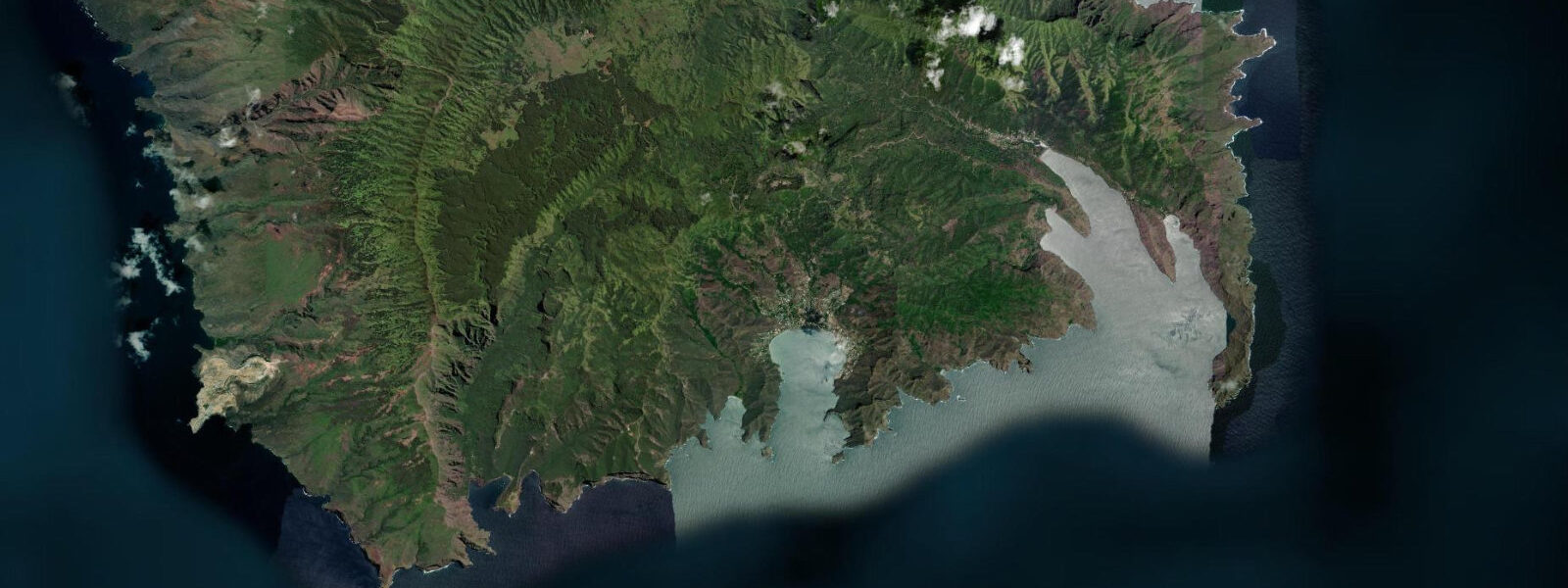
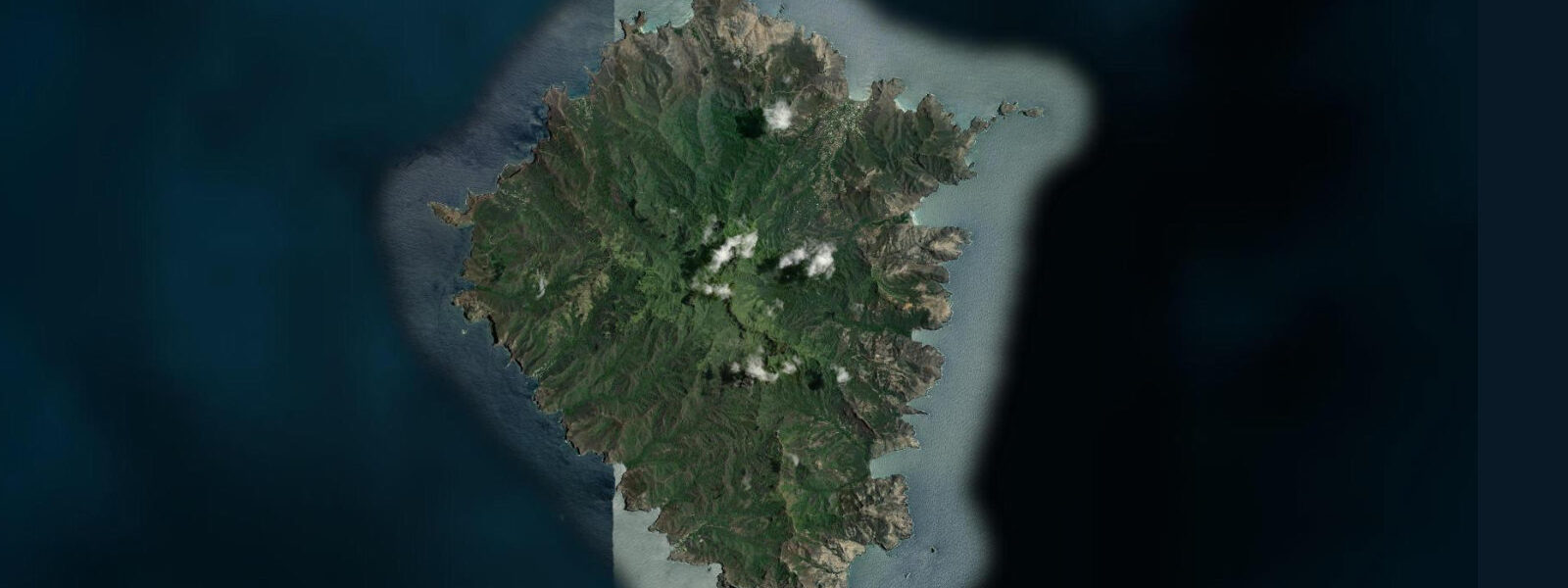
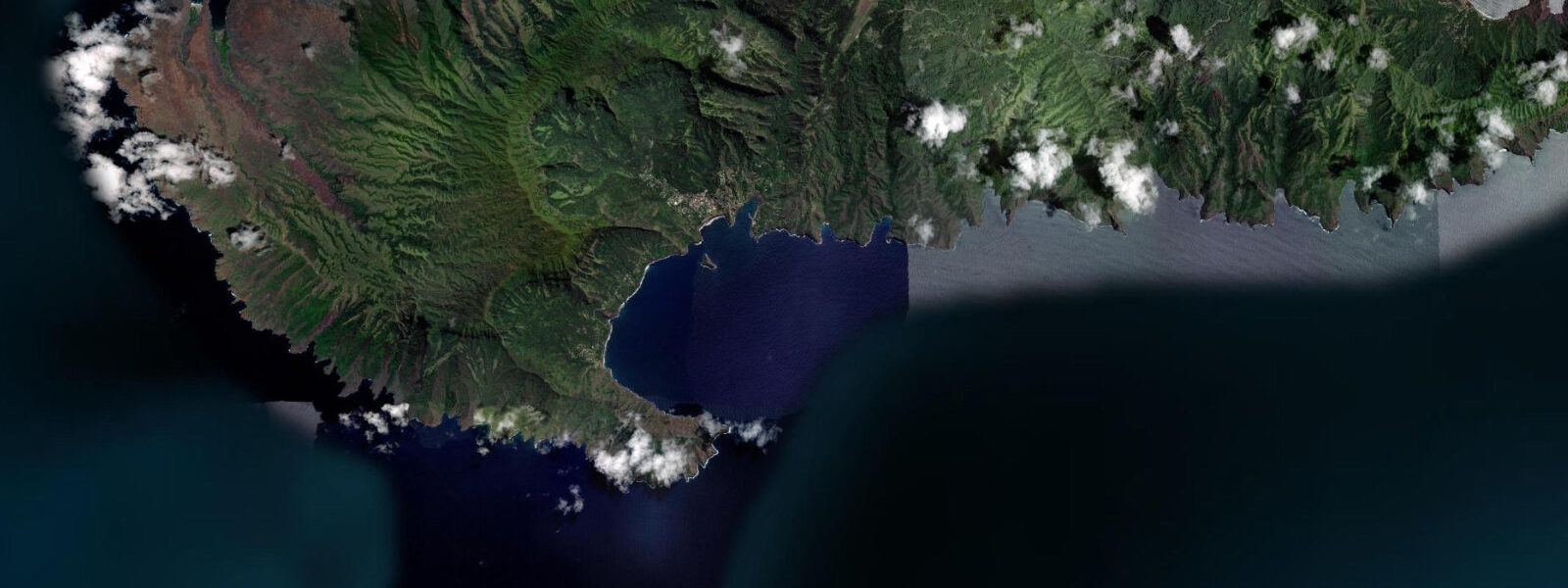
The three closest curated TideTurtle locations to Nuku Hiva, measured by great-circle distance.
Today's solunar windows
Solunar tradition: major periods are the ≈3h windows around moon transit and opposition; minor are ≈2h around moonrise and moonset. Pair with the local tide stage and wind for the best read.
Cycle dates near Nuku Hiva
Next spring tide on Sun 09 Aug (range 1.3m). Next neap on Wed 05 Aug.
Spring tides cluster around new and full moons (biggest swings). Neap tides land on quarter moons (smallest swings). See the spring tide and neap tide glossary entries for the why.
About tides at Nuku Hiva
A short guide to the coastline at Nuku Hiva — geography, sea state, and what the tide is actually doing under your feet.
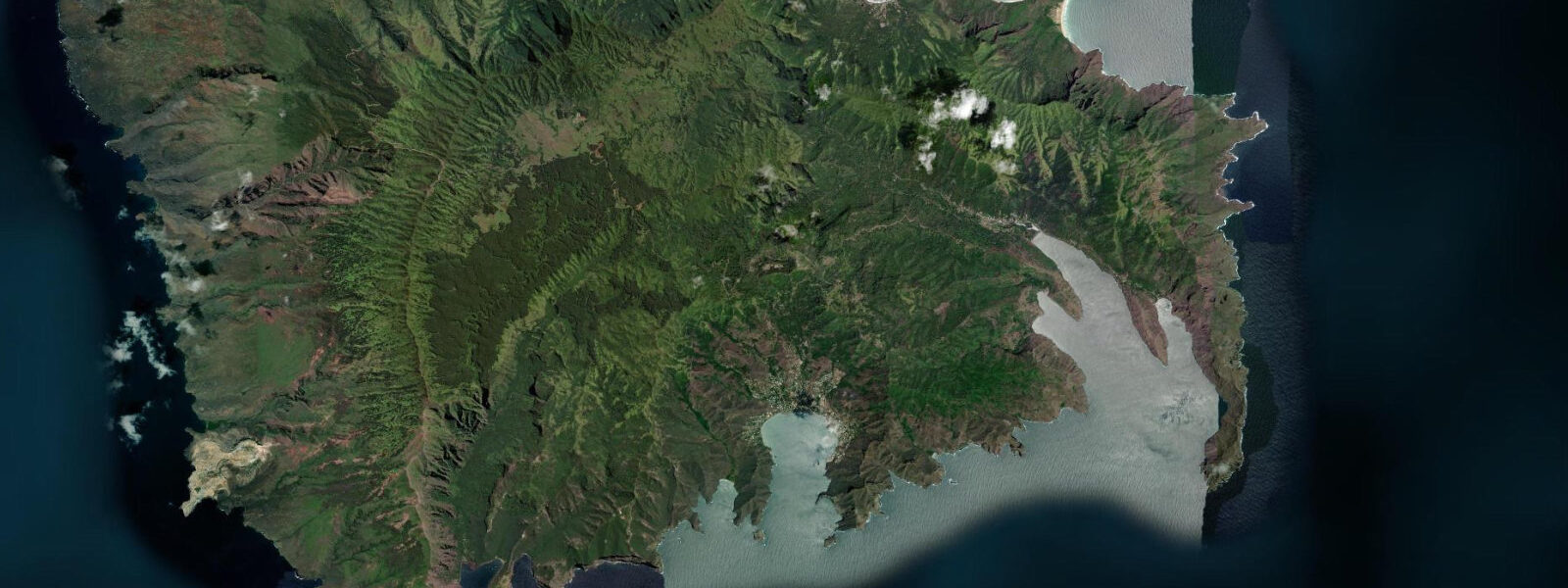
Nuku Hiva is the largest of the Marquesas Islands and the administrative capital of the Marquesas Archipelago, lying 1,500 kilometres northeast of Tahiti. The island is volcanic in character — mountains rise sharply from the coast to peaks above 1,200 metres, deeply incised by valleys that carry rivers to the sea. The northern and eastern coasts have dramatic sea cliffs; the southern coast is more sheltered, and Taiohae Bay, the main anchorage and administrative town, faces south into open ocean but is protected from the dominant swell by the bay's orientation.
The tidal regime in the Marquesas is anomalous within French Polynesia. The archipelago lies near a node in the Pacific tidal wave system where the diurnal tidal components (K1 and O1) are relatively strong compared to the semidiurnal component (M2). At Nuku Hiva, the tidal pattern is predominantly diurnal on many days: one dominant high water and one dominant low water complete the cycle, with a range of approximately 0.8 to 1.0 metres at springs. The tidal character at Taiohae differs measurably from Papeete (Tahiti) — a vessel navigating on Tahiti predictions in the Marquesas may find the phase and even the number of predicted highs and lows per day does not match what is occurring. Tidal height differences from the diurnal inequality can also be significant: on peak diurnal days, the higher high water exceeds the lower high water by 0.3 to 0.4 metres.
Taiohae Bay is the centre of Marquesan administration and has the facilities needed by voyaging vessels: a fuel dock, a copra warehouse repurposed as a market and cultural centre, fresh water, and a weekly flight connection to Tahiti via Air Tahiti. The bay receives some swell on its southern face in winter (June to August) when South Pacific swell propagates north, but the inner anchorage near the town dock is manageable in most conditions. The bay also receives north swell in certain meteorological conditions — rare but documented, and the reason anchors should be set with scope appropriate for a full 360-degree wind shift.
The Marquesas are among the most remote inhabited islands on earth — the nearest continental land is the Mexican coast, 4,000 kilometres to the northeast. This remoteness has preserved both ecological and cultural distinctiveness. The Marquesan tiki — stone-carved human figures with oversized eyes and expressive features — are one of the most immediately recognisable art forms of the Pacific, and stone ceremonial platforms (tohua) with intact carved figures are accessible in the valleys above Taiohae and in the agricultural valleys of the other inhabited islands.
Hiking from Taiohae accesses several significant archaeological sites in the valleys within 2 to 4 hours of the town. The Taipivai Valley — the setting of Herman Melville's 1846 novel Typee, based on his actual experience on Nuku Hiva — is a 45-minute drive east, with a tohua platform and stone tiki visible from the road. Guides are recommended for the deeper valley sites, as trails are not consistently marked.
Fishing around Nuku Hiva targets the pelagic species that move through the island's offshore waters: yellowfin tuna, mahi-mahi, and wahoo are caught by trolling on the open-ocean approaches. Inshore, the rocky coastline holds grouper and snapper accessible to bottom fishing from a small boat. The absence of a barrier reef means the ocean floor drops to significant depth very close to shore — the anchoring chart shows 200-metre contours within 500 metres of the northern cliffs.
Predictions on this page come from Open-Meteo Marine, a gridded global ocean model. Accuracy is typically within plus or minus 45 minutes on timing and 0.2 to 0.3 metres on height — model-derived, not from a local gauge. The local authority for tide information in French Polynesia is the Service Hydrographique et Océanographique de la Marine (SHOM), which publishes tide tables for Marquesas reference stations.
Tide questions about Nuku Hiva
Quick answers to the most common questions about tide times, range, and water access at Nuku Hiva.
Why is the tidal pattern at Nuku Hiva different from Tahiti?
The Marquesas Islands sit near a node in the Pacific tidal wave system where the diurnal tidal components (K1 and O1) are strong relative to the main semidiurnal component (M2). At Nuku Hiva, this produces a predominantly diurnal tide — one dominant high and one dominant low per day — with a spring range of approximately 0.8 to 1.0 metres. Papeete (Tahiti) is dominated by the semidiurnal component and has two high and two low waters per day. A vessel using Tahiti tide tables in the Marquesas may find predicted events occurring at different times or in different numbers than the actual tide. The SHOM publishes tide tables specifically for Marquesas reference stations.
How do I get to Nuku Hiva?
Air Tahiti operates twice-weekly flights from Papeete (Tahiti-Faa'a Airport) to Nuku Hiva's Terre Déserte Airport, approximately 3.5 hours. Air Tahiti also serves other Marquesan islands from Nuku Hiva. The flight is included in some Air Tahiti multi-island pass packages. By sea: Nuku Hiva is on the Aranui 5 cruise-cargo vessel route from Papeete — a 17-day circuit covering all inhabited Marquesas islands, taking passengers and freight. Voyaging yachts make Nuku Hiva on the coconut milk run from the Galapagos or Mexico, approximately 21 days sailing from the Galapagos.
What Marquesan archaeological sites can I visit from Taiohae?
The most accessible sites from Taiohae are the Hikokua tohua in the Nuku Ataha valley (3 km from town, 1-hour walk) and the Kamuihei and Teiipoka sites in the Taipivai Valley (45 minutes by road from Taiohae). Both have stone ceremonial platforms (tohua) and tiki figures; Kamuihei has some of the largest tiki in the Marquesas. The Taipivai Valley is the setting of Herman Melville's novel Typee (1846). A guide is strongly recommended for the deeper valley sites — trails are not consistently marked and the cultural context adds significantly to the visit. Guides can be arranged through the Taiohae visitor office or accommodation.
Is there good fishing around Nuku Hiva?
Offshore trolling around Nuku Hiva targets yellowfin tuna, mahi-mahi (dorado), and wahoo — the island's deep ocean setting means pelagic species are close to shore. The absence of a barrier reef means the bottom drops steeply from the island coast; fish are accessible quickly from a small boat. Inshore bottom fishing on rocky grounds targets grouper and snapper. Charter fishing boats operating from Taiohae can be arranged through the marina. The tuna fishing around the Marquesas is best in the Southern Hemisphere winter (May to October) when sea temperatures lower slightly and pelagic species concentrate near the island.
What is the anchorage like at Taiohae Bay?
Taiohae Bay faces south into open ocean and is susceptible to south swell in Austral winter (June to August) when Southern Ocean swells propagate north. The inner anchorage near the town dock is the most protected. The bay can also receive north swell in unusual meteorological conditions — anchor with sufficient scope for a 360-degree wind shift. The anchorage has a fuel dock, fresh water, and a weekly provisioning delivery. Clear in and out with Gendarmerie nationale on arrival. The Aranui 5 cargo-cruise vessel docks in the bay on its circuit, which causes some swell and wash when manoeuvring. Holding is generally good in sand.
8-day tide table — Nuku Hiva
Heights relative to MSL. Predictions: Open-Meteo Marine (MeteoFrance SMOC, 0.08° grid) — heights relative to MSL (not chart datum / LAT). Model-derived.
| Day | Type | Time | Height |
|---|---|---|---|
| Mon 03 Aug | Low | 14:00 | 0.4m |
| High | 18:08 | 1.0m | |
| Tue 04 Aug | Low | 12:50 | 0.2m |
| High | 19:00 | 1.0m | |
| Wed 05 Aug | Low | 01:24 | 0.1m |
| High | 07:50 | 1.0m | |
| Low | 14:00 | 0.3m | |
| Thu 06 Aug | High | 09:00 | 1.0m |
| Low | 15:16 | 0.3m | |
| High | 21:12 | 0.9m | |
| Fri 07 Aug | Low | 03:36 | 0.1m |
| High | 10:02 | 1.0m | |
| Low | 16:24 | 0.2m | |
| High | 22:18 | 0.9m | |
| Sat 08 Aug | Low | 04:40 | 0.1m |
| High | 11:08 | 1.1m | |
| Sun 09 Aug | Low | 05:34 | -0.0m |
| High | 12:06 | 1.2m | |
| Low | 18:25 | 0.0m | |
| Mon 10 Aug | High | 00:25 | 1.0m |
| Low | 06:34 | -0.1m | |
| High | 13:00 | 1.3m |