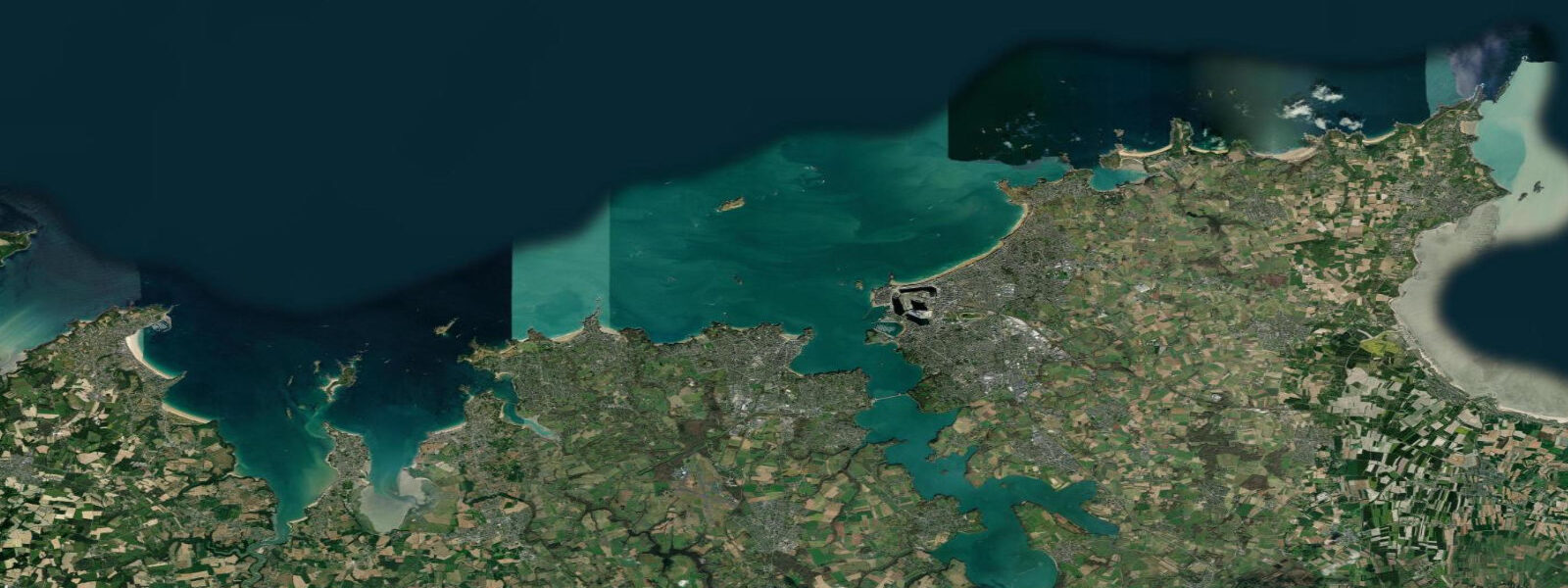
Saint-Malo, Brittany tide times
Saint-Malo, Brittany tide forecast — heights relative to MSL.
Today's tide times for Saint-Malo, Brittany
Tide times at Saint-Malo, Brittany on Sunday, 26 July 2026: first low tide at 02:00, first high tide at 05:01, second low tide at 12:09, second high tide at 17:26. Sunrise 06:33, sunset 21:55.
Tide chart for Saint-Malo, Brittany
24-hour cosine-interpolated curve around the present moment. Heights relative to MSL. Predictions: Predictions: Open-Meteo Marine (MeteoFrance SMOC, 0.08° grid).
Sun, moon and conditions on Sun 26 Jul
Snapshot at build time — refreshes daily. Sea state from Open-Meteo Marine.
Highs and lows next 7 days
Every predicted high and low for the next week, with the daily tidal coefficient (0–120; higher = bigger swing, > 95 means stronger currents).
Other spots nearby
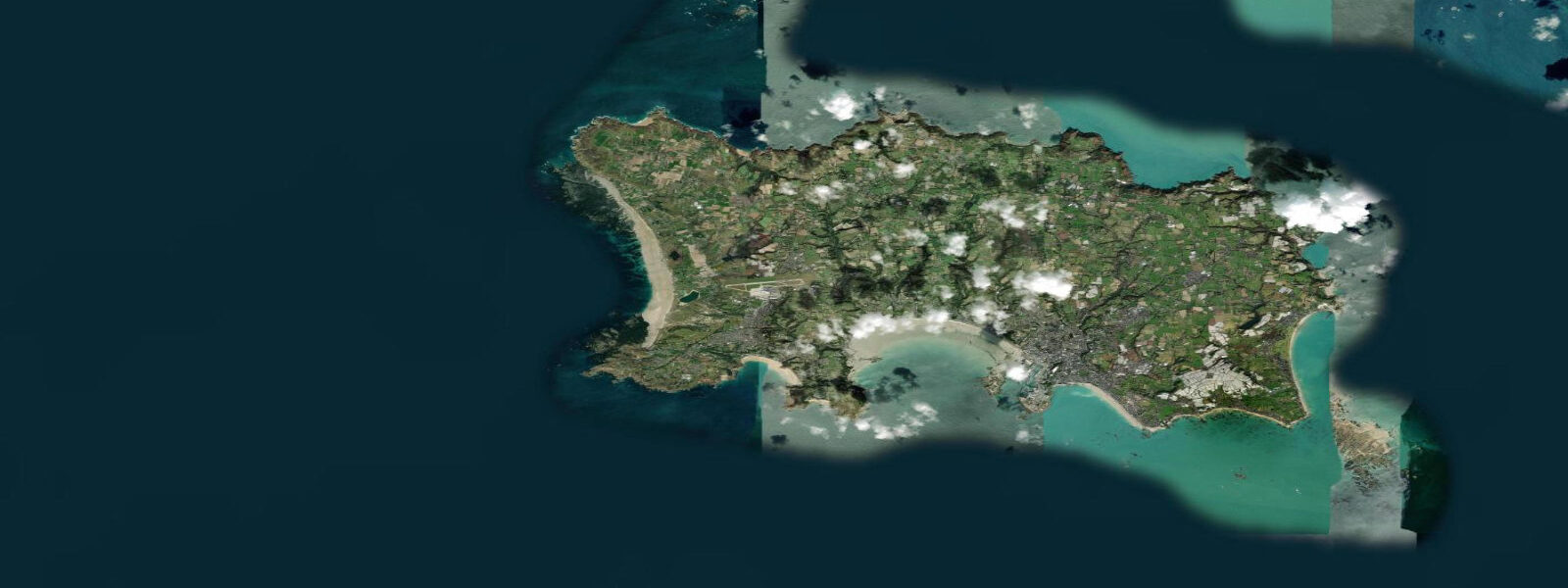
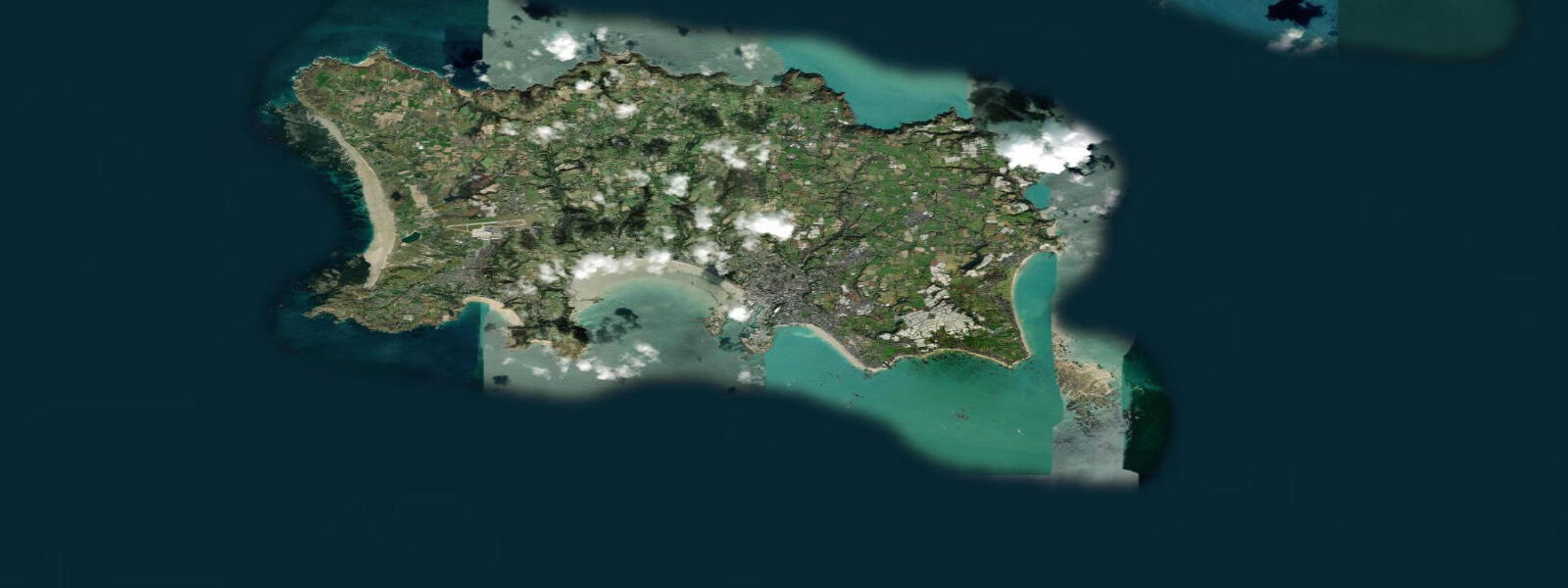
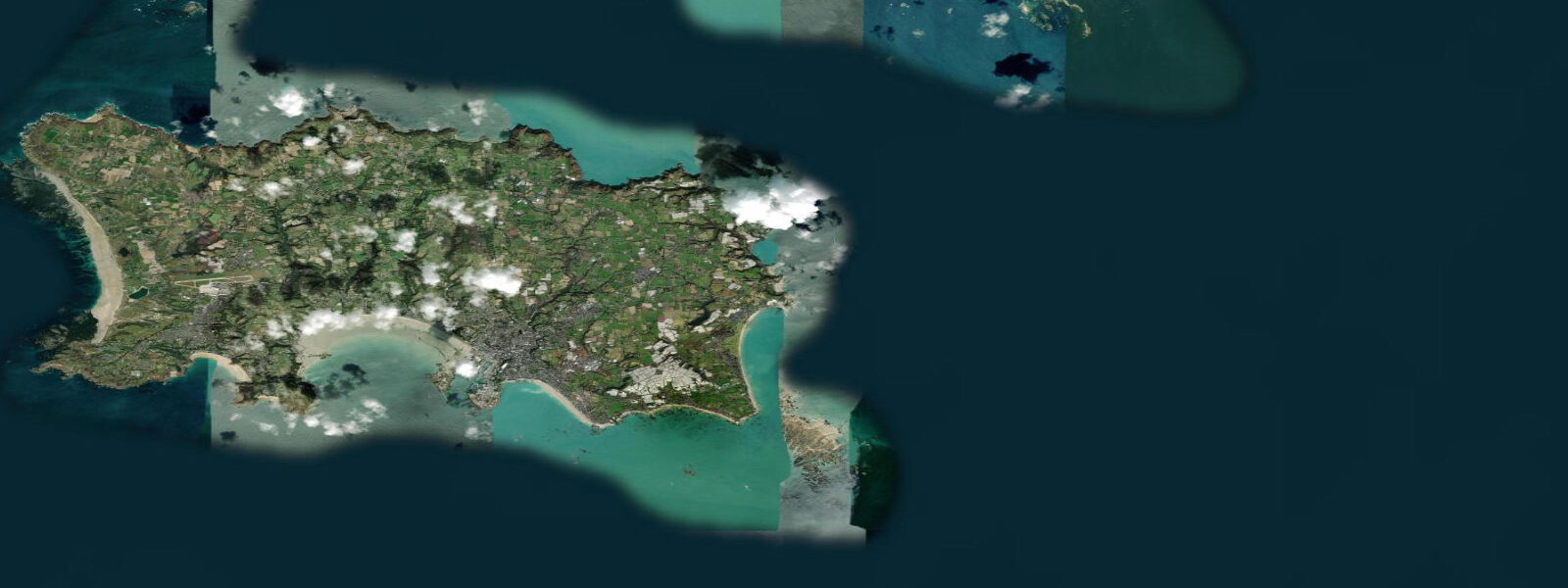
The three closest curated TideTurtle locations to Saint-Malo, Brittany, measured by great-circle distance.
Today's solunar windows
Solunar tradition: major periods are the ≈3h windows around moon transit and opposition; minor are ≈2h around moonrise and moonset. Pair with the local tide stage and wind for the best read.
Cycle dates near Saint-Malo, Brittany
Next spring tide on Sat 01 Aug (range 9.5m). Last neap on Sun 26 Jul.
Spring tides cluster around new and full moons (biggest swings). Neap tides land on quarter moons (smallest swings). See the spring tide and neap tide glossary entries for the why.
About tides at Saint-Malo, Brittany
A short guide to the coastline at Saint-Malo, Brittany — geography, sea state, and what the tide is actually doing under your feet.
Saint-Malo sits on the north coast of Brittany at the mouth of the Rance estuary, on the western edge of one of the largest tide ranges in Europe. The Bay of Saint-Malo and the wider Mont-Saint-Michel approaches funnel the open-Atlantic tide into a triangular embayment, and the geometry amplifies the swing dramatically. 9 metres, climbing past 12 on the largest spring tides of the equinoxes.
The pattern is cleanly semidiurnal, two highs and two lows of comparable size, twelve and a half hours apart. The walled old town is built on a near-island that connects to the mainland by a narrow neck which floods on spring high water. The plage de Bon-Secours and the fortifications below the ramparts open onto wide expanses of sand at low water, the beach widening by hundreds of metres on the bigger lows.
The Rance tidal-power station upstream — operating since 1966 — exploits the same swing. Predictions on this page come from Open-Meteo's gridded marine model — general-planning data, not navigation-grade. SHOM (Service Hydrographique et Océanographique de la Marine) is the authoritative French tide source, with harmonic predictions for Saint-Malo calibrated on decades of gauge data.
Tide questions about Saint-Malo, Brittany
Quick answers to the most common questions about tide times, range, and water access at Saint-Malo, Brittany.
When is the next high tide at Saint-Malo?
The hero block shows the next high tide at Saint-Malo harbour in local Central European time. The 7-day table covers all four daily extremes. The big spring tides of the equinoxes (March and September) produce the largest swings of the year — the official 'grandes marées' calendar in France lists those dates well in advance.
Why is the tide range so big at Saint-Malo?
The Bay of Saint-Malo and the broader Mont-Saint-Michel embayment funnel the open-Atlantic tide into a constricted triangle. The geometry amplifies the astronomical signal in the same way the Bay of Fundy does on the Canadian coast. Spring tides at Saint-Malo top 12 metres at the equinoxes — only a handful of places worldwide run bigger swings.
Where do these tide predictions come from?
Open-Meteo's marine model produces the predictions on this page — gridded data, useful for daily planning but not for piloting. SHOM is the authoritative French tide source. The Saint-Malo harmonic record is one of the longest continuous gauge records in Europe and SHOM's predictions for it are navigation-grade.
When does the beach widen for the longest walk along the ramparts?
The plage de Bon-Secours and the fortifications coast widen by hundreds of metres on the biggest spring tides of the lunar month. The 'grandes marées' around the equinoxes produce the most dramatic exposures. The 7-day table on this page flags each day's lowest predicted tide. Walk back well before the flood: the rate of rise on a 12-metre cycle is fast — a spring flood at Saint-Malo runs about a metre of vertical rise every fifteen minutes near mid-flood.
Is this safe to use for navigation?
No. Saint-Malo is a major commercial harbour with locked basins, a tidal sill, and ferry traffic to the Channel Islands. For piloting use SHOM's authoritative tide tables, the harbour's own published times for the écluse, and the latest Avis aux Navigateurs. The currents in the Rance estuary and around the offshore reefs of the Cancale plateau need real navigational sources.
8-day tide table — Saint-Malo, Brittany
Heights relative to MSL. Predictions: Open-Meteo Marine (MeteoFrance SMOC, 0.08° grid) — heights relative to MSL (not chart datum / LAT). Model-derived.
| Day | Type | Time | Height |
|---|---|---|---|
| Sun 26 Jul | Low | 02:00 | -0.8m |
| High | 05:01 | 2.1m | |
| Low | 12:09 | -2.5m | |
| High | 17:26 | 2.4m | |
| Mon 27 Jul | Low | 00:38 | -3.0m |
| High | 05:56 | 2.4m | |
| Low | 12:55 | -3.2m | |
| High | 18:20 | 2.8m | |
| Tue 28 Jul | Low | 01:21 | -3.6m |
| High | 06:47 | 2.8m | |
| Low | 13:38 | -3.7m | |
| High | 19:07 | 3.4m | |
| Wed 29 Jul | Low | 01:59 | -4.2m |
| High | 19:46 | 3.8m | |
| Thu 30 Jul | Low | 02:35 | -4.7m |
| High | 08:08 | 3.6m | |
| Low | 14:47 | -4.6m | |
| High | 20:21 | 4.1m | |
| Fri 31 Jul | Low | 03:06 | -5.0m |
| High | 08:42 | 3.8m | |
| Low | 15:19 | -4.8m | |
| High | 20:56 | 4.3m | |
| Sat 01 Aug | Low | 03:40 | -5.2m |
| High | 09:16 | 3.9m | |
| Low | 15:50 | -4.9m | |
| High | 21:26 | 4.3m | |
| Sun 02 Aug | Low | 01:00 | -0.8m |