Nadi Coast tide times
Nadi Coast tide forecast — heights relative to MSL.
Tide chart for Nadi Coast
24-hour cosine-interpolated curve around the present moment. Heights relative to MSL. Predictions: Predictions: Open-Meteo Marine (MeteoFrance SMOC, 0.08° grid).
Sun, moon and conditions on Thu 06 Aug
Snapshot at build time — refreshes daily. Sea state from Open-Meteo Marine.
Highs and lows next 7 days
Every predicted high and low for the next week, with the daily tidal coefficient (0–120; higher = bigger swing, > 95 means stronger currents).
Other spots nearby
The three closest curated TideTurtle locations to Nadi Coast, measured by great-circle distance.
Today's solunar windows
Solunar tradition: major periods are the ≈3h windows around moon transit and opposition; minor are ≈2h around moonrise and moonset. Pair with the local tide stage and wind for the best read.
Cycle dates near Nadi Coast
Next spring tide on Mon 10 Aug (range 1.7m). Last neap on Tue 04 Aug.
Spring tides cluster around new and full moons (biggest swings). Neap tides land on quarter moons (smallest swings). See the spring tide and neap tide glossary entries for the why.
About tides at Nadi Coast
A short guide to the coastline at Nadi Coast — geography, sea state, and what the tide is actually doing under your feet.
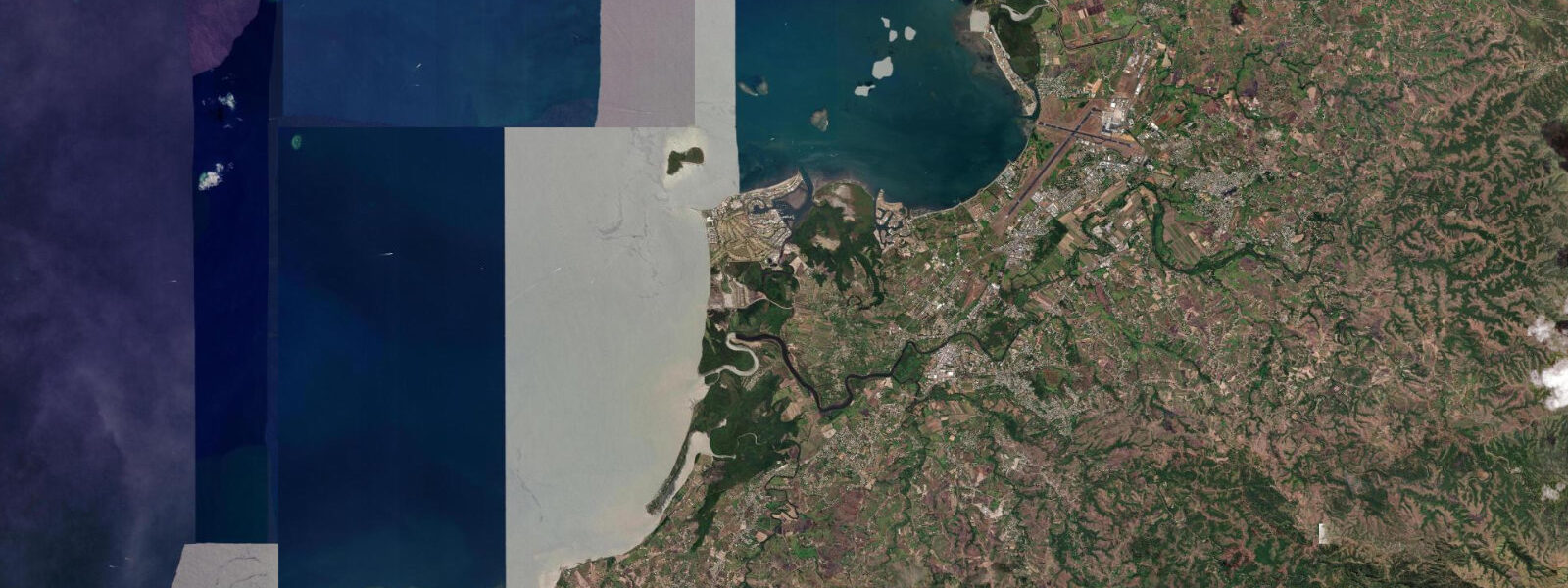
The Nadi coastal strip is the entry point for the majority of international visitors to Fiji. Nadi International Airport, on the flat coastal plain of the Viti Levu western coast, is the primary gateway for flights from Australia, New Zealand, Asia, and North America. The Denarau resort complex a few kilometres to the west is where most visitors spend their first and last nights, and Port Denarau marina is the departure terminal for ferries and catamarans to the Mamanuca Islands, the Yasawa Islands, and the various resort islands in the western Fiji group.
Denarau Island is a purpose-built resort and marina precinct created on reclaimed land, connected to the Viti Levu mainland by a short causeway. The marina's dredged channel approach is tide-insensitive at the ferry berth level: the channel maintains navigable depth across the full tidal range for the catamarans and larger ferry vessels used on the island routes. The resort hotels on Denarau range from mid-market to international chain properties; the strip along the beach-facing side of the peninsula has beach club and pool infrastructure, but the beach itself is not the main draw — the offshore islands are.
The tidal regime along the Nadi coast is mixed semidiurnal. Spring range at nearby Lautoka, the main coastal reference point 23 km north, runs approximately 1.2 to 1.5 m. Two highs and two lows per day with measurable diurnal inequality — the higher high and the lower high in a given day can differ by 0.3 to 0.5 m on the most unequal days. The spring-neap variation across the lunar month modulates the range, with the largest spring tides around new and full moons.
The beaches immediately adjacent to Nadi and Denarau are not the primary swimming beaches in the area. Water clarity around the Nadi River mouth and the coastal zone behind Denarau is affected by river silt and tidal flat sediment from the extensive mangrove systems that fringe this coast. The reclamation for Denarau Island replaced mangrove wetland, and the sediment transport patterns in the tidal zone behind the causeway reflect that history. Visitors looking for beach swimming use the Mamanuca Island transfers from Port Denarau rather than the Nadi mainland coast.
For anglers and kayakers, the tidal flat zone behind Denarau and through the inshore mangrove channels offers worthwhile estuary-species fishing — mangrove jack, bonefish on the exposed flats at low water, and barramundi in the creek mouths. The flat between the causeway and the mangrove fringe exposes at low water on spring tides; the productive window for flat walking or kayaking into the mangrove is the two hours either side of the predicted low. A guide familiar with the local channels is useful — the mangrove maze around the Nadi estuary is extensive and the channels look similar throughout.
The Sabeto mountain range immediately behind Nadi creates an orographic rainfall pattern: the Nadi area receives more rain than the drier western Viti Levu coast further south, and the Nadi River rises quickly after heavy rain, adding turbid water to the coastal zone for a day or two following significant rainfall events.
The Coral Coast, along the southern Viti Levu shore accessible by the Queen's Highway from Nadi, offers a different beach character from the resort islands: fringing reef close to shore, village communities along the road, and calmer water in the lagoon inside the reef. The Pacific Harbour and Sigatoka areas on the Coral Coast are within 60 to 90 minutes' drive of Nadi airport and offer an alternative for visitors with limited time who want a mainland beach rather than an island transfer.
Predictions on this page come from Open-Meteo Marine, a gridded global ocean model; accuracy is typically within plus or minus 45 minutes on timing and 0.2 to 0.3 m on height. The Fiji Meteorological Service publishes authoritative marine and weather forecasts for Fijian waters.
Tide questions about Nadi Coast
Quick answers to the most common questions about tide times, range, and water access at Nadi Coast.
When is the next high tide at Nadi?
The hero block at the top of this page shows the next predicted high at Nadi in local Fiji Standard Time (FJT, UTC+12 standard; UTC+13 during Fiji's daylight saving period, roughly November through January). Spring range along the Nadi coast is approximately 1.2 to 1.5 m on a mixed semidiurnal pattern — two highs and two lows per day with some inequality between the two daily highs. The Fiji Meteorological Service publishes authoritative marine weather forecasts for Fijian waters, and the Fiji Ports Authority manages operational tide data for Lautoka port.
Are there good beaches near Nadi airport?
The Nadi mainland coast and the Denarau shoreline are not recommended for open-water swimming — water clarity is reduced by river silt from the Nadi River and by tidal sediment transport through the mangrove coast. For a beach within reasonable drive of Nadi, the southern Coral Coast (roughly one hour south on the Queen's Highway at Pacific Harbour and Sigatoka) offers sandy beaches with better water clarity. For the postcard Fiji experience — clear turquoise water, white sand — the Mamanuca Islands are the nearest option, accessible by 30 to 45 minute catamaran from Port Denarau. Denarau resort hotels have pool and lagoon facilities as a practical alternative.
Does the tide affect ferry departures from Port Denarau?
Not for the main catamaran ferries to the Mamanuca and Yasawa islands. These vessels use a dredged approach channel that maintains adequate depth across the full tidal range, and departures are scheduled by operator timetable rather than tidal state. The 1.2 to 1.5 m spring range is large enough to matter at the destination end of the runs, particularly at outer Mamanuca resort islands where some approaches have shallow reef-flat sections. On a spring low tide, some resort approaches require a tender transfer or wading rather than direct dock access. Check with the specific resort operator about low-water landing procedures if your island has a shallow reef-flat approach.
Can I fish or kayak the mangrove coast near Denarau?
The mangrove channels and tidal flats behind Denarau Island and along the Nadi River estuary are accessible by kayak or on foot at low water. The productive window for flat-walking or kayaking into the mangrove channel system is approximately two hours either side of the predicted low on a spring tide, when the flat exposes and the channels reach their shallowest. Mangrove jack, bonefish on the exposed sandy flats, and barramundi in the creek mouths are the main species targets for estuary anglers in this zone. The mangrove maze around the Nadi estuary is extensive and navigating it independently requires either local knowledge or a guide who knows the specific creek routes.
Where do these tide predictions come from?
Open-Meteo Marine, a gridded global ocean model. The model estimates tidal height from oceanographic equations applied across a geographic grid rather than from harmonic analysis of a dedicated Nadi coast gauge. Accuracy is typically within plus or minus 45 minutes on timing and 0.2 to 0.3 m on height. For the Nadi and Lautoka coastal zone, the Fiji Ports Authority manages port operations tide data and the Fiji Meteorological Service publishes the authoritative marine weather and sea-state forecasts. For vessel operations in Fijian waters, use official Fiji Hydrographic Office charts and port authority guidance.
7-day tide table — Nadi Coast
Heights relative to MSL. Predictions: Open-Meteo Marine (MeteoFrance SMOC, 0.08° grid) — heights relative to MSL (not chart datum / LAT). Model-derived.
| Day | Type | Time | Height |
|---|---|---|---|
| Thu 06 Aug | Low | 04:15 | 0.2m |
| High | 10:24 | 1.1m | |
| Low | 16:25 | 0.2m | |
| High | 22:48 | 1.3m | |
| Fri 07 Aug | Low | 05:20 | 0.2m |
| High | 11:35 | 1.1m | |
| Low | 17:20 | 0.3m | |
| High | 23:50 | 1.3m | |
| Sat 08 Aug | Low | 18:35 | 0.3m |
| Sun 09 Aug | High | 01:00 | 1.3m |
| Low | 07:42 | 0.1m | |
| High | 14:02 | 1.2m | |
| Low | 19:45 | 0.4m | |
| Mon 10 Aug | High | 02:04 | 1.4m |
| Low | 08:47 | 0.1m | |
| High | 15:06 | 1.2m | |
| Low | 20:47 | 0.3m | |
| Tue 11 Aug | High | 03:06 | 1.5m |
| Low | 09:44 | -0.0m | |
| High | 16:03 | 1.3m | |
| Low | 21:52 | 0.2m | |
| Wed 12 Aug | High | 04:01 | 1.6m |
| Low | 11:00 | -0.1m |