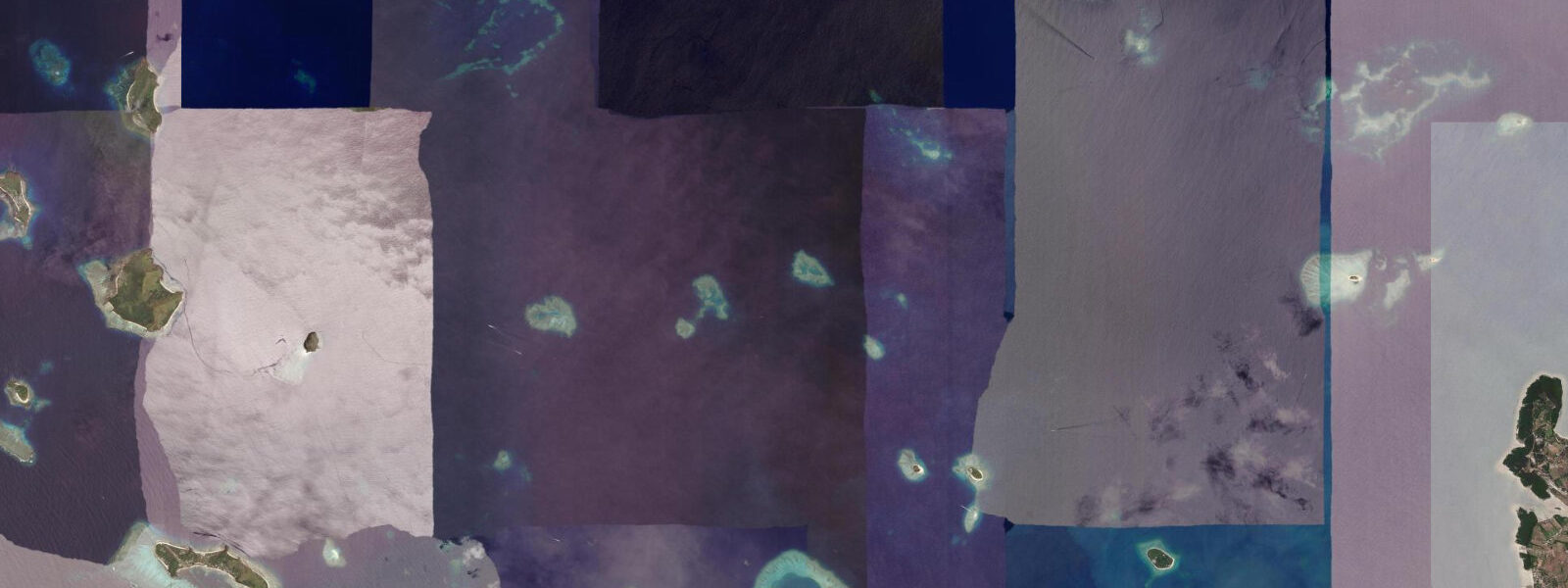
Mamanuca Islands tide times
Mamanuca Islands tide forecast — heights relative to MSL.
Tide chart for Mamanuca Islands
24-hour cosine-interpolated curve around the present moment. Heights relative to MSL. Predictions: Predictions: Open-Meteo Marine (MeteoFrance SMOC, 0.08° grid).
Sun, moon and conditions on Thu 06 Aug
Snapshot at build time — refreshes daily. Sea state from Open-Meteo Marine.
Highs and lows next 7 days
Every predicted high and low for the next week, with the daily tidal coefficient (0–120; higher = bigger swing, > 95 means stronger currents).
Other spots nearby
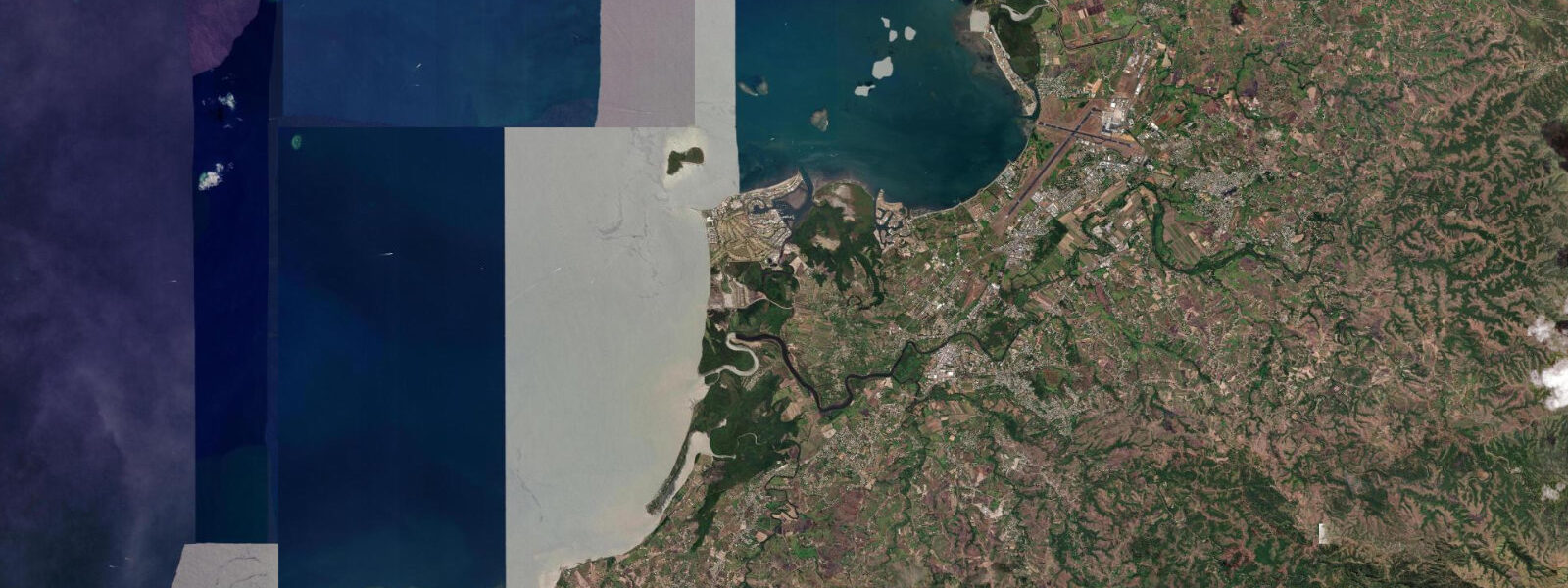
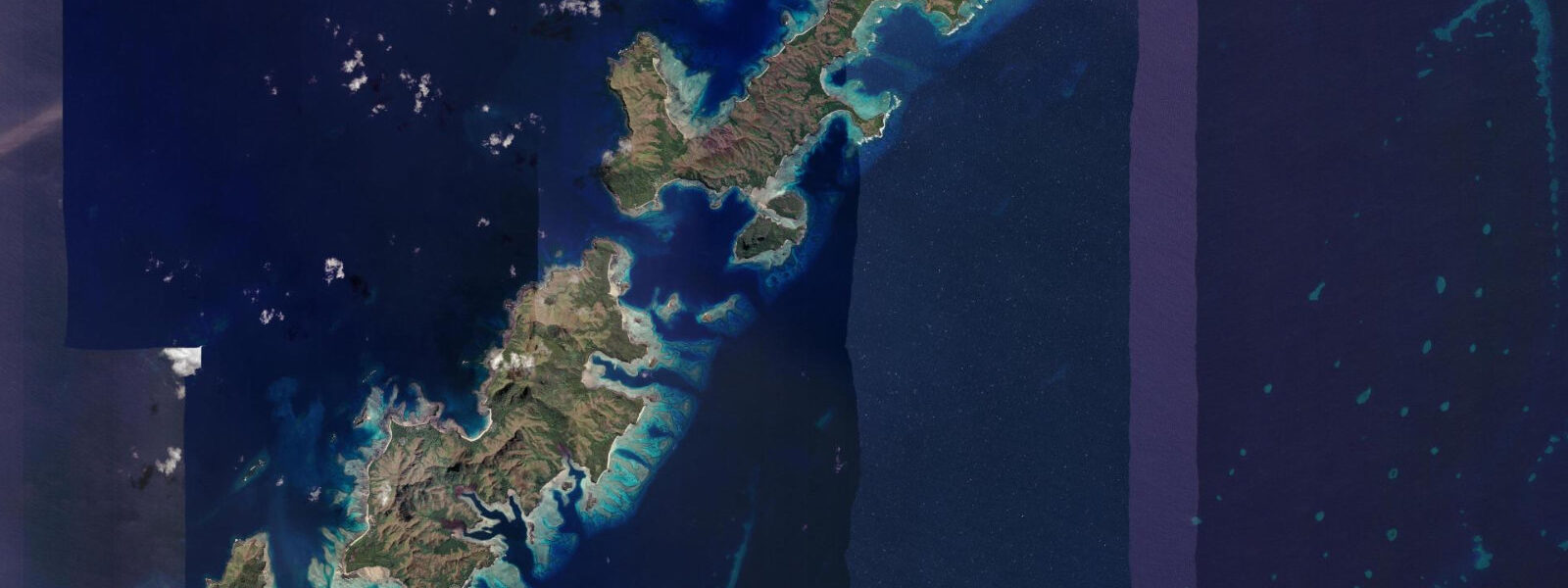
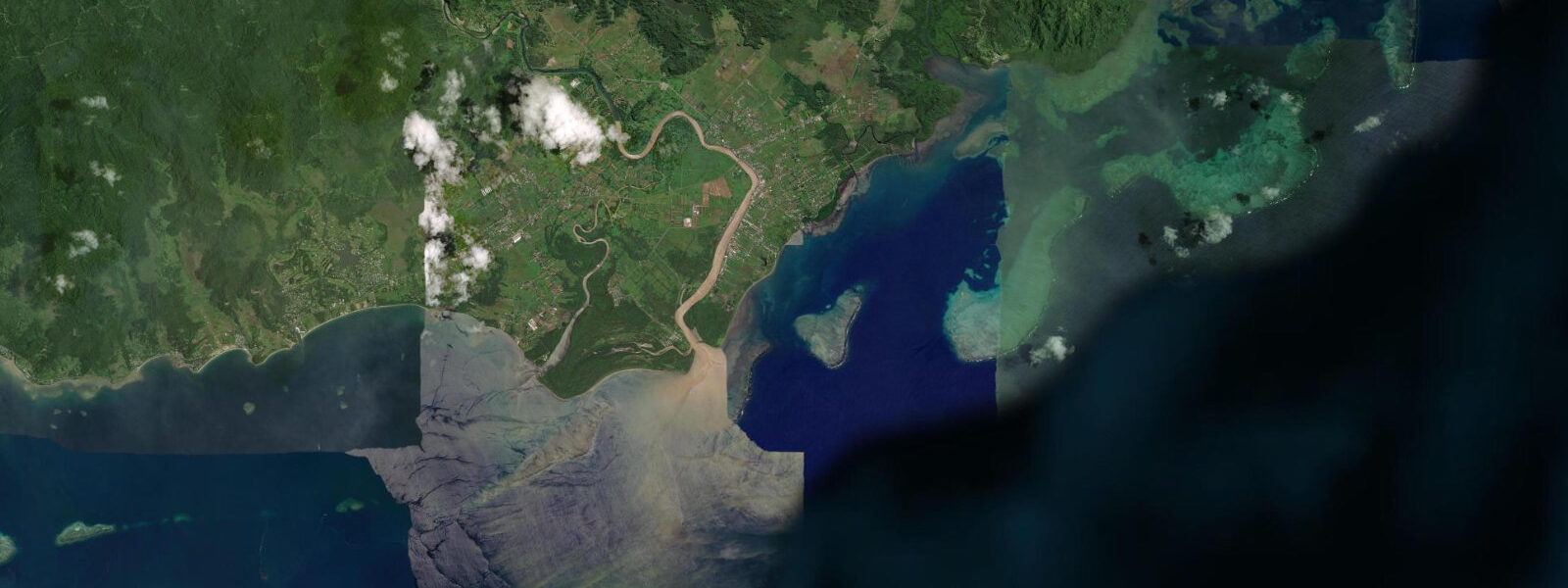
The three closest curated TideTurtle locations to Mamanuca Islands, measured by great-circle distance.
Today's solunar windows
Solunar tradition: major periods are the ≈3h windows around moon transit and opposition; minor are ≈2h around moonrise and moonset. Pair with the local tide stage and wind for the best read.
Cycle dates near Mamanuca Islands
Next spring tide on Mon 10 Aug (range 1.8m). Last neap on Tue 04 Aug.
Spring tides cluster around new and full moons (biggest swings). Neap tides land on quarter moons (smallest swings). See the spring tide and neap tide glossary entries for the why.
About tides at Mamanuca Islands
A short guide to the coastline at Mamanuca Islands — geography, sea state, and what the tide is actually doing under your feet.
The Mamanuca Islands are a cluster of roughly 20 volcanic peaks and coral-reef islets spread across the Koro Sea 30 to 55 km west of Denarau and Nadi. The group spans about 40 km from its nearest island (Malolo) to its furthest accessible resort island (Tokoriki), and the water between them — clear, shallow over the inter-island reef flats, deepening into channels between the volcanic islands — represents the visual standard for Fiji that most visitors carry before arrival. Malolo Lailai (Plantation Island), Castaway Island, Mana, and Tokoriki are the main resort islands; Malolo itself is the largest and holds a resident Fijian community alongside resort infrastructure.
The tidal regime across the Mamanucas is mixed semidiurnal with a spring range of approximately 1.2 to 1.5 m, consistent with the Lautoka reference station on the Viti Levu mainland to the east. Two highs and two lows per day with diurnal inequality — the higher and lower high waters in a given day can differ by 0.3 to 0.5 m on the most asymmetric days. The spring-neap variation across the lunar month produces the largest ranges around new and full moons and the smallest around the quarter moons.
The 1.2 to 1.5 m range is operationally significant for island access even though it appears modest in absolute terms. Several Mamanuca resort islands have shallow reef-flat approaches where ferries dock at a beach or a short jetty; the depth over the flat at the lower high water or at mid-tide can be insufficient for a laden catamaran to approach safely. Resort operations build tide awareness into their ferry reception: on days with a low-water period coinciding with the scheduled arrival, guests are met by a tender or wade the last section across a sand flat. Operators advise guests on expected conditions at booking for the specific islands most affected.
The Cloudbreak surf break, 7 km southwest of Malolo Lailai at the outer reef edge, is one of the world's most discussed big-wave left-handers. The break runs along the reef shelf between two water depths — roughly 1 to 3 m over the reef and the deep ocean beyond the reef edge — and is profoundly tide-sensitive. The wave shape at Cloudbreak changes measurably with the depth over the reef: the window cited by experienced surfers is low-to-mid incoming tide, when the shallow reef section produces the wave's characteristic hollow form. At higher tidal stages the wave loses its sharp character. Cloudbreak is for competent big-wave surfers; the exposed location and distance from shore require appropriate experience and water safety preparation.
Snorkelling on the patch reefs within the Mamanuca group is excellent in calm conditions. The change-of-tide slack — 30 to 45 minutes either side of the predicted high or low — gives the lowest current through the reef passages and the best visibility as suspended material settles. The highest-visibility conditions occur after a run of calm weather with minimal rain and gentle wind; post-rain periods from Viti Levu can temporarily reduce visibility as river sediment reaches the reef systems.
The trade-wind season (May through October) brings the most consistent wind and swell to the western Mamanucas, with light southeast trades predominating; the wet season (November through April) is more variable, with periods of calm interspersed with tropical rain. The dive and snorkel resorts on the Mamanuca reef islands generally operate year-round, adjusting activity schedules around sea-state conditions rather than closing seasonally the way the Rakhine coast resorts do.
Predictions on this page come from Open-Meteo Marine, a gridded global ocean model; accuracy is typically within plus or minus 45 minutes on timing and 0.2 to 0.3 m on height. The Fiji Meteorological Service publishes authoritative weather and sea-state forecasts for Fijian waters.
Tide questions about Mamanuca Islands
Quick answers to the most common questions about tide times, range, and water access at Mamanuca Islands.
When is the next high tide at the Mamanuca Islands?
The hero block at the top of this page shows the next predicted high at the Mamanuca Islands in Fiji Standard Time (FJT, UTC+12 standard; UTC+13 during Fiji's daylight saving period, roughly November through January). Spring range in the Mamanucas is approximately 1.2 to 1.5 m on a mixed semidiurnal pattern — two highs and two lows per day with diurnal inequality between the two daily highs. For the Cloudbreak surf break, the operative planning detail is tide stage rather than the clock time: the preferred window is low-to-mid incoming tide. The Fiji Meteorological Service publishes authoritative marine forecasts for Fijian waters.
How does the tide affect ferry access to resort islands?
Several Mamanuca resort islands have shallow reef-flat approaches where the ferry cannot dock at low spring tide. At the lower high water on a mixed semidiurnal day, the approach depth may also be marginal for a laden catamaran. Resort operators manage this by meeting the ferry with a tender, adjusting arrival timing where timetables allow, or asking guests to wade a short section across a sand flat at the beach approach. The specific constraint varies by island — Malolo Lailai (Plantation Island) and Castaway have different approach geometries. For a specific resort, ask the operator whether your scheduled arrival time coincides with a low-tide window, particularly if travelling with young children or limited mobility.
What tide conditions are best for surfing Cloudbreak?
Cloudbreak is a reef break on the outer reef edge 7 km southwest of Malolo Lailai. The wave is most sharply defined at low-to-mid incoming tide, when the water depth over the reef section is in the 1 to 2 m range and the wave pitches into its characteristic hollow form. At high water the greater depth over the reef softens the break and the wave loses its sharp definition. The standard window cited by experienced regulars is from roughly one hour before the predicted low to two hours into the flood. Cloudbreak requires experience with open-ocean reef breaks; the exposed location, reef character, and distance from shore make this unsuitable for casual surfers without appropriate preparation and guide support.
When is the best time to snorkel in the Mamanuca group?
The best snorkelling conditions in the Mamanucas combine calm sea state, low wind, minimal recent rain, and a change-of-tide slack for low current through the reef passages. The slack window — 30 to 45 minutes either side of the predicted high or low — allows suspended material to settle and gives the weakest current. Morning is generally preferable to afternoon: wind builds through the day in the trade-wind season and can raise chop that reduces surface visibility. The dry season (May through October) tends to give cleaner water than the wet season (November through April), when rain events from Viti Levu push sediment toward the reef systems.
Where do these tide predictions come from?
Open-Meteo Marine, a gridded global ocean model. Accuracy is typically within plus or minus 45 minutes on timing and 0.2 to 0.3 m on height. For the Mamanuca group specifically, the gridded model is the practical source for non-commercial users — the Fiji Ports Authority calibrates operational tide data for Lautoka and Suva ports but not for individual outer islands. The Fiji Meteorological Service publishes marine weather and sea-state forecasts covering the Mamanuca area. For vessel operations in Fijian waters, use Fiji Hydrographic Office charts and the Ports Authority tide tables for the nearest reference port.
7-day tide table — Mamanuca Islands
Heights relative to MSL. Predictions: Open-Meteo Marine (MeteoFrance SMOC, 0.08° grid) — heights relative to MSL (not chart datum / LAT). Model-derived.
| Day | Type | Time | Height |
|---|---|---|---|
| Thu 06 Aug | Low | 04:11 | 0.2m |
| High | 10:19 | 1.1m | |
| Low | 16:20 | 0.2m | |
| High | 22:43 | 1.3m | |
| Fri 07 Aug | Low | 05:16 | 0.2m |
| Sat 08 Aug | — | ||
| Sun 09 Aug | High | 00:57 | 1.3m |
| Low | 07:39 | 0.1m | |
| High | 14:02 | 1.2m | |
| Low | 19:40 | 0.4m | |
| Mon 10 Aug | High | 02:02 | 1.5m |
| Low | 08:42 | 0.1m | |
| High | 15:04 | 1.2m | |
| Low | 20:46 | 0.3m | |
| Tue 11 Aug | High | 03:03 | 1.5m |
| Low | 09:41 | -0.0m | |
| High | 16:02 | 1.3m | |
| Low | 21:48 | 0.2m | |
| Wed 12 Aug | High | 04:00 | 1.6m |
| Low | 11:00 | -0.2m | |